
How Much Do Taxes Actually Reduce Smoking? The Canadian Evidence
📊 Higher taxes = less smoking? Yes — but with a twist. Canada’s experience shows taxes work, but also fuel a $2.1 billion black market.
Federal tobacco excise tax revenue (2023-24) [citation:8]
Lost federal & provincial tax revenue due to contraband [citation:4]
of illegal cigarettes come from unlicensed Indigenous reserve factories [citation:5]
📈 The 1980s: When Taxes Actually Worked
Between 1980 and 1993, federal and provincial governments raised tobacco taxes by about 600% [citation:7]. Smoking prevalence dropped consistently across all age and gender groups [citation:7]. The strategy seemed foolproof: raise taxes, people quit. But then something unexpected happened — the tobacco industry found a loophole.
🔄 The 1994 Disaster: When Taxes Backfired
By the late 1980s, tobacco companies had developed a scheme to smuggle billions of cigarettes through the Akwesasne reserve straddling the Canada‑US border [citation:5][citation:7]. Smuggled cigarettes were substantially cheaper than legal ones. By 1993, contraband had captured an estimated 30-40% of the Canadian market — 70% in Quebec [citation:5].
In February 1994, the federal government cut excise taxes by about 50% (from $10.36 to $5.36 per carton of 200 cigarettes) [citation:7]. Five provinces dropped their taxes as well. Combined cuts reduced tax rates by $14‑21 per carton, leading to a nearly 50% price reduction [citation:7][citation:5]. The goal: eliminate the smugglers’ price advantage.
👶 The Human Cost: 190,000 Excess Daily Smokers
An NIH‑funded study published in PLOS ONE (2014) analyzed the impact of the 1994 tax cuts. Using reconstructed cohort analysis from the Canadian Community Health Surveys, researchers estimated that the tax reduction led to approximately 190,000 excess daily smokers among people born between 1977 and 1985 [citation:7].
- The rate of smoking experimentation among young teenagers increased sharply around 1992, peaking in 1995 [citation:7].
- The effect was stronger in women than in men [citation:7].
- Rates only returned to pre‑1990 levels by about 2003 [citation:7].
Gabler et al (1997) also reported that legal cigarette sales rose by 51% in Ontario and 175% in Quebec following the tax rollbacks [citation:7].
excess daily smokers linked to the 1994 tax cut [citation:7]
increase in legal cigarette sales in Ontario after the tax cut [citation:7]
📊 Modern Evidence (2002-2012): Diminishing Returns
A more recent NIH study (2017) examined the impact of excise cigarette taxes on youth smoking during the Federal Tobacco Control Strategy period (2002‑2012). Using a difference‑in‑differences framework, researchers found that tax increases generally did not affect smoking outcomes [citation:3].
Each increase of CAD $1.00 (adjusted to year 2000 dollars) in excise cigarette taxes was associated with only a 0.2 percentage point change in smoking prevalence and 0.3 fewer cigarettes smoked per week [citation:3]. The researchers concluded: “Factors driving down tobacco use among youths in all provinces appear to outweigh any impact of small tax increases at already high tax levels.” [citation:3]
By the launch of the FTCS in 2002, tax levels were already quite high. Province fixed effects and common temporal changes accounted for 83.7% of the variation in smoking prevalence [citation:3]. In other words, taxes were no longer the main driver — social norms, education, and other policies had taken over.
🖤 The Contraband Problem: $2.1 Billion Lost Annually
According to a 2026 report from RBH (Philip Morris International affiliate) citing a KPMG study, the federal and provincial governments lose an estimated $2.1 billion annually in tobacco tax revenue due to contraband [citation:4]. For perspective, the federal government collected only $2.6 billion in tobacco excise duties in 2023‑24 [citation:8].
- Canada Border Services Agency seizures jumped from 547,000 kg in 2024 to 803,000 kg in 2025 [citation:4].
- A major OPP operation on Six Nations of the Grand River Territory seized 25 tonnes of tobacco from an illegal manufacturing facility [citation:4].
- 93% of contraband cigarettes come from unlicensed factories on Indigenous reserves [citation:5].
- Contraband cigarettes are sold for $13‑17 per carton — vs $60‑80 for legal commercial cartons [citation:5].
🪶 The Indigenous Exception: How Native Cigarettes Changed the Market
Unlike the 1990s, today’s smokers have a legal, tax‑exempt alternative — native cigarettes. Produced on Indigenous territory under constitutional protection, brands like Canadian Light, BB, Nexus, and Rolled Gold are sold online with zero federal excise duties or provincial tobacco taxes. This changes the economics entirely.
Instead of turning to dangerous contraband (which may contain mold, insects, or unknown chemicals), smokers can simply order legal native cigarettes from Cigstore.ca at 80-85% less than commercial prices — without funding organized crime.
⚖️ Do Taxes Worsen Inequality? The Evidence Says No
Critics often argue that tobacco taxes disproportionately harm low‑income smokers. However, a 2018 letter in the Canadian Medical Association Journal (from researchers at the University of Waterloo, McGill, and the Ontario Tobacco Research Unit) refutes this claim [citation:10].
- Reductions in smoking prevalence among Canadians with less than a secondary school education have been comparable to those among postsecondary graduates (-9.5 vs -7.0 percentage points) [citation:10].
- The WHO and National Cancer Institute concluded: “Lower income populations often respond more to tobacco tax and price increases than higher income populations” [citation:10].
- Taxes can reduce health disparities when paired with appropriate supports. The revenue generated can fund cessation programs for disadvantaged populations [citation:10].
🔥 Tax‑Free Native Cigarettes — Legal & Affordable
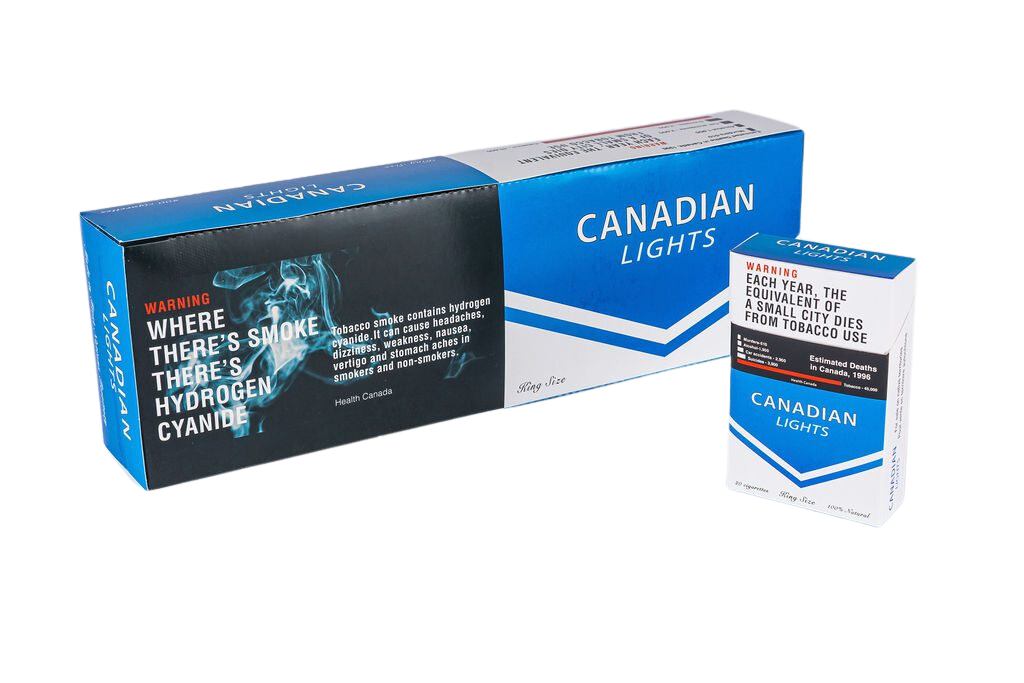


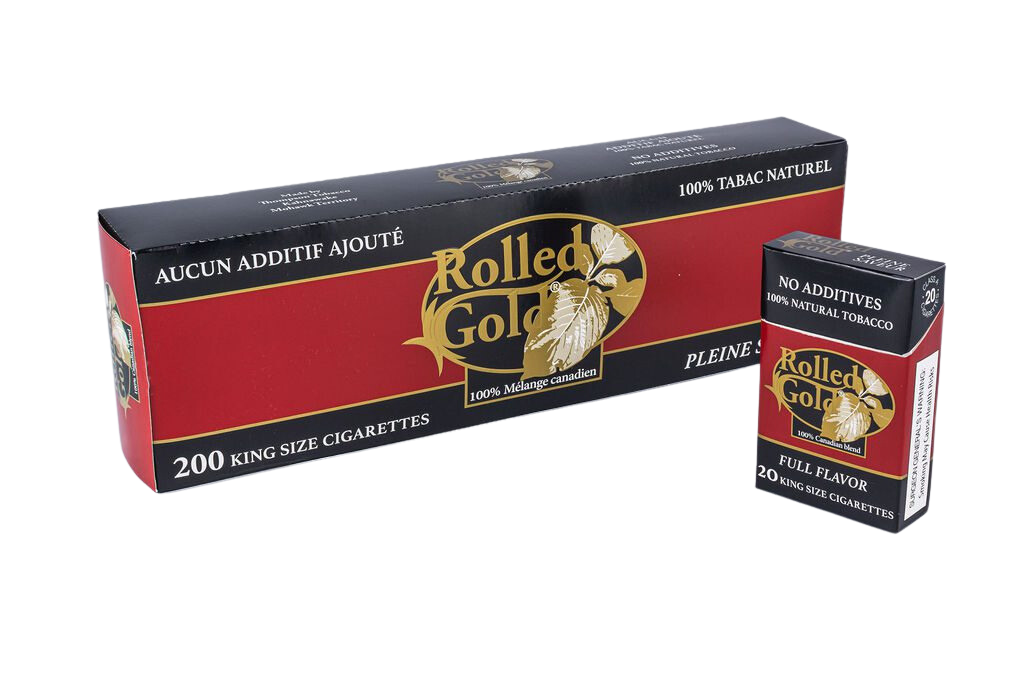

Tax‑Exempt Native Brands — $0 in Government Taxes
🔮 The Future: Can Canada Reach <5% Smoking by 2035?
Health Canada’s target is to reduce tobacco use to less than 5% of the population by 2035. However, the Parliamentary Budget Officer (PBO) projects that cigarette sales will continue declining slowly — from 14.0 billion cigarettes in 2023‑24 to an estimated 13.5 billion by 2029‑30 [citation:8]. The PBO uses an elasticity with respect to tax revenue of -0.71 for cigarettes [citation:8].
But rising taxes alone won’t solve the problem. As long as there’s a large price gap between legal and illegal/tax‑exempt cigarettes, smokers will find alternatives. Native cigarettes from Cigstore.ca offer a legal, regulated, and safe alternative to contraband — without funding organized crime.
Recommended Reading
- Why Are Cigarettes So Expensive in Canada? A Breakdown of Every Tax
- The Untold Story of How the 1994 Tax Cut Created Canada’s Native Cigarette Market
- The $7,000 Question: How Much Heavy Smokers Save Per Year
- The Economics of Smoking in Canada
- Canada’s Tobacco Strategy 2018–2035: A Decade of Bold Action
🚬 Native Cigarettes — Legal, Tax‑Free, and Affordable
Don’t fuel organized crime. Don’t pay 80% tax. Switch to legal native cigarettes.
$29 flat shipping under $290. Free shipping over $290. All cartons (except Pop N Smoke) contain 10 packs of 20 cigarettes — 200 total.
Shop Tax‑Free Cigarettes →