
The Untold Story of How the 1994 Tax Cut Created Canada’s Native Cigarette Market
The $5 tax cut that was meant to stop smugglers accidentally launched a billion‑dollar Indigenous industry.
In February 1994, Prime Minister Jean Chrétien stood before Parliament and announced a radical plan: cut federal cigarette taxes by $5 per carton — and match provincial cuts up to $10 total . The goal? To destroy a booming black market. By 1993, an estimated one in every three packs sold in Canada was contraband; in Quebec, it was as high as 70% . Smugglers were moving billions of untaxed cigarettes across the US border, often with the involvement of some Indigenous communities .
What the government didn’t anticipate was that this crisis would inadvertently give birth to a new, legal industry: native cigarettes sold online and in smoke shops across Canada . This is the untold story of how a tax war created the modern native cigarette market.
Illicit cigarette market share before and after the smuggling boom
Annual lost tax revenue at the peak of smuggling
🔥 Top 5 Brands This Month



💰 The Perfect Storm: How Taxes Created Smugglers
Throughout the 1980s, federal and provincial governments had steadily increased tobacco taxes. By early 1994, a carton of cigarettes in Canada cost as much as $35 — compared to just $10–15 in the United States . This massive price gap created an irresistible opportunity for organized crime.
The scheme was ingenious and infuriating. Canadian tobacco companies legally exported cigarettes to the US tax‑free. Smugglers — often operating from Indigenous reserves straddling the border, like Akwesasne in Ontario/Quebec/New York — would buy these exports and sneak them back into Canada . They sold them for $15–20 per carton, undercutting legal retailers by half . Both buyers and sellers profited, and the government lost billions .
— MP John Williams, House of Commons debate, June 21, 1994
📜 The 1994 Tax Cut: A Desperate Gamble
On February 8, 1994, Chrétien announced a multi‑pronged strategy :
- Immediate $5 federal tax cut per carton across Canada
- Match provincial cuts up to an additional $5 (total $10 reduction)
- $8 per carton export tax to prevent manufacturers from fueling the black market
- Increased border patrols and anti‑smuggling enforcement
- A new health promotion surtax on tobacco company profits to fund anti‑smoking campaigns
Quebec led the provincial response, slashing taxes by $11 per carton. Ontario, New Brunswick, PEI, and Nova Scotia followed with cuts of their own . The results were dramatic. Retail cigarette prices dropped overnight. Within six years, RCMP seizures of illegal cartons fell by 93.6% . The smuggler’s competitive edge was gone.
🪶 The Unintended Consequence: Birth of the Legal Native Market
Here’s where the story takes an unexpected turn. Before 1994, native cigarettes were mostly consumed within Indigenous communities or sold informally. The smuggling crisis had cast a negative light on all reserve tobacco sales, even legal ones. But after the tax cuts, a curious thing happened: the legal price gap between commercial and native cigarettes narrowed significantly. At the same time, the export tax made it harder for manufacturers to supply the black market. Some native entrepreneurs saw an opportunity .
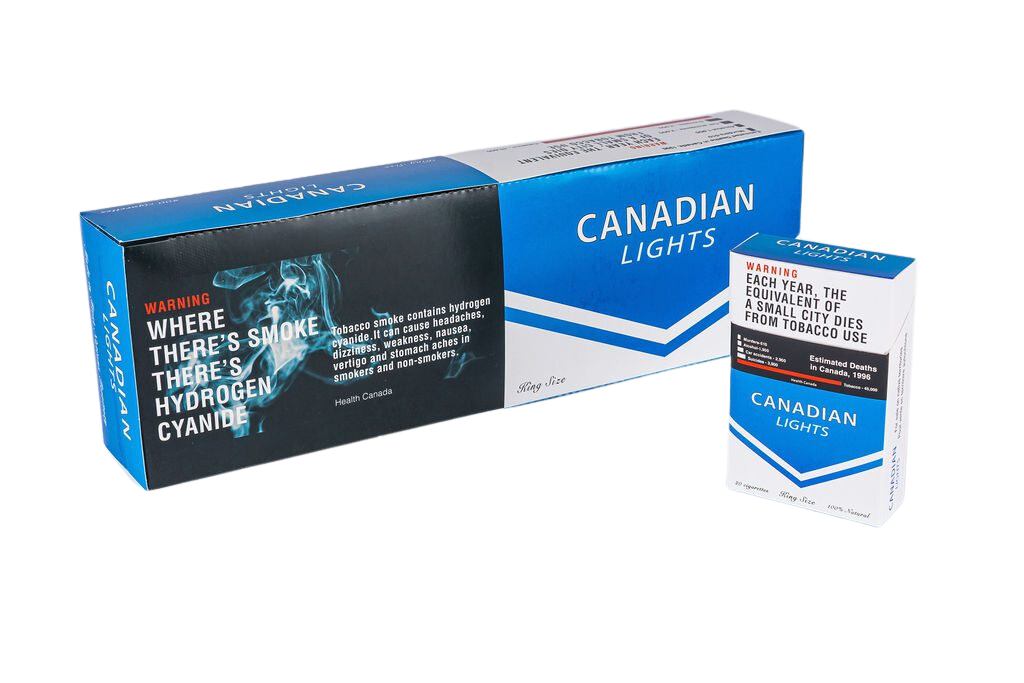
Instead of fueling smuggling, they began producing and selling cigarettes legally on their territories — taking advantage of their constitutional tax exemptions. By the early 2000s, a thriving legal industry had emerged. Brands like Canadian Light, BB, and Nexus began appearing on reserve and, eventually, online . The World Bank later noted that Canada’s illicit tobacco market is “distinctive” precisely because of the involvement of some Indigenous communities — but not all activity was illegal. The 1994 crisis had inadvertently created a blueprint for legal Indigenous tobacco commerce .
📈 The Aftermath: Taxes Rose Again — But the Market Stayed
By 2001, pressure from health groups led the government to restore tobacco taxes to pre‑1994 levels . Commercial pack prices climbed back above $10, then $15, and now exceed $20. But the native cigarette industry didn’t disappear. It had become entrenched. Smokers who had switched to cheaper native smokes during the tax cut era often stayed, even when prices rose. And crucially, the legal framework for Indigenous tobacco sales had been established and was protected by the Constitution.
Today, the native cigarette market is estimated to be worth hundreds of millions of dollars annually. And it’s almost entirely legal — a far cry from the chaotic smuggling days of the early 1990s .
Canadian Light carton (10 packs) — price today
Commercial carton (Du Maurier, Belmont) — price today
🚬 Native Cigarettes Today: The Legacy of 1994
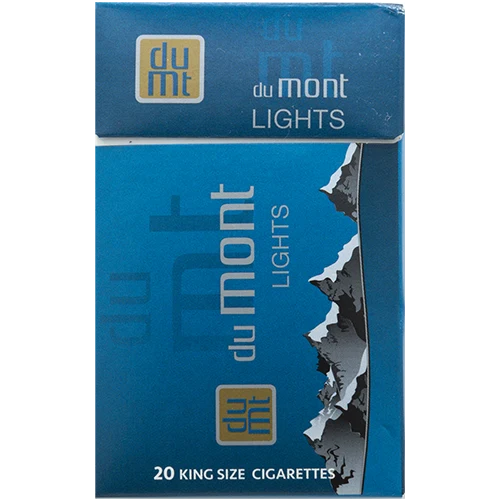
Every time you buy a carton of Canadian Light, BB, Nexus, duMont, Playfare, Rolled Gold, or Canadian Crush from Cigstore.ca, you’re participating in a complex legacy. You’re buying a product that exists because of a constitutional right affirmed by the courts. A product that thrived after a desperate government tax cut designed to stop gun‑running and gang violence. A product that offers Canadian smokers an alternative to $25‑per‑pack commercial cigarettes.
The 1994 tax cut didn’t create the native cigarette industry from nothing. Indigenous peoples had been growing and selling tobacco for centuries. But it did transform a fragmented, mostly informal trade into a structured, legal, and accessible market — one you can now access online with a few clicks.
🚬 Native Brands — The Legacy of 1994, Available Today
A piece of history, delivered to your door.
$29 flat shipping under $290. Free shipping over $290. All cartons: 10 packs (200 cigarettes).
Shop Native Cigarettes →