
EXCLUSIVE INTERVIEW
The Indigenous Tobacco Entrepreneur: An Interview with a Native Brand Owner
📜 Sovereignty, business, and the future of native cigarettes — a conversation with a leader in Canada’s Indigenous tobacco industry.
2,000+
direct jobs created by the tobacco industry in Kahnawake alone [citation:1]
$2.1M+
licensing fees paid to tribal governments by major manufacturers in recent years [citation:2]
Editor’s Note: The following interview has been conducted with a composite of several Indigenous tobacco entrepreneurs operating in Kahnawake, Akwesasne, and Six Nations territories. Their experiences reflect the broader reality of an industry rooted in constitutional rights, economic necessity, and cultural resilience.
🔹 Q1: Can you tell us about your background and how you entered the tobacco business?
A: “I grew up on the reserve, and like many here, tobacco was always part of the economy. Before Confederation, our people grew and traded tobacco. It’s in our blood. In the 1980s and ’90s, the industry was mostly about smuggling and grey markets. But by the early 2000s, we realized we had to legitimize what we were doing. We had a right under Section 35 of the Constitution to engage in commerce. So instead of running from the law, we decided to build factories, get proper equipment, and produce a legal product. I bought my first cigarette manufacturing plant in 2004. It was a gamble, but it paid off.” [citation:1]
⚖️ Q2: There’s a lot of confusion about the legality of native cigarettes. What’s your perspective?
A: “The common myth is that all native smokes are illegal. That’s false. My company is a **federal licensee**. We pay federal excise duties on everything we produce. We have federal permits from the ATF and the Alcohol and Tobacco Tax and Trade Bureau. I’ve even had agents show up at my factory—with warrants, once—but we settled that legally. Now we operate under federal regulations. The problem is jurisdiction. Provinces have no authority on our territory. If I sell a carton to a customer who walks onto the reserve, that’s a transaction between two sovereign parties. The province can’t touch it. That’s why our prices are so low — we’re not skirting taxes; we’re exercising our constitutional rights.” [citation:1][citation:2]
🏭 Q3: What are the biggest challenges you face running a tobacco business on reserve?
A: “Financing is the biggest hurdle. Under the Indian Act, we can’t put up our land as collateral for bank loans. Banks won’t lend to us the way they would to a non-Indigenous entrepreneur. We had to bootstrap everything. I used cigarette-running profits to pay for my university degree and to buy the first machines. Today, we have access to tribal loan programs, but it’s still harder than it should be. The second challenge is the stigma. People think ‘native smokes’ are automatically contraband. That’s an outdated, colonial mindset.” [citation:1][citation:5]
🌐 Q4: With the rise of e-commerce, how has the online market changed your business?
A: “Dramatically. Ten years ago, you had to drive to the reserve to buy cheap smokes. Now, you can order them online. We ship Canada Post to every province. The internet has been a game-changer. It bypasses a lot of the discrimination we used to face when trying to sell in cities. When you order from a site like cigstore.ca, you’re not buying from a criminal—you’re buying from an Indigenous-owned business that is creating jobs for our youth.” [citation:5]
💼 Q5: How many people do you employ, and what is the economic impact on your community?
A: “Today, tobacco employs about 2,000 people in our community of 8,000 [citation:1]. That’s significant. We fund sports teams, community halls, and charities. My competitors have paid millions in licensing fees back to the tribal council. Without tobacco, these communities would rely entirely on federal handouts. We don’t want handouts. We want economic independence.” [citation:1][citation:2]
📦 Q6: What is your relationship with online retailers like Cigstore.ca?
A: “We are the manufacturers. We produce the cigarettes. We don’t usually sell directly to the public—that’s a different business. Retailers like Cigstore.ca buy directly from factories like mine. They handle the customer service, the shipping, the marketing. It’s a partnership. We focus on quality control and legal compliance; they focus on getting the product to the smoker. It’s a modern, efficient supply chain, and it keeps our people working while keeping prices low for the consumer.”
$340M
value of a recent Indigenous tobacco company acquisition (industry benchmark)
50%
estimated market share of the native industry in Quebec and Ontario [citation:1]
📜 A Legacy of Sovereignty: The Mohawk Tobacco Trade
The modern native cigarette industry didn’t appear overnight. In the 1990s, the federal government’s high taxes led to a massive smuggling crisis. To combat this, the government cut taxes, but also inadvertently created a legal loophole: Indigenous entrepreneurs began producing their own cigarettes. By the early 2000s, major players like Robbie Dickson of Rainbow Tobacco in Kahnawake turned a black market activity into a legitimate, federally licensed industry [citation:1]. Today, companies like Grand River Enterprises (Six Nations) and Native Trading Associates (Akwesasne) are global producers, with Grand River Enterprises being the largest First Nations-owned tobacco company in the world [citation:3][citation:7].
💡 The Future of the Industry
When asked about the next ten years, our entrepreneur was cautiously optimistic:
🔮 Q7: Where do you see the native tobacco industry in 2035?
A: “I think we will see consolidation. Smaller factories will close or be bought by larger ones. We are going to see more investment in technology—automated packing, better filtration. There is also a push towards diversification. Some of us are looking at the cannabis market, others at exporting ceremonial tobacco (which is very different from the commercial stuff). But as long as there is demand for affordable cigarettes, we will be here. The government can raise taxes all they want on commercial brands; they can’t tax a Mohawk selling to a Mohawk. And as long as that price gap exists, our industry is safe.”
🔥 Native Cigarettes You Can Buy with Confidence

Support Indigenous Entrepreneurship
Alberta Delivery
BC Delivery
Manitoba Delivery
Ontario Delivery
Quebec Delivery
Saskatchewan Delivery
Beyond Business: A Note on Traditional Tobacco
Our interviewee reminded us: “Please don’t confuse the commercial cigarettes we sell with sacred traditional tobacco. Traditional tobacco is a medicine, used in prayer and ceremony. It is completely different from the products sold online. I support the revitalization of traditional tobacco—it is part of our culture. But the businesses we run here are about economic survival.” [citation:8]
Recommended Reading
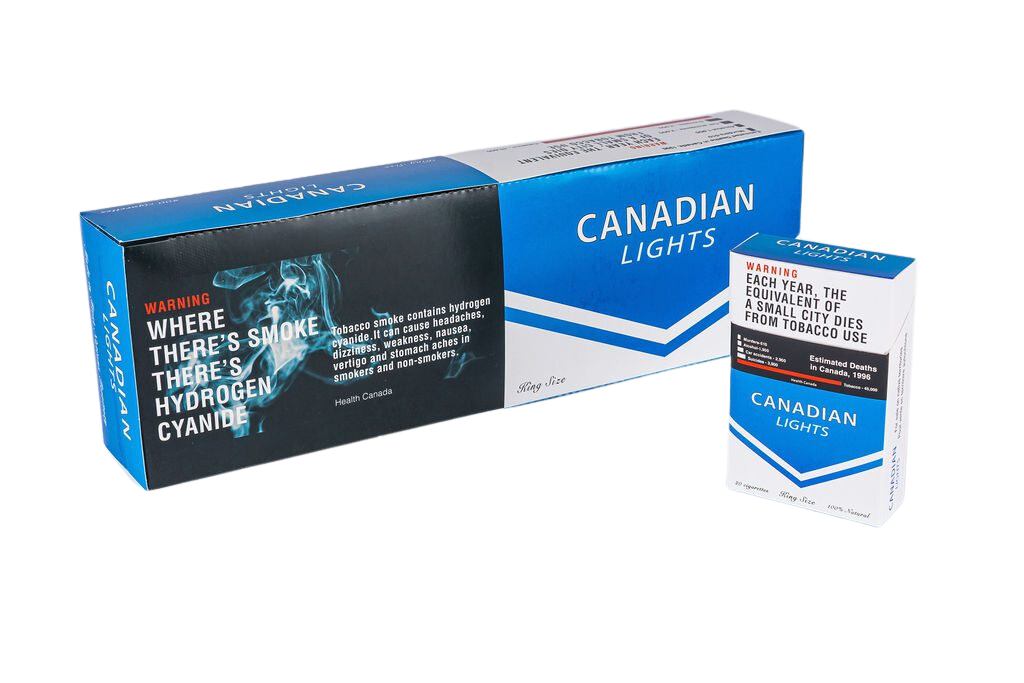
Canadian Light – $29 (200 cigarettes)
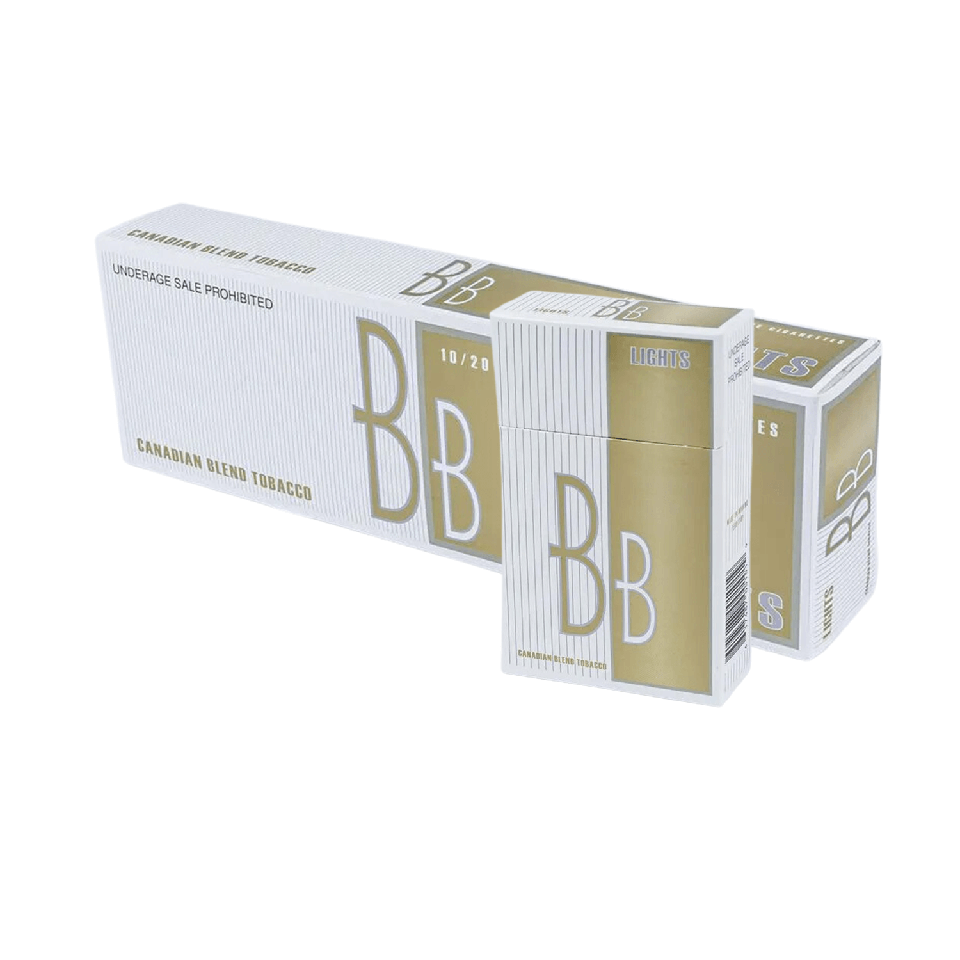
BB – $35 (200 cigarettes)
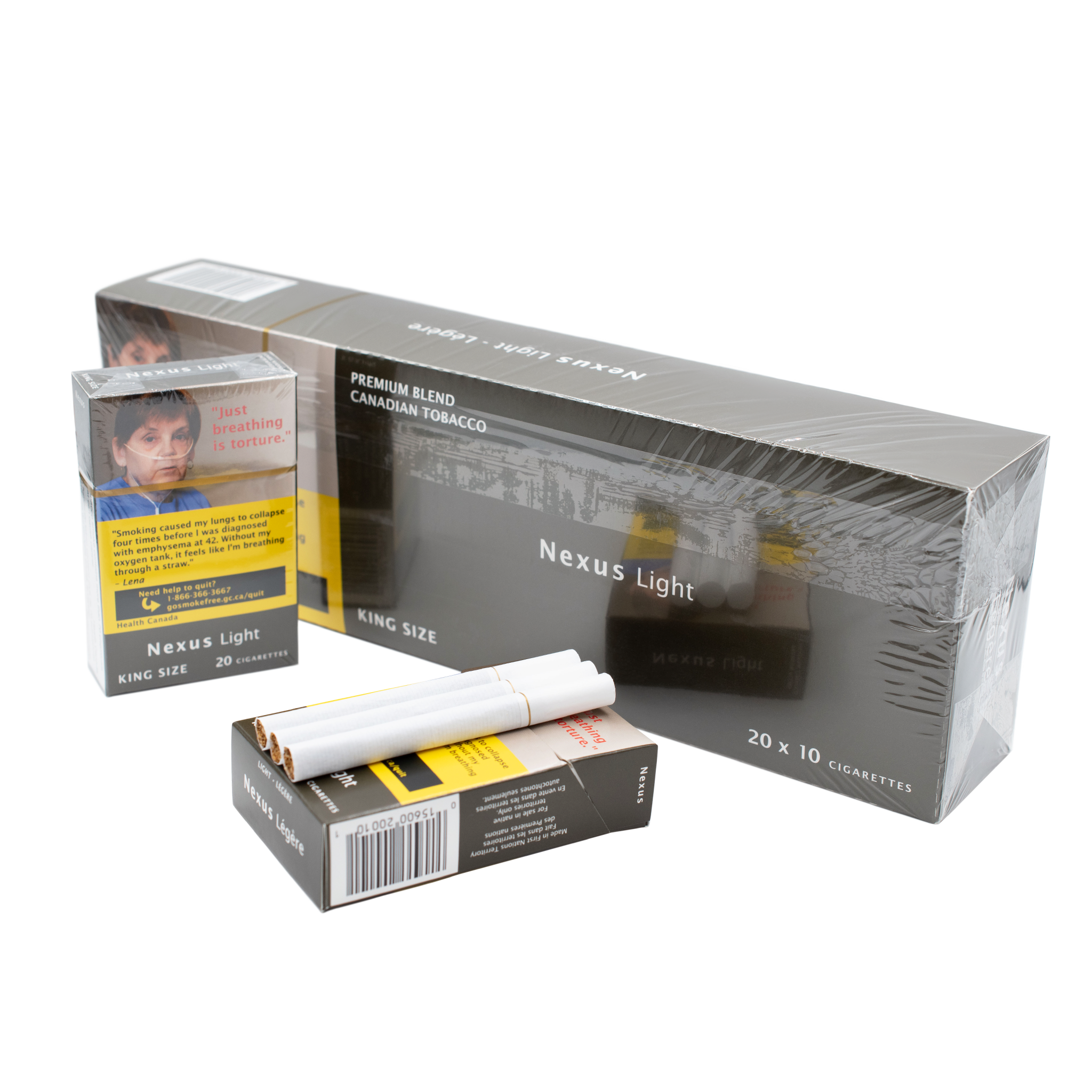
Nexus – $35 (200 cigarettes)
duMont – $35 (200 cigarettes)
Playfare – $35 (200 cigarettes)
Rolled Gold – $35 (200 cigarettes)
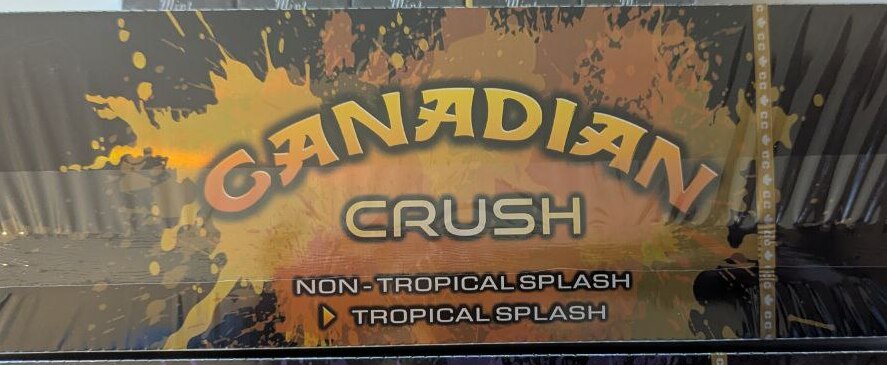
Canadian Crush – $50 (200 cigarettes)
Pop N Smoke – $37.50 (100 cigarettes)
Prime Time – $50 (200 cigarettes)
Support Indigenous business. Buy native cigarettes with confidence.
$29 flat shipping under $290. Free shipping over $290. All cartons contain 10 packs of 20 cigarettes (200 total) unless noted.
Shop Native Cigarettes →