
The “One More” Loop: Why It’s So Hard to Stop After the First Cigarette
🧠 Dopamine, anticipation, and the brain chemistry that turns one cigarette into a pack.
of smokers who light up “just one” end up smoking another within an hour
the average time between cigarettes for a pack‑a‑day smoker
🔬 The Dopamine Cycle: How One Cigarette Leads to Another
Nicotine reaches your brain in 10‑15 seconds. It binds to nicotinic acetylcholine receptors, triggering the release of dopamine — the “reward” neurotransmitter. This creates a feeling of pleasure, satisfaction, and relief. But here’s the catch: dopamine levels drop quickly. Within 20‑45 minutes, your brain has metabolized most of the nicotine, and dopamine levels fall below baseline. You start to feel irritable, anxious, or simply “off.” The solution? Another cigarette. This is the dopamine loop.
The “One More” Loop:
⚠️ The “Just One” Trap: Why Moderation Fails
Many smokers believe they can smoke “just one” and stop. But nicotine is specifically engineered (by commercial tobacco companies) to be as addictive as possible. Ammonia compounds freebase nicotine, accelerating its delivery to the brain. The result: even a single cigarette resets the withdrawal clock. Instead of satisfying you, it primes you for the next one. This is why most “just one” cigarettes quickly become “just one more,” then “just one pack.”
🧬 The Role of Nicotine Half‑Life
Nicotine’s half‑life in the body is approximately 2 hours. This means that 2 hours after your last cigarette, half the nicotine is gone. By 4‑6 hours, your brain is in significant withdrawal. Pack‑a‑day smokers typically smoke every 45‑60 minutes to stay above the withdrawal threshold. This is why “cutting down” without changing your behavior often fails — you’re still smoking often enough to maintain the loop.
🔄 Compensatory Smoking: Why “Light” Cigarettes Don’t Help
Smokers of “light” or “low tar” cigarettes don’t consume less nicotine. They compensate by:
- Inhaling more deeply
- Taking more puffs per cigarette
- Smoking more cigarettes per day
- Blocking ventilation holes with their lips or fingers
The result: the same nicotine delivery, but with a false sense of reduced risk. Native cigarettes from Cigstore.ca avoid this deception — they’re honest tobacco, not “light” or “mild” marketing gimmicks.
🔥 Popular Native Cigarettes — Honest Tobacco, Fair Price
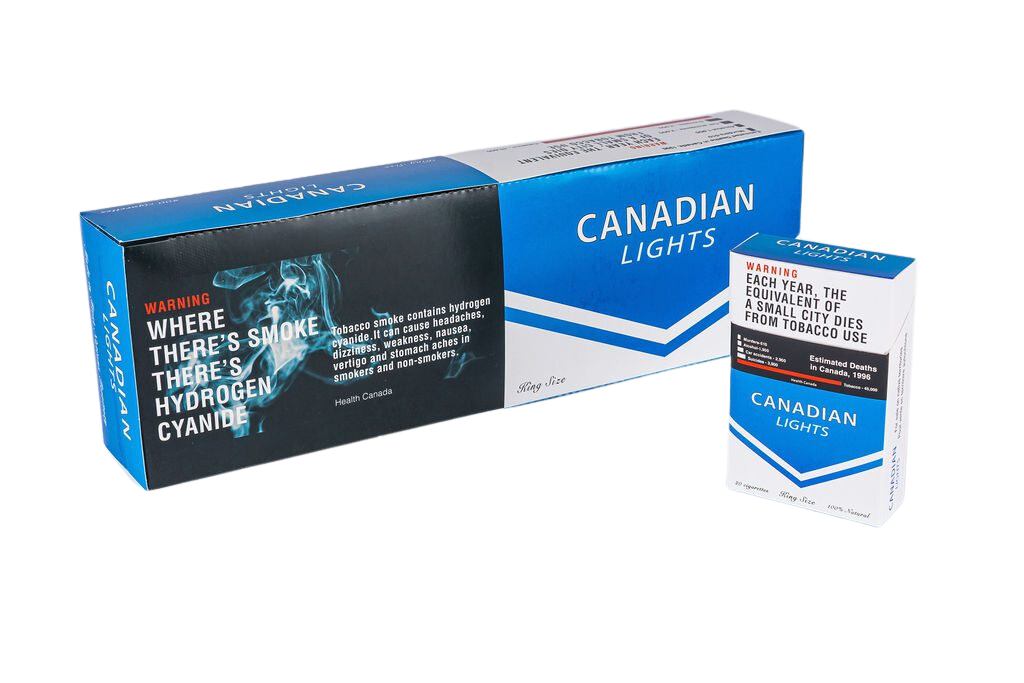
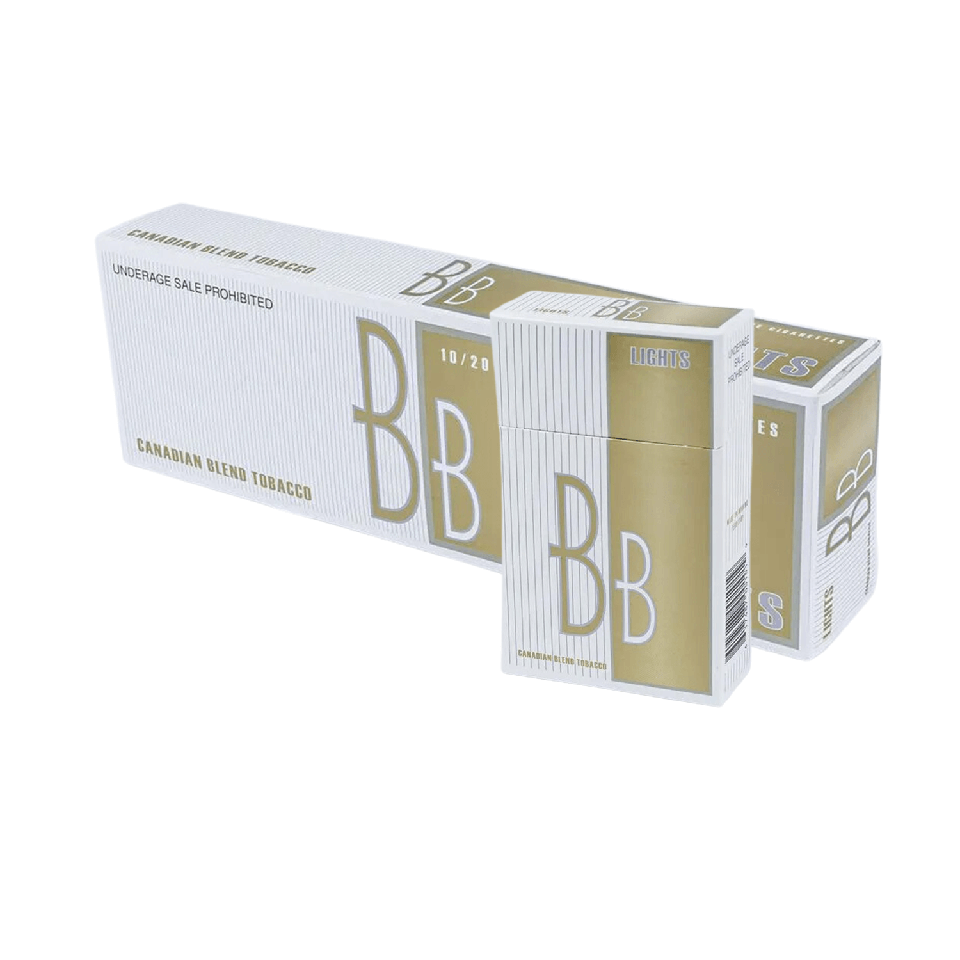
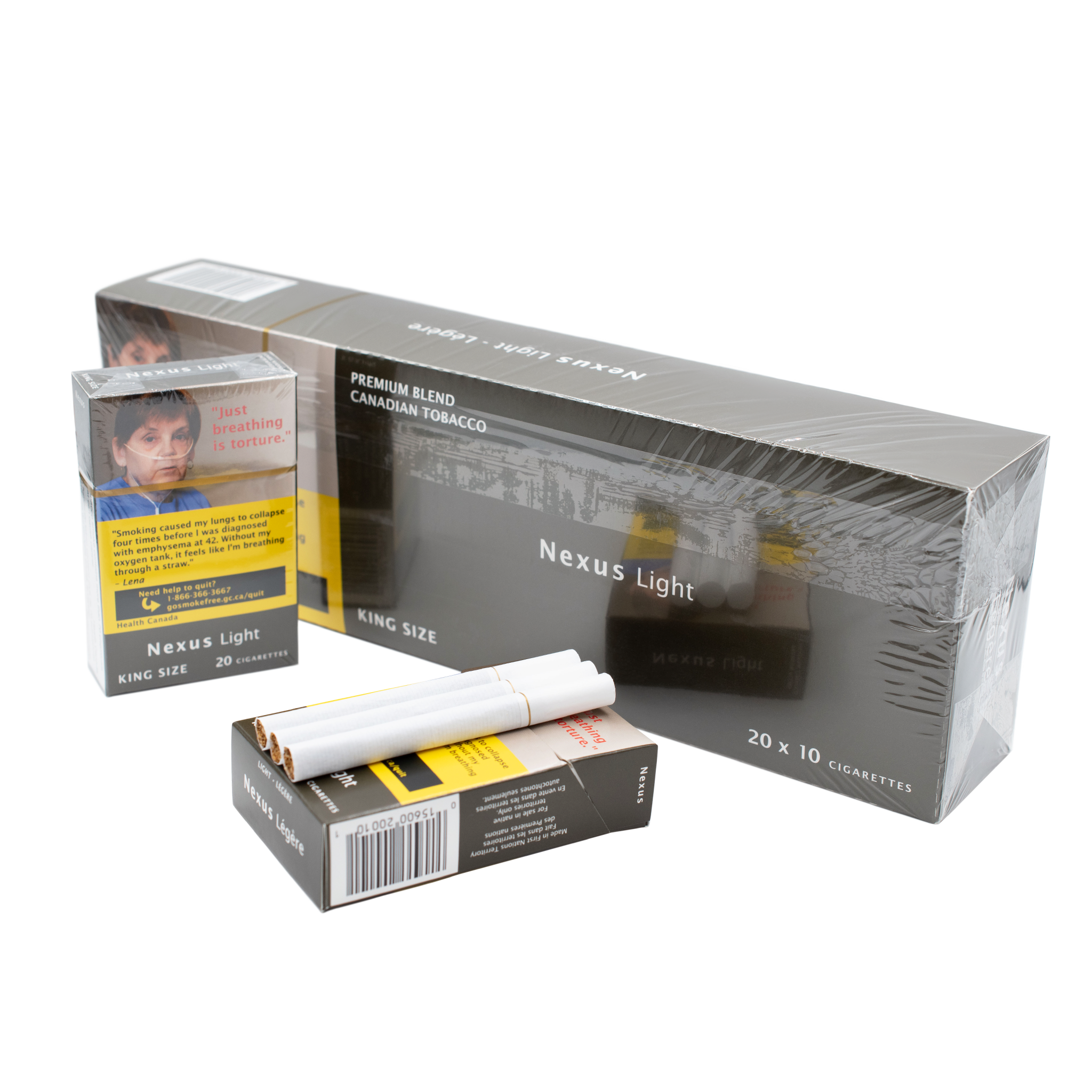
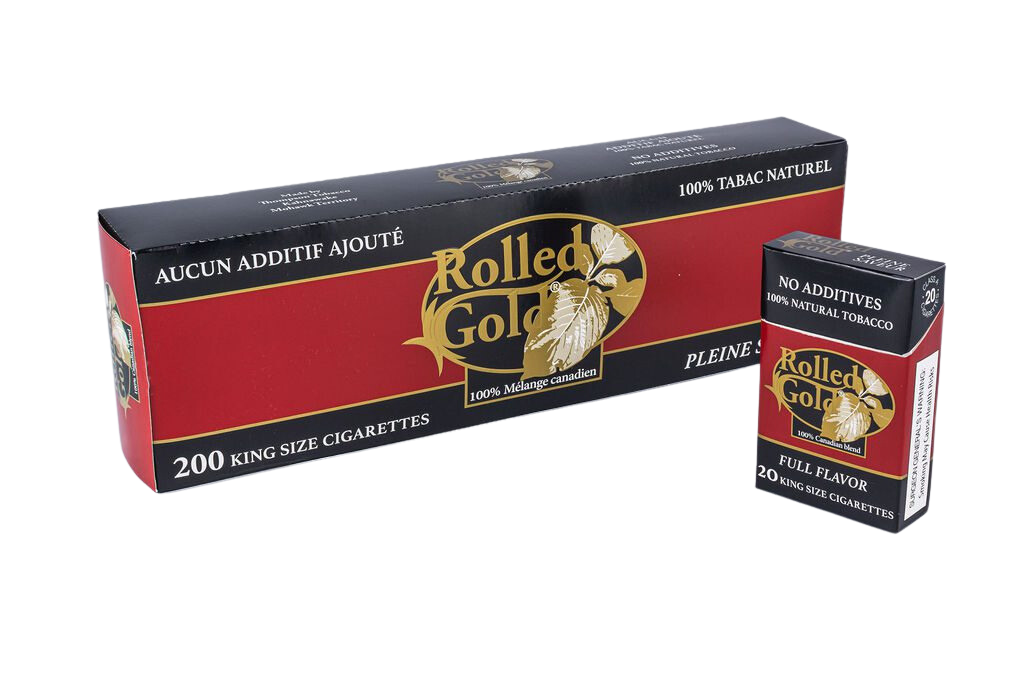

Honest Tobacco. No Marketing Tricks.
⏰ Strategies to Break the “One More” Loop
✅ Strategy 1: The 10‑Minute Delay
When you feel the urge for “one more,” set a timer for 10 minutes. Do something else — drink water, stretch, check email. After 10 minutes, the acute craving often passes. If it doesn’t, smoke — but you’ve already stretched the interval. Over time, you can increase the delay.
✅ Strategy 2: Smoke Half, Not Whole
Extinguish your cigarette halfway through. The first half delivers most of the nicotine satisfaction; the second half is mostly habit. Smoking half a cigarette instead of a full one cuts your consumption in half immediately. Keep a small metal tin for extinguished halves.
✅ Strategy 3: Switch to a Lighter Brand
A lighter brand (like Canadian Light) may feel less satisfying initially — and that’s the point. When the cigarette doesn’t deliver the same “hit,” you may find yourself smoking fewer without even trying. Many smokers successfully step down from full‑flavour to light to very light over several months.
✅ Strategy 4: Change Your Context
The “one more” urge is often triggered by context: after meals, with coffee, during work breaks, while driving. Break the association. Brush your teeth immediately after eating. Drink tea instead of coffee. Take a different route home. Small changes disrupt the automatic habit loop.
✅ Strategy 5: Track, Don’t Judge
Keep a simple log: write down every cigarette you smoke for one week. Note the time and what you were doing. Most smokers discover patterns they weren’t aware of. Awareness alone can reduce consumption by 15‑20% without any other intervention.
📊 The Financial Cost of “One More”
If you smoke 20 cigarettes a day, that’s one pack. At commercial prices ($22/pack), that’s $8,030/year. The same 20 cigarettes from Cigstore.ca (Canadian Light) cost $1,058/year. The difference? $6,972 saved annually. Even reducing from 20 to 15 cigarettes per day saves over $1,700/year if you’re buying native — and over $2,000/year if you’re still buying commercial (but why would you?).
carton of Canadian Light — 10 packs, 200 cigarettes
saved per year vs. commercial at 1 pack/day
Recommended Reading
🚬 Native Cigarettes — Honest Price, Honest Tobacco
Understanding the loop is the first step. Native cigarettes make the second step affordable.
$29 flat shipping under $290. Free shipping over $290. All cartons: 10 packs (200 cigarettes).
Shop Native Cigarettes →