
How to Create a Smoke-Free Environment for Your Pets (Yes, It Affects Them Too)
🐶🐱 Secondhand and thirdhand smoke harms dogs, cats, and birds. Protect your furry family members while still enjoying native cigarettes responsibly.
higher risk of lung cancer in dogs exposed to household smoke
higher risk of lymphoma in cats exposed to secondhand smoke
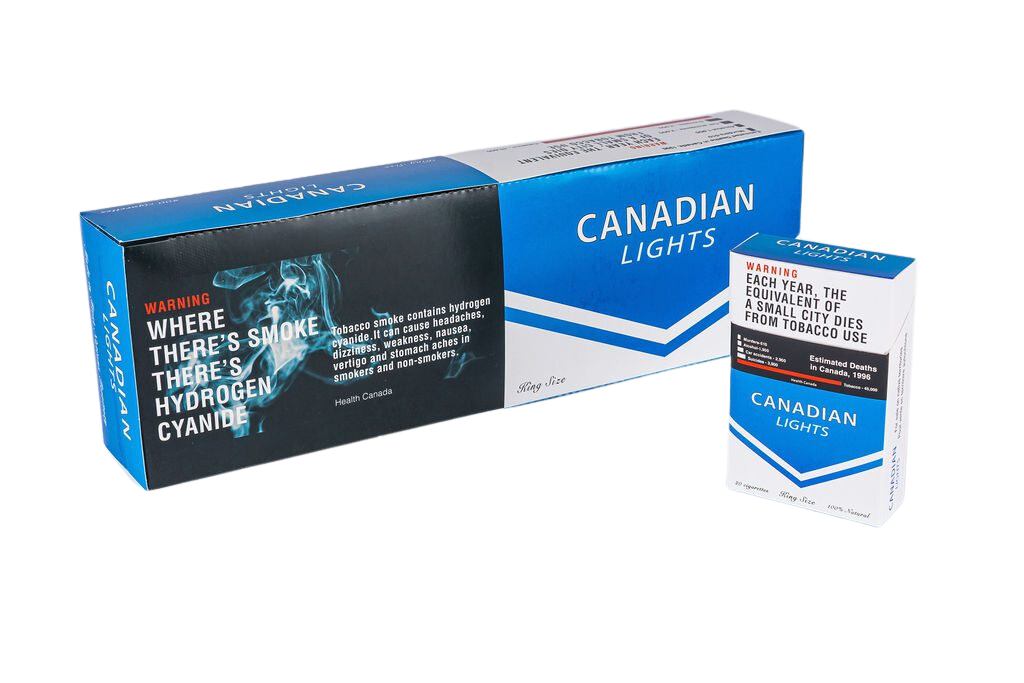
Canadian Light — pack of native cigarettes (affordable for pet‑loving budgets)
🐕 How Smoking Affects Dogs
🐕 Long‑nosed dogs (Collies, Retrievers, Greyhounds)
Long‑nosed dogs have more nasal surface area, making them prone to nasal cancer (adenocarcinoma). A 2019 study found that dogs living with smokers had a 2.5 times higher risk of nasal tumors. The longer the nose, the higher the risk.
🐕 Short‑nosed dogs (Bulldogs, Boxers, Pugs, Shih Tzus)
Short‑nosed dogs have less nasal filtration, so more carcinogens reach their lungs. They face a 2‑3 times higher risk of lung cancer when exposed to household smoke. Secondhand smoke is particularly dangerous for brachycephalic breeds.
🐈 How Smoking Affects Cats
🐈 Cats are especially vulnerable
Cats groom themselves constantly, licking smoke residue off their fur. This means they ingest carcinogens directly. Studies show that cats in smoking households have a 2‑3 times higher risk of developing feline lymphoma (a deadly cancer). They’re also at higher risk for mouth cancer (squamous cell carcinoma).
🐦 How Smoking Affects Birds & Small Animals
🦜 Birds, rabbits, guinea pigs, and ferrets
Birds have extremely sensitive respiratory systems. Secondhand smoke causes chronic coughing, sneezing, and eye irritation – and increases the risk of lung cancer and pneumonia. Rabbits and guinea pigs are also prone to respiratory infections when exposed to smoke. Even small amounts of thirdhand smoke (residue on carpets, toys, and bedding) can be dangerous.
carton of Canadian Light — 200 cigarettes (enough for weeks)
control over where you smoke — keep it away from pets
🧼 What Is Thirdhand Smoke? (And Why It Matters for Pets)
Thirdhand smoke is the nicotine and chemical residue that settles on surfaces – carpets, furniture, pet beds, toys, and even your pet’s fur. Pets pick up these toxins by:
- Lying on contaminated carpets or couches
- Grooming themselves (ingesting residue)
- Breathing in particles stirred up from floors
- Chewing contaminated toys or bedding
Thirdhand smoke can persist for months or even years, even after smoking has stopped. The only way to eliminate it is to deep clean or replace contaminated materials.
🛡️ How to Protect Your Pets (While Still Smoking)
- ✅ Smoke 100% outdoors: Never smoke inside your home or car. Pets spend most of their time indoors – keep those spaces completely smoke‑free.
- ✅ Designate a “smoking jacket”: Wear a specific jacket or hoodie when you smoke. Remove it before entering the house and store it in a sealed bag or garage.
- ✅ Wash your hands and face after smoking: Before petting or playing with your animals, wash off nicotine residue. This simple step dramatically reduces toxin transfer.
- ✅ Keep cigarettes and lighters locked away: Tobacco products are toxic if ingested by pets. Nicotine poisoning can be fatal.
- ✅ Create a “pet‑free smoking zone”: If you smoke in a garage or on a balcony, keep pets out of that area entirely.
- ✅ Deep clean carpets and upholstery regularly: Steam cleaning removes thirdhand smoke residue. Pay special attention to pet bedding and favorite lounging spots.
- ✅ Replace air filters often: Use HEPA filters in your HVAC system and air purifiers to capture smoke particles.
🔥 Affordable Native Cigarettes – Smoke Smart, Save Money, Protect Your Pets

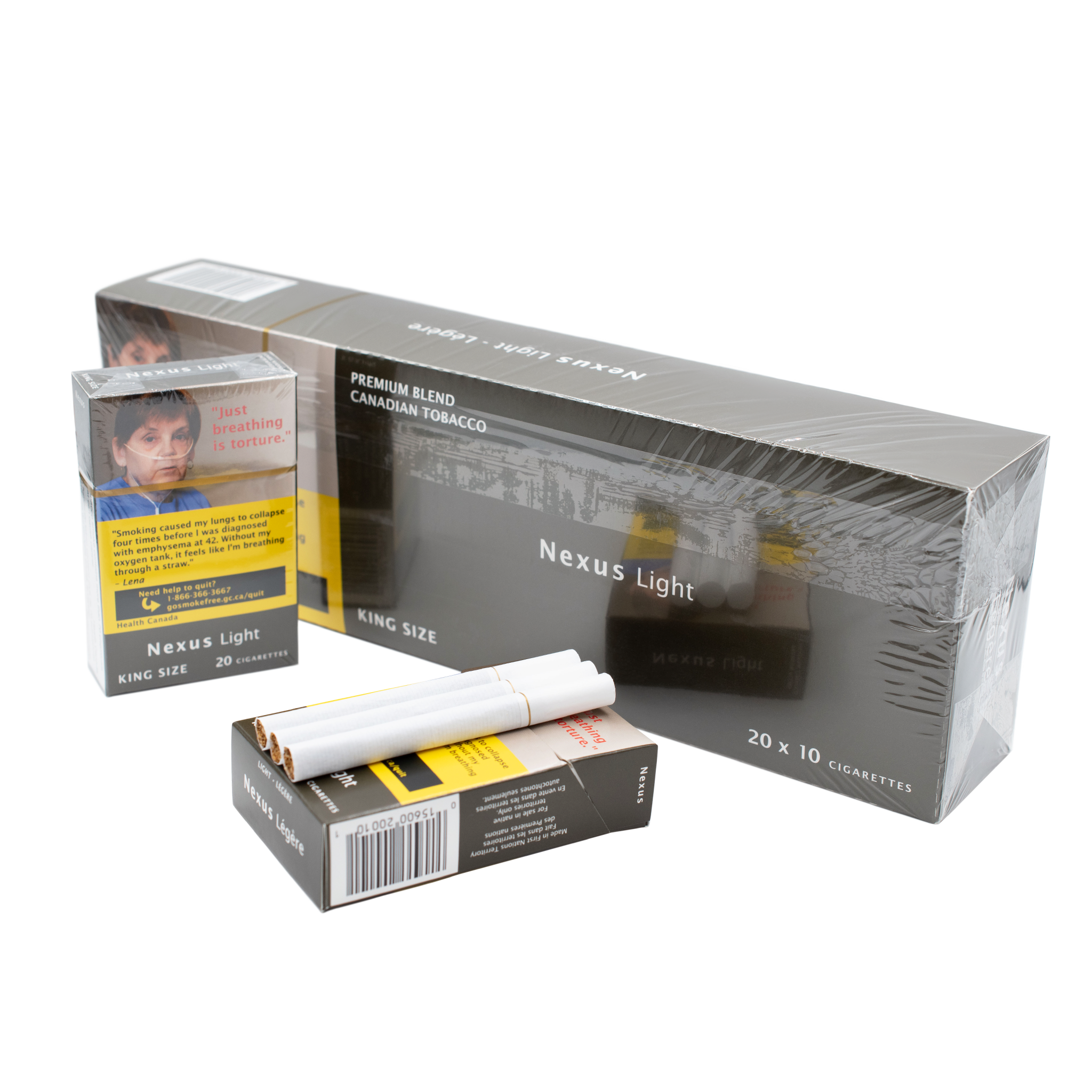


Buy Cigarettes Online Canada – Keep Your Home Smoke‑Free, Your Pets Safe
❌ Common Myths About Pets & Smoke
- Myth: “Opening a window is enough.” – Fact: Smoke particles linger in carpets, furniture, and pet fur. Ventilation helps but doesn’t eliminate thirdhand smoke.
- Myth: “My pet seems fine, so it’s probably okay.” – Fact: Cancers and respiratory diseases take years to develop. By the time symptoms appear, the damage is done.
- Myth: “Only cigarette smoke is dangerous – vaping is fine.” – Fact: Vaping aerosol still contains nicotine and fine particles that can irritate pet lungs. Keep it away from animals.
📋 Quick Pet‑Safety Checklist for Smokers
- ☑️ Never smoke inside the house or car
- ☑️ Wear a smoking jacket stored away from pets
- ☑️ Wash hands and face after smoking before touching pets
- ☑️ Keep cigarettes, lighters, and ashtrays locked up
- ☑️ Steam clean carpets and pet bedding monthly
- ☑️ Use HEPA air purifiers in rooms where pets spend time
- ☑️ Order native cigarettes from Cigstore.ca – affordable enough that you don’t need to cut corners on safety
Recommended Reading
Your pets trust you to keep them safe. Smoke responsibly – and affordably – with native cigarettes from Cigstore.ca.
$29 flat shipping under $290. Free shipping over $290. All cartons contain 10 packs of 20 cigarettes (200 total) unless noted.
Shop Native Cigarettes →