
Smoking and Male Fertility: The Numbers, Research & Honest Truth
No Panic, Just Facts — What the Largest Studies Actually Say
🧬🚬 This isn’t a scare article. It’s a data-driven look at what smoking actually does to male fertility — based on peer-reviewed studies involving over 10,000+ men. The short answer: yes, smoking affects fertility. But the “how” and “how much” matter. This article breaks down the numbers on sperm count, motility, morphology, DNA integrity, and what happens when you quit.
📊 The Big Picture: What the Largest Studies Found
A landmark meta-analysis published in BMC Public Health pooled data from 16 studies with 10,823 infertile male participants (5,257 smokers vs. 5,566 non-smokers) [citation:1]. Here’s what they found:
- 29% higher risk of low sperm count (oligozoospermia) in smokers (RR: 1.29, 95% CI: 1.05-1.59) [citation:1].
- Significant increase in sperm morphological defects — including head, neck, and tail abnormalities [citation:1].
- No significant effect on sperm pH or motility in this specific infertile population [citation:1].
- No hormonal imbalances detected — meaning LH, FSH, and testosterone levels were not significantly different between smokers and non-smokers in this analysis [citation:1].
This is important: the primary damage appears to be to sperm count and shape, not necessarily to the hormonal systems that produce them.
📈 Dose Matters: The More You Smoke, The Worse It Gets
A 2016 meta-analysis of 20 studies with 5,865 participants found clear dose-dependent relationships [citation:6]:
- Sperm count reduction: -9.72 million/mL on average (95% CI: -13.32 to -6.12) [citation:6].
- Sperm motility reduction: -3.48% (95% CI: -5.53 to -1.44) [citation:6].
- Normal morphology reduction: -1.37% (95% CI: -2.63 to -0.11) [citation:6].
The key finding: Effect sizes were significantly larger in moderate/heavy smokers compared to light smokers [citation:6]. This means reducing your intake may reduce fertility damage — it’s not all-or-nothing.
🧬 The Hidden Damage: Sperm DNA Fragmentation
Beyond count and shape, smoking damages the genetic integrity of sperm. A 2023 population-based study of 1,222 young men found [citation:4]:
- Heavy smokers (>10 cigarettes/day) showed a significant increase in sperm DNA fragmentation compared to non-smokers (p < 0.05) [citation:4].
- Decreased semen volume, total sperm count, and concentration in heavy smokers [citation:4].
- Reduced serum and seminal zinc levels — zinc is critical for sperm development [citation:4].
DNA fragmentation is particularly important because it affects fertilization rates and embryo development — even if sperm count appears normal. A 2025 study confirmed that smoking “significantly disrupts sperm DNA integrity, contributing to male infertility” [citation:10].
⚖️ Hormones: The Complicated Picture
Research on hormones is inconsistent. Some studies show elevated testosterone in smokers; others show decreases. The large meta-analysis cited above found no significant hormonal differences between smokers and non-smokers [citation:1]. A 2023 study found heavy smokers had reduced serum testosterone (p < 0.05) in certain ethnic groups [citation:4].
What this means: Hormonal effects appear to be less consistent than direct testicular damage. The primary mechanism is likely direct toxicity to the testes from cadmium, lead, and nicotine metabolites — not hormonal disruption [citation:4].
✅ The Good News: Recovery Is Possible
A 2019 study of 1,631 healthy fertile men found something encouraging [citation:8]:
- Former smokers who had quit showed no significant differences in semen quality compared to never smokers [citation:8].
- The detrimental effects of smoking were not seen in men who had stopped smoking [citation:8].
- This suggests smoking cessation can have a restorative effect on semen quality [citation:8].
Russian public health guidelines note that “in general, after quitting a bad habit, fertility improves in both women and men. For some parameters, improvements are seen within weeks or months, and for some within a year. The condition of the ovaries and the quality of male sperm improve after three months” [citation:9].
👶 For Future Fathers: Effects on Children
A 2025 systematic review (30 studies) examined how parental smoking affects offspring reproductive health [citation:2]. Key findings for male offspring whose fathers smoked:
- 30-40% reduction in sperm production in male offspring [citation:2].
- Decreased testicular size and impaired hormonal biosynthesis [citation:2].
- Dual-parental smoking exacerbates effects: sperm counts averaged 85 million/mL in offspring from dual-smoking households vs. 111 million/mL from single-smoking households [citation:2].
- 3.8-fold increased risk of urogenital disorders (cryptorchidism, hypospadias) in male offspring [citation:2].
This means that smoking before conception (paternal smoking) can affect your future children’s fertility. The mechanism appears to involve epigenetic changes in sperm that are passed down [citation:2].
🎯 Practical Takeaways: What This Means For You
- If you’re trying to conceive: The evidence strongly suggests quitting or reducing smoking improves fertility. Studies show recovery within 3-12 months after cessation [citation:8][citation:9].
- If you’re not ready to quit: Reducing intake helps — the dose-dependent effect means lighter smoking causes less damage [citation:4][citation:6].
- If you’re concerned about past smoking: Former smokers show no significant difference in semen quality compared to never smokers [citation:8]. The body can recover.
- If you’re planning a family in the future: Quitting at least 3 months before trying to conceive aligns with the sperm maturation cycle (approximately 74 days).
📌 Honest Summary (No Spin)
Does smoking affect male fertility? Yes — primarily through reduced sperm count, increased morphological defects, and DNA fragmentation [citation:1][citation:4][citation:6].
How much? Effect sizes are moderate but clinically significant — roughly 30% higher risk of low sperm count for smokers, with dose-dependent worsening [citation:1][citation:6].
Is it reversible? Largely yes. Former smokers show semen quality comparable to never smokers [citation:8]. Recovery takes months, not years.
Does this mean every smoker is infertile? Absolutely not. Many smokers father children without issue. But on a population level, smoking reduces fertility odds and increases time-to-pregnancy.
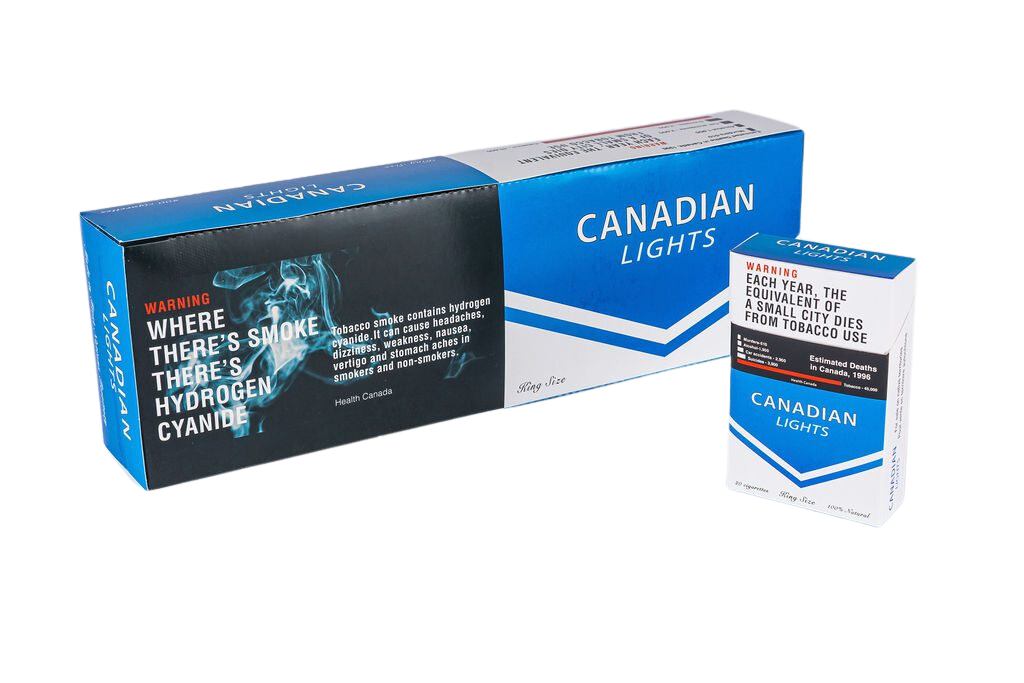
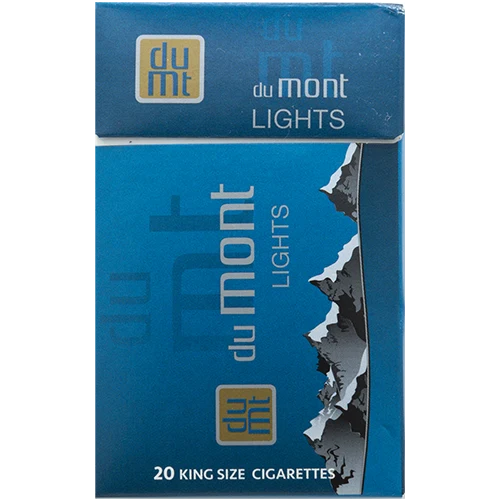
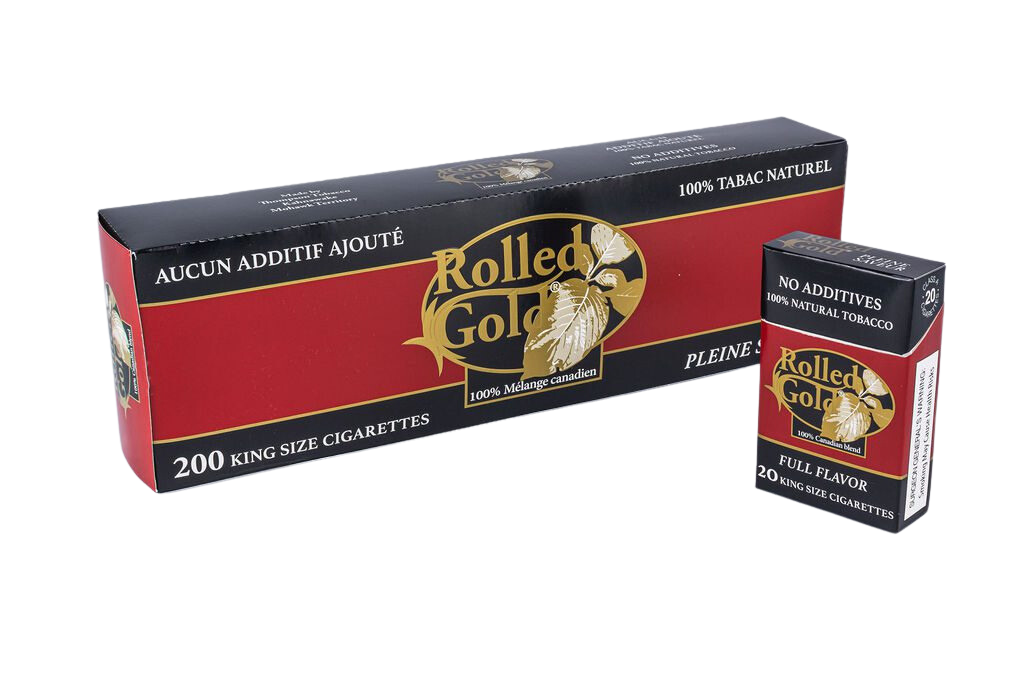
🛒 Popular Native Cigarettes on Cigstore.ca
Affordable cartons for Canadian smokers — whether you’re cutting down, switching, or just stocking up.


📚 You Might Also Find These Articles Interesting
Smoking and Appetite
How nicotine affects hunger and metabolism.
Smoking and Vision
Another way smoking affects your body.
Menthol & Male Potency
How menthol cigarettes affect erectile function.
Are Native Cigarettes Less Harmful?
What the science actually says.
Smoking & Dental Health
Oral health effects of long-term smoking.
🚚 Fast & Reliable Shipping Across Canada
$29 flat shipping on all orders under $290
Free shipping on orders $290 or more – anywhere in Canada
📦 Shipped via Canada Post, Purolator, FedEx, or UPS – carrier selected based on your location for fastest delivery.
Age verification required upon delivery (19+). Indigenous-owned – rooted in tradition, delivered with trust.
📦 Knowledge is power. Smoke smarter.
Whether you’re cutting down, quitting, or just want affordable native cigarettes — Cigstore.ca has you covered. $29 flat shipping. FREE over $290.
🛒 Shop Native Cigarettes →References: Bundhun PK, et al. BMC Public Health. 2019 [citation:1]; Azizbayli Y, et al. Int J Transl Med. 2025 [citation:2]; Shilova NV, et al. Front Endocrinol. 2023 [citation:4]; Sharma R, et al. Eur Urol. 2016 [citation:6]; Tang Q, et al. Environmental Epidemiology. 2019 [citation:8]; Karabat MU, et al. Int J Morphol. 2025 [citation:10].