
How Cigarettes Entered Canadian Prisons
The History of Prison Tobacco — From Currency to Contraband
🔒🚬 In the outside world, a pack of cigarettes costs $15–$20. Behind bars in a Canadian federal penitentiary during the early 2000s, that same pack could cost you $30 — or a favour you couldn’t take back. Tobacco has been the most valuable currency in prison economies for decades, driving trafficking, violence, prostitution, and even hunger strikes. This article traces the history of cigarettes in Canadian prisons: from legal canteen item to black-market gold, through the smoking bans of 2008, and into the modern era of nicotine patches and drone drops.
💰 The Golden Age: Tobacco as Prison Currency
For decades, tobacco was the de facto currency of Canadian prisons. It was legal, purchasable at the canteen, and universally desired. A 2007 study of federal offenders in Ontario found that tobacco was used as a wagering currency by 28.6% of inmates who gambled [citation:4].
But tobacco wasn’t just for gambling. It bought:
- Protection from other inmates
- Favours — laundry, cleaning, commissary runs
- Information — tips about prison politics
- Sexual acts — in some facilities, cigarettes became a medium for prostitution [citation:1]
📦 The 1990s: Contraband Boom and Corporate Involvement
Before prisons went smoke-free, Canada faced a massive contraband cigarette crisis — and some of those smuggled cigarettes ended up behind bars. In the early 1990s, Canadian cigarette taxes were so high that a thriving black market emerged, centered on the Akwesasne Mohawk Reservation, which straddles the US-Canada border [citation:3].
According to a Los Angeles Times investigation, major tobacco companies knowingly supplied this black market [citation:3]:
- RJR-MacDonald (maker of Export A) created a separate company, Northern Brands International (NBI), specifically to feed the contraband market [citation:3].
- By 1993, 5 billion of the 8 billion cigarettes produced by RJR-MacDonald were sold through NBI to black-market suppliers and then smuggled back into Canada [citation:3].
- The company made a weekly profit of $1.2 to $1.3 million from contraband sales [citation:3].
- An internal Imperial Tobacco letter admitted that “smuggled cigarettes due to exorbitant tax levels represent nearly 30 percent of total sales in Canada” [citation:3].
The federal government eventually slashed tobacco taxes in 1994 — a dramatic reversal that public health advocates condemned — because the smuggling problem had spiraled completely out of control [citation:3][citation:7].
🚭 The Bans Begin: 2000–2008
📅 Ontario Provincial Jails (2000)
Ontario was the first province to aggressively phase out smoking in its correctional facilities. The results were immediate and explosive [citation:5][citation:9]:
- Black market prices skyrocketed — A single pack reached $30 in Toronto-area jails by July 2000 [citation:5][citation:9].
- Hunger strikes erupted — 60 inmates at Metro West Detention Centre in Mississauga went on hunger strike to protest the ban [citation:5].
- Riot broke out at Whitby Jail — Inmates demanded cigarettes during negotiations with police and got their wish [citation:9].
- Barbara Hill of the John Howard Society warned: “Higher prices can mean higher debts… if inmates can’t pay their debts it often leads to violence” [citation:9].
📅 Quebec Provincial Jails (2008)
Quebec tried to ban smoking entirely in February 2008 — but backed down just three days later. The government feared “disorder” associated with depriving detainees of tobacco [citation:1].
Instead, Quebec restricted smoking to outdoor courtyards for about one hour per day [citation:1]. But a study found this policy didn’t reduce tobacco use — it just created new problems:
- Cigarette trafficking exploded — The black market price rose from $11 to $18 per pack [citation:1].
- Intimidation increased — Non-smokers were pressured to buy and traffic cigarettes for smokers [citation:1].
- Even prostitution emerged — Inmates told researchers that some prisoners traded sex for cigarettes [citation:1].
Lead researcher Serge Brochu concluded: “The rule has increased tension in the prisons” [citation:1].
🔒 The Federal Ban: May 5, 2008
On May 5, 2008, the Correctional Service of Canada (CSC) imposed a total smoking ban in all federal correctional facilities [citation:2][citation:6]. The transition was controversial and expensive:
- CSC spent $1 million nationwide on cessation aids — nicotine gum, patches, and “quit smoking” courses [citation:8].
- In Atlantic Canada alone, prisons handed out $25,000 worth of carrot sticks and popcorn to help inmates cope with cravings [citation:8].
- Inmates at the Atlantic Institution in Renous, NB — a maximum-security prison — devoured $17,000 worth of popcorn and carrot sticks in the first three months after the ban [citation:8].
The ban fundamentally changed the prison economy. A 2013 study found that the use of tobacco as gambling currency dropped from 28.6% to just 2.3% after the ban [citation:4]. But the void was filled by money wagers — and researchers noted that “gambling inside has become more serious” since tobacco disappeared [citation:4].
📦 Life After the Ban: The Contraband Trade Persists
Even with a total federal ban, tobacco continued to enter prisons. Smuggling became more sophisticated — and more profitable. Here are three documented seizures from federal penitentiaries:
Notice the pattern: When tobacco is banned, nicotine itself becomes contraband. Nicotine patches — designed to help people quit — were being smuggled into Dorchester with an institutional value of $200 per patch (versus about $2 on the outside) [citation:10].
As one inmate told researchers: “Where there’s demand, there’s a market. You can’t legislate addiction away” [citation:1].
🗺️ Provincial Variation: Not All Prisons Are Smoke-Free
Despite the federal ban in 2008, provincial prisons have different rules. As of 2010 (the most recent comparative data available):
- Quebec — Still allowed smoking in designated outdoor courtyards [citation:1].
- Northwest Territories — Also allowed smoking in provincial facilities [citation:1].
- All other provinces — Had implemented full or near-full smoking bans by 2010.
This patchwork of policies means that contraband trafficking continues — especially across provincial lines and between federal and provincial systems.
💔 The Human Cost: Violence, Debt, and Exploitation
The black market for prison tobacco isn’t victimless. Researchers and correctional staff have documented serious collateral damage:
- Violence — Inmates who can’t pay tobacco debts face intimidation and assault [citation:1][citation:5].
- Prostitution — Some inmates reported trading sexual favours for cigarettes [citation:1].
- Intimidation of non-smokers — Non-smoking inmates were pressured into buying and trafficking cigarettes [citation:1].
- Debt cycles — With black market packs reaching $30, inmates went deep into debt, creating obligations that could take months to repay [citation:5].
As one criminologist put it: “The rule has incited detainees with few financial resources to commit illegal acts to maintain their tobacco usage” [citation:1].
📌 Honest Summary
How did cigarettes become prison currency? Through a combination of universal demand, scarcity, and the complete absence of legitimate economic activity behind bars.
Did smoking bans eliminate tobacco use in prisons? No. Bans simply drove the market underground, increased prices, created more violence, and didn’t significantly reduce smoking rates [citation:1].
Are cigarettes still in prisons today? Yes — as contraband. Their institutional value has only increased since the 2008 federal ban. Nicotine patches have also become a black-market commodity [citation:10].
The bottom line: You can ban smoking in a prison, but you can’t ban addiction. And where addiction exists, a black market will follow — complete with all the violence and exploitation that markets in prohibited goods create.
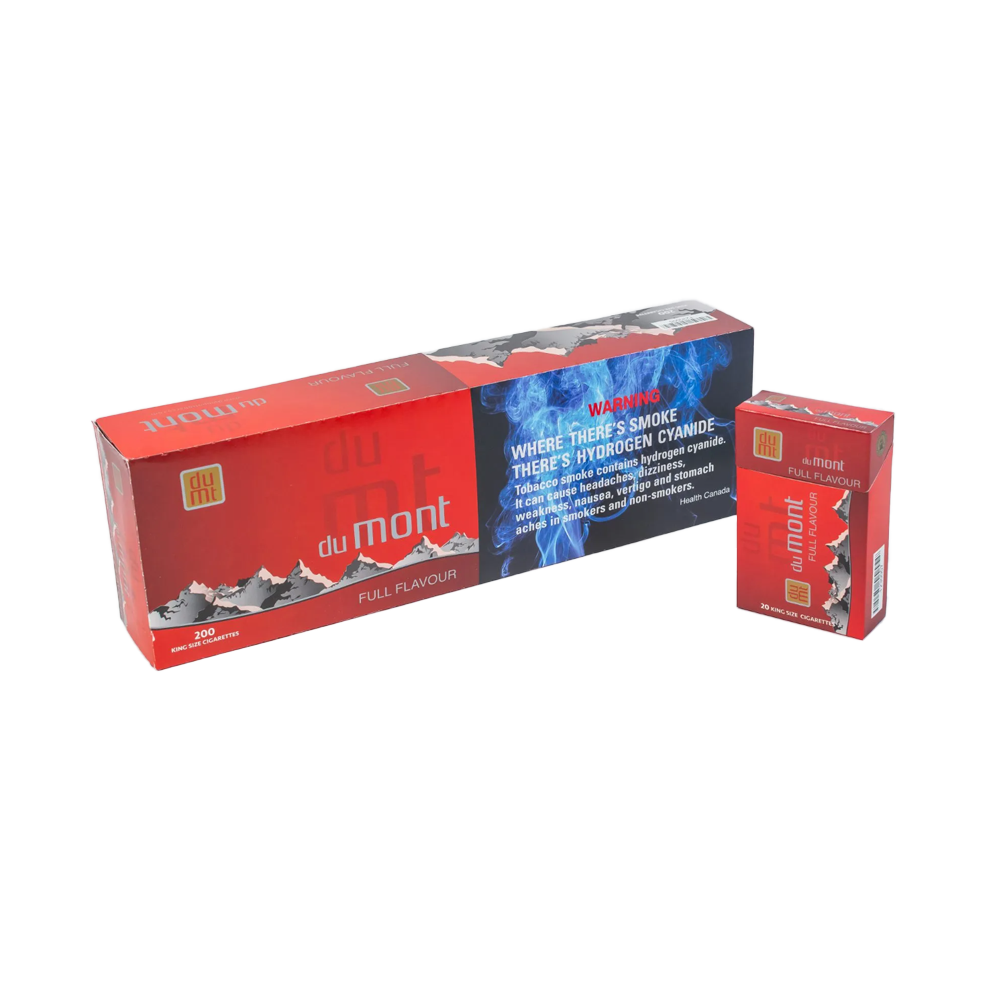
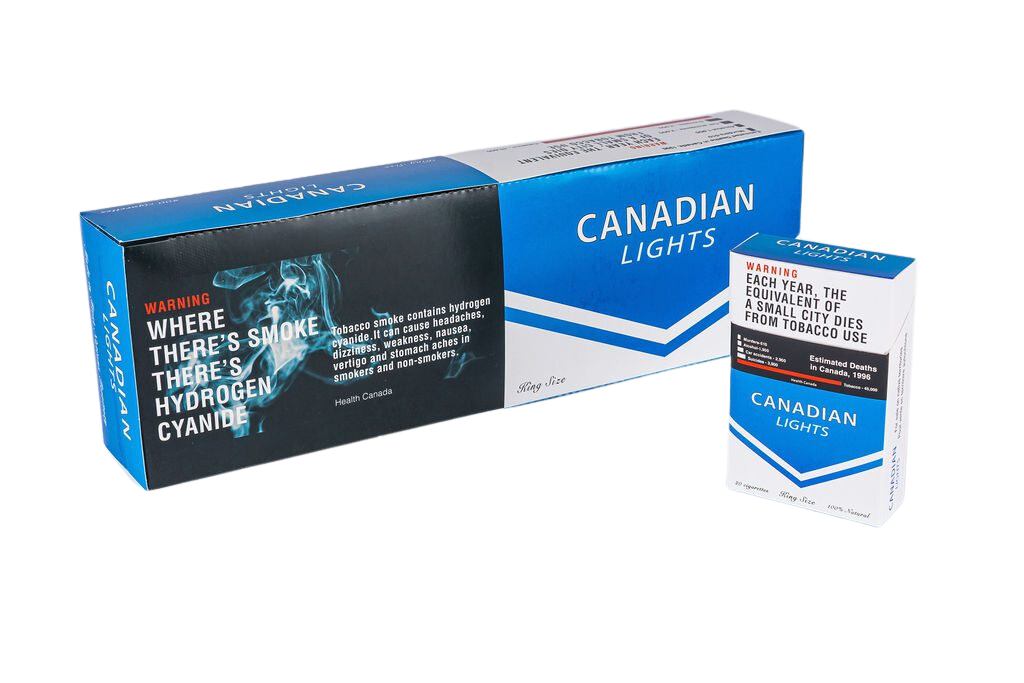
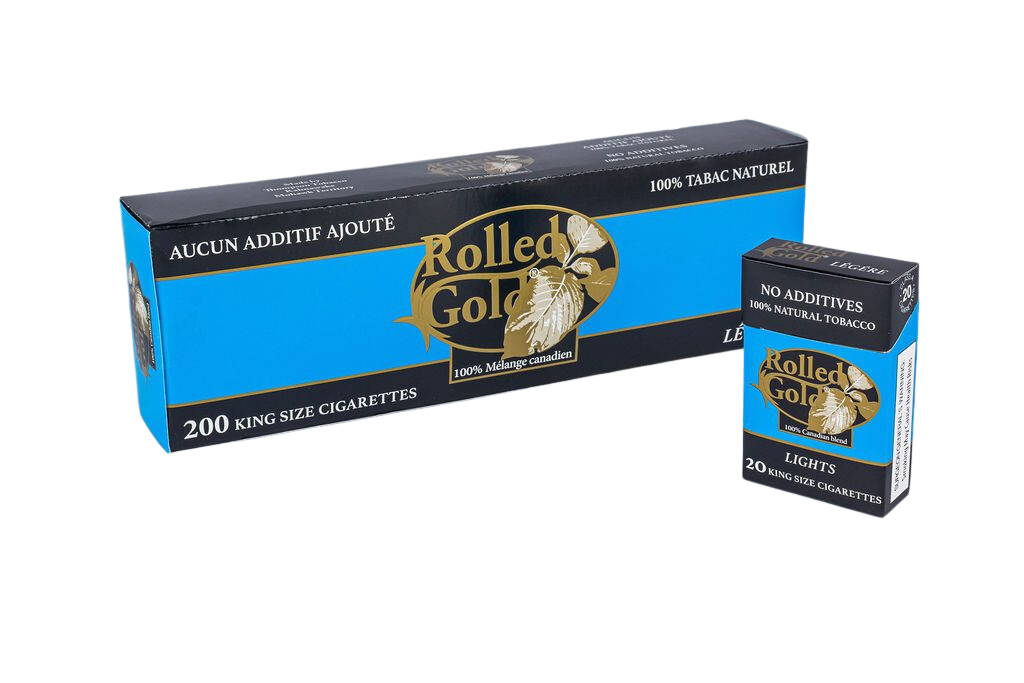
🛒 Popular Native Cigarettes on Cigstore.ca
Unlike the prison economy, our prices are transparent and affordable — starting at just $29 per carton.


📚 You Might Also Find These Articles Interesting
Why Native Cigarettes Are Cheaper
The tax and treaty origins of affordable tobacco.
The 1994 Tax Cut
How the government lowered taxes to fight smuggling — and created the native cigarette market.
The Illicit Tobacco Market
How contraband cigarettes affect legal sales.
Why We Don’t Ship to the US
The legal and tax reasons behind cross-border restrictions.
Is It Legal to Buy Native Cigarettes Online?
A lawyer-reviewed guide to native cigarette legality.
🚚 Fast & Reliable Shipping Across Canada
$29 flat shipping on all orders under $290
Free shipping on orders $290 or more – anywhere in Canada
📦 Shipped via Canada Post, Purolator, FedEx, or UPS – carrier selected based on your location for fastest delivery.
Age verification required upon delivery (19+). Indigenous-owned – rooted in tradition, delivered with trust.
🔒 No black market prices here.
Legal, affordable native cigarettes delivered to your door — $29 flat shipping, free over $290. No favours required.
🛒 Shop Native Cigarettes →Sources: Toronto Star (2010 study on Quebec prisons) ; Los Angeles Times (2002 investigation into RJR-MacDonald smuggling) ; Correctional Service Canada seizure reports ; NIH PubMed study on prison gambling currency ; CBC News (2008 snack program) ; Ottawa Citizen (2000 Ontario ban) .