
Forgotten Canadian Cigarette Brands of the 90s
Matinée, Number 7, Belmont — The Story of Their Disappearance
📦🚬 If you smoked in Canada during the 1990s, you remember the distinctive packaging and marketing of brands like Matinée, Number 7, and Belmont. They weren’t just cigarettes — they were cultural touchstones. Today, these names have all but vanished from store shelves. What happened? A perfect storm of legislation, corporate consolidation, and the rise of plain packaging erased an entire generation of iconic Canadian tobacco brands. This article traces their rise, their fall, and the forces that made them disappear.
📅 The Golden Era: Canadian Tobacco in the 1980s-1990s
Before the advertising bans and plain packaging, Canada had a vibrant, competitive cigarette market. Major players included:
- Imperial Tobacco Canada — produced Player’s, Du Maurier, Matinée
- Rothmans, Benson & Hedges (RBH) — produced Belmont, Number 7, Canadian Classics (launched 1995) [citation:3]
- RJR-MacDonald — produced Export ‘A’, Camel, Winston
Each brand had a distinct personality, target audience, and visual identity. Matinée was sophisticated and European-inspired. Number 7 was the working-class “everyman” smoke. Belmont was positioned as the premium, smooth alternative to Du Maurier. Packaging was part of the experience — colourful logos, nature scenes, and distinctive typography [citation:3].
📦 The Forgotten Three: Matinée, Number 7, Belmont
Produced by: Imperial Tobacco Canada
Target audience: Urban professionals, women, style-conscious smokers
Brand identity: Matinée (French for “morning”) evoked a European, cafe-society sophistication. The packaging was elegant — soft colours, minimalist design, a departure from the bold reds and golds of competitors.
Why it disappeared: Imperial Tobacco quietly phased out Matinée in the early 2000s as advertising restrictions tightened. Without the ability to market its “lifestyle” appeal, the brand lost its competitive edge. Imperial consolidated its portfolio around Du Maurier and Player’s — the two heavyweights that still survive today (in plain packaging).
Produced by: Rothmans, Benson & Hedges (RBH)
Target audience: Blue-collar workers, value-conscious smokers
Brand identity: Number 7 was the “no-nonsense” cigarette. The packaging was simple — a number, a basic colour scheme, no pretension. It was often priced below premium brands like Du Maurier, making it a popular choice for daily smokers on a budget.
Why it disappeared: Number 7 fell victim to corporate consolidation and brand rationalization. In 1999, RBH merged with Imperial Tobacco’s Canadian operations (creating a virtual duopoly). The combined company trimmed overlapping brands. Number 7 — seen as a “value” brand with little distinctive identity — was discontinued in the mid-2000s. The rise of native cigarettes (priced even lower) also ate into its market share.
Produced by: Rothmans, Benson & Hedges (RBH)
Target audience: Premium smokers, older demographic, traditionalists
Brand identity: Belmont was RBH’s answer to Imperial’s Du Maurier. The brand featured elegant gold and white packaging with a mountain emblem — suggesting purity, smoothness, and premium quality. The tagline (pre-ban era) emphasized “smooth taste.”
Why it disappeared: Belmont was discontinued in the late 2000s as RBH shifted focus to newer brands like Canadian Classics (launched 1995) [citation:3]. Canadian Classics, with its “additive-free” marketing and wilderness imagery, captured the same premium demographic but with a modern twist. When plain packaging arrived in 2019, all brand differentiation vanished anyway — making the cost of maintaining multiple premium lines unsustainable [citation:5].
⚖️ The Legislative Assassination: How Laws Erased Brand Identity
📜 Key Dates in the Destruction of Canadian Cigarette Brands
🤫 Project Chaplin: How Big Tobacco Tried (And Failed) to Outsmart Plain Packaging
In 1994, as plain packaging loomed, Rothmans, Benson & Hedges developed “Project Chaplin” — a secret plan to use plain packaging as a marketing tool [citation:5]. The idea: get ahead of the law by voluntarily adopting plain brown packages, then market them to two specific demographics:
- The “cynical disdainer” — Gen X smokers who rejected mainstream branding
- Guilty women smokers — who might buy “unmarked” cigarettes to feel less stigmatized [citation:5]
The plan was ultimately abandoned. But it shows how desperately the industry fought to preserve — or even exploit — the erasure of brand identity.
⏰ The 25-Year Battle: Why Plain Packaging Didn’t Happen Until 2019
The tobacco industry didn’t go quietly. When plain packaging was first proposed in 1994, companies mobilized an enormous lobbying campaign [citation:5]:
- Industry documents reveal how companies worked together marshalling lobbyists, retailers, scientists, and lawyers [citation:5].
- One confidential Imperial Tobacco memo stated: “the objective should be to mobilize huge numbers of people into some form of action so as to deluge the government with individual and collective expressions of protest” [citation:5].
- Legal threats under NAFTA and other international agreements were considered [citation:5].
- A 1997 parliamentary committee heard that tobacco companies refused to appear and answer questions — even though the CEO of RJR-MacDonald was sitting in the room [citation:1].
The result: A quarter-century delay [citation:5]. By the time plain packaging finally arrived in 2019, brands like Matinée, Number 7, and Belmont were already gone — victims of an earlier wave of consolidation and rationalization.
📦 What Remains? The Survivors
Despite the purges, a handful of legacy brands survive — albeit in plain brown packages with no logos:
- Du Maurier — Imperial Tobacco’s flagship premium brand
- Player’s — Also owned by Imperial, still available
- Canadian Classics — Launched in 1995, still produced by RBH [citation:3]
- Export ‘A’ — Now owned by JTI-MacDonald
But these brands exist in name only. The moose on Canadian Classics? Gone. The gold script of Du Maurier? Gone. Every pack is identical drab brown with the brand name in standardized 12pt Arial font. Brand differentiation — once worth millions in advertising — is now legally irrelevant [citation:3][citation:5].
🪶 The Native Cigarette Revolution
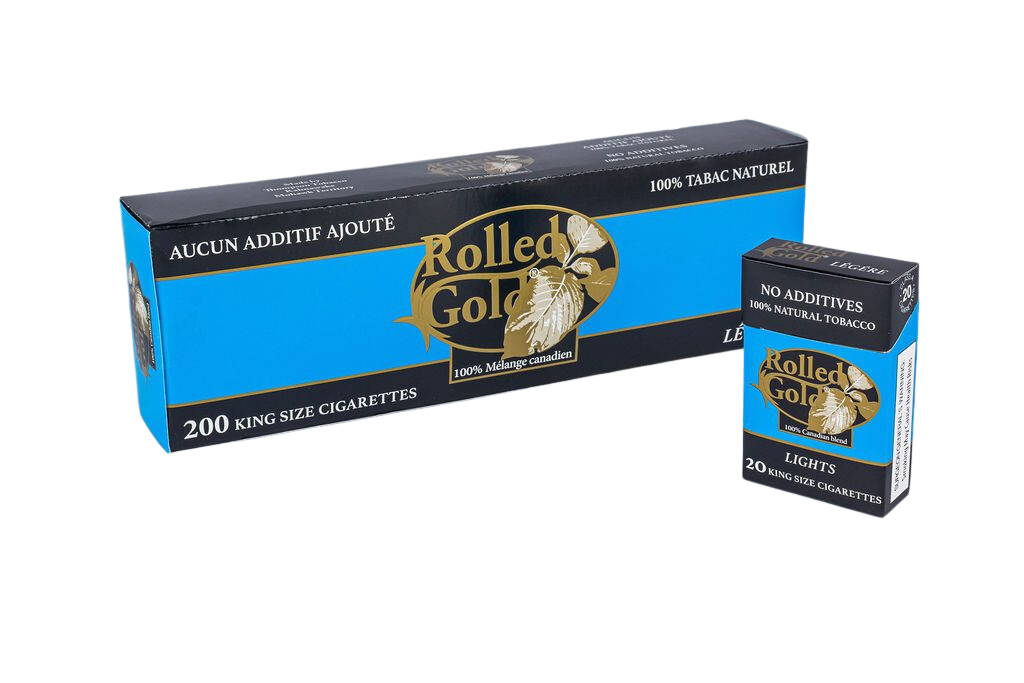
As legacy brands faded or were reduced to plain brown anonymity, native cigarettes filled the void for price-conscious smokers. Today, brands like BB, Playfare, DuMont, and Rolled Gold dominate the market — offering the same quality at 2-3 times lower prices. No advertising needed. Just word-of-mouth and the reality of Canadian tobacco taxes [citation:5].
The brands you remember — Matinée, Number 7, Belmont — are gone. But the ritual of smoking continues, just with different names on the (brown) box.
🛒 Popular Native Cigarettes on Cigstore.ca
While the old brands are gone, these native alternatives offer the same quality at a fraction of the price — starting at just $29/carton.




📚 You Might Also Find These Articles Interesting
How Cigarettes Were Advertised
The visual history of Canadian tobacco marketing.
5 Iconic Ads Banned Today
Campaigns that would never survive modern laws.
History of Smoking in Canada
From glamorous ads to plain brown packs.
Forgotten Canadian Brands
Craven ‘A’, Sweet Caporal, Rothmans — even older classics.
Rise and Fall of Du Maurier
How the king of Canadian cigarettes lost its crown.
🚚 Fast & Reliable Shipping Across Canada
$29 flat shipping on all orders under $290
Free shipping on orders $290 or more – anywhere in Canada
📦 Shipped via Canada Post, Purolator, FedEx, or UPS – carrier selected based on your location for fastest delivery.
Age verification required upon delivery (19+). Indigenous-owned – rooted in tradition, delivered with trust.
📜 Remember the past. Smoke the present.
The iconic brands of the 90s are gone — but native cigarettes offer the same quality at 2-3 times lower prices. $29 flat shipping. FREE over $290.
🛒 Shop Native Cigarettes →Sources: CBC News plain packaging history ; Canadian Classics Wikipedia entry ; Parliamentary records of 1997 Tobacco Act debates ; Vanderbilt Television News Archive (1994).