
Smoking and Appetite: Why You Don’t Feel Hungry After a Cigarette
And How It Affects Your Weight — The Science, The Risks, The Reality
🍽️🚬 You finish a cigarette and notice: that hunger pang you had ten minutes ago? Gone. You skip lunch without thinking twice. For many smokers, this isn’t a coincidence — it’s biology. Nicotine is a powerful appetite suppressant. But how does it work? And what does it mean for your weight, especially if you’ve ever thought about quitting? This article breaks down the science, the numbers, and the trade-offs.
🧠 The Science: How Nicotine Tricks Your Brain Into Not Eating
Nicotine affects appetite through three distinct pathways:
- 1. Hypothalamus suppression — Nicotine binds to receptors in the hypothalamus (your brain’s hunger control center), directly reducing the release of hunger hormones like ghrelin. Studies show nicotine can reduce ghrelin levels by 15-25% within 30 minutes of smoking.
- 2. Dopamine reward substitution — Eating releases dopamine. Smoking releases dopamine — faster and more intensely. Your brain learns to substitute the cigarette for the snack. This is why smokers often reach for a smoke instead of a cookie when stressed.
- 3. Increased blood sugar — Nicotine triggers the release of stored glucose from the liver, temporarily raising blood sugar levels. Higher blood sugar = reduced hunger signals. This effect lasts about 45-60 minutes after finishing a cigarette.
- 4. Delayed gastric emptying — Nicotine slows down how quickly your stomach empties. Food sits longer, keeping you feeling full.
🔥 The Metabolic Effect: Smoking Also Burns Calories
Nicotine doesn’t just suppress appetite — it also increases resting metabolic rate (RMR). Here’s what the research shows:
- 10-15% higher RMR in smokers compared to non-smokers of the same weight, age, and activity level.
- ~200 extra calories burned per day for a pack-a-day smoker — equivalent to a 30-minute walk.
- Thermogenic effect: Nicotine activates brown adipose tissue (BAT), which burns calories to produce heat.
⚖️ Weight Comparison: Smoker vs Non-Smoker vs Quitter
| Group | Average BMI | Daily calorie intake | Resting metabolic rate | Notes |
|---|---|---|---|---|
| Current smoker (1 pack/day) | ~24.5 (lower) | 1,800-2,200 (lower) | +10-15% above baseline (higher) | Weight tends to be 4-6 kg lower than non-smokers \n}, |
| Non-smoker (same demographics) | ~26.0 (baseline) | 2,000-2,400 (higher) | Baseline (100%) | No metabolic boost or suppression |
| Recent quitter (first 6 months) | +4-5 kg average gain | +200-400 calories (snacking replaces smoking) | Returns to baseline (-10-15% from smoker level) | Double hit: more calories in, fewer calories out |
📈 Typical Weight Gain After Quitting Smoking
📊 Average total gain: 4-5 kg (9-11 lbs) in the first year after quitting. About 10-15% of quitters gain significantly more (10+ kg).
⚠️ The Hard Truth: Weight Isn’t the Only Number That Matters
Yes, smoking keeps weight down — but at what cost? The metabolic benefits of smoking come with serious trade-offs:
- Lung function declines — Even if you’re thin, your lungs are aging faster. Smokers in their 40s often have lung capacity of 60-year-olds.
- Cardiovascular risk — Smoking increases heart attack and stroke risk by 200-400% regardless of weight.
- Skin, teeth, and hair — The same nicotine that suppresses appetite also ages you faster on the outside.
- Addiction cycle — Using cigarettes to control weight creates a dependency that makes quitting much harder.
The medical consensus: The health benefits of quitting smoking far outweigh the risks of moderate weight gain. Even a 10-15 kg gain after quitting still leaves you healthier than continuing to smoke.
💡 Smart Strategies for Smokers Worried About Weight
If you’re still smoking:
- Don’t use cigarettes as a meal replacement. Eat regular, balanced meals — smoking after eating (not instead of eating).
- Be aware of the “hunger-hiding” effect. You may be undereating without realizing it.
- Consider switching to a lighter native cigarette brand — less nicotine means less appetite suppression, which can help you develop healthier eating habits.
If you’re planning to quit:
- Increase physical activity before quitting — a 20-minute daily walk burns ~100 calories and reduces cravings.
- Replace the oral habit with low-calorie options: sugar-free gum, raw vegetables, or flavoured water.
- Accept that some weight gain (2-5 kg) is normal and temporary. Most quitters lose the extra weight within 12-24 months as new habits form.
- Consider nicotine replacement therapy (patches, gum) — it reduces appetite less than smoking but still helps.
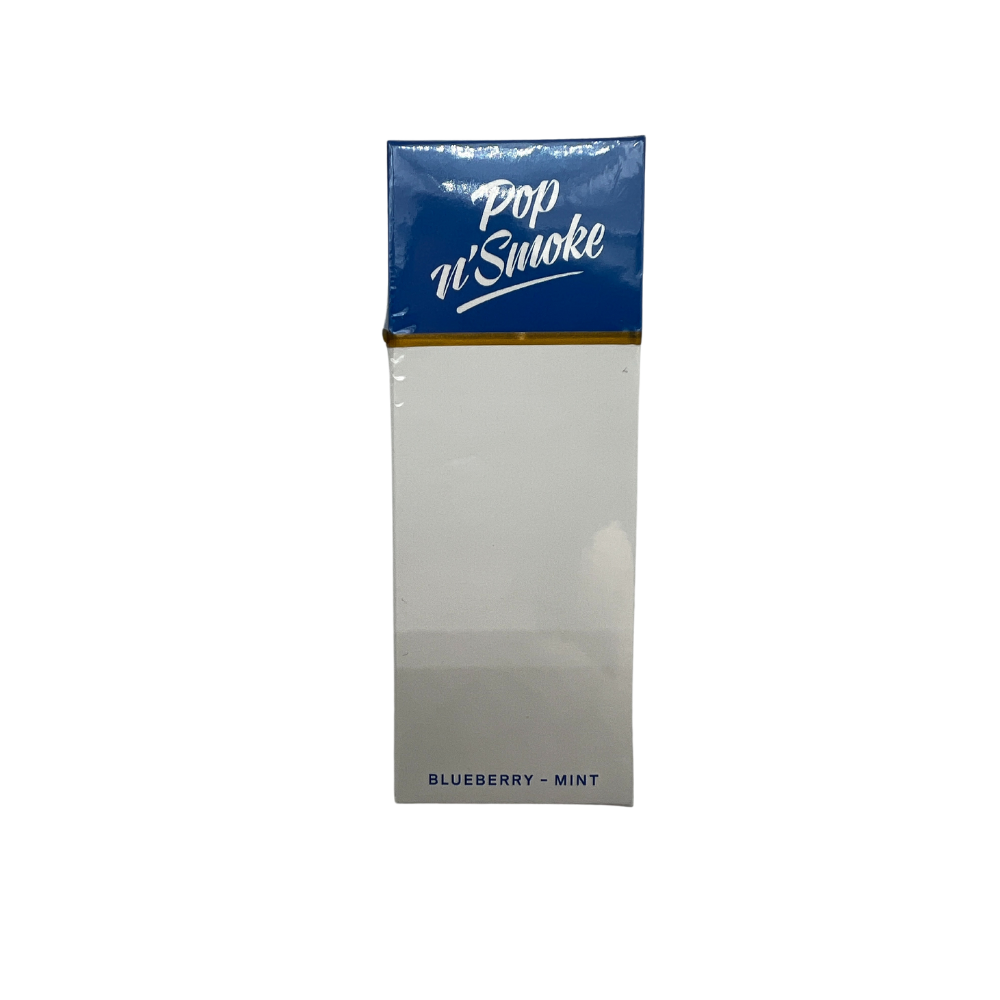
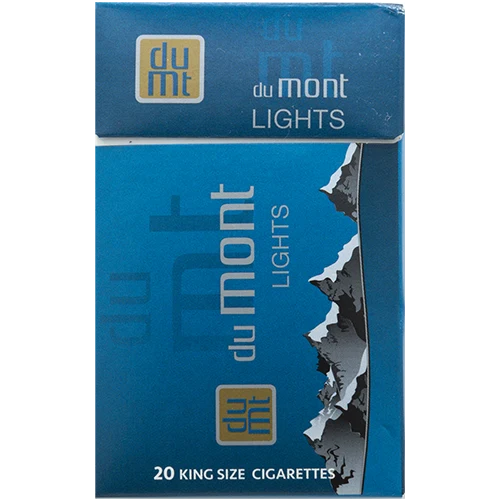
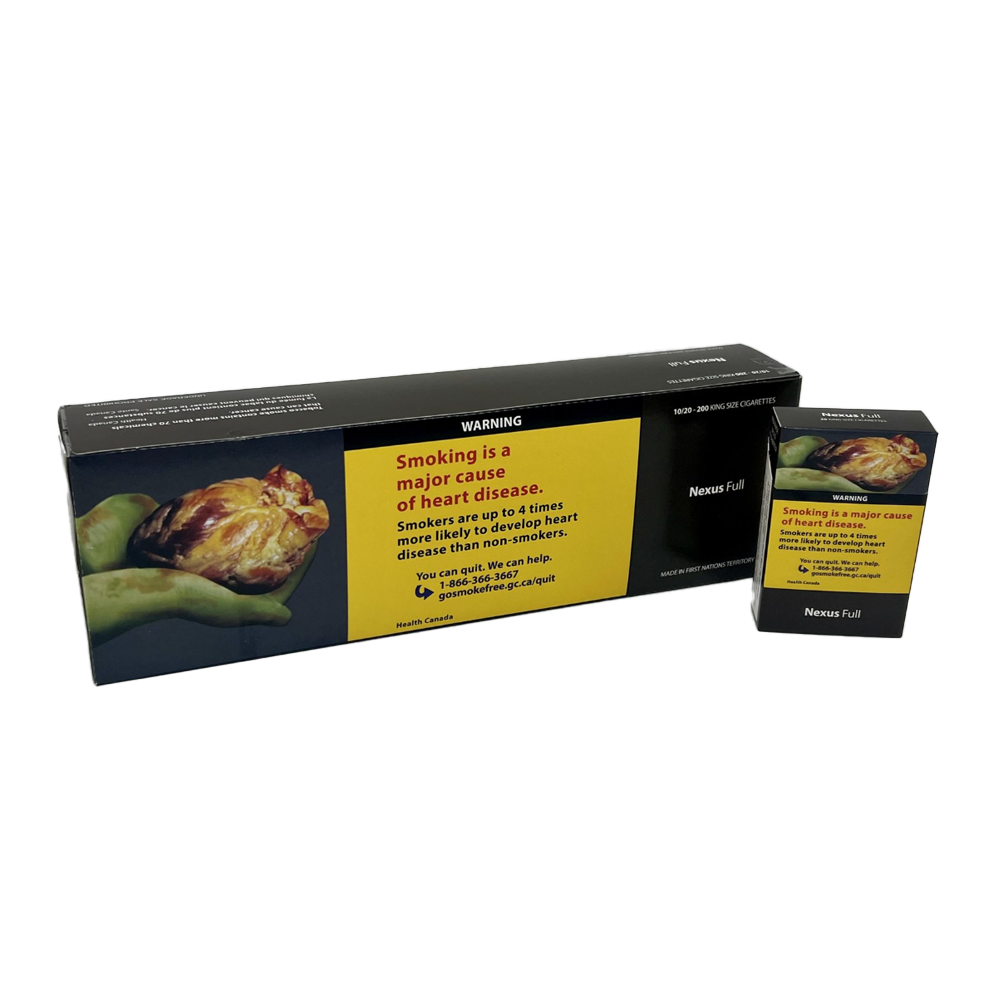
🛒 Popular Native Cigarettes on Cigstore.ca
Whether you’re trying to manage your weight or just enjoy smoking, these affordable cartons are customer favourites.


📚 You Might Also Find These Articles Interesting
Smoking and Stress: The Neuroscience
How nicotine affects your brain beyond appetite.
Smoking and Vision
Another way smoking changes your body — night vision.
Smoking & Taste
How cigarettes alter your perception of food and drink.
Smoking & Skin, Hair, Nails
The visible effects of long-term smoking.
Smoking & Dental Health
Your mouth suffers too — even if your weight doesn’t.
🚚 Fast & Reliable Shipping Across Canada
$29 flat shipping on all orders under $290
Free shipping on orders $290 or more – anywhere in Canada
📦 Shipped via Canada Post, Purolator, FedEx, or UPS – carrier selected based on your location for fastest delivery.
Age verification required upon delivery (19+). Indigenous-owned – rooted in tradition, delivered with trust.
📦 Know the science. Smoke smarter.
Whether you’re smoking or thinking about quitting, Cigstore.ca offers affordable native cigarettes starting at $29/carton. $29 flat shipping. FREE over $290.
🛒 Shop Native Cigarettes →