
The Mandela Effect and Cigarettes
Common False Memories About Old Brands and Advertising — What’s Real and What Isn’t
🧠🚬 Do you remember the Marlboro Man having a tattoo on his hand? Or Du Maurier’s logo being gold, not silver? What about Player’s cigarettes using a different shade of navy blue in the 1980s? If you answered yes to any of these — you’re not alone. Thousands of smokers share the same false memories. This phenomenon is called the Mandela Effect, named after the widespread false memory that Nelson Mandela died in prison in the 1980s (he actually died in 2013). This article explores the most common cigarette-related Mandela Effects and explains why our brains collectively misremember tobacco branding.
🧠 The Mandela Effect: A Brief Explanation
The term “Mandela Effect” was coined by paranormal researcher Fiona Broome in 2009 after she discovered that many people shared her false memory of Nelson Mandela dying in prison in the 1980s . Since then, researchers have identified dozens of collective false memories, including:
- Berenstein Bears vs. Berenstain Bears — Millions remember the children’s book series as “Berenstein” (it’s always been “Berenstain”).
- Curious George’s tail — Many people remember the monkey having a tail (he never did).
- “Luke, I am your father” — The actual line is “No, I am your father.”
- Fruit of the Loom logo — Many remember a cornucopia behind the fruit (there never was one).
Leading scientific explanation: False memories arise from schema-driven errors — our brains fill in missing details with the most likely information, even if it’s wrong . For cigarette branding, this means we remember generic “cigarette aesthetics” (cowboys, gold trim, nature scenes) and apply them to specific brands even when they never existed.
🚬 Top 5 Cigarette Mandela Effects (You’re Not Alone)
1. 🤠 The Marlboro Man’s Tattoo
The false memory: The Marlboro Man had a small tattoo on his left hand — often described as a cross, a star, or an anchor.
The reality: No Marlboro Man model ever had a visible tattoo in any print or television advertisement. Philip Morris rigorously vetted models to ensure a “clean, all-American” appearance . Yet thousands of smokers swear they remember the tattoo.
Why it happens: Our brains associate cowboys (real rodeo riders often have tattoos) with rugged masculinity. The Marlboro Man was so iconic that our memories “add” expected details that were never there.
2. 🏆 Du Maurier’s “Gold” vs. “Silver” Logo
The false memory: Du Maurier’s signature logo trim was gold, not silver. Many smokers vividly remember gold foil on King Size packs.
The reality: Du Maurier packaging has always featured silver/white metallic trim — never gold. The brand’s colour scheme is red, white, and silver .
Why it happens: Gold trim is associated with “premium” products (cigarettes, whiskey, chocolates). Our brains retroactively upgrade Du Maurier’s silver to gold because “premium brand = gold accents.”
3. 🎨 Player’s “Navy Blue” vs. “Royal Blue” Packaging
The false memory: Player’s cigarette packs used a darker, almost black navy blue in the 1980s, before switching to a brighter royal blue in the 1990s.
The reality: Player’s packaging has used the same shade of royal blue since the 1970s. Archival images confirm no colour change .
Why it happens: Lighting conditions in 1980s convenience stores (fluorescent lighting) and faded pack displays created an illusion of darker blue. Our brains remember the “darker” perception, not the actual colour.
4. 🇨🇦 Export ‘A’ “Green” vs. “Teal” Debate
The false memory: Export ‘A’ plain (unfiltered) packs were bright green, not the teal/blue-green they actually were.
The reality: Export ‘A’s iconic colour has always been described as “teal” or “blue-green” — a muted, slightly greyed green. Bright green never existed .
Why it happens: Colour perception is notoriously unreliable. Under different lighting, teal can appear brighter green. Combined with decades-old memories, the colour shifts in our minds.
5. 📺 The “I’d Walk a Mile for a Camel” Jingle
The false memory: The classic Camel cigarette commercial jingle included the line: “I’d walk a mile for a Camel — that’s a long, long way to go.”
The reality: The actual slogan (used in print ads since 1921) is simply “I’d walk a mile for a Camel” — no second line. The jingle never existed; the extra line was invented by collective memory .
Why it happens: Our brains like rhymes and symmetrical phrasing. “I’d walk a mile for a Camel — that’s a long, long way to go” feels satisfyingly complete, so we invent it.
📊 Reality Check: What Changed vs. What Didn’t
| Brand / Element | Common False Memory | Historical Reality | Status |
|---|---|---|---|
| Marlboro Man tattoo | Had a tattoo on left hand | No tattoo on any model | False |
| Du Maurier logo trim | Gold metallic | Silver/white metallic | False |
| Player’s blue shade | Navy blue (1980s), royal blue (1990s) | Consistent royal blue since 1970s | False |
| Export ‘A’ green shade | Bright green | Teal/blue-green | False (perception shift) |
| Camel jingle | Two-line rhyme | Single-line slogan only | False |
| Craven ‘A’ cork tip colour | Dark brown cork | Light tan/beige cork | False |
🔍 The Science: Why Smokers Share False Memories
Psychologists have identified several mechanisms that explain cigarette-related Mandela Effects:
- Schema-driven filling — Our brains have a “cigarette brand schema” (premium = gold, rugged = tattoos, classic = darker colours). When memories fade, we fill gaps with schema-consistent details .
- Social contagion of memory — Online forums, Reddit threads, and Facebook groups allow false memories to spread. Reading “I remember the gold Du Maurier logo” makes others actually remember it too .
- Retroactive fading — Old cigarette packaging faded in sunlight, changing perceived colours over time. A pack that sat on a store shelf for months literally looked different, and we remember the faded version as “original.”
- Plain packaging erasure — Since 2019, all Canadian cigarette packs look identical (drab brown). Without visual anchors, our memories of old branding become less reliable and more susceptible to distortion .
📺 Classic Cigarette Ads: What We Got Wrong
Beyond logos and packaging, entire advertising campaigns have been misremembered:
- “More doctors smoke Camels” — Many remember this as a full-page ad with dozens of doctors. The actual ads featured three doctors and the text “According to a nationwide survey: MORE DOCTORS SMOKE CAMELS than any other cigarette” (the survey was real but flawed).
- Virginia Slims “You’ve come a long way, baby” — The slogan is correct, but many remember a specific model’s face that never existed. Multiple different models were used over 20 years; our brains “average” them into a composite false memory.
- Winston “What do you want, good grammar or good taste?” — The slogan is misremembered as “What do you want, good grammar and good taste?” (The original “or” is correct — the slogan deliberately contrasted grammar with taste.)
📌 Honest Summary — Your Memory Isn’t a Video Recorder
Does the Mandela Effect mean something supernatural is happening? Almost certainly not. The scientific consensus points to ordinary memory errors, social reinforcement, and perceptual biases .
Why do so many people share the same false memories? Because our brains use similar schemas to fill missing details — gold for premium, tattoos for cowboys, darker colours for “classic” products .
Does this mean I can’t trust any of my smoking memories? Not at all. Core memories (the taste of a specific brand, the feel of the pack) are usually accurate. But visual details like exact shades, logos, and minor design elements are highly susceptible to distortion.
The bottom line: Your brain isn’t lying to you maliciously — it’s optimizing. It discards “unimportant” visual details and reconstructs them later using the most probable information. The result is a memory that feels real but isn’t. That’s not a glitch — it’s how memory works.
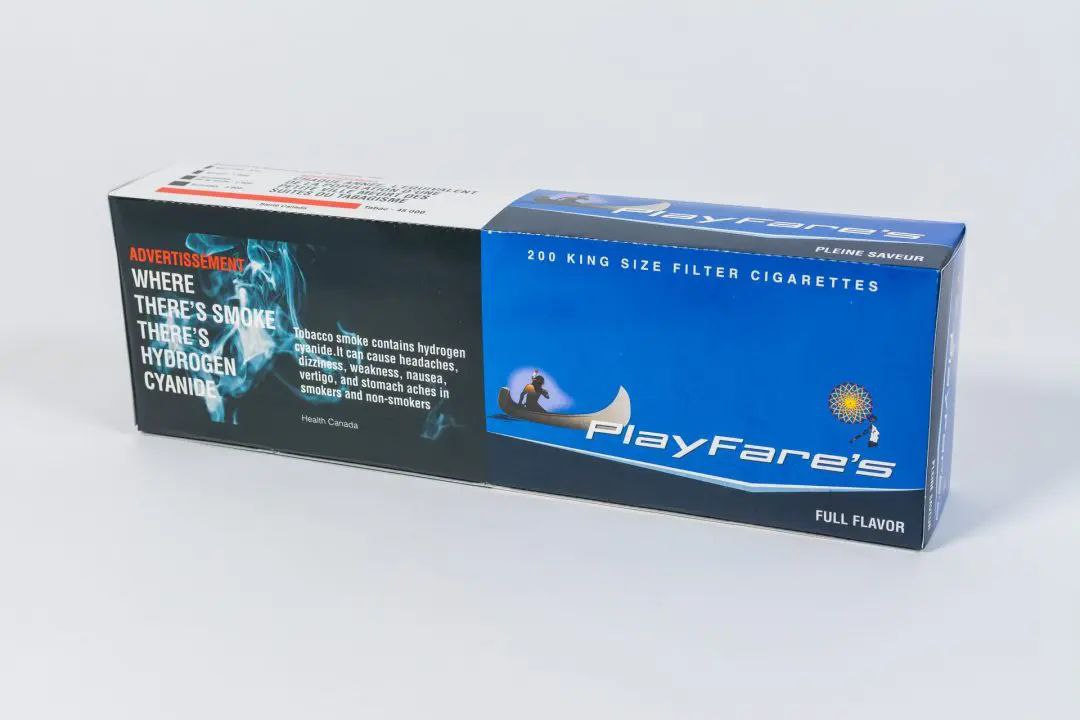
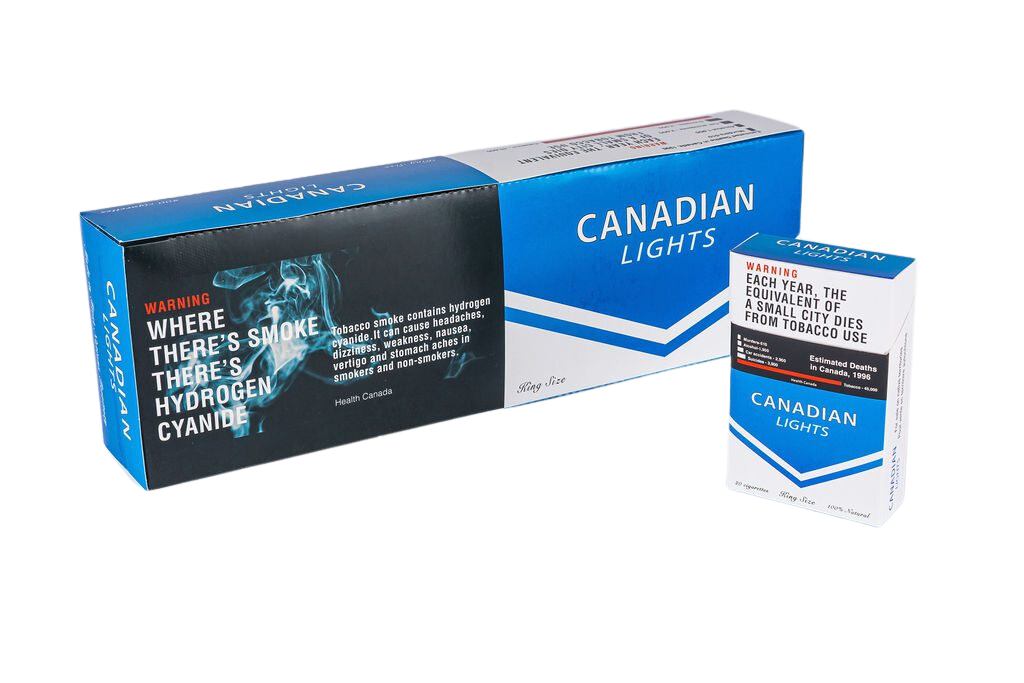
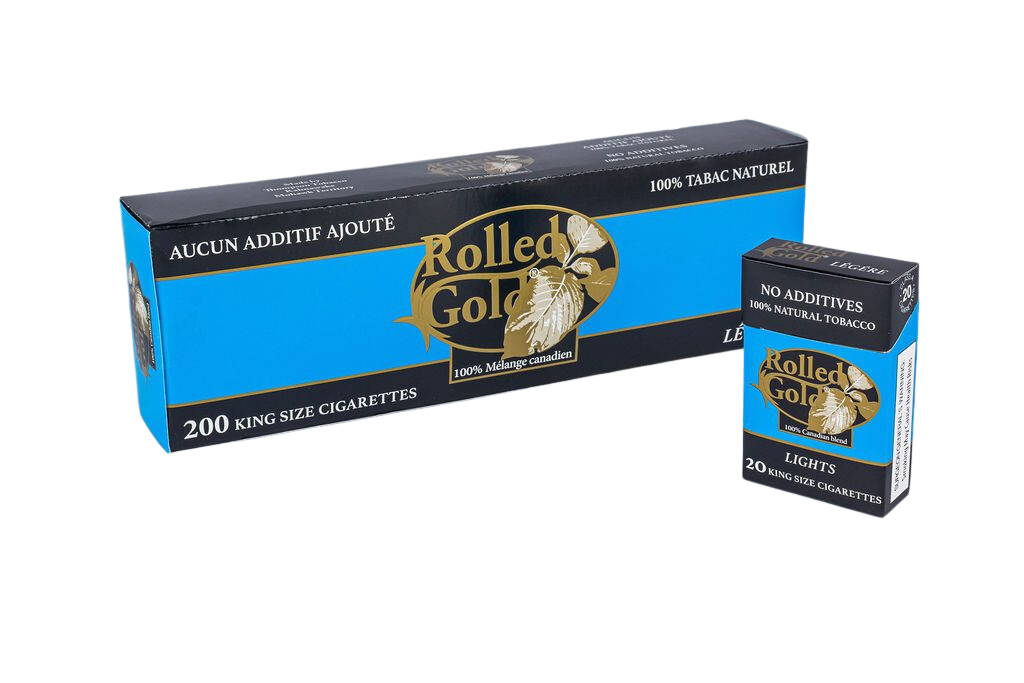
🛒 Popular Native Cigarettes on Cigstore.ca
Create new memories with these affordable native brands — no false recollections needed.


📚 You Might Also Find These Articles Interesting
History of Smoking in Canada
From glamorous ads to plain brown packs — the real timeline.
5 Iconic Ads Banned Today
Campaigns that would never survive modern laws.
How Cigarettes Were Advertised
The visual history of Canadian tobacco marketing.
Forgotten Canadian Brands
Craven ‘A’, Sweet Caporal, Rothmans — real brands you may misremember.
Cigarette Superstitions
More collective beliefs about smoking — real folklore vs. false memory.
🚚 Fast & Reliable Shipping Across Canada
$29 flat shipping on all orders under $290
Free shipping on orders $290 or more – anywhere in Canada
📦 Shipped via Canada Post, Purolator, FedEx, or UPS – carrier selected based on your location for fastest delivery.
Age verification required upon delivery (19+). Indigenous-owned – rooted in tradition, delivered with trust.
🧠 Trust your taste buds, not your memory.
Whether you remember gold logos or not, native cigarettes deliver consistent quality at affordable prices. $29 flat shipping, free over $290.
🛒 Shop Native Cigarettes →Sources: Fiona Broome’s Mandela Effect research (2009) ; psychological studies on schema-driven memory errors ; Philip Morris advertising archives ; Imperial Tobacco Canada brand history records ; Canadian Museum of History tobacco packaging collection.