
Professions with the Highest Percentage of Smokers
From Long-Haul Truck Drivers to Chefs — Why and What’s Being Done
🚛👨🍳 Some jobs come with an ashtray practically built into the job description. Long-haul truck drivers, construction workers, chefs, and delivery drivers consistently report smoking rates far above the national average — while teachers, doctors, and software developers smoke the least [citation:1][citation:7]. This isn’t random. The reasons involve stress, workplace culture, accessibility, and even boredom. This article explores which professions smoke the most, why, and what employers are doing to help workers quit or cut back.
📊 Canada’s Baseline: The National Smoking Rate
The national average hides dramatic variation by profession. In some jobs, smoking rates are 2-3 times higher than the general population [citation:7]. Understanding which professions are hardest hit helps target public health interventions.
🔥 Top 5 Professions with the Highest Smoking Rates
1. 📦 Delivery Drivers / Couriers
Smoking rate: 45% of male couriers, 31% of female couriers [citation:1][citation:9]
Why so high? Delivery drivers spend most of their day alone in a vehicle. There’s no supervisor watching, no smoke-free workplace policy enforcing breaks. The cigarette becomes a companion, a time-killer, and a stress reliever during traffic or tight deadlines. Young age demographics also play a role — many couriers are in their 20s and 30s, an age group with higher smoking prevalence [citation:1].
What’s being done? Some delivery companies now offer smoking cessation programs via apps that drivers can access during downtime. However, the solo nature of the work makes enforcement difficult.
2. 👨🍳 Chefs and Kitchen Staff
Smoking rate: Extremely high — chefs consistently rank among the heaviest smokers across multiple studies [citation:2][citation:5][citation:7]
Why so high? The kitchen is high-pressure, high-stress, and fast-paced. Chefs work 12-14 hour shifts with few breaks. A cigarette becomes a quick “reset button” between rushes [citation:7]. Additionally, kitchen culture has historically normalized smoking as part of the “tough chef” persona. A BBC survey found chefs also consume more junk food and alcohol — indicating a broader pattern of unhealthy coping mechanisms [citation:2].
What’s being done? Many restaurants now ban smoking on premises entirely, forcing chefs to leave the building. Some upscale kitchens have introduced wellness programs, but the high-stress culture remains a barrier.
3. 🚛 Long-Haul Truck Drivers
Smoking rate: Consistently among the highest — studies place truck drivers in the top 3 smoking occupations [citation:2][citation:8]
Why so high? Long hours alone, boredom, the need to stay alert, and nearly unlimited opportunity to smoke inside the cab. Many drivers report smoking 1-2 packs per day. The truck cab is a private space with no smoking restrictions — unlike most other workplaces [citation:5].
What’s being done? Some trucking companies offer smoking cessation incentives (bonuses for quitting) and provide nicotine replacement therapy through company health plans. However, the isolation of the job makes quitting particularly challenging.
4. 🏗️ Construction Workers / Manual Laborers
Smoking rate: 38-39% in some surveys [citation:1][citation:9]
Why so high? Physically demanding work, outdoor job sites (no indoor smoking restrictions during breaks), and a culture where smoke breaks are social. Many construction workers also report using cigarettes to manage stress from physical pain or fatigue [citation:8].
What’s being done? Some large construction firms have implemented smoke-free job site policies, but enforcement is difficult on scattered outdoor sites. Union-sponsored wellness programs are becoming more common.
5. 📞 Call Center / Customer Service Operators
Smoking rate: 34% of male operators, significant percentages among female staff [citation:1][citation:4]
Why so high? High-stress customer interactions, repetitive work, structured breaks that naturally accommodate smoke breaks, and high turnover — younger workers in high-pressure roles smoke at higher rates [citation:7].
What’s being done? Many call centers now offer “wellness rooms” and have replaced designated smoking areas with outdoor-only policies, creating friction that can reduce smoking frequency.
📉 Professions with the Lowest Smoking Rates
The other end of the spectrum: These professions report smoking rates far below the national average:
- Teachers — 83% of female teachers have never smoked [citation:1][citation:8]. Low smoking rates are attributed to professional role modeling and workplace norms.
- Doctors, Pharmacists, Nurses — 80% have never smoked. Health knowledge directly correlates with avoidance [citation:1].
- Software Developers / Programmers — 76% of male programmers have never smoked. Tech culture has shifted heavily toward wellness and “biohacking” [citation:1].
- Accountants, Lawyers, HR Professionals — Very low smoking prevalence. Professional services firms often have strict workplace smoking policies and wellness incentives [citation:7].
🧠 Why the Gap? 4 Factors That Explain Professional Smoking Disparities
📌 Factor 1: Stress and Time Pressure
Nearly 70% of surveyed smokers in high-risk professions cite workplace stress as a primary reason for smoking [citation:7]. Chefs under the gun during dinner service, call center operators dealing with angry customers, and truck drivers facing delivery deadlines all report using cigarettes as a “reset button.” The immediacy of nicotine’s calming effect (which takes just 7-10 seconds to reach the brain) makes it uniquely suited to high-pressure jobs where there’s no time for a longer stress-reduction technique.
📌 Factor 2: Workplace Accessibility
Simply put: you can’t smoke in an office building. But you can smoke in a truck cab, on a construction site during a break, or behind the restaurant during a lull. Jobs with easy access to smoking spaces have higher smoking rates. A teacher who wants to smoke must leave school property, walk to a designated area, and return — significant friction. A delivery driver lights up without leaving their seat [citation:7].
📌 Factor 3: Social Norms and Peer Culture
Smoking is socially contagious. In kitchens, break rooms, and construction sites where many colleagues smoke, the behavior becomes normalized. Non-smokers may start to fit in. Conversely, in offices where no one smokes, there’s social pressure not to start [citation:1].
📌 Factor 4: Education and Health Awareness
Professions requiring higher education (teachers, doctors, lawyers) have lower smoking rates. The correlation is strong: more education = lower smoking prevalence. Health literacy directly impacts smoking decisions. Jobs with lower educational barriers (delivery driving, construction, kitchen work) have higher smoking rates — though causation vs correlation is debated [citation:3].
🏢 What Employers Are Doing: Workplace Smoking Reduction Programs
Recognizing that smoking costs them money (higher insurance premiums, lost productivity, more sick days), many employers in high-smoking industries have implemented programs:
- Financial incentives — Some trucking and construction companies offer $500-1,000 bonuses to employees who complete smoking cessation programs.
- On-site nicotine replacement therapy (NRT) — Free patches, gum, or lozenges available in break rooms. Particularly effective in call centers where breaks are structured [citation:3].
- Smoke-free campus policies — Many hospitals and corporate campuses have banned smoking anywhere on property. While controversial, studies show these policies reduce smoking rates by 15-20% among employees over 3-5 years.
- Telephone quit lines and app-based coaching — Accessible to remote workers like truck drivers who can’t attend in-person programs.
👷 What Workers Can Do (Without Quitting Your Job)
If you work in a high-smoking profession and want to cut back, these strategies are tailored to your work environment:
- For truck drivers: Keep cigarettes in the glove box (not within arm’s reach). Set a timer — one cigarette per 100 km or per 2 hours. Chew nicotine gum during the first hour after waking to delay the first cigarette.
- For chefs/kitchen staff: Use the “post-rush delay” — wait 10 minutes after the rush ends before going out for a smoke. The craving often passes. Switch to a lower-nicotine brand for “stress smokes” [citation:5].
- For construction workers: Suggest moving the designated smoking area farther from the work site — the walk adds friction. Partner with a coworker to hold each other accountable.
- For call center operators: Use scheduled breaks for smoking only (not unscheduled “bathroom” smoke breaks). Track how many breaks you actually take.
📊 Highest vs. Lowest: A Side-by-Side Comparison
| Profession | Smoking Rate | Primary Drivers | Intervention Success Rate |
|---|---|---|---|
| Delivery Drivers | 45% (M), 31% (F) | Isolation, boredom, youth | Low — hard to reach remote workers |
| Chefs | Very high (exact % varies) | Stress, culture, long hours | Moderate — requires culture shift |
| Truck Drivers | Top 3 occupation | Accessibility, alertness, isolation | Low — limited workplace programs |
| Construction | ~38% | Outdoor worksite, physical demands | Moderate — union programs helping |
| Teachers | 83% never smoked | Role modeling, education | N/A — already low |
| Doctors/Nurses | 80% never smoked | Health knowledge | N/A — already low |
| Software Developers | 76% never smoked | Wellness culture, education | N/A — already low |
📌 Honest Summary
Which professions smoke the most? Delivery drivers, chefs, truck drivers, construction workers, and call center operators consistently rank highest across multiple countries and studies [citation:1][citation:7][citation:8].
Why? A combination of stress, easy access, social norms, and lower educational barriers. High-pressure jobs with unstructured breaks and isolated work environments create ideal conditions for smoking [citation:7].
Are employers doing anything? Yes — financial incentives, smoke-free campus policies, and NRT programs are becoming more common. But success varies widely by industry [citation:3].
The bottom line: If you work in a high-smoking profession, you’re not alone — and it’s not just “willpower.” The job itself creates powerful cues for smoking. But understanding those cues is the first step to changing them.
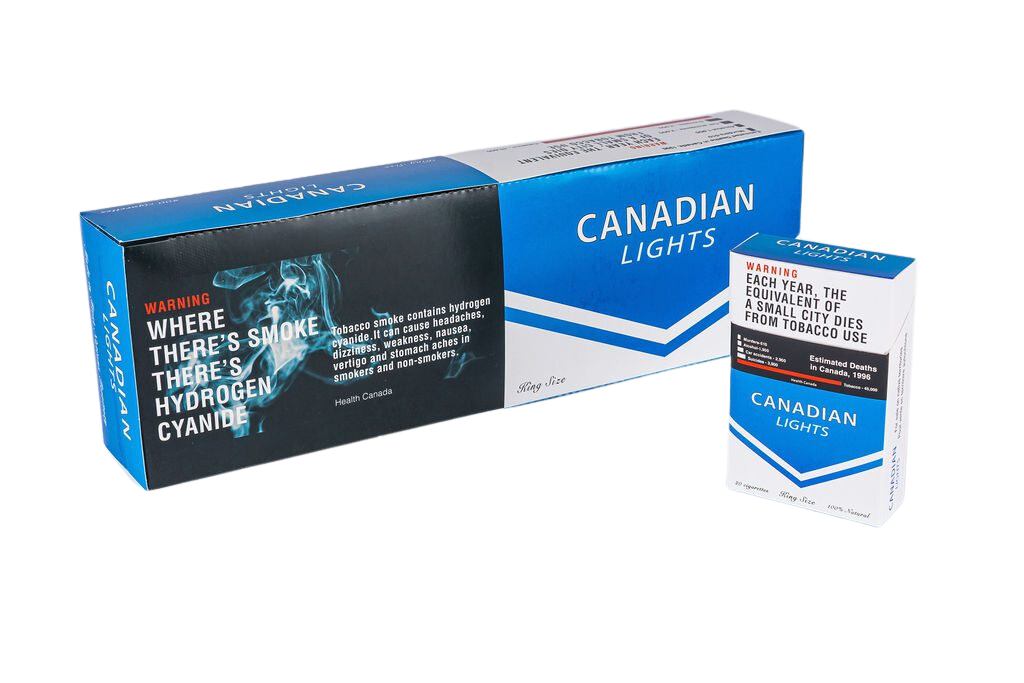
🛒 Popular Native Cigarettes on Cigstore.ca
Affordable cartons for workers in every profession — from truck drivers to chefs.

BB Full Original



📚 You Might Also Find These Articles Interesting
The “Smoking Behind the Wheel” Phenomenon
Why driving makes you crave cigarettes — essential for truckers.
Smoking and Stress: The Neuroscience
How nicotine affects your brain in high-pressure moments.
Why Smokers Smoke More in Winter
Seasonal patterns affecting outdoor workers.
Smoke Less, Save More
Strategies to reduce intake — perfect for high-volume smokers.
Why Are Cigarettes So Expensive?
Tax breakdown — and why native cigarettes cost less.
🚚 Fast & Reliable Shipping Across Canada
$29 flat shipping on all orders under $290
Free shipping on orders $290 or more – anywhere in Canada
📦 Shipped via Canada Post, Purolator, FedEx, or UPS – carrier selected based on your location for fastest delivery.
Age verification required upon delivery (19+). Indigenous-owned – rooted in tradition, delivered with trust.
🚛👨🍳 Smoke smarter on the job.
Whether you drive 100,000 km a year or work the line through dinner rush, native cigarettes save you thousands. $29 flat shipping, free over $290.
🛒 Shop Native Cigarettes →Sources: SuperJob survey (5,000 respondents, 2022) [citation:1]; BBC Medicash survey (3,000 respondents, UK, 2009) [citation:2]; IBISWorld Canadian smoking rate data (2025) [citation:3]; Austrian survey on smoking by profession (2025) [citation:7]; US NHANES III occupation smoking study (1988-1994) [citation:8].