
Corporate Smoking Cessation Programs
What Major Canadian Employers Offer — And Does It Actually Work?
🏢🚭 More than 3.1 million Canadians smoke daily, costing the healthcare system billions and employers millions in lost productivity [citation:7]. In response, major Canadian employers — from insurance giants like Sun Life to provincial health initiatives — have launched corporate smoking cessation programs. But what do these programs actually offer? And more importantly, do they work? This article examines the most prominent workplace cessation initiatives in Canada, the evidence behind them, and what they mean for employees who smoke.
💰 The Business Case: Why Employers Invest in Smoking Cessation
Smoking costs employers through:
- Increased absenteeism — Smokers take more sick days than non-smokers [citation:7].
- Presenteeism — Being physically present but mentally distracted by cravings reduces productivity [citation:7].
- Higher insurance premiums — Group health benefits cost more when employees smoke.
- Workplace exposure liability — Second-hand smoke claims cost Canadian employers millions [citation:4].
🏦 Major Program #1: Sun Life’s “Can Quit” Program (Ottawa Model for Smoking Cessation)
Launched: 2025
Partner: University of Ottawa Heart Institute (OHI)
Availability: Open to all Canadians, regardless of Sun Life insurance coverage [citation:6]
What It Offers:
- Free 1-on-1 virtual coaching — 24-week program with Nicotine Addiction Treatment Specialists (NATS) [citation:2].
- Personalized quit plans — Managing withdrawal symptoms, cravings, and triggers [citation:6].
- Medication recommendations — Nicotine replacement therapy (patches, gum, lozenges), cytisine, or varenicline (Champix) [citation:3].
- Direct-to-consumer medication delivery — Cessation products shipped from a pharmacy [citation:3].
- Automated follow-ups — Check-ins via text or phone [citation:6].
- Available in English and French — Across all provinces and territories, including Quebec [citation:2].
Does It Work? The Evidence:
- Without program help: Only 4% of smokers successfully quit on their own [citation:6].
- With combination therapy (patch + gum) and coaching: Up to 36.5% are smoke-free within 6 months [citation:6].
- Ongoing RCT: Sun Life is currently running a randomized controlled trial with 1,000+ participants testing three pharmacotherapy arms (combination NRT, cytisine, varenicline) within the OMSC framework. Primary outcome (7-day smoking cessation) will be biochemically verified through salivary cotinine tests [citation:3].
💊 Major Program #2: Quit Smoking With Your Manitoba Pharmacist
Type: Provincial government / outcomes-based commissioning
Capital raised: $2 million CAD
Target population: Manitoba residents over 18
What It Offers:
- Pharmacist-delivered cessation support — Specially trained pharmacists provide counselling and medication management [citation:10].
- Outcome-based funding model — Pharmacists are paid based on results (patients quitting for at least one year and staying nicotine-free for two years) [citation:10].
- Accessible locations — Participating pharmacies across Manitoba.
Why This Model Matters:
Unlike traditional fee-for-service programs, the Manitoba model ties payment to measurable outcomes (long-term cessation). This aligns incentives between providers and patients — pharmacists only get paid if smokers actually quit [citation:10]. Early results are pending, but the outcomes-based approach is gaining attention as a potential national model.
🏢 Other Employer-Sponsored Initiatives
📋 What’s Typically Covered in Group Benefit Plans:
- Nicotine Replacement Therapy (NRT) — Patches, gum, lozenges (often with prescription required, though some plans cover OTC).
- Prescription cessation medications — Varenicline (Champix) and bupropion (Zyban) are typically covered under drug plans.
- Employee Assistance Program (EAP) counselling — Many EAPs include smoking cessation coaching.
- Wellness spending accounts — Some employers allow employees to use wellness funds for smoking cessation programs.
🚨 What’s Missing:
- No-cost, employer-sponsored coaching is still rare — Sun Life’s program is a notable exception, but it’s not offered by most employers.
- Virtual programs are not yet standard — Most cessation support still requires in-person visits, which creates access barriers.
- No evidence on electronic workplace campaigns — A 2025 rapid review found no relevant literature on the cost-effectiveness of workplace electronic health promotion campaigns for smoking cessation [citation:7]. More research is urgently needed.
📜 The Legislative Backdrop: Smoke-Free Workplace Laws
Before employer-sponsored cessation programs became common, smoke-free workplace legislation laid the groundwork by changing social norms.
- Nova Scotia (2001): The first province to seriously consider comprehensive smoke-free legislation. A 2001 GPI Atlantic study found that smoke-free workplace laws would cut cigarette consumption by 20% and save $200 million annually in avoided health costs and productivity losses [citation:4].
- Restaurant and bar workers were identified as most at risk — exposed to 2-6 times more second-hand smoke than office workers [citation:4].
- Business concerns about lost sales were not supported by evidence — Most establishments saw sales increase after smoke-free laws, as non-smokers went out more often [citation:4].
Today, all provinces have some form of smoke-free workplace legislation, creating a supportive environment for cessation programs.
📊 Comparison: Major Canadian Cessation Programs
| Program | Provider | Format | Cost to Employee | Medication Included? | Success Rate |
|---|---|---|---|---|---|
| Sun Life “Can Quit” | Ottawa Heart Institute | Virtual 1-on-1 coaching | Free | Yes (NRT, cytisine, varenicline) | Up to 36.5% at 6 months [citation:6] |
| Manitoba Pharmacist Program | Provincial government | In-person pharmacy visits | Free | Yes | Outcomes pending |
| EAP Counselling | Various (employer-specific) | Phone or in-person | Free to employee | Typically not included | Variable |
| Self-directed (no program) | N/A | N/A | N/A | N/A | ~4% at 6 months [citation:6] |
✅ Does It Work? The Evidence Summary
Yes — structured programs significantly improve success rates. The data is clear:
- Without help: 4% quit success rate [citation:6].
- With behavioural counselling + pharmacotherapy: Up to 36.5% quit rate [citation:6].
- Combination NRT (patch + gum): More effective than single-agent NRT [citation:3].
- Cytisine and varenicline show comparable efficacy to combination NRT in clinical trials [citation:3].
- Virtual delivery works: Sun Life’s fully virtual program removes geographic barriers, and the ongoing RCT will provide robust data on efficacy [citation:3].
⚠️ What’s Missing: Gaps in Employer-Sponsored Cessation Support
- No cost-effectiveness data for workplace e-campaigns — A 2025 rapid review found no studies evaluating the cost-effectiveness of workplace electronic health promotion campaigns for smoking cessation [citation:7]. Employers are flying blind on ROI.
- Inconsistent coverage for NRT — Many plans require a prescription for NRT (patches, gum), even though these are available over-the-counter. This creates a pointless barrier.
- Program awareness is low — Even when employers offer cessation benefits, many employees don’t know they exist.
- No integration with tobacco settlement funds — The proposed $32.5 billion tobacco settlement [citation:5] could fund workplace cessation programs, but current plans focus on provincial healthcare systems, not employer initiatives.
📌 Honest Summary
What do major Canadian employers offer? A handful of innovative programs (Sun Life’s Can Quit, Manitoba’s pharmacist model) plus basic NRT coverage and EAP counselling in most group benefit plans.
Do these programs work? Yes, but not perfectly. Success rates improve from 4% (unaided) to 30-36% (with coaching + medication). That’s a huge improvement — but still means most participants relapse [citation:6].
What’s the best option for employees? Sun Life’s Can Quit program is currently the most comprehensive free, virtual, medication-included option available to all Canadians (not just Sun Life clients) [citation:6].
The bottom line: If your employer offers a structured cessation program with both coaching and medication, take advantage of it — it increases your odds of success by ~9x compared to going it alone. If your employer doesn’t offer such a program, Sun Life’s Can Quit program is available to anyone, regardless of insurance status [citation:6].
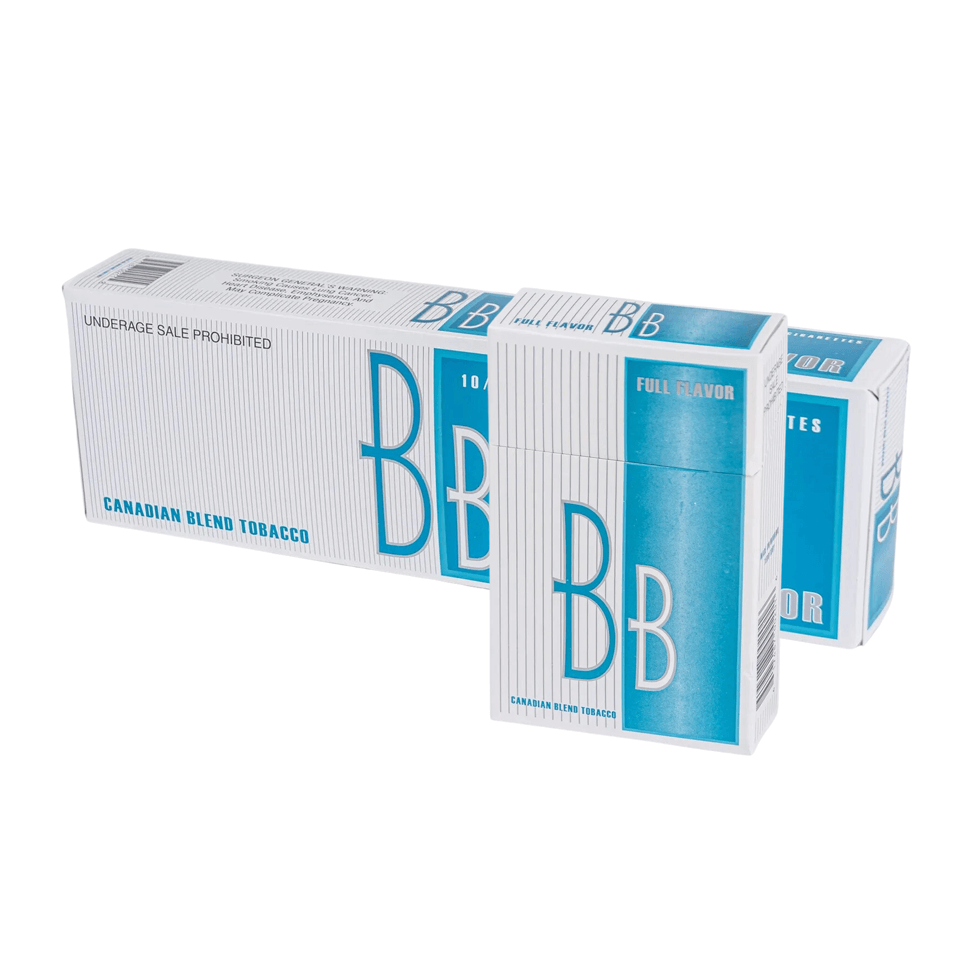
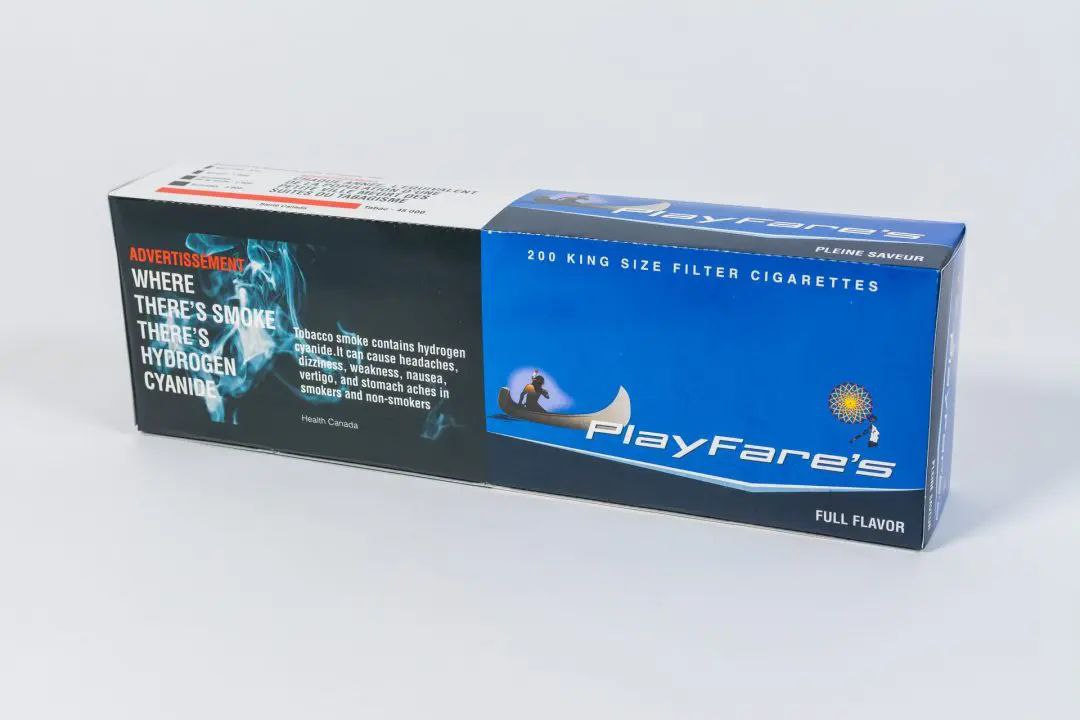
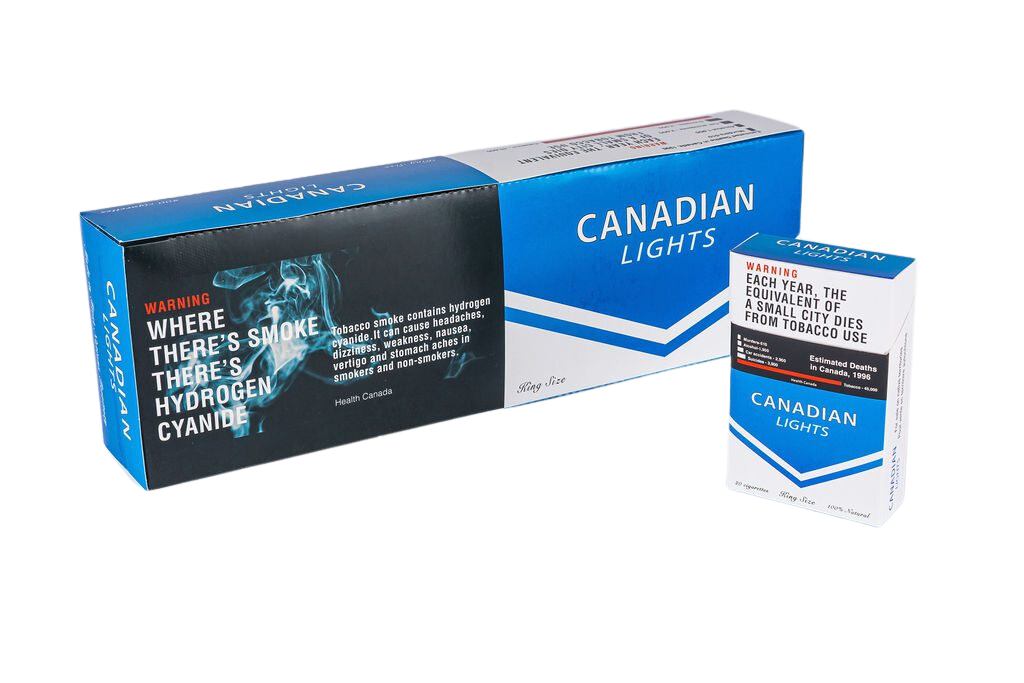
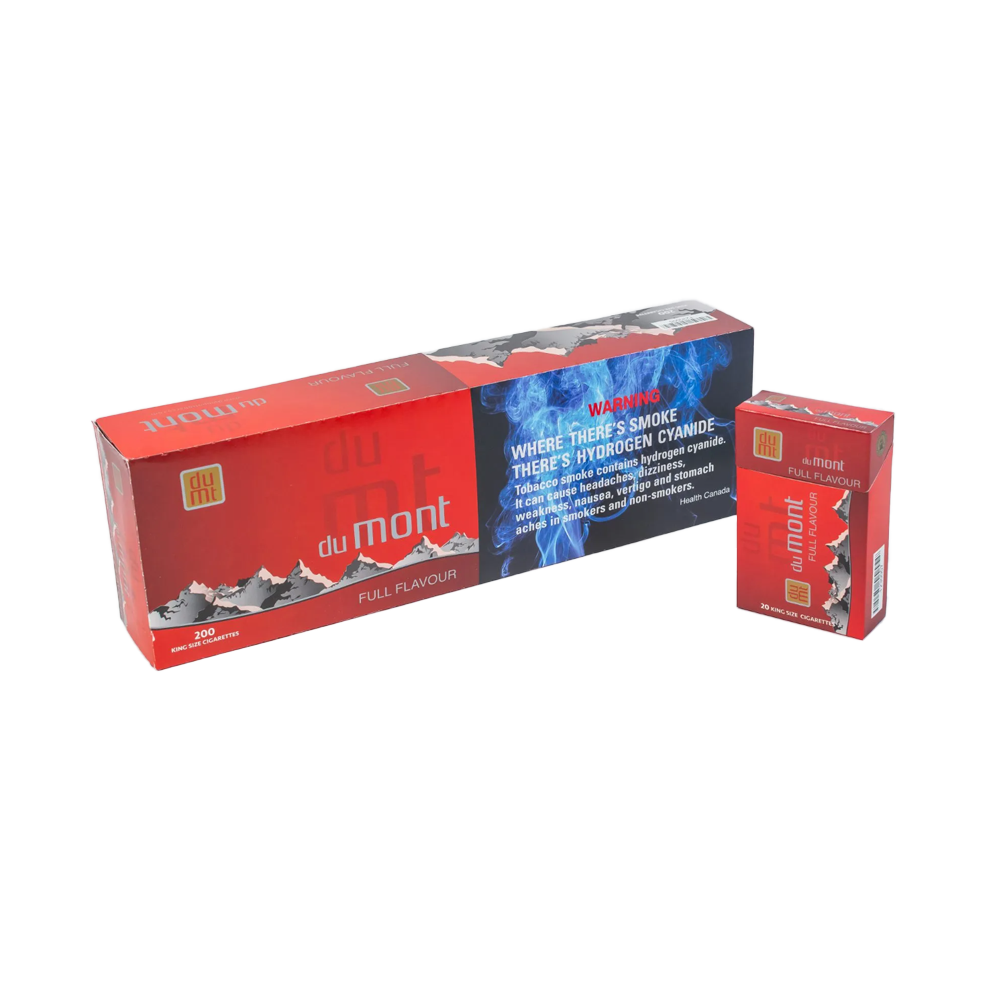
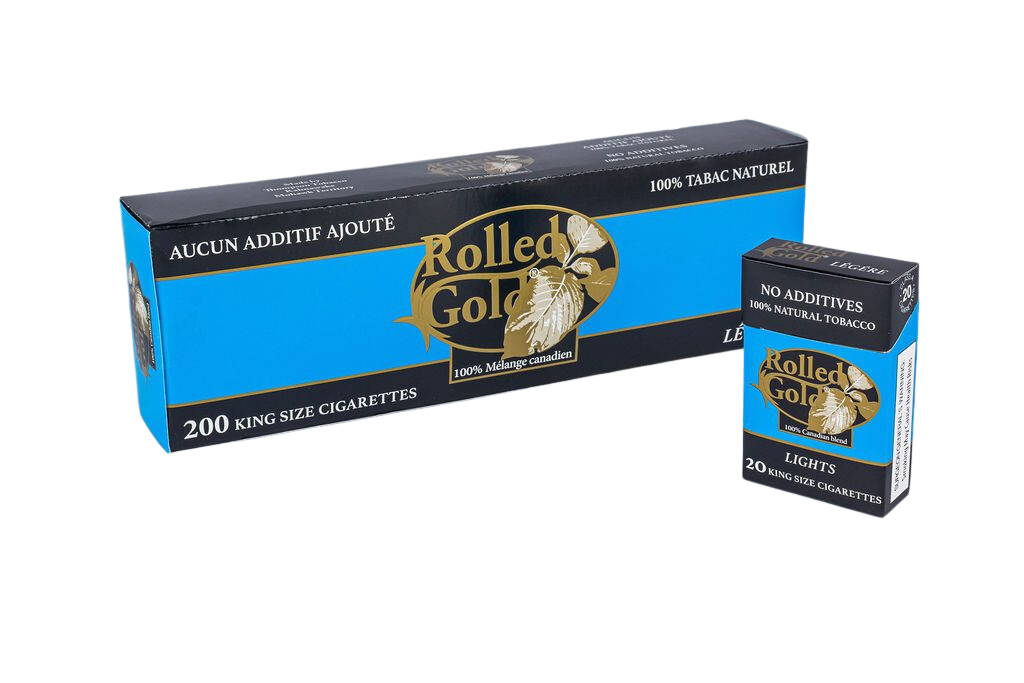
🛒 Popular Native Cigarettes on Cigstore.ca
Whether you’re trying to cut down or exploring cessation options, these affordable native brands are customer favourites.
📚 You Might Also Find These Articles Interesting
12-Week Quit Plan
Gradual reduction strategy using native cigarettes.
Smoke Less, Save More
Strategies to reduce intake without quitting entirely.
The Rebound Effect
Why people gain weight after quitting — and strategies to avoid it.
Smoking and Immunity
The “smoker’s paradox” explained.
The $7,000 Question
How much heavy smokers save switching to native cigarettes.
🚚 Fast & Reliable Shipping Across Canada
$29 flat shipping on all orders under $290
Free shipping on orders $290 or more – anywhere in Canada
📦 Shipped via Canada Post, Purolator, FedEx, or UPS – carrier selected based on your location for fastest delivery.
Age verification required upon delivery (19+). Indigenous-owned – rooted in tradition, delivered with trust.
🏢 Know your options. Smoke smarter.
Whether you’re trying to quit, cut down, or just save money, native cigarettes from $29/carton are your most affordable choice. $29 flat shipping, free over $290.
🛒 Shop Native Cigarettes →Sources: Sun Life Can Quit program information [citation:2][citation:6] ; ClinicalTrials.gov RCT protocol (NCT06832085) [citation:3] ; GPI Atlantic 2001 smoke-free workplace study [citation:4] ; CADTH rapid review on workplace e-campaigns (2025) [citation:7] ; Manitoba pharmacist outcomes-based program [citation:10].