
Why Are Some Cigarette Filters Yellow and Others White?
The Chemistry and Marketing Behind the Colour You Put in Your Mouth
🚬🎨 You’ve probably noticed it without thinking: some cigarette filters are white, while others are a distinctive yellowish-brown cork colour. Premium brands like Du Maurier and Export ‘A’ often use the cork pattern, while value brands and many native cigarettes use white filters. Is there a functional difference? Or is it just marketing? This article explores the chemistry of filter materials, the oxidation that turns white filters yellow over time, and the deliberate marketing choices behind every filter colour you see.
🧪 The Chemistry: What Are Cigarette Filters Made Of?
Modern cigarette filters are almost universally made from cellulose acetate — a synthetic polymer derived from wood pulp. Cellulose acetate is naturally white or off-white in its raw form . The difference in colour comes from what’s added or not added during manufacturing.
White Filter
Bleached cellulose acetate
No surface treatment
Cork/Yellow Filter
Cellulose acetate +
pigment and/or ink
📋 Key Facts:
- Base material is identical: Both white and cork-coloured filters use the same cellulose acetate fibres. The difference is purely surface-level.
- Cork filters are dyed or printed: The cork pattern is applied as an ink or pigment layer during filter rod manufacturing. This adds a small cost — hence cork filters are more common on premium brands .
- White filters are “natural” cellulose acetate: No added pigments. Cheaper to produce, which is why value brands and native cigarettes often use white filters .
🟡 Why White Filters Turn Yellow (The Chemistry of Oxidation)
Have you ever pulled an old pack from your glove box and noticed the filters have turned a nasty yellow-brown colour? That’s not mould — it’s oxidation.
🔬 The Science:
- Tar and nicotine absorption: As you smoke, tar and nicotine are absorbed by the filter fibres. These compounds are brownish-yellow. Over time, they migrate and stain the filter .
- Oxidation of cellulose: Cellulose acetate naturally yellows when exposed to UV light and oxygen — the same reason old newspapers turn yellow .
- Moisture and heat accelerate yellowing: A pack left in a hot car will yellow much faster than one stored in a cool, dark place.
🎯 The Marketing: What Filter Colour Says About Your Brand
🏆 Cork/Yellow Filters = Premium (Usually)
Cork-coloured filters are strongly associated with premium, full-flavour brands :
- Du Maurier — iconic cork filter with red band
- Export ‘A’ — cork filter with distinctive green band (teal)
- Player’s — cork filter with navy blue band
- Belmont (discontinued) — cork filter with gold band
Why cork? The cork pattern was originally meant to resemble the colour of real cork (used in early cigarette holders). It conveyed tradition, quality, and craftsmanship. Today, it’s simply a visual shorthand for “this is a premium product.”
⚪ White Filters = Value or Light (Usually)
White filters are more common on:
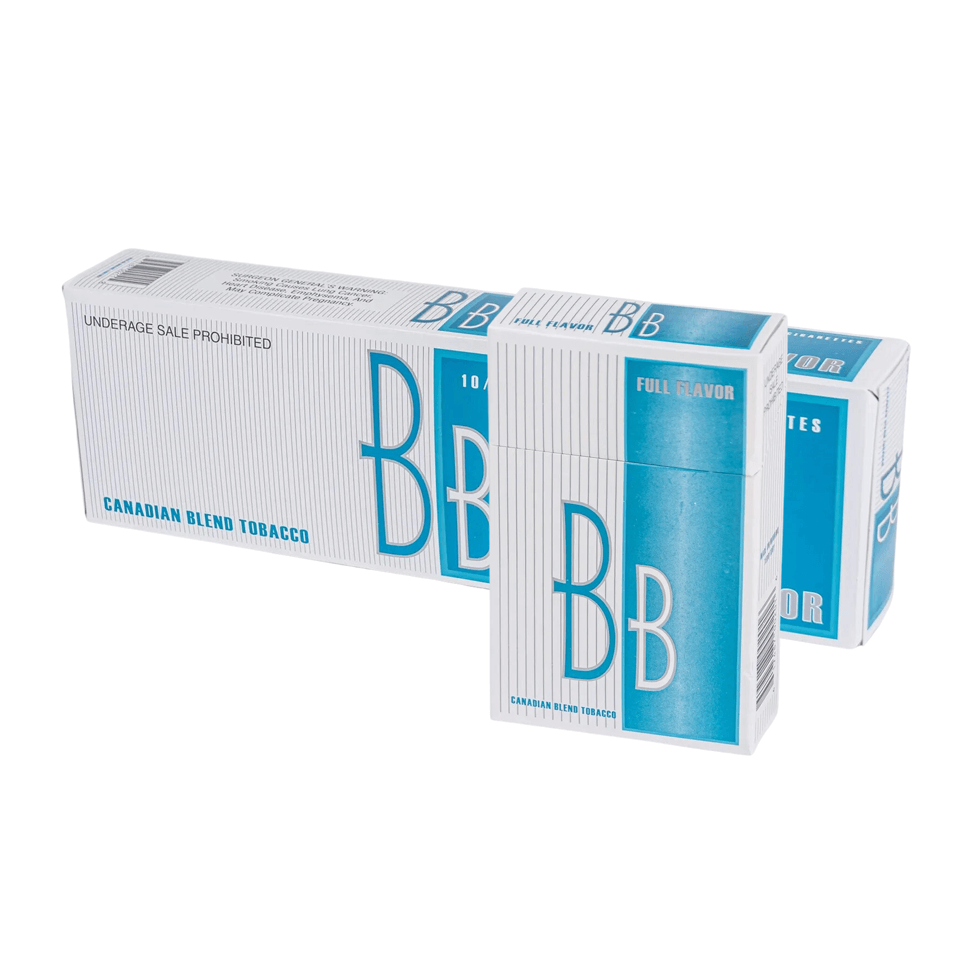
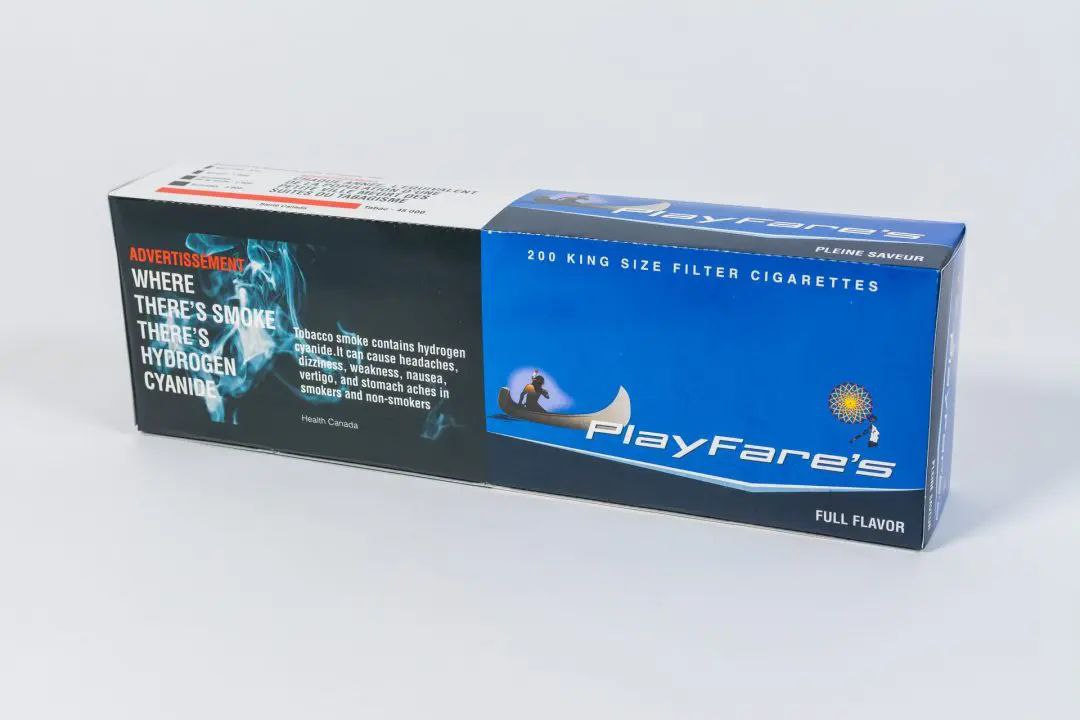
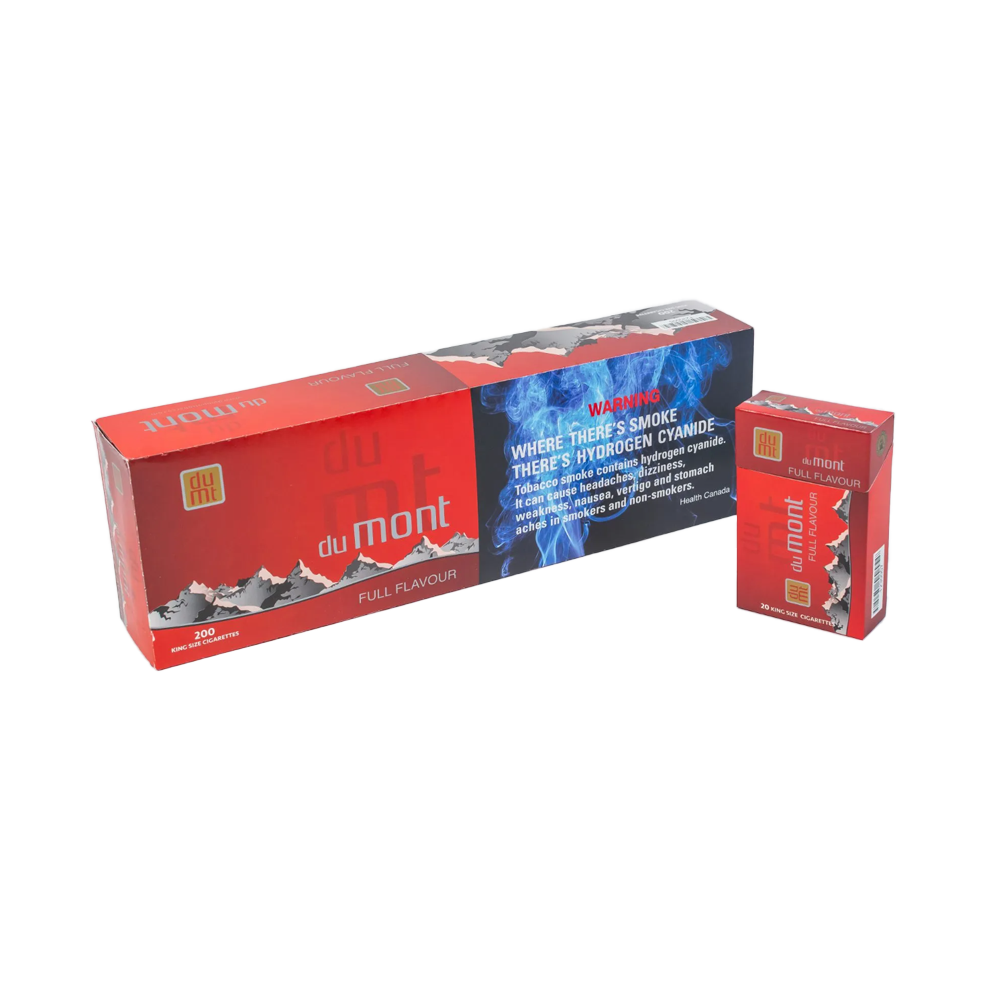
- Value brands: BB, Playfare, DuMont (native cigarettes often use white filters to reduce costs).
- “Light” or “Mild” variants: White filters visually reinforce the idea of “cleaner,” “lighter” smoke.
- Menthol cigarettes: White filters are often paired with menthol brands to suggest freshness and cooling .
💄 The “Lipstick Effect”: Why Filter Colour Matters
Believe it or not, filter colour is a significant marketing consideration — especially for female smokers.
- Lipstick stains show less on cork filters: Red lipstick leaves a noticeable mark on white filters. Cork-coloured filters hide lipstick marks much better .
- This was a deliberate marketing strategy: In the 1960s and 1970s, brands targeting women (like Virginia Slims) often used cork filters or coloured tips to avoid lipstick stains.
- Today, it’s less relevant: With fewer women wearing bold lipstick daily, and smoking rates declining across all demographics, the lipstick factor is a historical footnote.
👅 Does Filter Colour Affect Taste? (Spoiler: No)
There is no scientific evidence that filter colour affects taste. However, there is a powerful placebo effect :
- White filters feel “cleaner” or “lighter” to some smokers — purely psychological.
- Cork filters feel “premium” or “fuller” — again, psychological.
- In blind taste tests, smokers cannot reliably distinguish between identical cigarettes with different filter colours .
The takeaway: If you prefer cork filters, you’re responding to marketing and conditioning, not chemistry. And that’s fine — perception is part of the experience. But know that the filter colour isn’t changing what you’re inhaling.
📊 Cork vs. White Filters: Side-by-Side
| Feature | 🟫 Cork / Yellow Filter | ⬜ White Filter |
|---|---|---|
| Base material | Cellulose acetate | Cellulose acetate |
| Surface treatment | Pigment / ink printed | None (bleached) |
| Cost to produce | Slightly higher | Lower |
| Hides lipstick stains? | Yes | No |
| Hides oxidation yellowing? | Yes (built into colour) | No — turns yellow over time |
| Associated brand tier | Premium, full-flavour | Value, light, menthol |
| Effect on taste | None (psychological only) | None (psychological only) |
🪶 Why Native Cigarettes Often Have White Filters
If you’ve bought native cigarettes from Cigstore.ca, you’ve probably noticed most have white filters. There’s a simple reason: cost.
- White filters are cheaper to produce — no additional pigment or printing step.
- Native cigarettes focus on value — customers choose them for price, not premium packaging.
- The filter performs identically — the same cellulose acetate, the same filtration efficiency.
📌 Honest Summary
Why are some filters yellow and others white? Yellow/cork filters have added pigment or ink for appearance. White filters are uncoloured cellulose acetate.
Does filter colour affect taste? No — not chemically. But there’s a strong psychological placebo effect. Cork feels “premium,” white feels “light.”
Why do white filters turn yellow over time? Oxidation — from tar, UV light, and heat. Cork filters were designed to hide this yellowing.
The bottom line: Filter colour is marketing, not function. Cork filters cost slightly more to produce but don’t perform better. White filters are equally effective and often cheaper — which is why native cigarettes and value brands use them.
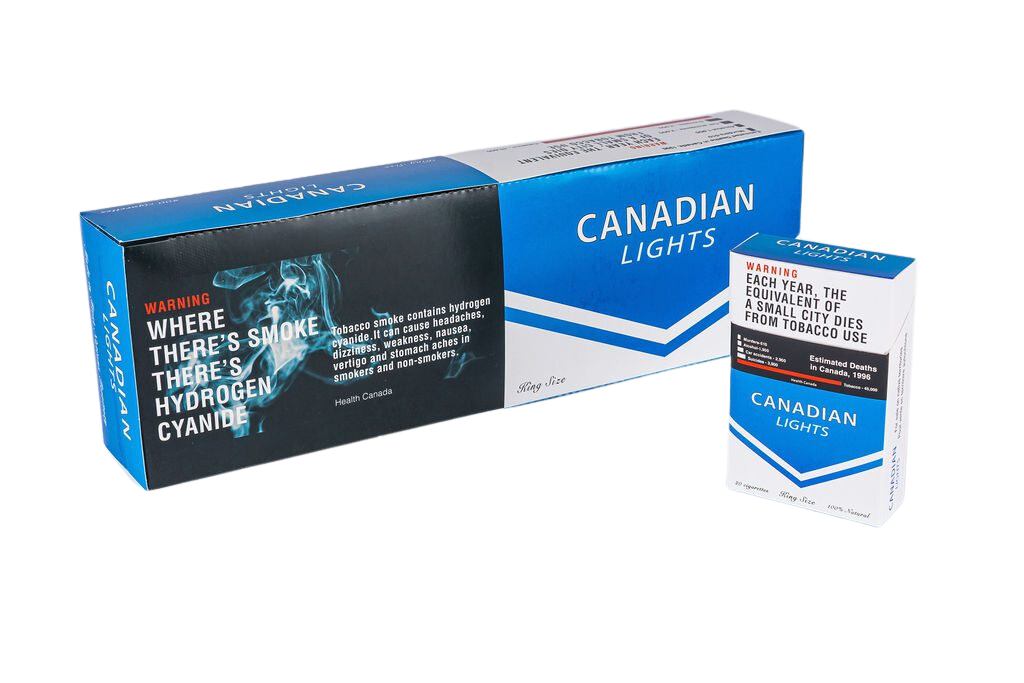
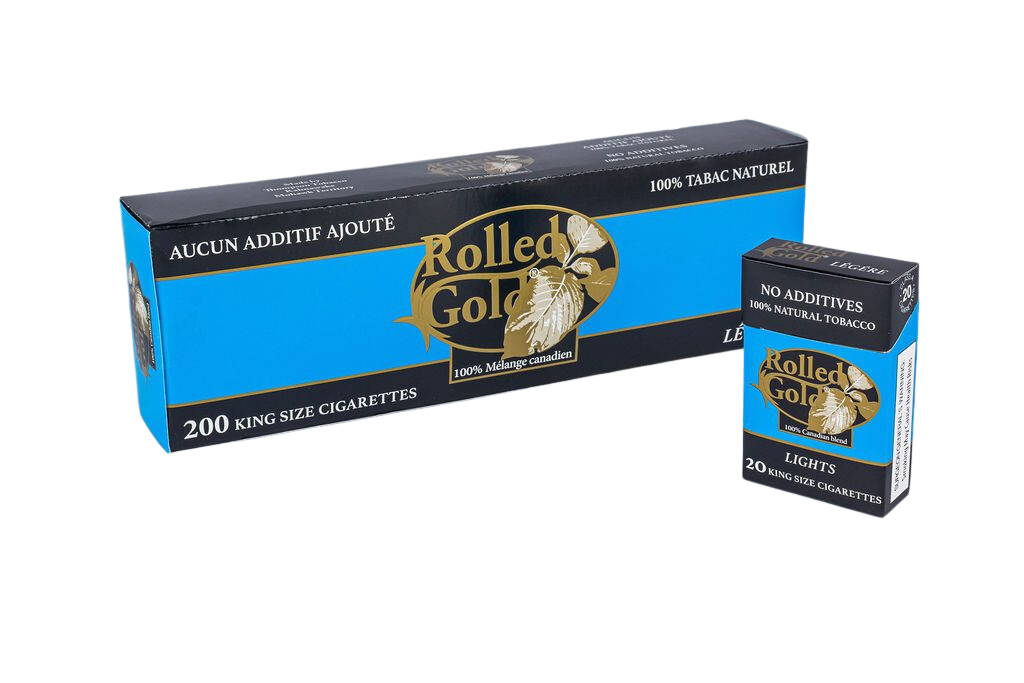
🛒 Popular Native Cigarettes on Cigstore.ca (White Filters, Great Value)
These affordable native brands use white filters — saving you money without compromising quality.
📚 You Might Also Find These Articles Interesting
Why Some Cigarettes Burn Faster
The science of packing density — another filter-related factor.
Anatomy of a Capsule Cigarette
What’s inside the filter (capsules) and how they work.
Filter vs. Non-Filter
The history and chemistry of filtered vs unfiltered cigarettes.
Why Weird Taste?
Fix flavour issues — including stale filters.
Ideal Humidity: Winter Storage
How to store cigarettes to prevent oxidation and yellowing.
🚚 Fast & Reliable Shipping Across Canada
$29 flat shipping on all orders under $290
Free shipping on orders $290 or more – anywhere in Canada
📦 Shipped via Canada Post, Purolator, FedEx, or UPS – carrier selected based on your location for fastest delivery.
Age verification required upon delivery (19+). Indigenous-owned – rooted in tradition, delivered with trust.
🎨 Don’t pay for pretty filters. Pay for quality tobacco.
Native cigarettes use white filters — the same cellulose acetate, without the markup. $29/carton. $29 flat shipping, free over $290.
🛒 Shop Native Cigarettes →Sources: Cellulose acetate filter manufacturing data ; oxidation studies on cigarette components ; tobacco industry marketing archives (1960s-1990s) ; plain packaging impact studies .