
Forgotten Cigarette Brands of the 1970s
Next, Accord, Matinée Extra — What Remains of These Canadian Classics
📦🚬 The 1970s were a golden era for Canadian cigarette brands. Before plain packaging, before the advertising bans, names like Next, Accord, and Matinée Extra filled convenience store shelves. Today, these brands have largely faded from memory — casualties of corporate consolidation, changing consumer tastes, and the relentless pressure of tobacco taxes. This article traces the history of these forgotten 1970s brands, the corporate giants behind them, and what (if anything) remains of them in 2026.
🏢 The Corporate Giants Behind the Brands
To understand the fate of these brands, you need to understand the corporate landscape of Canadian tobacco in the 1970s and 80s. The industry was dominated by three major players:
- Imperial Tobacco Canada — owned brands like Player’s, Du Maurier, and Matinée.
- Rothmans, Benson & Hedges (RBH) — formed from the merger of Rothmans International and Benson & Hedges’ Canadian units [citation:2]. RBH owned Accord as a discount/value brand [citation:2][citation:4].
- Philip Morris International / Altria — which eventually brought Next to Canada as a discount competitor [citation:1].
In 1999, British American Tobacco bought Rothmans and spun off its 60% share of RBH as a separate public company. Then in 2008, Philip Morris International acquired the remaining 60% of RBH for US$2 billion, making PMI the sole owner of Canada’s second-largest cigarette manufacturer [citation:2][citation:6]. This corporate consolidation would prove fatal for many smaller brands.
🔷 Next Cigarettes — From Malaysia to Canada
Producer: Altria / Philip Morris International
Introduced: 1970s / early 1980s
Original positioning: Discount brand, competing with Viceroy, Legend, Studio, and Pall Mall [citation:1]
📜 History:
Next was originally created by Philip Morris International after tax increases in Malaysia pushed Marlboro out of the market [citation:1]. The brand was positioned as a value alternative to premium brands — a strategy that later expanded internationally. In Canada, Next was sold as a discount cigarette brand, competing directly with other imported value brands [citation:1].
Unlike many other forgotten brands, Next actually survived into the modern era. As of the mid-2010s, Next was still available in Canada with several varieties [citation:1]:
- Next Red (Full Flavour)
- Next Blue (Light)
- Next Gold (Smooth)
- Next Green (Menthol) — not available in Alberta [citation:1]
- Next Snap (Menthol Capsule) — not available in Alberta [citation:1]
- Next Xpress (Full Flavour)
❓ What remains today?
Next’s fate is uncertain. In Japan, the brand was discontinued in 2014-2015 due to declining sales, with products being consolidated into Chesterfield or L&M in many countries [citation:3]. In Canada, the brand appears to have been gradually phased out or absorbed into other PMI discount brands. As of 2026, Next is rarely seen on Canadian shelves — a ghost of its former self. The trademark status suggests the brand has been abandoned or allowed to lapse.
🎵 Accord — The Working Smoker’s Choice
Producer: Rothmans, Benson & Hedges (RBH)
Trademark filed: November 1, 1982 [citation:7]
Registered: May 8, 1984 [citation:7]
Original positioning: Discount/value brand — Red, Blue, and Green (Menthol) variants [citation:2]
📜 History:
Accord was a budget-friendly brand produced by Rothmans, Benson & Hedges [citation:2][citation:4][citation:5]. It was positioned as an affordable alternative to premium brands like Du Maurier and Player’s, targeting price-conscious smokers. The brand offered three main variants: Red (full flavour), Blue (light), and Green (menthol) [citation:2].
Accord was part of RBH’s portfolio during the company’s peak years in the 1980s and 1990s. At the time of the 2008 PMI acquisition, Accord was still listed as one of RBH’s active brands, alongside Quebec Classique and other value offerings [citation:6].
The trademark for ACCORD was filed by Benson & Hedges (Canada) Inc. on November 1, 1982, and registered on May 8, 1984. The registration was cancelled on March 25, 2016 — meaning the brand is no longer legally protected or actively marketed [citation:7].
❓ What remains today?
Accord is completely gone. The brand was likely discontinued during portfolio consolidation following the 2008 acquisition of RBH by Philip Morris International [citation:6]. The trademark cancellation in 2016 confirms that no one is actively using or protecting the Accord name in the tobacco category [citation:7].
🇫🇷 Matinée Extra — The Sophisticated Sister
Producer: Imperial Tobacco Canada
Original positioning: Premium extension of the Matinée brand, targeting sophisticated smokers
📜 History:
Matinée (French for “morning”) was a premium brand from Imperial Tobacco Canada, positioned as elegant, European-inspired, and sophisticated — often marketed toward women and urban professionals. Matinée Extra was likely a stronger, longer, or fuller-flavour extension of the main Matinée line, competing with brands like Du Maurier King Size.
The Matinée brand itself (without “Extra”) was produced by Imperial Tobacco Canada. It was known for its distinctive packaging — soft colours, minimalist design, a departure from the bold reds and golds of competitors. The brand was popular in Quebec and among style-conscious smokers.
❓ What remains today?
Nothing — both Matinée and Matinée Extra are completely extinct. Imperial Tobacco quietly phased out the Matinée brand in the early 2000s as advertising restrictions tightened. Without the ability to market its “lifestyle” appeal, the brand lost its competitive edge. Imperial consolidated its portfolio around its heavyweights: Du Maurier and Player’s — the two brands that still survive today (in plain packaging).
📊 The Forgotten Three: Side-by-Side
| Brand | Producer | Introduced | Discontinued | Status Today (2026) |
|---|---|---|---|---|
| Next | Altria / Philip Morris | 1970s (Malaysia), later Canada | ~2015-2018 (estimated) | Very rare — likely discontinued\n |
| Accord | Rothmans, Benson & Hedges (RBH) | 1982 (trademark filed) | Pre-2016 (trademark cancelled) | Completely gone |
| Matinée Extra | Imperial Tobacco Canada | 1970s (estimated) | Early 2000s | Completely gone (Matinée also gone) |
📉 Why Did These Brands Disappear?
The disappearance of Next, Accord, and Matinée Extra can be attributed to five key factors:
1. Corporate Consolidation (2008 RBH Acquisition)
When Philip Morris International acquired Rothmans, Benson & Hedges in 2008 for US$2 billion, it inherited a portfolio of overlapping brands [citation:2][citation:6]. PMI streamlined operations, cutting smaller or underperforming brands like Accord. Next, being a PMI brand itself, was also rationalized as the company focused on global powerhouse brands (Marlboro, L&M, Chesterfield).
2. Advertising Bans (1997 Tobacco Act)
The 1997 Tobacco Act banned most forms of tobacco advertising, promotion, and sponsorships. Brands like Matinée — which relied heavily on lifestyle marketing and visual identity — lost their ability to reach consumers. Without advertising, brand loyalty eroded, and weaker brands were dropped.
3. Plain Packaging (2019)
When plain packaging became law in 2019, all cigarettes were reduced to identical drab brown packages with standardized fonts. Brand differentiation — already weak — became legally irrelevant. Keeping multiple similar brands made no economic sense.
4. Discount Brand Competition from Native Cigarettes
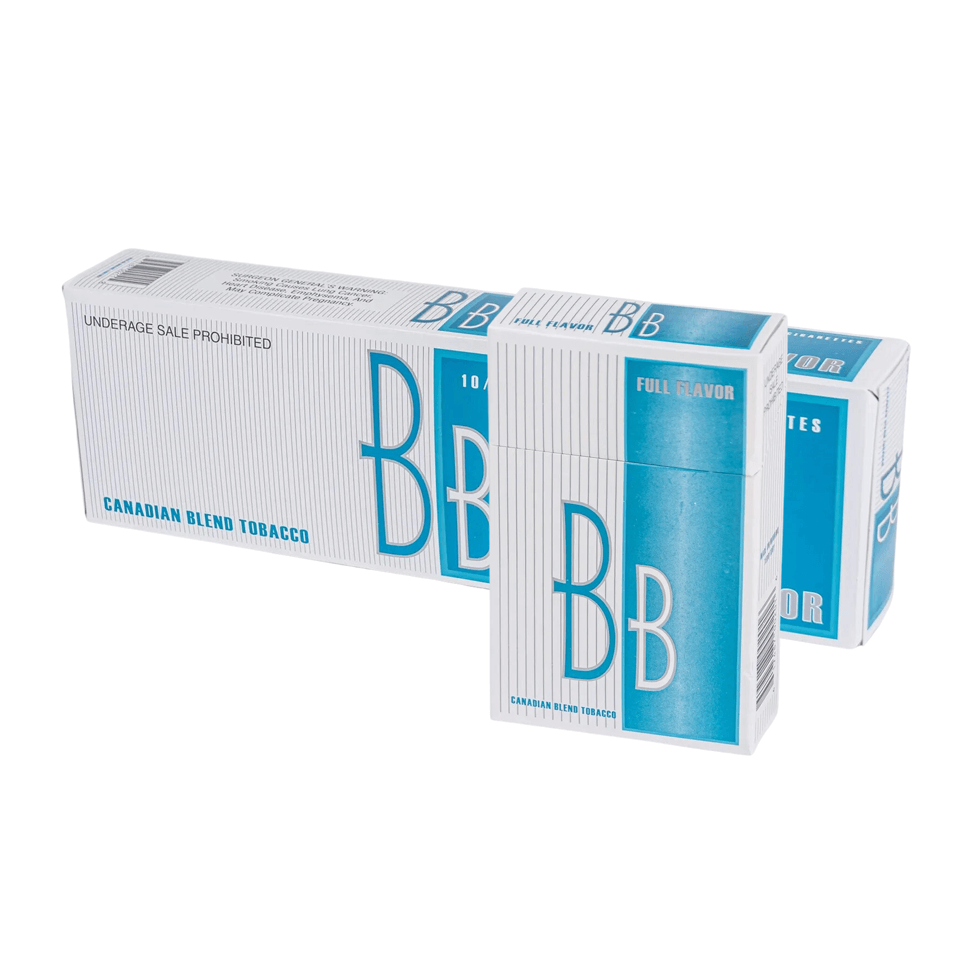
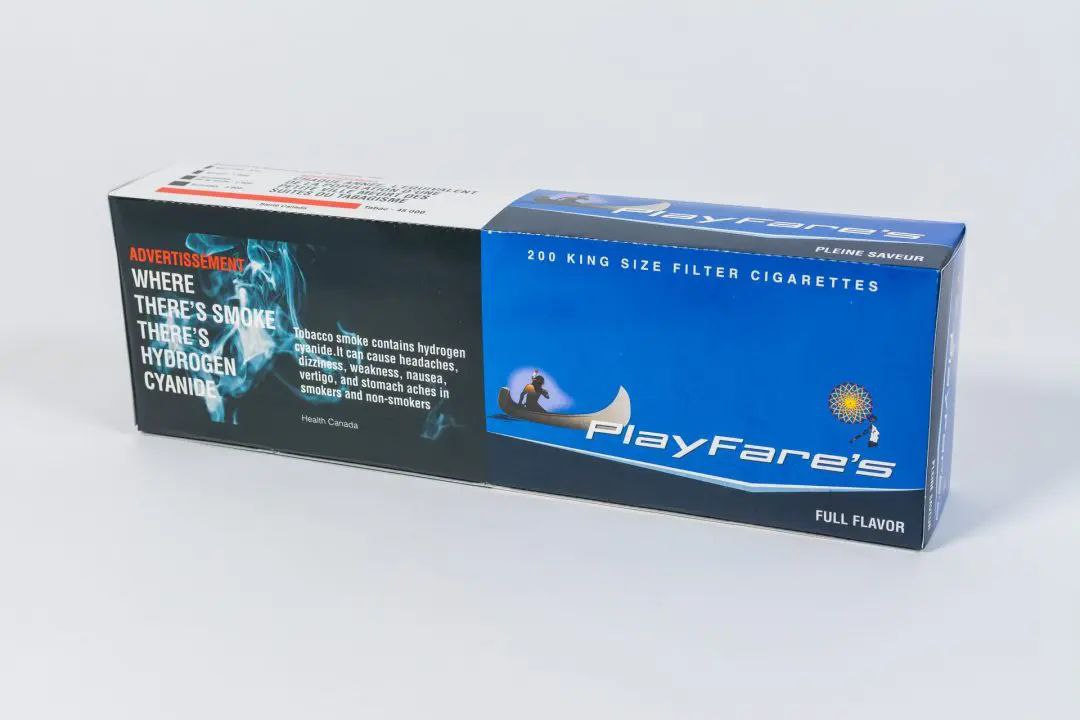
The rise of native cigarettes (priced at $35-40/carton vs $120+ for commercial brands) ate into the discount market. Why buy Next or Accord for $80-90/carton when you could get BB or Playfare for half the price? Native cigarettes offered better value, accelerating the decline of value-tier commercial brands.
5. Changing Consumer Tastes
Younger smokers (Gen Z) have largely abandoned traditional cigarettes for vapes. The entire cigarette market is shrinking — down from 60% of Canadians smoking in 1965 to under 11% today. As the pie shrinks, weaker brands are the first to go.
🪶 What Replaced These Forgotten Brands?
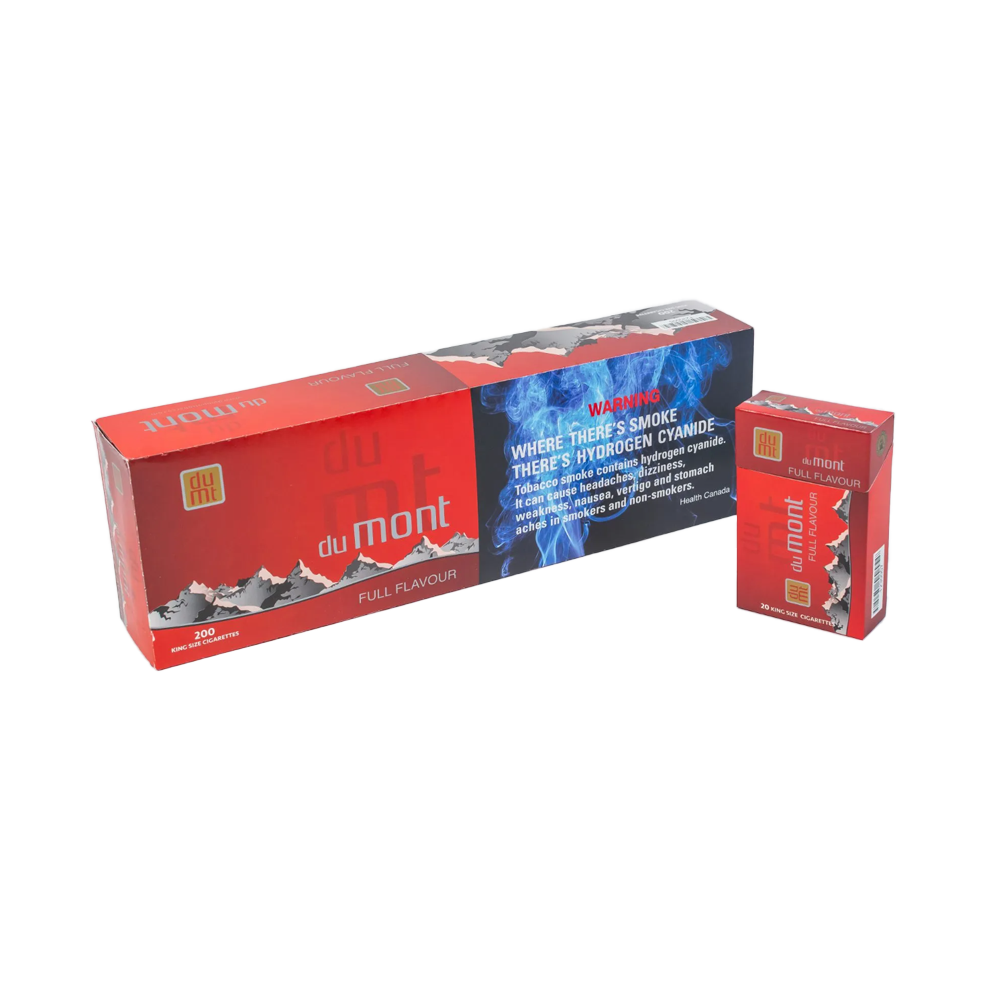
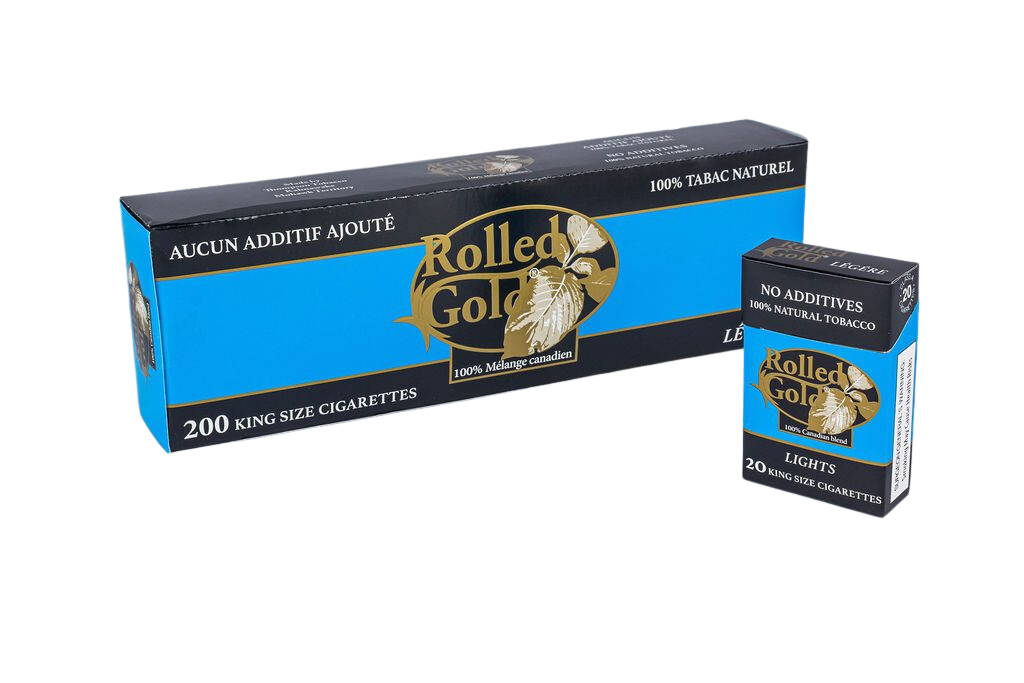
In the value segment once occupied by Next and Accord, native cigarettes have become the dominant choice for price-conscious Canadian smokers. Brands like BB, Playfare, DuMont, and Rolled Gold offer:
- The same quality as commercial value brands
- 2-3 times lower prices — $35/carton vs $80-120+ for commercial
- No plain packaging stigma — native cigarettes often use their own distinctive packaging
- Direct delivery — no gas station markup, no middleman
While Next, Accord, and Matinée Extra have faded into history, the demand for affordable cigarettes has never been stronger — it’s just being met by a different source.
📌 Honest Summary
What happened to Next, Accord, and Matinée Extra? They were casualties of corporate consolidation, advertising bans, plain packaging, and competition from native cigarettes.
Is any trace of them left? Next may still be found in some dusty convenience stores or overseas markets, but its Canadian presence is negligible. Accord’s trademark was cancelled in 2016 — the brand is legally dead. Matinée Extra disappeared in the early 2000s.
Can you still buy them anywhere? Unlikely. Your best bet would be vintage packs from collectors — but those are for display, not smoking (tobacco degrades over time).
The bottom line: The cigarette market of the 1970s — with its dozens of distinct brands, colourful packaging, and lifestyle advertising — is gone forever. Plain packaging, taxes, and shifting social norms have reduced the Canadian market to a handful of legacy brands (Du Maurier, Player’s, Canadian Classics) plus a thriving native cigarette sector. The forgotten brands are not coming back.
🛒 Popular Native Cigarettes on Cigstore.ca (The New Value Leaders)
While Next, Accord, and Matinée Extra are gone, these native brands deliver the same quality at a fraction of the price.
📚 You Might Also Find These Articles Interesting
Forgotten Canadian Brands of the 90s
Matinée, Number 7, Belmont — the story continues.
Rise and Fall of Du Maurier
How the king of Canadian cigarettes lost its crown.
History of Smoking in Canada
From glamorous ads to plain brown packs.
How Cigarettes Were Advertised
The visual history of Canadian tobacco marketing.
The Smoker’s Graveyard
Even more forgotten Canadian brands.
🚚 Fast & Reliable Shipping Across Canada
$29 flat shipping on all orders under $290
Free shipping on orders $290 or more – anywhere in Canada
📦 Shipped via Canada Post, Purolator, FedEx, or UPS – carrier selected based on your location for fastest delivery.
Age verification required upon delivery (19+). Indigenous-owned – rooted in tradition, delivered with trust.
📦 Remember the past. Smoke the present.
Forgotten brands don’t come back — but native cigarettes offer the same affordability. $29/carton. $29 flat shipping, free over $290.
🛒 Shop Native Cigarettes →Sources: Wikipedia (Next cigarette) ; Wikipedia (Rothmans, Benson & Hedges) ; Trademark filing for ACCORD (USPTO Serial 73401281) ; Chinese tobacco industry report on 2008 PMI/RBH acquisition.