
How Smoking Affects Tongue Colour and Disease Diagnosis
What Your Tongue Reveals About Your Health — A Guide for Smokers
👅🚬 Stick out your tongue and look in the mirror. What colour do you see? In traditional Chinese medicine (TCM) and modern functional medicine, the tongue is a diagnostic window into your overall health. Colour, coating, shape, and texture can reveal clues about hydration, nutrition, infection, and even systemic diseases. But smoking changes everything. From the classic “black hairy tongue” to yellow coatings and smooth red surfaces, smoking-induced tongue changes are real — and they can complicate medical diagnosis. This article explores how smoking affects your tongue, what those changes mean, and when you should see a doctor.
👅 What a Healthy Tongue Looks Like (Non-Smoker)
According to medical guidelines and traditional Chinese medicine, a healthy tongue has specific characteristics:
- Colour: Pale red (not bright red, not purple, not white).
- Coating: Thin, white, and moist — not thick, greasy, or dry.
- Shape: No cracks, scalloped edges, or swelling.
- Surface: Small bumps (papillae) visible but not enlarged or hairy.
- Movement: Can stick out straight without deviation.
🎨 How Smoking Changes Tongue Colour — 5 Common Variations
🖤 1. Black Hairy Tongue (Lingua Villosa Nigra)
What it looks like: The tongue appears black, brown, or dark yellow, with a “hairy” or fuzzy appearance.
What causes it: Smoking is a primary cause of black hairy tongue. Tobacco smoke, especially tar and nicotine, irritates the papillae (tiny bumps on the tongue), causing them to elongate and trap bacteria, yeast, and food debris. The trapped material oxidizes and turns dark .
Prevalence: Black hairy tongue is more common in smokers, especially heavy smokers, and often resolves after quitting .
Is it dangerous? Usually benign (not cancerous), but it can cause bad breath, altered taste, and a burning sensation. It may also mask other diagnostic signs.
🟡 2. Yellow Coating
What it looks like: A thick, yellow film covering the tongue.
What causes it: Tobacco smoke residue can temporarily stain the tongue yellow. However, a persistent yellow coating may also indicate liver or gallbladder issues, digestive problems, or bacterial overgrowth — conditions that can be exacerbated by smoking.
When to worry: If the yellow coating doesn’t resolve with improved oral hygiene and smoking reduction after 1-2 weeks, see a doctor.
🤍 3. White Coating or Patches
What it looks like: Thick white coating covering the entire tongue, or distinct white patches (leukoplakia).
What causes it: Leukoplakia — thick, white patches that cannot be scraped off — is directly linked to smoking. Between 70-90% of people with leukoplakia are smokers . These patches are considered precancerous and require monitoring .
Risk: About 5-25% of leukoplakia lesions eventually develop into oral cancer .
🔴 4. Bright Red Tongue (Strawberry Tongue)
What it looks like: Unusually red, sometimes with prominent papillae (strawberry-like appearance).
What causes it: In smokers, chronic irritation can cause persistent redness. But a bright red tongue may also indicate:
- Vitamin B12 or folate deficiency (more common in smokers)
- Scarlet fever (unlikely unless other symptoms)
- Glossitis (inflammation of the tongue)
When to worry: If accompanied by fatigue, numbness, or weight loss, see a doctor.
💜 5. Purple or Bluish Tongue
What it looks like: A tongue with a purple or bluish tinge.
What causes it: In TCM, a purple tongue indicates blood stasis or circulatory problems. Smoking damages blood vessels and reduces oxygen delivery (carbon monoxide poisoning), which can manifest as bluish discoloration. This can be a sign of cardiovascular disease, chronic bronchitis, or COPD — all more common in smokers.
📋 Other Tongue Changes Smokers Should Know
- Fissured tongue (cracked tongue): Deep grooves or cracks on the tongue surface. Smoking, along with aging, dehydration, and certain syndromes, can worsen this condition. Cracks can trap bacteria, leading to bad breath and irritation.
- Atrophic glossitis (smooth tongue): The tongue loses its bumps (papillae), appearing smooth and glossy. This is often caused by nutritional deficiencies — iron, B12, or folate — which are more common in smokers due to impaired nutrient absorption .
- Burning mouth syndrome: Smokers report higher rates of chronic burning sensation on the tongue without visible changes. This may be related to nerve damage from long-term nicotine exposure.
- Altered taste perception: Smoking flattens taste buds and reduces blood flow to taste receptors, leading to reduced sensitivity to sweet, salty, bitter, sour, and umami . Smokers often need stronger flavours to perceive taste.
🪶 Tongue Diagnosis in Traditional Chinese Medicine — What Smokers Should Know
In TCM, the tongue is divided into zones corresponding to different organ systems. Smoking disrupts the balance of Qi and blood, leading to specific patterns:
- Purple tongue: Indicates blood stasis — common in smokers with cardiovascular disease.
- Yellow coating: Suggests “damp heat” in the stomach or liver — aggravated by smoking.
- Cracks in the center: May indicate stomach yin deficiency — worsened by smoking’s drying effect.
- Scalloped edges: Suggests spleen Qi deficiency — common in malnourished or poorly absorbing smokers.
TCM practitioners often ask about smoking status because it confounds diagnosis — smoking-induced tongue changes can mimic other disease patterns, leading to misdiagnosis.
📊 Smoker vs. Non-Smoker Tongue — A Diagnostic Comparison
| Tongue Feature | Non-Smoker (Healthy) | Smoker (Typical Changes) |
|---|---|---|
| Colour | Pale red | Yellow, brown, black, or purple |
| Coating | Thin, white, moist | Thick, yellow/brown, or absent (geographic) |
| Papillae | Normal, visible | Elongated (“hairy”) or flattened (smooth) |
| Surface | Smooth, no cracks | Fissures, cracks, geographic patches |
| Taste sensitivity | Normal | Reduced (especially sweet and salty) |
| Leukoplakia risk | ~1-2% | ~10-20% (precancerous) |
🪥 How to Improve Tongue Health (Even If You Still Smoke)
- Brush your tongue daily: Use a tongue scraper or toothbrush to remove plaque, bacteria, and surface stains. This reduces black hairy tongue and bad breath.
- Stay hydrated: Smoking dries out the mouth, worsening tongue coating and fissures. Drink water throughout the day.
- Improve nutrition: Smokers need more B vitamins, folate, iron, and antioxidants due to increased oxidative stress. Leafy greens, eggs, and lean meats help.
- Reduce sugar and coffee: Both contribute to tongue coating and bacterial overgrowth.
- Switch to lighter cigarettes or cut down: Reducing nicotine and tar intake can slow tongue changes.
- See a dentist regularly: Oral cancer screening should be annual for smokers. Your dentist can monitor leukoplakia and other precancerous changes.
🚨 When to See a Doctor — Red Flags on Your Tongue
- White patches that won’t scrape off (leukoplakia) — These are precancerous. See a dentist or doctor for biopsy.
- A sore or lump on the tongue lasting more than 2 weeks — Could be oral cancer.
- Numbness, difficulty swallowing, or a feeling of something stuck in the throat — Neurological signs require investigation.
- Sudden change in tongue colour to purple or blue — Could indicate circulatory or respiratory emergency.
- Bleeding from the tongue without injury — Requires immediate dental or medical evaluation.
Don’t delay: Oral cancer caught early has a 80-90% survival rate. Caught late, it drops dramatically. Smokers are at much higher risk — regular self-examination and professional screening save lives.
📌 Honest Summary
Does smoking change tongue colour? Yes — significantly. Smoking causes black hairy tongue, yellow coatings, white precancerous patches (leukoplakia), and purple discoloration from poor circulation .
Can your tongue reveal other health problems? Yes — but smoking masks or mimics some signs. Tongue diagnosis is more complicated in smokers because smoking-related changes overlap with disease symptoms .
What’s the most dangerous tongue change in smokers? Leukoplakia (white patches that don’t scrape off). 5-25% of these lesions become oral cancer . See a dentist immediately.
The bottom line: Your tongue is telling you something. Smoking turns it from a diagnostic tool into a confused signal. If you smoke, pay extra attention to oral health, see your dentist regularly, and consider quitting — your tongue (and your life) may depend on it.
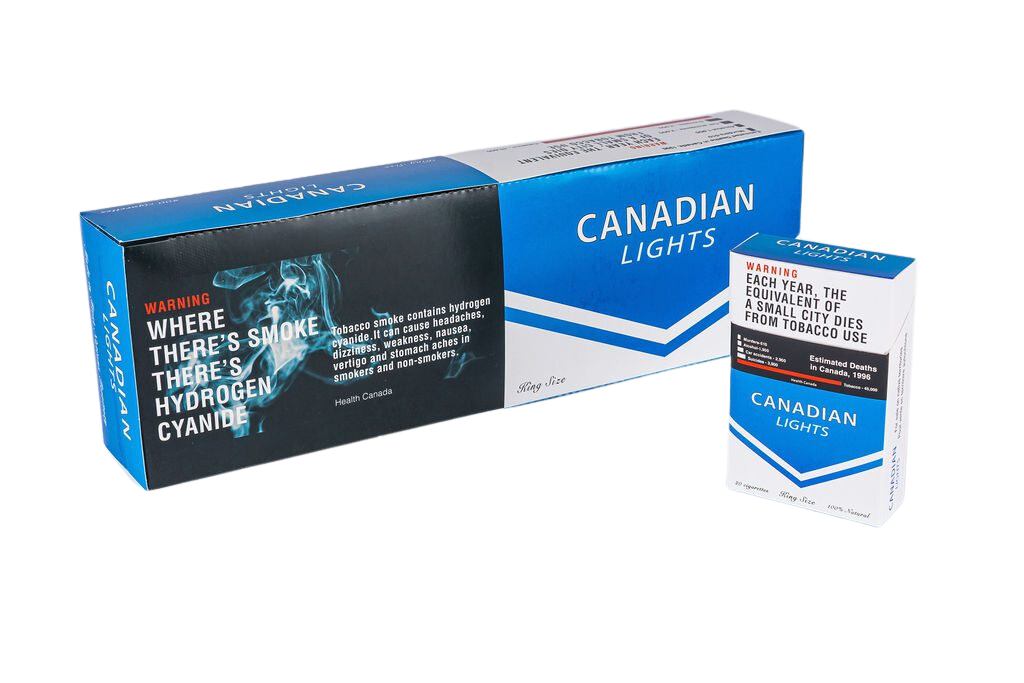
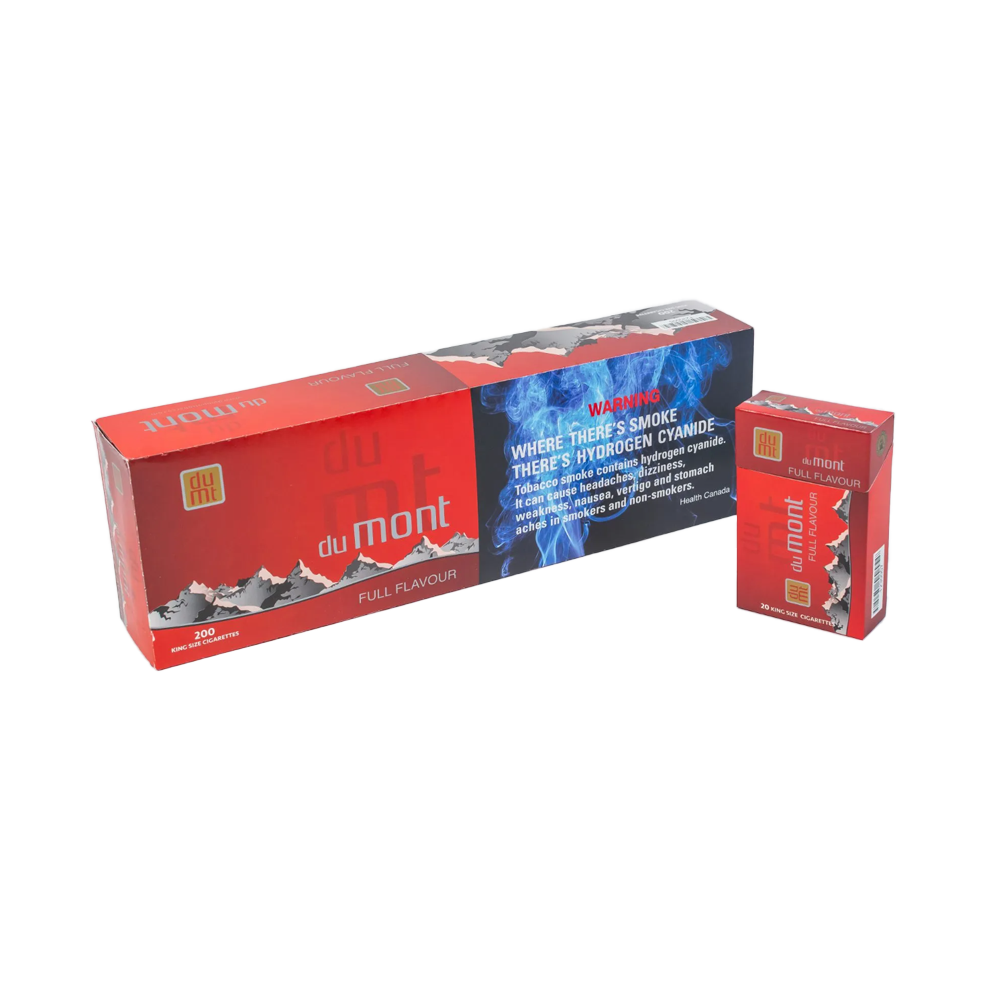
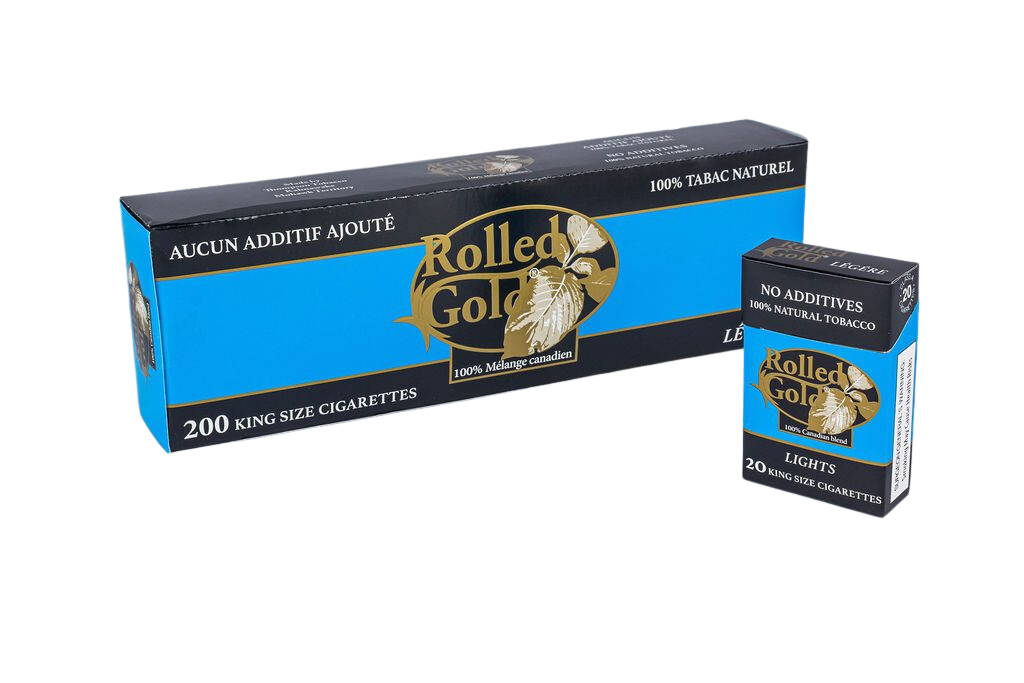
🛒 Popular Native Cigarettes on Cigstore.ca
Affordable cartons for Canadian smokers — but remember, your tongue and oral health will thank you if you cut down or quit.


📚 You Might Also Find These Articles Interesting
Smoking & Dental Health
How smoking affects your teeth, gums, and implants.
Smoking and Vision
How smoking affects another sensory organ — your eyes.
Smoking & Skin, Hair, Nails
The visible signs of long-term smoking.
Smoking and Appetite
How nicotine affects your digestive system and nutrition.
Smoking and Stress
How nicotine affects your brain — and your oral health habits.
🚚 Fast & Reliable Shipping Across Canada
$29 flat shipping on all orders under $290
Free shipping on orders $290 or more – anywhere in Canada
📦 Shipped via Canada Post, Purolator, FedEx, or UPS – carrier selected based on your location for fastest delivery.
Age verification required upon delivery (19+). Indigenous-owned – rooted in tradition, delivered with trust.
👅 Listen to what your tongue is telling you.
Native cigarettes from $29/carton — but your health is worth more than savings. $29 flat shipping, free over $290.
🛒 Shop Native Cigarettes →Sources: National Library of Medicine (black hairy tongue) ; Cleveland Clinic (leukoplakia) ; American Academy of Oral Medicine ; Traditional Chinese Medicine tongue diagnosis literature ; Nutritional deficiency studies in smokers.