
How Smoking Affects Antibiotics and Painkillers
The Science of Drug Metabolism — Why Smokers May Need Different Doses
💊🚬 You’re prescribed an antibiotic for a respiratory infection. Or you’re recovering from surgery and need pain relief. But the medication doesn’t seem to work as well as it should — or you need more than expected. The culprit might be hiding in plain sight: your smoking habit. Cigarette smoke contains thousands of chemicals that interact with your body’s ability to process medications [citation:1]. This article explains how smoking affects antibiotics and painkillers, the science behind drug metabolism, and what smokers need to know when taking prescription medications.
🔬 The Mechanism: How Smoking Speeds Up Drug Breakdown
Cigarette smoke contains polycyclic aromatic hydrocarbons (PAHs) — compounds that induce (speed up) several cytochrome P450 enzyme systems in the liver [citation:1]. These enzymes are responsible for metabolizing most medications. The key enzymes affected are:
- CYP1A1, CYP1A2, and CYP2E1 — primarily induced by PAHs in cigarette smoke [citation:1].
- Glucuronosyltransferases (UGTs) — also induced, affecting drug elimination [citation:1].
- CYP2A6 — the main enzyme that metabolizes nicotine itself [citation:1].
A comprehensive 2025 systematic review published in the European Journal of Clinical Pharmacology examined the influence of cigarette smoking on drug metabolism and effects [citation:6]. Key findings:
- 31 out of 37 studies showed relevant modifications in pharmacokinetics or drug effects in smokers compared to non-smokers [citation:6].
- 20 studies focused on drugs for psychiatric or neurological disorders, showing reduced plasma concentrations or increased clearance in smokers [citation:6].
- 7 studies on anticancer drugs indicated increased drug metabolism in smokers [citation:6].
- The most common mechanism was induction of CYP1A2 by cigarette smoking [citation:6].
💊 Antibiotics: Do They Work Less Effectively in Smokers?
📋 Antibiotics Affected by Smoking
- Metronidazole and cycloserine — The 2025 systematic review identified these antibiotics as having reduced plasma concentrations or increased clearance in smokers [citation:6].
- Amoxicillin — A clinical trial including 483 current smokers found an interaction term of 0.19 (95% CI: 0.02 to 0.37, p=0.029), suggesting smoking alters the response to amoxicillin [citation:10].
🧫 Lab Evidence: Cigarette Smoke Condensate and Antibiotic Resistance
A 2025 laboratory study examined how cigarette smoke condensate (CSC) affects antibiotics against Pseudomonas aeruginosa — a bacteria that causes serious respiratory infections [citation:2]. Key findings:
- Low concentrations of CSC increased bacterial biofilm mass — making infections harder to treat [citation:2].
- CSC attenuated synergistic antimicrobial interactions — meaning combinations of antibiotics worked less well in the presence of cigarette smoke components [citation:2].
- CSC reduced the ability of antibiotics to decrease preformed biofilm density — established infections became more resistant to treatment [citation:2].
💉 Painkillers: Smokers Need Higher Doses and Develop Tolerance Faster
📌 Opioid Analgesics — The Evidence
- Smokers present with more severe and extended chronic pain outcomes and have a higher frequency of prescription opioid use [citation:3].
- Current tobacco smoking is a strong predictor of risk for nonmedical use of prescription opioids [citation:3].
- Higher postoperative opioid requirements — A clinical trial registered in 2023 specifically examines whether smokers need more postoperative opioid analgesics than non-smokers, building on previous findings that male smokers consumed more analgesics than non-smokers [citation:8].
🧬 Codeine Metabolism and Tolerance
A 2017 study in rat models examined how nicotine affects codeine analgesia and tolerance [citation:7]. Key findings:
- Nicotine increased acute codeine analgesia — 1.32-fold change in pain relief (p<0.05) [citation:7].
- BUT nicotine dramatically accelerated tolerance development — The rate of loss of peak analgesia was 11.42%/day in nicotine-treated rats vs. 4.20%/day in controls (p<0.006) [citation:7].
- Brain CYP2D induction by nicotine increased the conversion of codeine to morphine, but led to faster tolerance [citation:7].
- The rate of tolerance correlated with initial analgesic response — meaning smokers who get good initial pain relief may develop tolerance much faster [citation:7].
📋 Other Medications Smokers Should Know About
According to comprehensive reviews, smoking affects numerous other drug classes [citation:1][citation:6]:
- Cardiovascular drugs (propranolol, theophylline) — smoking increases their metabolism [citation:1].
- Caffeine — smokers metabolize caffeine 50-100% faster than non-smokers [citation:1].
- Insulin — smoking may alter insulin requirements in diabetics [citation:1].
- Acetaminophen (Tylenol) — dosage adjustments may be needed in smokers [citation:1].
- Steroid hormones — metabolism is affected; combined oral contraceptives are actually contraindicated in heavy smokers over 35 due to cardiovascular risk [citation:1].
⚠️ Critical Warning: Quitting Smoking Affects Your Medication Doses
When you stop smoking, your liver enzyme activity returns to normal over several weeks. This means:
- Medications that were being metabolized faster will now be metabolized slower.
- Without dosage adjustment, drug levels can become dangerously high — leading to toxicity or overdose.
- Specific drugs requiring monitoring after smoking cessation include acetaminophen, caffeine, imipramine, oxazepam, pentazocine, propranolol, theophylline, and insulin [citation:1].
📊 Smoker vs. Non-Smoker: Drug Metabolism Differences
| Medication Class | Non-Smoker | Smoker | Clinical Implication |
|---|---|---|---|
| Antibiotics (e.g., metronidazole) | Normal metabolism | Increased clearance, reduced levels | Potential therapeutic failure [citation:6] |
| Opioid painkillers | Normal analgesia, normal tolerance development | Higher doses needed, faster tolerance, increased risk of dependence | Higher risk of dose escalation [citation:3][citation:7] |
| Antidepressants (imipramine) | Normal plasma levels | Reduced plasma levels | May need higher doses |
| Caffeine | Normal half-life (3-5 hours) | 50-100% faster metabolism | Reduced stimulant effect |
| Oral contraceptives | Safe for most | Contraindicated in heavy smokers over 35 | Increased cardiovascular risk [citation:1] |
✅ Practical Recommendations for Smokers on Medications
- Always disclose your smoking status to all healthcare providers — including how many cigarettes you smoke per day and how long you’ve smoked [citation:3].
- Before starting a new medication, ask your doctor: “Does smoking affect how this drug works? Do I need a different dose because I smoke?”
- If you’re a heavy smoker (>1 pack/day), be aware that standard doses of many medications may be insufficient [citation:1].
- When you quit smoking, notify your doctor — your medication doses may need to be reduced to prevent toxicity [citation:1].
- For pain management, be aware that you may develop tolerance to opioids faster than non-smokers, which can lead to dose escalation [citation:7].
- If an antibiotic doesn’t seem to be working, don’t assume it’s the wrong drug — smoking may be reducing its effectiveness [citation:6].
📌 Honest Summary
Does smoking affect how antibiotics work? Yes. Smokers show reduced plasma concentrations and increased clearance of several antibiotics, potentially leading to therapeutic failure [citation:6].
Do smokers need higher doses of painkillers? Yes — and they develop tolerance faster. Smokers report more severe pain, require more opioids post-surgery, and develop tolerance to codeine at nearly 3x the rate of non-smokers [citation:3][citation:7].
What’s the most important thing to know? When you quit smoking, your medication needs will change. Drugs that were being metabolized quickly will suddenly be broken down slower, leading to potentially toxic levels if doses aren’t adjusted [citation:1].
The bottom line: Smoking doesn’t just harm your lungs — it fundamentally changes how your body processes medications. If you smoke, always tell your doctor. If you quit, tell your doctor again. Your life may depend on getting the right dose at the right time.
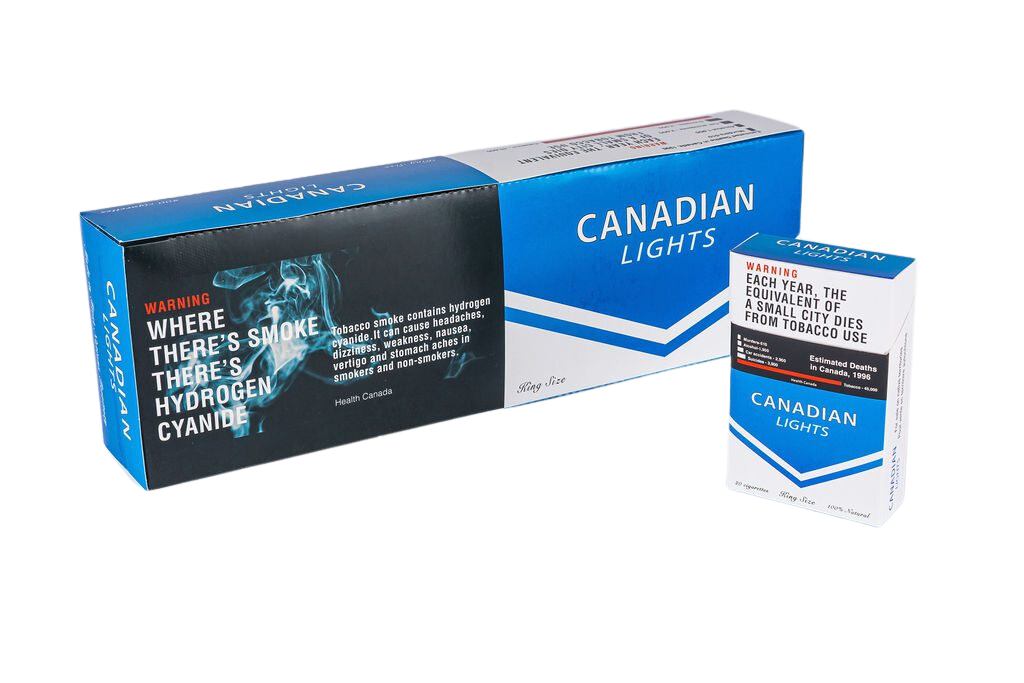
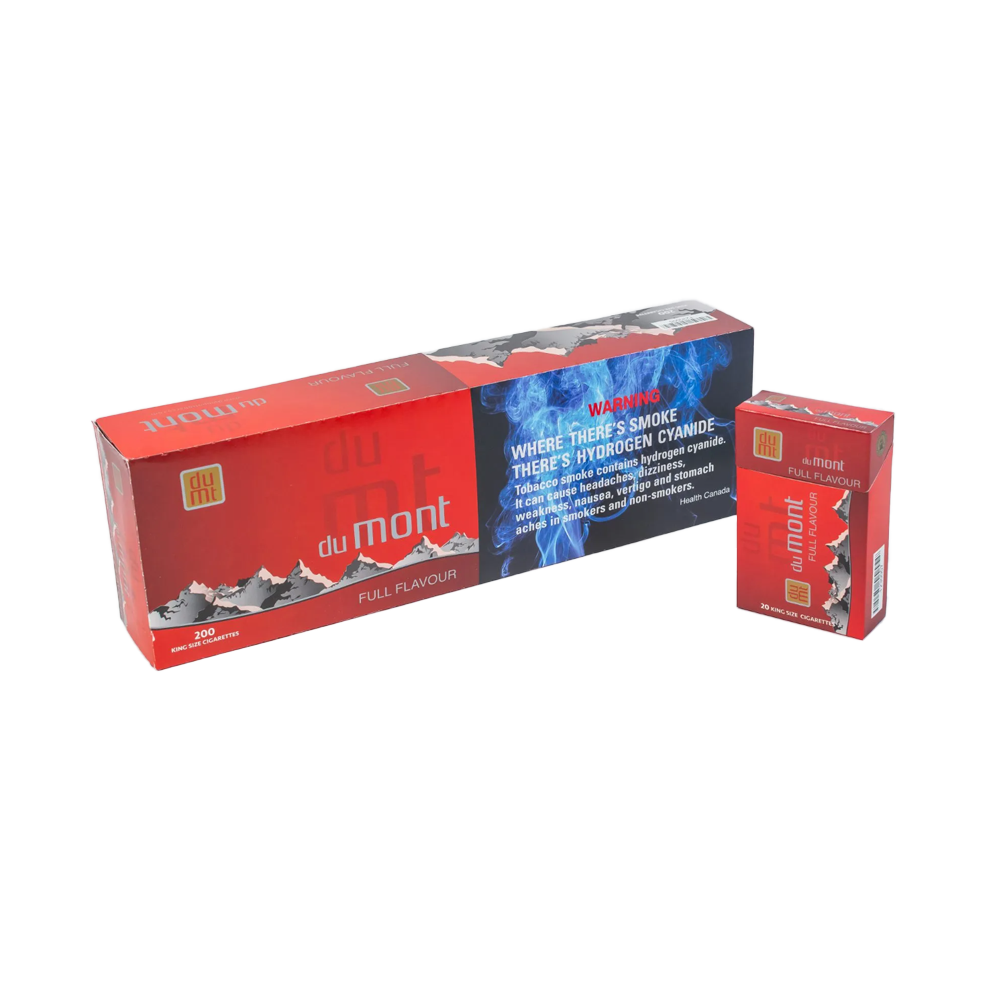
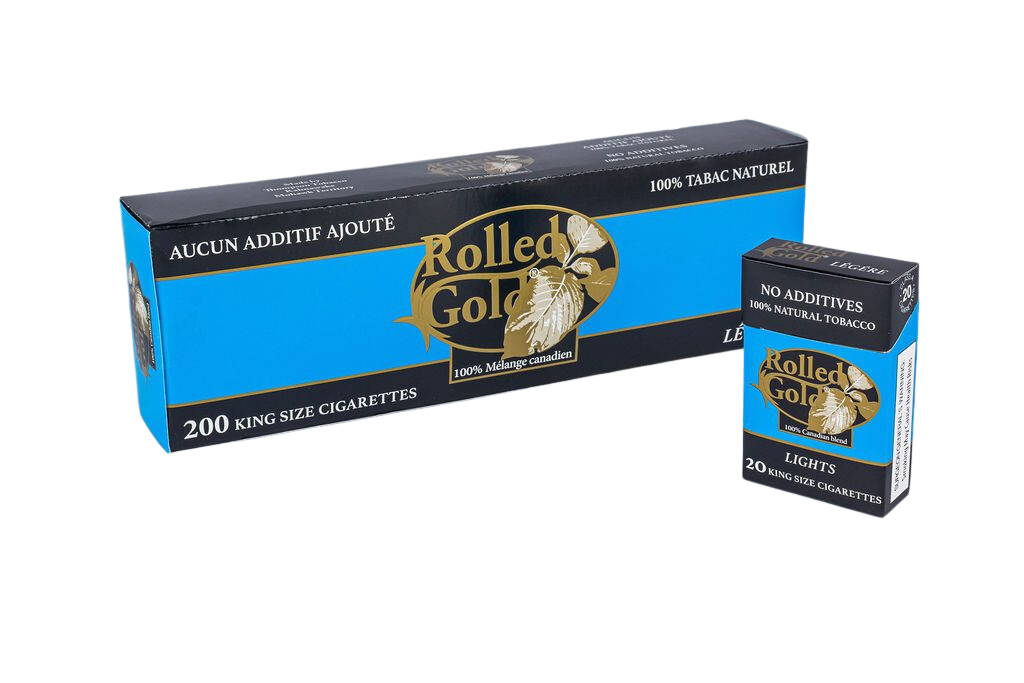
🛒 Popular Native Cigarettes on Cigstore.ca
Affordable cartons for Canadian smokers — but remember, your medications may work differently if you smoke.


📚 You Might Also Find These Articles Interesting
Smoking and Immunity
How smoking affects your body’s defenses — relevant for fighting infections.
Smoking and Appetite
How nicotine affects your body’s regulatory systems.
Smoking and Vision
Another way smoking affects sensory systems.
Smoking and Stress
How nicotine affects your brain.
Menthol & Male Potency
How smoking affects another aspect of male health.
🚚 Fast & Reliable Shipping Across Canada
$29 flat shipping on all orders under $290
Free shipping on orders $290 or more – anywhere in Canada
📦 Shipped via Canada Post, Purolator, FedEx, or UPS – carrier selected based on your location for fastest delivery.
Age verification required upon delivery (19+). Indigenous-owned – rooted in tradition, delivered with trust.
💊 Your medications work differently if you smoke. Know the risks.
Native cigarettes from $29/carton — but always be honest with your doctor about your smoking status. $29 flat shipping, free over $290.
🛒 Shop Native Cigarettes →Sources: CNKI Nicotine and Tobacco drug interaction review [citation:1]; MDPI Antibiotics 2025 study on cigarette smoke condensate and antimicrobial resistance [citation:2]; PubMed opioid analgesics and nicotine review (2015) [citation:3]; European Journal of Clinical Pharmacology systematic review (2025) [citation:6]; PubMed codeine tolerance study (2017) [citation:7]; ICHGCP postoperative pain study (2023) [citation:8]; NIH amoxicillin trial data [citation:10].