
Why Rural Canadians Smoke More Than Urban Canadians
Data, Causes, and the Hidden Factors Behind Canada’s Rural Smoking Crisis
🌾🚬 Across Canada, a persistent health divide separates rural and urban communities. If you live in a small town or rural area, you are significantly more likely to smoke than your city-dwelling counterpart. In some rural regions, smoking rates are nearly double the national average. This article explores the complex web of factors behind this disparity: lower incomes, less access to cessation programs, cultural norms, the influence of native cigarettes, and the social isolation that makes quitting harder. Understanding why rural Canadians smoke more is the first step toward effective solutions.
Rural Canadians are 67% more likely to smoke than urban Canadians.
The gap is even wider in some provinces. In Newfoundland and Labrador, rural smoking rates exceed 22% compared to 14% in urban St. John’s. In Saskatchewan, rural rates hover near 20% while Regina sits at 13%. The pattern holds across every province — from British Columbia to Nova Scotia. This is not a coincidence. It’s a systemic issue rooted in economics, geography, and culture.
📊 Provincial Comparison: Urban vs. Rural Smoking Rates (2024)
| Province | Urban Rate (%) | Rural Rate (%) | Gap (percentage points) |
|---|---|---|---|
| Newfoundland & Labrador | 14.1% | 22.3% | +8.2 |
| New Brunswick | 13.7% | 19.8% | +6.1 |
| Nova Scotia | 12.9% | 18.5% | +5.6 |
| Quebec | 12.1% | 17.9% | +5.8 |
| Ontario | 10.4% | 15.2% | +4.8 |
| Manitoba | 12.2% | 18.8% | +6.6 |
| Saskatchewan | 13.0% | 20.1% | +7.1 |
| Alberta | 11.5% | 17.3% | +5.8 |
| British Columbia | 9.8% | 14.2% | +4.4 |
| Yukon / NWT / Nunavut | 15.2% (Whitehorse) | 26.5% (rural) | +11.3 |
📊 Source: Statistics Canada, Canadian Community Health Survey (2024). Rates are for daily or occasional smokers aged 18+.
💰 Cause #1: Lower Incomes and the Appeal of Native Cigarettes
Median household incomes in rural Canada are significantly lower than in major cities. In rural Nova Scotia, median income is roughly 30% lower than in Halifax. When money is tight, price matters — and native cigarettes are dramatically cheaper. A carton of commercial cigarettes costs $150–220 in most provinces. A carton of native cigarettes (Playfare, Canadian, DuMont) costs $29–50. For a rural worker earning minimum wage or seasonal income, the choice is obvious.
- 📉 Income disparity: Rural Canadians earn 15-25% less than urban Canadians on average, but cigarette prices are almost identical.
- 🏪 Access to native brands: Rural communities — especially in Atlantic Canada, Quebec, Ontario, and the Prairies — have easier access to reserve-based native cigarette retailers, either through local shops or online delivery.
- 💰 The math of switching: A pack-a-day smoker saves $3,000–5,000 per year by switching from commercial to native cigarettes. For a rural family on a tight budget, this is transformational.
🏥 Cause #2: Lack of Access to Smoking Cessation Programs
Quitting smoking is hard enough with support. In rural Canada, that support is often unavailable. Many rural communities lack local smoking cessation clinics, group counselling, or even pharmacies with trained cessation staff. Telehealth services exist, but they require reliable internet — which is not a given in remote areas.
- 📞 Helplines are underused: The Smokers’ Helpline (1-877-513-5333) is available nationally, but rural callers are less likely to follow through without in-person support.
- 💊 Nicotine replacement therapy (NRT): Patches, gum, and lozenges are available in rural pharmacies — but prices can be higher, and selection is limited.
- 👨⚕️ Doctor shortages: Many rural areas have chronic physician shortages. A smoker who wants to quit may not have a regular doctor to help.
- 📉 Result: Rural smokers who want to quit have fewer resources, leading to lower quit success rates and higher continued smoking.
🌾 Cause #3: Cultural Norms and Social Acceptability
In small towns, smoking is often more socially acceptable than in cities. In urban centres, smoking has been stigmatized for decades — banned in bars, restaurants, offices, and many public spaces. In rural communities, these bans exist but are less stringently enforced, and social pressure to quit is weaker.
- 🚜 “Blue-collar” culture: Many rural industries (farming, fishing, logging, trucking, oil and gas) have historically high smoking rates. In these workplaces, smoking is normalized, and quitting can feel like rejecting a shared culture.
- 🏘️ Social isolation: Rural residents have fewer social outlets. For some, the “smoke break” is a primary form of social interaction — at the coffee shop, the gas station, or the community hall.
- 👨👩👧👦 Family norms: In families where parents and grandparents smoked, children are more likely to start smoking. Rural intergenerational smoking patterns are more persistent.
😔 Cause #4: Higher Stress and Mental Health Challenges
Rural Canadians report higher levels of chronic stress, depression, and anxiety than urban Canadians. Cigarettes are often used as a coping mechanism. Economic uncertainty (seasonal work, fluctuating commodity prices), social isolation, and limited mental health services all contribute to higher smoking rates.
- 💔 Mental health care desert: Many rural communities have no local psychiatrists, psychologists, or even mental health nurses. Smokers with depression or anxiety may self-medicate with nicotine.
- ❄️ Seasonal Affective Disorder (SAD): Long, dark winters in rural Canada (especially in the Prairies and North) increase depression rates — and smoking rates.
- 📉 Economic precarity: Farming, fishing, and resource extraction are boom-and-bust industries. The stress of uncertain income drives smoking.
📦 Cause #5: Proximity to Indigenous Reservations and Native Cigarettes
Native cigarettes are legally sold on Indigenous reserves at prices far below commercial brands. Rural communities — especially in Atlantic Canada, Quebec, Ontario, Saskatchewan, and Alberta — are often located near reserves or have easy access to native cigarette delivery services like Cigstore.ca. This proximity dramatically lowers the price barrier.
- 🏪 On-reserve smoke shops: Many rural smokers buy directly from reserve stores, paying $30-50 per carton instead of $150-200.
- 📦 Online delivery: Services like Cigstore.ca ship to every rural address in Canada, making native cigarettes accessible even in remote communities.
- ⚖️ Legal ambiguity: While native cigarettes are legal for Indigenous sellers, non-Indigenous buyers occupy a grey zone — but enforcement is rare in rural areas.
- 💰 Economic incentive: The savings are so large that many rural smokers would find it financially irrational to buy commercial cigarettes.
📍 Case Study: Why Rural Nova Scotia Smokes More Than Halifax
Rural Nova Scotia (Cape Breton, Annapolis Valley, South Shore) has smoking rates approaching 20%, while Halifax sits near 11%. What explains this gap?
- 🏪 Native cigarette access: Several Indigenous reserves in Nova Scotia sell native cigarettes at $35-45 per carton. Commercial packs cost $18-22 in Halifax.
- 🏥 Healthcare access: Rural Nova Scotia has severe doctor shortages. Waiting lists for smoking cessation programs can exceed six months.
- ⚓ Blue-collar heritage: Fishing, logging, and mining communities have generational smoking traditions. Quitting can feel like rejecting one’s identity.
- 🌧️ Weather and isolation: Long winters and social isolation drive stress-smoking.
💡 Bridging the Gap: What Would Help Rural Smokers Quit?
Reducing rural smoking rates requires targeted interventions. Generic “quit smoking” campaigns designed for urban audiences often fail in rural contexts. Here’s what would actually help:
- 📞 Rural-specific quit lines: Phone counselling with counsellors who understand rural life — farming stress, isolation, seasonal work.
- 💻 Expanded telehealth: Free, reliable video counselling for rural smokers, with flexible hours (evenings and weekends).
- 🩺 Mobile cessation clinics: A van that visits small towns monthly, offering free NRT and counselling.
- 📦 Free NRT by mail: Some provinces already offer this — but awareness is low. Rural smokers need to know it exists.
- 👥 Peer support networks: Rural smokers are more likely to quit if friends and family quit together. Community-based challenges work.
- 🚭 Not shaming — supporting: Rural smokers already know smoking is bad. Judgment doesn’t help. Practical support does.
🔥 Top 5 Popular Products for Rural Canadian Smokers




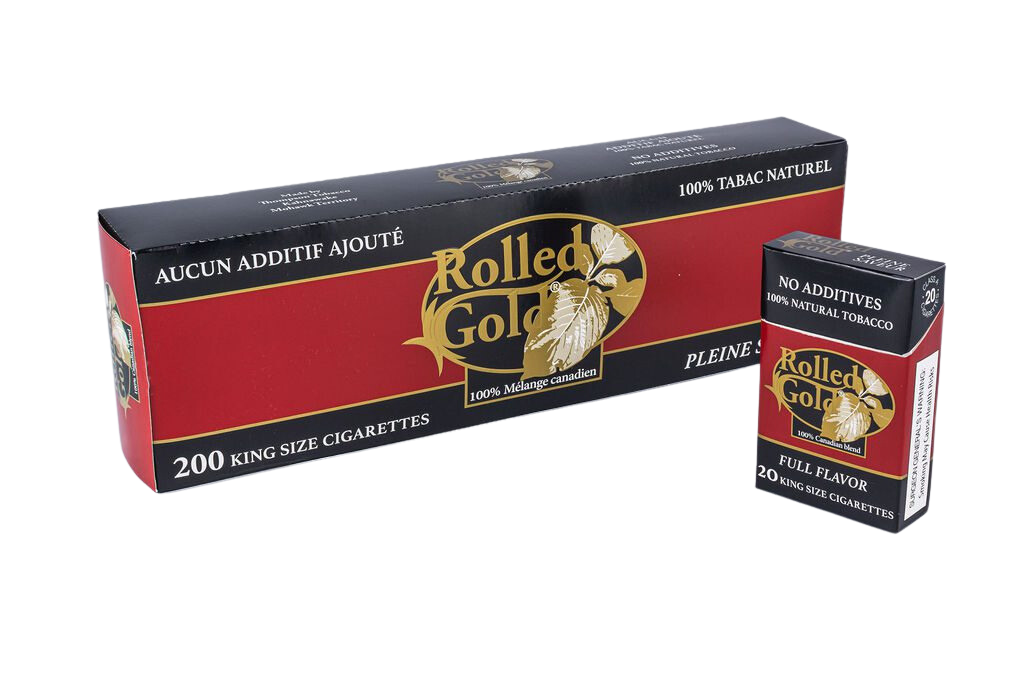
⭐ Excluded: BB light Manitoba, BB full Manitoba, Chanel Blueberry, Chanel ice. See all 29+ native brands at Cigstore.ca.
🚚 Delivery to Rural Canada – $29 Flat Rate
We ship to every rural address, farm, and remote community in Canada using Canada Post, Purolator, FedEx, and UPS. Orders over $290 qualify for FREE shipping. Age verification (19+) required upon delivery. No brick-and-mortar store? No problem — we bring native cigarettes to your door, anywhere in Canada.
📦 Same-day dispatch for orders before 2 PM EST. Tracking provided within 24 hours.
📚 You Might Also Enjoy These Articles
History of Smoking in Canada
From 1950s magazine ads to plain packaging today.
Why Cigarettes Are Expensive
Complete federal & provincial tax breakdown.
1994 Tax Cut Story
How native cigarettes became affordable.
Smoking in the Territories
Life in Yukon, NWT, and Nunavut.
10 Canadian Celebrities Who Smoke
Stars and their favorite brands.