
Why Smokers Often Cross Their Legs
The Connection Between Posture, Habit Formation, and the Psychology of Smoking
🦵🚬 You’ve seen it a hundred times: a smoker sitting in a café, a cigarette in one hand, their legs crossed. In movies, on TV, in real life — the crossed-leg posture seems almost inseparable from the act of smoking. But is there a real connection, or is it just coincidence? This article explores the fascinating relationship between posture and smoking habit: the physics of ash control, the psychology of comfort, the role of habit formation, and why this particular sitting position has become part of the smoker’s cultural identity.
🦵 The Observation: Is It Real or Confirmation Bias?
While no formal study has quantified this, observational evidence suggests a strong correlation.
Smokers in cafés, bars, and break rooms are disproportionately seen in the crossed-leg posture.
Is the crossed-leg smoker a stereotype or a statistical reality? While there is no large-scale study specifically measuring leg-crossing frequency among smokers versus non-smokers, informal observations and behavioural psychology suggest several reasons for the association.
- 🎬 Media reinforcement: Classic films (Humphrey Bogart, James Dean) and TV shows (Mad Men) have cemented the image of the smoking detective or executive with legs crossed.
- 📊 The “smoking corner” effect: Smokers are often relegated to specific areas (smoking lounges, patios, designated outdoor spots). In these spaces, people tend to adopt relaxed, seated postures — including crossed legs.
- 🔄 Confirmation bias: Once you notice the association, you see it everywhere. Non-smokers who cross their legs aren’t noticed; smokers who cross their legs are.
- 💡 Real or perceived, the association is powerful enough to have become a cultural shorthand for “smoker.”
💪 Physical Reason #1: Ash Control and Gravity
Ash falls down. When you cross your legs, the top leg creates a horizontal surface. The cigarette, held in the hand on that side, can be rested above the leg or ashed onto it, reducing the chance of ash falling on the floor or lap.
There is a surprisingly practical reason for the crossed-leg posture: gravity management. When you smoke while sitting with legs uncrossed, ash falls directly toward your lap or the floor. When you cross your legs, you create a “shelf” with the upper leg. The cigarette can be positioned so that ash falls onto the leg (protected by pants) or into a nearby ashtray.
- 🧥 Protecting clothing: Ash landing on your lap (uncrossed) is more likely to burn fabric. Ash landing on a crossed leg (over pants) is less likely to burn.
- 🗑️ Ashtray positioning: When legs are crossed, the hand holding the cigarette is often positioned closer to the body centreline, making it easier to reach a side-table ashtray.
- 🔄 Habit reinforcement: Smokers learn (consciously or unconsciously) that crossed legs are more practical for ash management. The posture becomes habitual.
⚖️ Physical Reason #2: The Smoking Hand Needs a Stable Platform
Smoking involves fine motor control. You need to bring the cigarette to your mouth, inhale, remove it, and tap ash — all without dropping it. A stable upper body helps.
- 🪑 Seated stability: Crossing your legs engages core muscles and stabilizes your pelvis, creating a more stable platform for your upper body. This makes the hand-to-mouth motion smoother.
- 🦵 Armrest substitute: The crossed leg functions as a substitute armrest. The elbow can rest on the upper leg, reducing arm fatigue during a long smoking session.
- 🎯 Precision ashing: When your arm is stabilized against your body or leg, you can tap ash more precisely into an ashtray without looking.
📖 Compare to non-smokers: Non-smokers have no need for this level of upper body stabilization. Their hands are free to gesture, hold drinks, or rest on armrests. Smokers’ hands are occupied, so they adapt their posture.
🧠 Psychological Reason: The Crossed-Leg “Shield”
Crossing your legs is a closed posture — it signals relaxation but also creates a physical barrier.
For smokers who face social stigma, this posture may serve as a protective “shield.”
In body language psychology, crossing your legs is considered a “closed” posture — it signals comfort and relaxation, but also creates a subtle barrier between you and the outside world. For smokers who often face judgment or stigma, this barrier may be psychologically protective.
- 🛡️ The self-protective stance: Smokers in public places (especially since smoking bans) often feel scrutinized. The crossed-leg posture minimizes the body’s surface area exposed to others.
- 😌 Relaxation cue: Smoking is often associated with taking a break, relaxing, or decompressing. Crossed legs are a classic relaxation posture, reinforcing the “smoke break” mentality.
- 🎭 The “cool” factor: Media has conditioned us to associate the crossed-leg smoker with confidence, sophistication, and world-weariness. Smokers may unconsciously adopt the posture to project that image.
- 🔄 Habit stacking: The act of crossing legs becomes a conditioned cue for lighting up. After thousands of repetitions, smokers cross their legs automatically when they smoke — and may even feel the urge to smoke when they cross their legs.
📖 From behavioural psychology: “Habit stacking occurs when two behaviors become so tightly coupled that performing one triggers the other. For smokers, crossing legs may become a conditioned cue for lighting a cigarette.”
👔 Gender Differences: Men vs. Women
Crossed-leg postures differ by gender, and so does the smoking association.
- 👨 Men: Typically cross with one ankle over the opposite knee (the “figure-four” position). This is a more open posture that signals confidence. Male smokers in media (Bogart, Don Draper) almost always use this posture.
- 👩 Women: Typically cross at the knees (legs together, one knee over the other). This is a more demure posture. Female smokers in media (Audrey Hepburn, Lauren Bacall) often used a long cigarette holder while seated in this posture.
- 👔 Professional settings: In business contexts, the crossed-leg posture signals authority and relaxation. Smokers in these settings may adopt it to project confidence during a smoke break.
- 🌍 Cultural variation: In some cultures, crossing legs is considered disrespectful. In these contexts, smokers may adopt different postures.
🔄 Habit Formation: The “Smoking Posture” as a Conditioned Cue
One of the most powerful forces in addiction is conditioned cues — environmental triggers that automatically activate craving. The crossed-leg posture may function as such a cue.
- 📋 The habit loop: Cue (sitting down, crossing legs) → Routine (lighting a cigarette) → Reward (nicotine hit).
- 🔄 Reverse conditioning: After years of repetition, the act of crossing legs can trigger a craving for nicotine. Many smokers find themselves reaching for a cigarette as soon as they sit down and cross their legs — even if they weren’t planning to smoke.
- 🚭 Quitting challenge: When smokers quit, they often have to change their posture to avoid triggering cravings. Uncrossing their legs or sitting differently can reduce the urge to smoke.
- 📊 Research on posture and craving: A 2015 study found that smokers who changed their habitual sitting posture (from crossed to uncrossed) reported lower craving intensity during the first week of quitting.
🎬 The Cultural Icon: How Movies Cemented the Posture
The crossed-leg smoking detective is one of the most enduring images in cinema.
Media representation has shaped both smoker behaviour and public perception.
The association between smoking and crossed legs is not accidental — it was actively cultivated by Hollywood. The “cool” smoker in film noir, Westerns, and 1960s dramas almost always sat with legs crossed.
- 🕵️ Humphrey Bogart: In The Maltese Falcon and The Big Sleep, Bogart’s Sam Spade and Philip Marlowe are almost always seated with legs crossed when smoking. The posture signals world-weary confidence.
- 🥃 Don Draper (Mad Men): The archetypal 1960s ad executive is rarely seen without a cigarette and crossed legs. The posture is part of his power uniform.
- 👩 Audrey Hepburn: In Breakfast at Tiffany’s, Hepburn’s Holly Golightly smokes with a long cigarette holder while seated with legs crossed at the knee — the epitome of elegance.
- 🔄 The feedback loop: Media showed smokers with crossed legs → real smokers adopted the posture → media reinforced the association. The cycle continues.
🔄 If You Quit, Do You Still Cross Your Legs?
Former smokers often report that the crossed-leg posture loses its appeal after quitting. Without the cigarette in hand, the posture feels unbalanced or purposeless.
- 🦵 Posture change as a quitting strategy: Some cessation programs recommend changing your habitual posture as a cue disruption technique. If you always smoked while crossing your right leg over your left, try crossing the opposite way or sitting with legs uncrossed.
- 📉 Craving reduction: Breaking the posture-cue association can reduce craving intensity by 30-50% in the first weeks of quitting.
- 🪑 The empty hand problem: Former smokers often report not knowing what to do with their hands. The crossed-leg posture provided a place to rest the cigarette-holding hand. Without the cigarette, the hand feels aimless.
- ✅ New habits: Many former smokers replace the crossed-leg posture with a new habit — holding a coffee mug, fidgeting with a pen, or resting hands on the table.
💡 Pro tip: If you’re trying to quit, pay attention to your posture. When you feel a craving, change your sitting position. Stand up. Uncross your legs. The physical disruption can interrupt the craving cycle.
📦 Native Cigarettes: The Same Posture, Same Habits
Native cigarettes (Playfare, Canadian, DuMont, Nexus, Rolled Gold) cost $29-50 per carton — compared to $140-180 for commercial brands — a savings of 70-80%. However, they are still cigarettes. Smokers of native brands adopt the same crossed-leg posture, the same hand-mouth motion, and the same conditioned cues.
- 💰 Cost savings: A pack-a-day smoker saves $5,000-7,000 per year by switching to native cigarettes.
- 🚫 Same posture, same habit: The crossed-leg posture is not brand-dependent. Smokers of native brands will adopt it just as readily.
- 📦 Online delivery: Cigstore.ca ships to every province and territory with $29 flat shipping (free over $290).
- 🦵 If you want to break the posture habit, you need to quit — not just switch brands.
🇨🇦 Resources for Quitting (and Changing Habits)
- 📞 Smokers’ Helpline (1-877-513-5333): Free, confidential telephone coaching. Ask about “cue disruption” strategies.
- 💊 Nicotine replacement therapy (NRT): Patches, gum, lozenges — safe and effective. Some provincial health plans cover NRT.
- 📱 QuitNow (quitnow.ca): Free app with tracking and community support.
- 🩺 Your doctor: Medications like varenicline (Champix/Chantix) and bupropion (Zyban/Wellbutrin) can help reduce cravings.
- 🧠 CBT for addiction: Cognitive-behavioural therapy can help identify and disrupt conditioned cues like posture.
🔥 Top 5 Native Cigarettes for Canadian Smokers
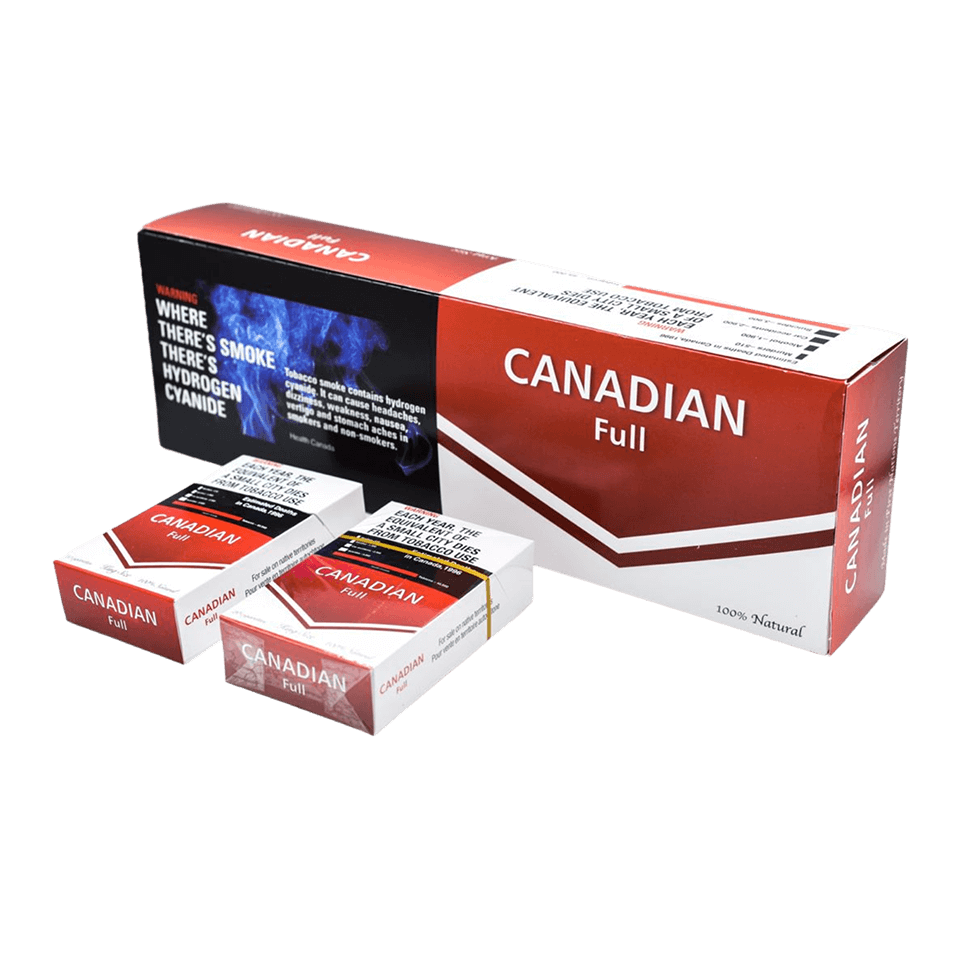

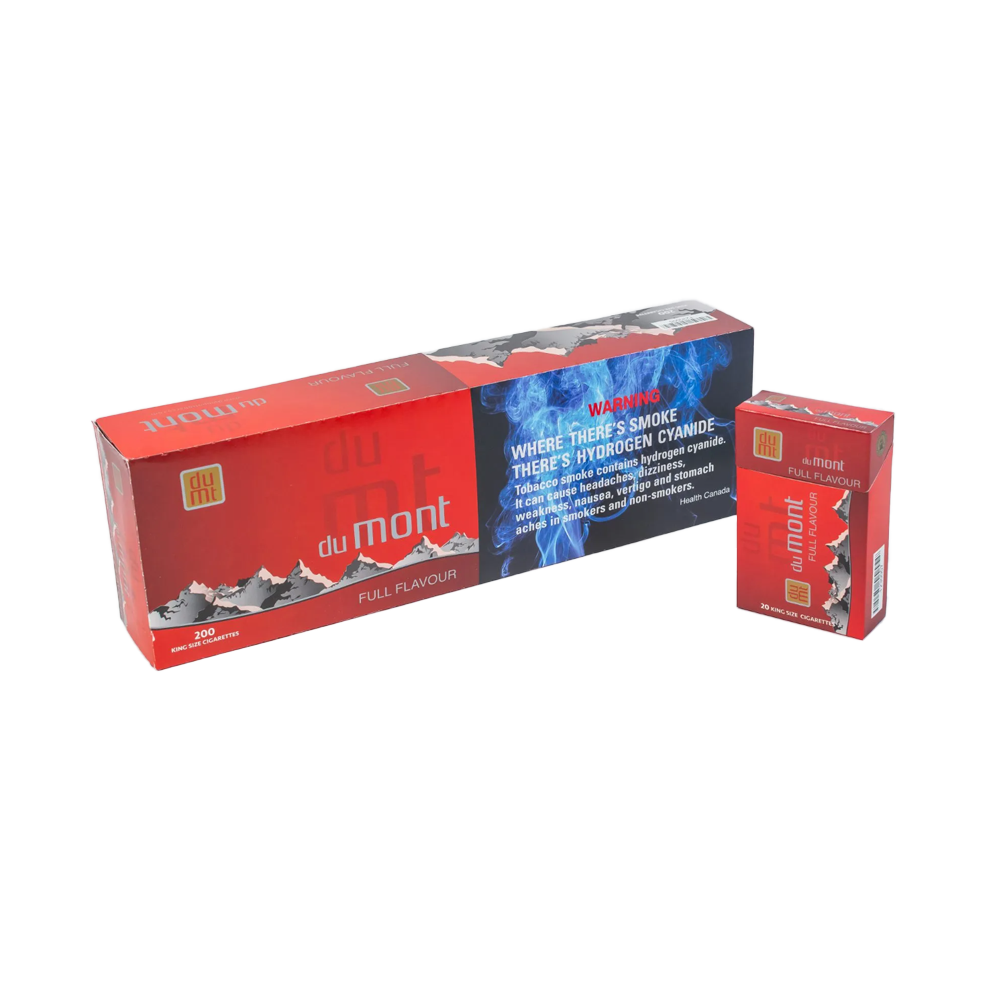
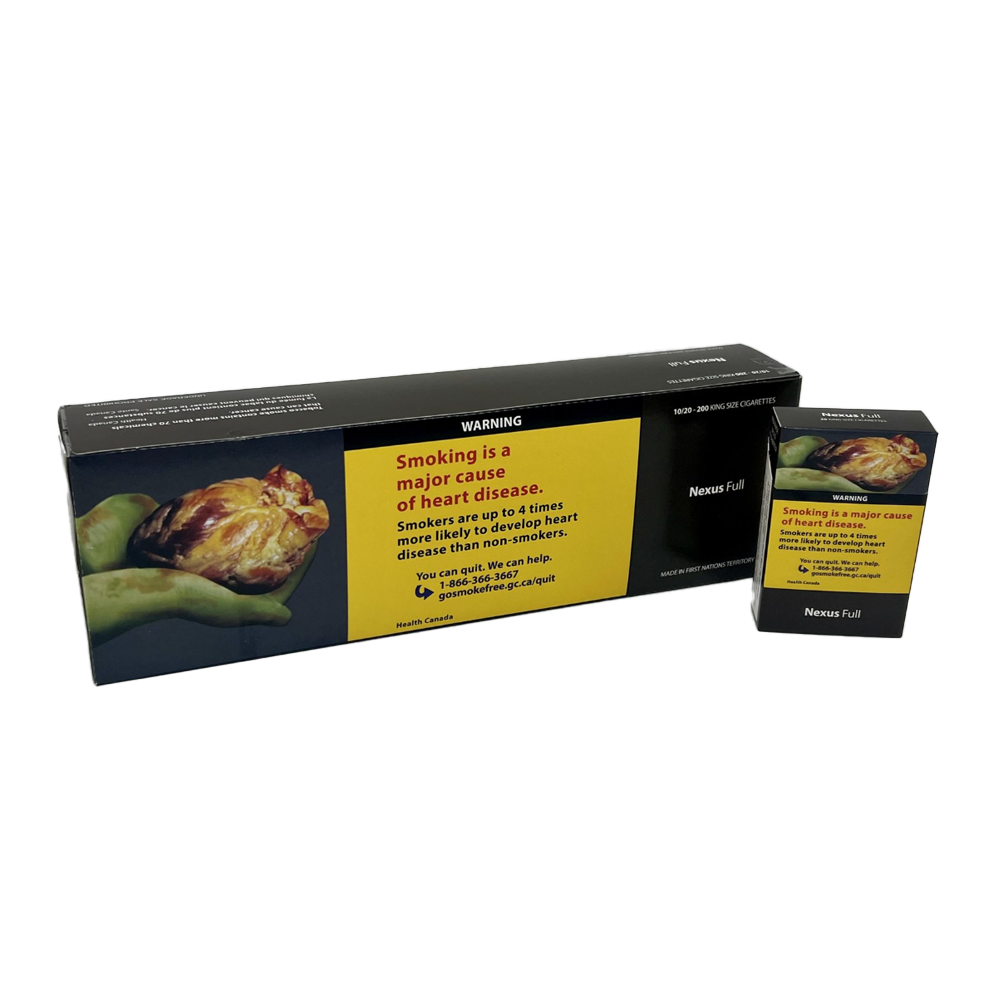
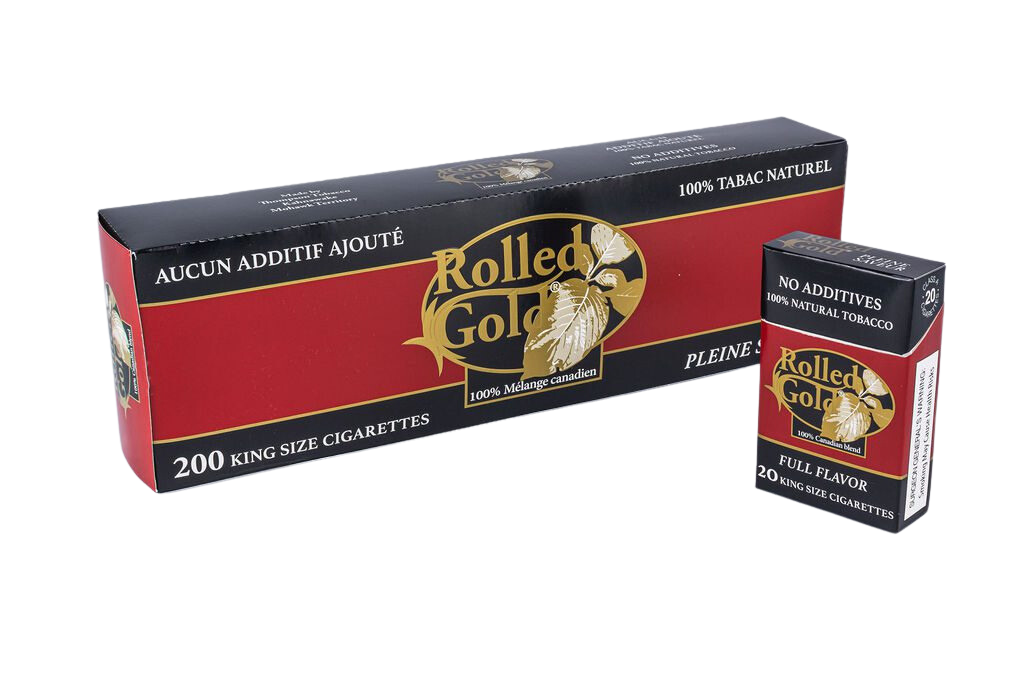
⭐ Excluded: BB light Manitoba, BB full Manitoba, Chanel Blueberry, Chanel ice. See all 29+ native brands at Cigstore.ca.
🚚 Delivery Across Canada – $29 Flat Rate
We ship to every province and territory using Canada Post, Purolator, FedEx, and UPS. Orders over $290 qualify for FREE shipping. Age verification (19+) required upon delivery.
📦 Same-day dispatch for orders before 2 PM EST. Tracking provided within 24 hours.
📚 You Might Also Enjoy These Articles
The Psychology of the Last Cigarette in the Pack
Why it tastes different.
Smoking and Stress: The Neuroscience
Why nicotine feels calming (and why it’s a trap).
Why We Smoke When We Drink Coffee or Alcohol
The neuroscience of pairing.
The “One More Loop”
Why it’s so hard to stop after the first cigarette.
How Smoking Changes the Perception of Time
Nicotine, dopamine, and the brain’s internal clock.