
Smoking and Chronic Fatigue / Energy Levels
The Hidden Drain: Why Smoking Exhausts You
😴🚬 Many smokers light up a cigarette believing it will give them a boost of energy. And in the short term, nicotine does act as a stimulant — increasing heart rate, blood pressure, and alertness. But paradoxically, long-term smoking is associated with higher rates of chronic fatigue, low energy, and daytime sleepiness. This article explores the hidden energy drain of smoking: how carbon monoxide robs your cells of oxygen, how nicotine disrupts sleep, how smoking depletes essential vitamins, and why quitting often leads to more — not less — energy.
🧩 The Paradox: Stimulant That Exhausts You
Short-term: Nicotine stimulates → feels energizing.
Long-term: Smoking causes chronic fatigue, low energy, and daytime sleepiness.
How? The answer lies in oxygen depletion, sleep disruption, and nutrient deficiencies.
Smokers often report that a cigarette wakes them up and helps them focus. This is real — nicotine is a stimulant that increases heart rate, blood pressure, and the release of adrenaline and dopamine . But over time, the chronic effects of smoking create a net energy deficit. The temporary boost comes at a long-term cost .
- ⚡ The short-term boost: Nicotine triggers the release of catecholamines (epinephrine, norepinephrine), increasing alertness and temporarily masking fatigue .
- 📉 The long-term drain: Smoking reduces oxygen delivery to tissues, disrupts sleep architecture, depletes energy-related nutrients, and triggers chronic inflammation — all of which contribute to fatigue .
- 🔄 The vicious cycle: Smokers use cigarettes to combat the fatigue caused by smoking itself — a classic addiction trap .
- 📊 Smokers consistently report higher rates of fatigue than non-smokers, even after controlling for other health conditions.
🩸 Mechanism #1: Carbon Monoxide Steals Your Oxygen
🩸 Carbon Monoxide (CO)
Binds to hemoglobin 200-250x more strongly than oxygen. Smokers have COHb levels of 3-8%, vs. <1% in non-smokers .
🔋 Mitochondrial Dysfunction
Reduced oxygen delivery impairs mitochondrial ATP production. Your cells literally run out of fuel .
😩 Exercise Intolerance
With less oxygen available, even mild exertion causes breathlessness and fatigue .
Carbon monoxide (CO) is a colorless, odorless gas present in high concentrations in cigarette smoke. When inhaled, CO binds to hemoglobin — the protein in red blood cells that carries oxygen — with an affinity 200-250 times greater than oxygen . This means that even a small amount of CO significantly reduces the blood’s oxygen-carrying capacity .
- 📊 COHb levels in smokers: Regular smokers have carboxyhemoglobin (COHb) levels of 3-8% (compared to <1% in non-smokers). A heavy smoker might have levels of 5-10%, meaning 5-10% of their hemoglobin is permanently unavailable for oxygen transport .
- 🔋 The energy consequence: Your cells, especially mitochondria (the power plants of your cells), depend on oxygen to produce ATP (energy). With less oxygen available, ATP production slows. You feel tired .
- 📉 Effect on exercise: Smokers reach exhaustion faster during physical activity. The combination of CO-induced oxygen deficit and lung damage creates a double whammy.
- 🔄 Smoking a cigarette: Smoking a single cigarette raises COHb levels by 1-3% and takes 4-6 hours to return to baseline. A pack-a-day smoker is in a constant state of mild oxygen deprivation.
😴 Mechanism #2: Nicotine Destroys Your Sleep Quality
If you smoke, your sleep is likely worse — even if you don’t realize it. Nicotine is a stimulant that disrupts sleep architecture, reduces deep sleep (slow-wave sleep), and causes nighttime withdrawal that wakes you up.
- 🌙 Nicotine’s stimulant effect: Nicotine increases arousal and can delay sleep onset. Even if you fall asleep, your brain remains more active .
- 📉 Reduced slow-wave sleep (SWS): Deep sleep (slow-wave sleep) is when the body repairs itself and consolidates memory. Smokers spend significantly less time in SWS than non-smokers .
- 🔄 Nighttime withdrawal: Nicotine has a half-life of 2 hours. During the night, nicotine levels drop, triggering withdrawal symptoms (cravings, irritability) that can wake you up. This fragments sleep .
- 📊 The data: A study of over 2,000 adults found that current smokers were significantly more likely to report poor sleep quality, shorter sleep duration, and daytime fatigue than non-smokers .
- 😩 Daytime consequences: Poor sleep leads directly to daytime sleepiness, reduced concentration, and chronic fatigue .
📖 Key insight: Many smokers are chronically sleep-deprived without realizing it. The fatigue they feel is not “normal” — it’s a direct consequence of their smoking habit.
🥦 Mechanism #3: Nutrient Depletion and Increased Metabolic Demand
Smoking increases your body’s need for certain nutrients while simultaneously impairing absorption and depleting stores. Nutrient deficiencies directly cause fatigue.
- 🍋 Vitamin C depletion: Smokers have significantly lower blood levels of vitamin C than non-smokers, even with similar dietary intake. Vitamin C is essential for energy production and immune function. The body uses vitamin C to neutralize oxidative stress from smoke .
- 🦴 Vitamin D: Smokers have lower vitamin D levels, which is linked to fatigue, muscle weakness, and low mood .
- 🔋 B vitamins: B vitamins (especially B12, B6, and folate) are essential for converting food into energy. Smoking depletes these vitamins through increased oxidative stress and inflammation .
- ⚡ Magnesium: Smokers have lower magnesium levels, which can cause muscle fatigue, weakness, and reduced exercise capacity .
- 🔄 Increased metabolic demand: The body works harder to repair damage caused by smoking. This increased metabolic activity consumes energy .
🔥 Mechanism #4: Chronic Inflammation (The Hidden Energy Drain)
Cigarette smoke triggers a chronic, low-grade inflammatory response throughout the body. Inflammation is energetically expensive. Your body diverts energy away from normal functions to fuel the inflammatory response — leaving you tired.
- 📈 Elevated CRP: C-reactive protein (CRP), a marker of inflammation, is consistently higher in smokers. Higher CRP is associated with fatigue and reduced energy .
- 📉 Cytokine fatigue: Inflammatory cytokines (IL-6, TNF-alpha) can directly induce fatigue by affecting the central nervous system — a phenomenon known as “sickness behavior.” Smokers have chronically elevated levels of these cytokines .
- 🔄 The energy cost of inflammation: Maintaining a chronic inflammatory state consumes metabolic resources that could otherwise be used for normal activities.
- 📊 Smokers have significantly higher levels of inflammatory markers than non-smokers, and these levels correlate with self-reported fatigue.
📊 What the Research Says: Smokers Are More Tired
A growing body of research confirms that smokers report significantly higher levels of fatigue than non-smokers.
- 📊 Large-scale study (n=4,477): Researchers found that current smokers had significantly worse scores on fatigue questionnaires compared to non-smokers and former smokers .
- 📊 Dose-response: The more cigarettes smoked per day, the higher the reported fatigue scores. Heavier smokers are more tired.
- 📊 Daytime sleepiness: Smokers report higher rates of excessive daytime sleepiness on the Epworth Sleepiness Scale .
- 📊 Quality of life: Smoking-related fatigue is associated with lower quality of life scores, impaired work performance, and increased healthcare utilization .
- 📊 The bottom line: The evidence is clear: smoking makes you tired. The temporary energizing effect of each cigarette is outweighed by the chronic fatigue caused by oxygen depletion, sleep disruption, nutrient deficiency, and inflammation.
⚡ The Good News: Quitting Restores Your Energy
Within days: CO levels drop → blood oxygen increases → cells produce more ATP.
Within weeks: Sleep quality improves → daytime fatigue decreases.
Within months: Nutrient levels normalize, inflammation decreases.
Former smokers consistently report higher energy levels than current smokers. Quitting is not just about avoiding disease — it’s about feeling better every day.
- 📅 Days 1-3: CO leaves your blood. Oxygen levels normalize. Mitochondria begin functioning more efficiently .
- 📅 Weeks 1-4: Sleep quality improves. Nicotine is no longer fragmenting your sleep. You wake up feeling more rested .
- 📅 Months 1-6: Inflammation markers drop. Vitamin and nutrient levels begin to normalize. Exercise tolerance increases .
- 📅 1 year: Former smokers report significantly lower fatigue scores than continuing smokers .
- 📊 The data: Former smokers have fatigue scores comparable to never-smokers after 1-2 years of abstinence.
📖 From a 2023 study on smoking and fatigue: “Former smokers exhibited significantly lower fatigue scores than current smokers, with levels approaching those of never-smokers after prolonged abstinence.”
📦 Native Cigarettes: The Same Fatigue, Same CO, Same Sleep Disruption
Native cigarettes (Playfare, Canadian, DuMont, Nexus, Rolled Gold) cost $29-50 per carton — compared to $140-180 for commercial brands — a savings of 70-80%. However, they contain the same nicotine, carbon monoxide, and other chemicals as commercial cigarettes. The fatigue-inducing effects are identical.
- 💰 Cost savings: A pack-a-day smoker saves $5,000-7,000 per year by switching to native cigarettes.
- 🩸 Same CO levels: Native cigarettes produce the same carbon monoxide. Your oxygen-carrying capacity will be just as compromised.
- 🌙 Same sleep disruption: Nicotine is nicotine. Your sleep quality will be equally poor.
- 🥦 Same nutrient depletion: Your body will still need to combat oxidative stress from the smoke.
- ⚡ If you want more energy, quitting — not switching — is the only solution.
🇨🇦 Resources for Quitting
- 📞 Smokers’ Helpline (1-877-513-5333): Free, confidential telephone coaching. Ask about energy restoration after quitting.
- 💊 Nicotine replacement therapy (NRT): Patches, gum, lozenges — safe and effective. Some provincial health plans cover NRT.
- 📱 QuitNow (quitnow.ca): Free app with tracking and community support.
- 🩺 Your doctor: Medications like varenicline (Champix/Chantix) and bupropion (Zyban/Wellbutrin) can help.
🔥 Top 5 Native Cigarettes (For Information — Quitting Is Better for Energy)
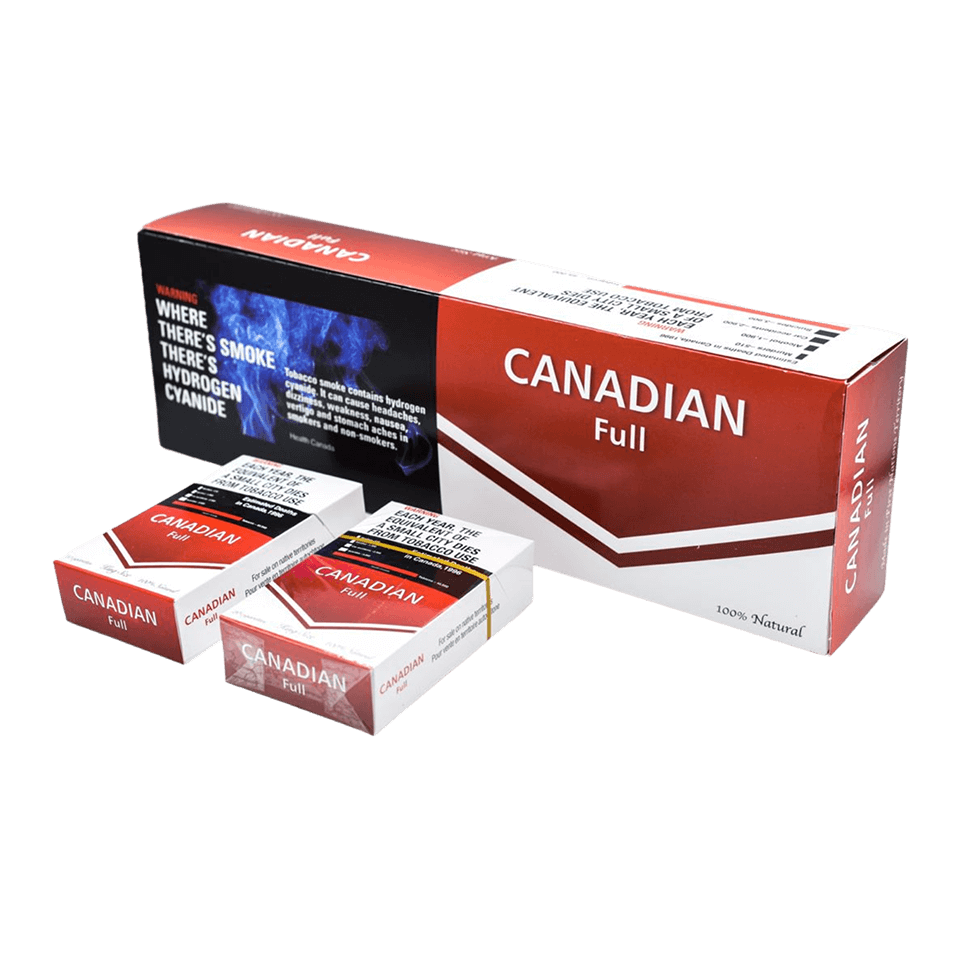
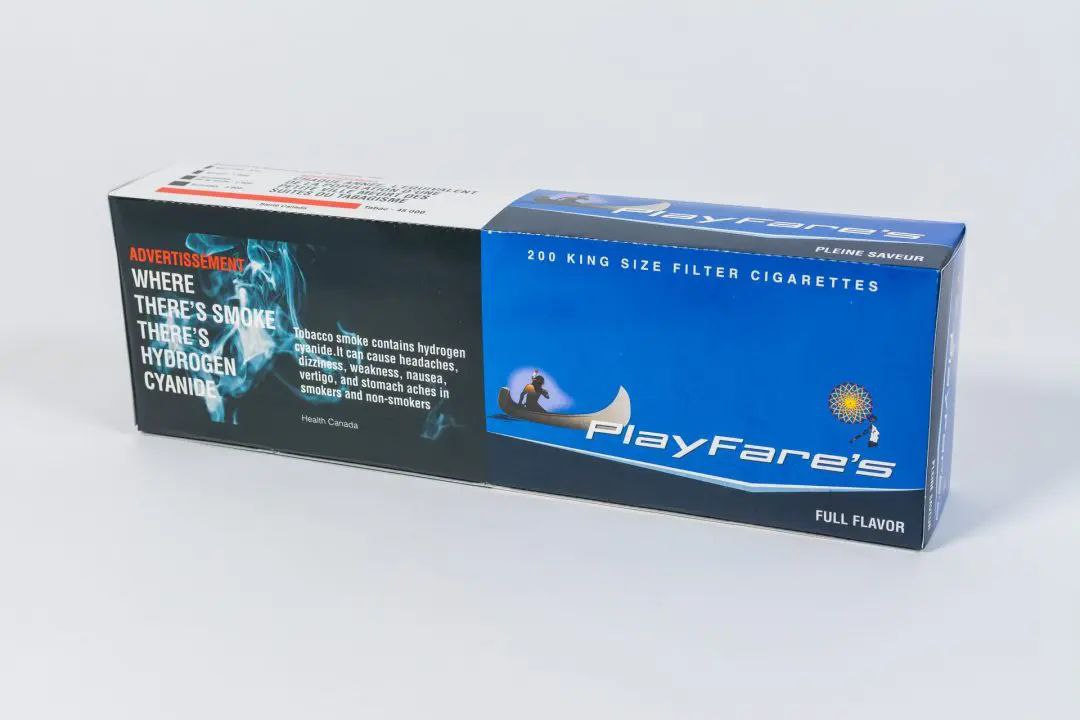
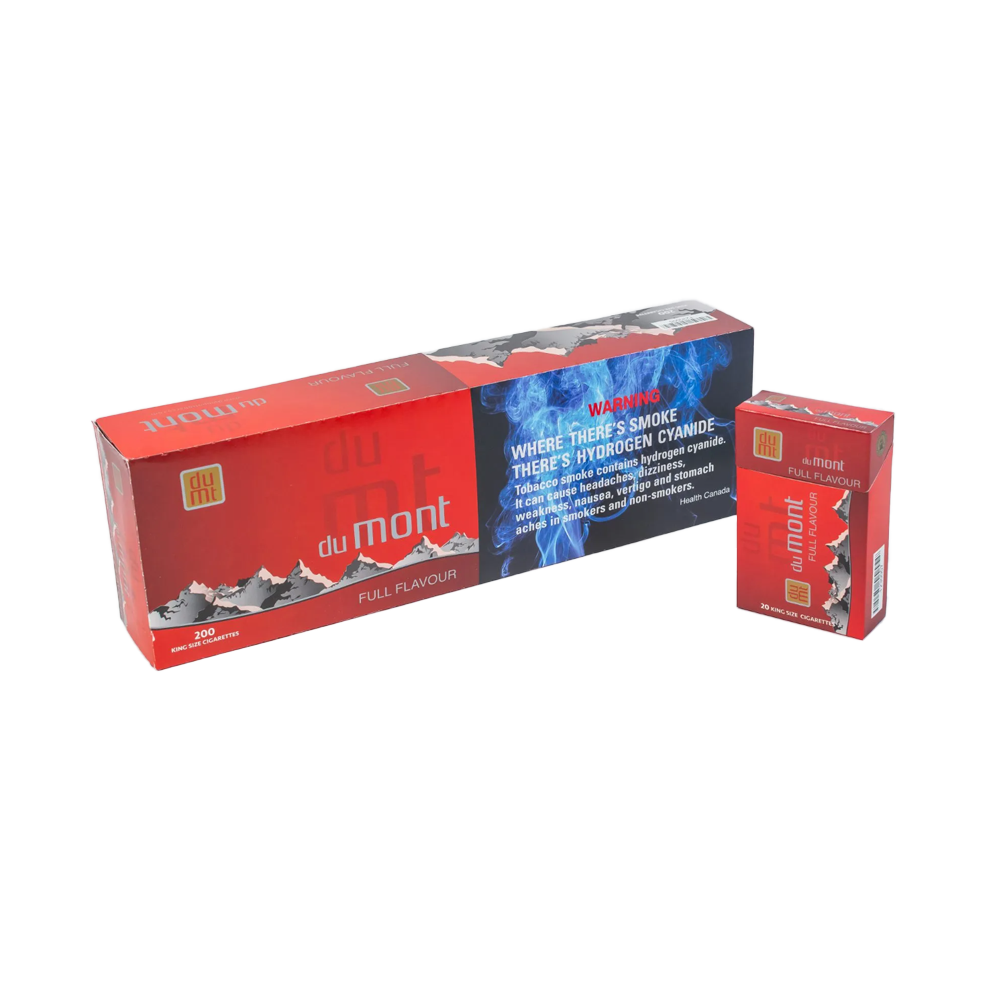

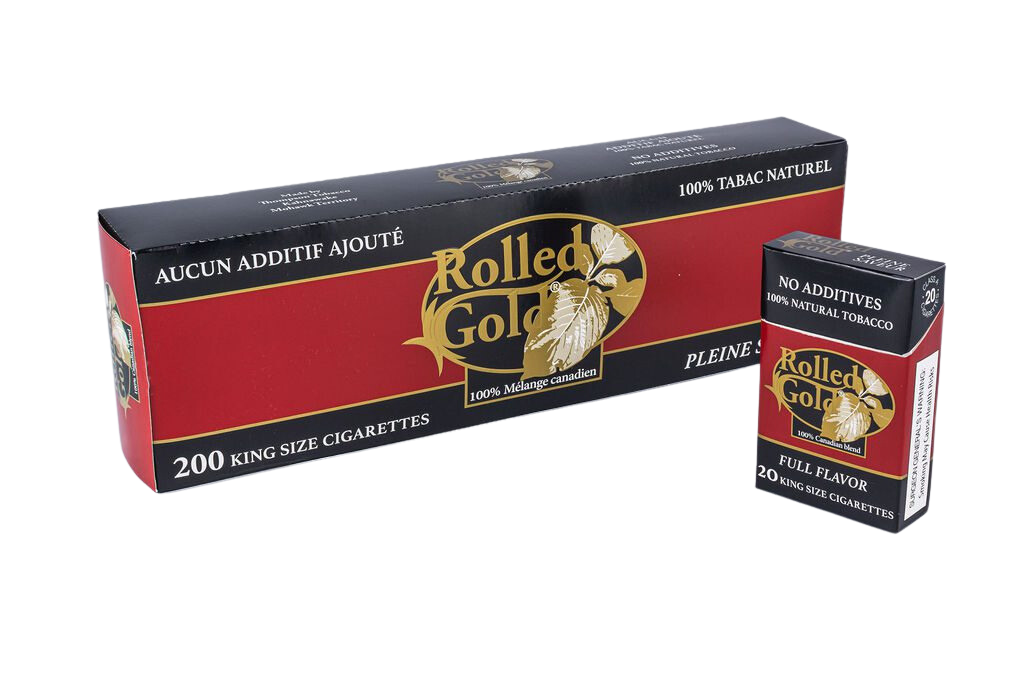
⭐ Excluded: BB light Manitoba, BB full Manitoba, Chanel Blueberry, Chanel ice. See all 29+ native brands at Cigstore.ca.
🚚 Delivery Across Canada – $29 Flat Rate
We ship to every province and territory using Canada Post, Purolator, FedEx, and UPS. Orders over $290 qualify for FREE shipping. Age verification (19+) required upon delivery.
📦 Same-day dispatch for orders before 2 PM EST. Tracking provided within 24 hours.
📚 You Might Also Enjoy These Articles
Smoking and Stress: The Neuroscience
Why nicotine feels calming (and why it’s a trap).
Smoking and Appetite
Why you don’t feel hungry after a cigarette.
Why Smokers Snore More
Nicotine’s link to sleep apnea.
Smoking and Testosterone
Effects on men’s health and performance.
The Rebound Effect
Why some people gain weight when they quit smoking.