
What the 1960s Cigarette Break Looked Like in Canada
Ashtrays Everywhere, No Restrictions, and a Culture of Unlimited Smoking
⏳🚬 Today, Canadian smokers huddle outside in designated areas, often in the rain or snow. But in the 1960s, the cigarette break was a vastly different experience. It was an era when you could smoke almost anywhere: in office hallways, hospital waiting rooms, university classrooms, and even on airplanes. There were no designated smoking sections — because everywhere was a smoking section. This article transports you back to the 1960s Canadian smoke break: the workplace culture, the social norms, the ashtrays, and the surprising early regulations that hinted at changes to come.
Per capita cigarette consumption rose steadily in Canada throughout the 1960s and into the 1970s.
This was the golden age of the cigarette industry — despite the first health warnings [citation:1][citation:6].
📍 Anywhere and Everywhere: The Geography of the 1960s Smoke Break
In the 1960s, the concept of a “smoking area” did not exist. The default assumption was that smoking was permitted unless explicitly stated otherwise. Here is where Canadians lit up without a second thought:
- 🏢 Office hallways: At BCIT in the mid-1960s, the official student information brochure noted that smoking was “controlled” — but “during the rainy months, smokers might have enjoyed being permitted to smoke in the hallways during class breaks” [citation:2].
- 📚 University classrooms: By the 1970s (a trend that began in the 1960s), “it appears that it was the norm to smoke (and eat) during lectures.” When a ban on smoking in classrooms was proposed in the mid-1960s, students were shocked. A 1978 article scoffed at the idea, even offering advice on constructing an ashtray from the foil liner of cigarette packages [citation:4].
- ✈️ Airplanes and airports: Canadian Pacific Airlines branded cigarette lighters from the 1960s still exist in archives — souvenirs of an era when airlines not only allowed smoking but actively promoted it with branded accessories [citation:7].
- 🚢 Ships and trains: Souvenir ashtrays from the S.S. Empress of Canada (1960), S.S. Empress of Scotland (1942), and S.S. Empress of Britain (1955) survive as artifacts of mid-century travel culture [citation:7].
- 🏥 Hospitals: Even hospitals had ashtrays. Teachers in the 1980s still kept full ashtrays in their desks — a practice that would have seemed absurd to someone in the 1960s [citation:3].
📖 From a 1978 BCIT student newspaper: “The idea of not being able to smoke in the classroom was a huge shock to students. The writer even offers advice on constructing an ashtray from the foil liner of cigarette packages.” [citation:4]
🚬 The Ashtray Culture: Essential Workplace Equipment
In the 1960s, ashtrays were not optional accessories — they were as essential as telephones and filing cabinets. They were everywhere: on desks, in hallways, on airplanes, in restaurants, and even in hospitals.
- Dominion Glass Company No. 2210 ashtray (1950s-1960s): A classic souvenir ashtray from this era, with “built-up sides allowing multiple cigarettes to angle down into the bowl, rather than tipping out as they burn down.” The bottom was screen-printed with the flag of Canada and “Souvenir of Canada” [citation:5].
- Multiple cigarette capacity: Ashtrays were designed for group smoking. A single ashtray might hold a dozen butts, reflecting the reality that everyone in the room was smoking simultaneously.
- Workplace ashtrays: Every office desk had an ashtray. Every boardroom table had multiple ashtrays. Meeting breaks were not for coffee — they were for lighting another cigarette.
- The “bean can” ashtray: In less formal settings, empty tin cans served as improvised ashtrays — a precursor to the designated smoking areas that would come decades later.
📦 Artifact note: The Dominion Glass Company ashtray from the 1950s-1960s is a time capsule of Canadian smoking culture. “Souvenir of Canada” — as if smoking itself was part of the Canadian identity [citation:5].
☕ The “Coffee and Cigarette” Break: A Sacred Ritual
The smoke break was almost always paired with coffee. The coffee break as a workplace institution was inseparable from the cigarette break. Workers would pour a cup, light a cigarette, and step into the break room — which, of course, was filled with smoke.
- 🍩 The donut shop as a smoking lounge: Tim Hortons (founded in 1964) was filled with smoke in its early years. The combination of coffee, donuts, and cigarettes was the quintessential Canadian break.
- 🏭 Factory smoke breaks: In industrial workplaces, workers would gather around designated “smoking barrels” — often 55-gallon drums half-filled with sand — to smoke during breaks.
- 📊 No restrictions on break frequency: Unlike today, when many workplaces restrict smoke break frequency, the 1960s smoker could light up whenever they wanted, wherever they wanted.
- 🚭 The end of an era: A Manitoba article noted that “showing a headline about smoke-free beaches to somebody in the 1960s… would probably seem absurd” [citation:3].
📜 The Surprising Early Rules: Not Completely Wild West
While smoking was ubiquitous, there were some restrictions — even in the 1960s. At BCIT, the 1964/65 Student Information Brochure included a “section on smoking,” indicating that smoking was “fairly controlled” [citation:2].
- 📋 No smoking in classrooms (mid-1960s): Even in the 1960s, some institutions prohibited smoking in classrooms. But this was a shock to students — and enforcement was lax.
- 💡 Hallway smoking permitted: At BCIT, students could smoke in hallways during class breaks — a permissive policy by today’s standards [citation:2].
- 🍽️ Cafeterias had smoking and non-smoking sections? Some institutions began experimenting with designated areas, but these were rare exceptions.
- ⚖️ No workplace restrictions: Employers did not restrict smoking in the workplace. The idea that an office could be “smoke-free” would have been laughed at.
🏛️ How the Tobacco Industry Kept Canadians Smoking
Despite growing evidence of harm, the tobacco industry fought back with sophisticated marketing and disinformation. Canadian smokers were told two things: hope and doubt.
- 💪 Hope: Reassuring marketing, as seen with “light” and “mild” cigarette brands, suggested that switching to a different product could reduce health risks [citation:1].
- 🤔 Doubt: Disinformation campaigns attacked medical research and press accounts that aligned cigarettes with serious disease. The industry sowed confusion, delaying public action for decades [citation:6].
- 📈 Marketing bonanza: The 1960s were a “marketing bonanza” for tobacco companies, with innovative advertising, product development, and retailing [citation:8].
- 🏛️ Government inaction: Domestic and international tobacco firms worked to influence government policy, and Ottawa was slow to respond [citation:1].
📖 From Cigarette Nation (Daniel Robinson, 2021): “Domestic and international tobacco firms worked to furnish Canadian smokers with hope and doubt — hope in the form of reassuring marketing, and doubt by means of disinformation campaigns attacking medical research.” [citation:1]
The 1960s and early 1970s were the best years for the Canadian cigarette industry.
Per capita consumption rose even as the health evidence accumulated [citation:1][citation:6].
One of the most remarkable facts about 1960s smoking culture is that it persisted and even intensified after the health risks became widely known. The 1964 Surgeon General’s report was a bombshell — but it did not stop Canadians from smoking.
- 📊 Why the paradox? Several factors: heavy advertising (still legal), social normalization (everyone smoked), product innovation (filters, “light” brands), and the slow pace of policy change.
- 🔥 The industry’s strategy: If they could keep people smoking for just a few more years, those smokers would be addicted for life. It worked.
- 📅 The turning point: Real change did not begin until the 1980s and 1990s, with advertising bans, smoking restrictions, and tax increases [citation:3].
⏳ The Beginning of the End: How the 1960s Seeded Future Change
While the 1960s were the peak of smoking culture, the seeds of decline were planted during this decade.
- 📢 The 1964 Surgeon General’s report: For the first time, the US government officially linked smoking to lung cancer. The Canadian government took note, though action was slow.
- 📰 Media coverage: Mainstream media began reporting on the health risks, creating the first cracks in the public’s acceptance of smoking as harmless.
- 🔬 Anti-smoking advocacy: The first anti-smoking organizations formed in the 1960s, though they had little power compared to the tobacco industry’s lobbying.
- 📉 The long arc: It would take 30-40 years for smoking restrictions to become widespread — but the conversation started in the 1960s.
📦 Native Cigarettes Today: Affordable Smoking for a New Era
The 1960s smoker had unlimited places to smoke — but they paid 1960s prices. Today, Canadian smokers face high taxes and strict bans. Native cigarettes (Playfare, Canadian, DuMont) have become the affordable choice for price-conscious adult smokers. A carton costs $29-50, compared to $140-180 for commercial brands — a savings of 70-80%.
- 💰 Cost savings: A pack-a-day smoker saves $5,000-7,000 per year by switching to native cigarettes.
- 🚫 Not “healthier”: Native cigarettes contain the same nicotine, tar, and carcinogens as commercial brands. The only difference is price and packaging.
- 📦 Online delivery: Cigstore.ca ships to every province and territory with $29 flat shipping (free over $290).
- 📉 If you want to quit: Free resources are available: Smokers’ Helpline (1-877-513-5333).
📖 Note: While the 1960s smoker could light up anywhere, today’s smoker must respect strict provincial and federal smoking bans. Smoke only where permitted — never indoors, never near building entrances, and never in vehicles with minors.
🔥 Top 5 Native Cigarettes for Today’s Smokers




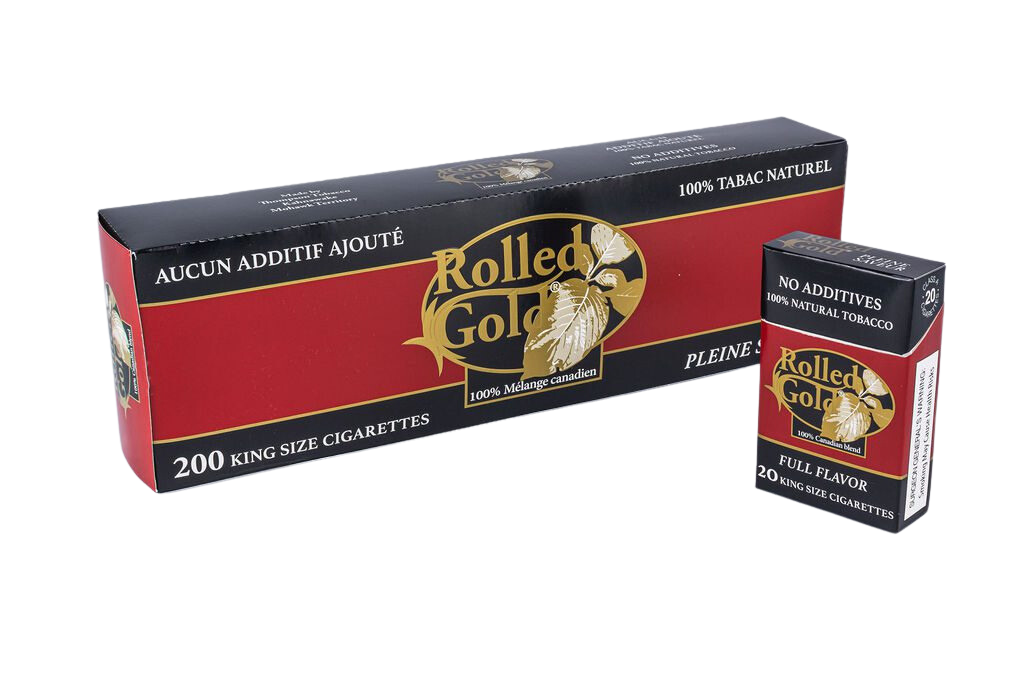
⭐ Excluded: BB light Manitoba, BB full Manitoba, Chanel Blueberry, Chanel ice. See all 29+ native brands at Cigstore.ca.
🚚 Delivery Across Canada – $29 Flat Rate
We ship to every province and territory using Canada Post, Purolator, FedEx, and UPS. Orders over $290 qualify for FREE shipping. Age verification (19+) required upon delivery.
📦 Same-day dispatch for orders before 2 PM EST. Tracking provided within 24 hours.
📚 You Might Also Enjoy These Articles
History of Smoking in Canada
From 1950s magazine ads to plain packaging today.
History of Tobacco Advertising Bans in Canada
From billboards and TV commercials to blank walls.
When Did Health Warnings First Appear on Cigarette Packs?
The Canadian timeline from 1972 to today.
How Smoking in Canadian TV News Changed Over 50 Years
From anchors smoking on air to today’s smoke-free studios.
History of Smoking in Canadian Bars & Pubs
From smoke-filled taverns to clean air.