
Why Some People Can Smoke ‘Only on Holidays’ While Others Can’t
Genetics of Nicotine Receptors, Addiction Vulnerability, and the ‘Chipper’ Phenomenon
🧬🚬 You probably know someone who can smoke a few cigarettes at a party, then not touch another for weeks or months. You also know someone who, after one cigarette, is immediately back to a pack a day. Why the difference? Is it willpower? Personality? Or something deeper? The answer lies in genetics. Research has identified specific genetic variations in nicotinic acetylcholine receptors that determine how your brain responds to nicotine — and whether you can be a “chipper” (occasional smoker) or become fully addicted. This article explores the science of nicotine addiction vulnerability, the role of genes like CHRNA5 and CHRNA3, and why some people can smoke socially while others spiral into daily addiction.
🚬 The ‘Chipper’ Phenomenon: Occasional Smokers Who Don’t Get Addicted
Approximately 5-10% of smokers are “chippers” — people who smoke regularly but not daily, and can stop easily.
Chippers smoke an average of 5 or fewer cigarettes per day and do not experience withdrawal when they stop.
In addiction research, “chippers” (also called “occasional smokers” or “social smokers”) are individuals who smoke regularly but not daily, typically 5 or fewer cigarettes per day, and do not meet clinical criteria for nicotine dependence. They do not experience withdrawal when they stop smoking and can go days or weeks without a cigarette. This challenges the traditional view that all regular smokers become addicted.
- 📋 Criteria for chippers: Smoke at least weekly but not daily; no withdrawal symptoms; ability to refrain easily; no compulsive use.
- 📈 Prevalence: Chippers represent about 5-10% of all smokers. They are more common among young adults and women.
- 🤔 The mystery: Why don’t chippers escalate to daily smoking? The answer appears to be genetic.
- ⚠️ Important note: Even chippers face elevated health risks compared to non-smokers. There is no “safe” level of smoking.
🧬 The Genetics of Nicotine Receptors: CHRNA5, CHRNA3, and CHRNB4
🧬 The CHRNA5-CHRNA3-CHRNB4 Gene Cluster on Chromosome 15
This gene cluster encodes subunits of the nicotinic acetylcholine receptor (nAChR) — the protein in your brain that nicotine binds to. Variations in these genes are the most well-replicated genetic risk factors for nicotine dependence.
- 🧬 CHRNA5 (rs16969968): This single nucleotide polymorphism (SNP) changes the structure of the nicotinic receptor. The risk variant (A allele) makes the receptor more sensitive to nicotine, leading to stronger rewarding effects and higher addiction risk. People with this variant are 2-3x more likely to become dependent smokers.
- 🧬 CHRNA3: Variations in this gene are associated with earlier age of smoking onset and higher cigarette consumption.
- 🧬 CHRNB4: Variations are linked to heavy smoking and difficulty quitting.
- 📊 Population impact: Approximately 30-35% of people of European descent carry the high-risk CHRNA5 variant. Among people of African descent, the frequency is lower (10-15%). This genetic difference contributes to population-level variations in smoking rates.
📖 Key finding from the UK Biobank (2020): Carriers of the CHRNA5 risk variant smoke an average of 3-5 more cigarettes per day than non-carriers and have significantly higher rates of nicotine dependence.
⚡ How the Risk Variant Changes Brain Function
The CHRNA5 risk variant (rs16969968, A allele) causes a single amino acid change in the nicotinic receptor — from aspartate (D) to asparagine (N) at position 398 (D398N). This tiny change dramatically alters how the receptor responds to nicotine.
- 📉 Receptor desensitization: The risk variant causes the receptor to desensitize (turn off) more quickly. This means that carriers need more nicotine to achieve the same effect, leading to higher consumption.
- ⚡ Dopamine release: The variant also affects how much dopamine is released in the reward pathway when nicotine binds. Carriers experience a stronger dopamine surge, making smoking more rewarding.
- 📈 Withdrawal severity: Carriers of the risk variant experience more severe withdrawal symptoms when they try to quit, making cessation harder.
- 🧬 Other genes involved: CYP2A6 (nicotine metabolism gene) — “slow metabolizers” of nicotine tend to smoke less. “Fast metabolizers” need more cigarettes to maintain nicotine levels and are at higher risk for addiction.
📊 The combined effect: Carrying both the CHRNA5 risk variant and the fast-metabolizing CYP2A6 variant increases addiction risk by up to 5x.
🎯 Dopamine Sensitivity and Reward Processing
Beyond nicotinic receptors, individual differences in the brain’s reward system also determine addiction vulnerability.
- 📉 Low baseline dopamine: Some people have naturally lower dopamine levels in the reward pathway. Nicotine provides a bigger “relief” for these individuals, making smoking more reinforcing.
- 📈 High baseline dopamine: People with higher natural dopamine levels may find nicotine less rewarding and are less likely to become addicted.
- 🧬 DRD2 gene: Variations in the dopamine D2 receptor gene (DRD2, Taq1A) are associated with reduced receptor density. Carriers of the A1 allele have fewer dopamine receptors and are at higher risk for addiction to multiple substances, including nicotine.
- 📊 The “reward deficiency syndrome”: This theory proposes that people with genetic deficiencies in their reward pathways are predisposed to seek exogenous rewards — including nicotine, alcohol, and drugs.
🧠 Personality Traits That Predict Addiction Vulnerability
Genetics influence personality, and certain traits are associated with higher addiction risk.
- 🔥 Sensation seeking: High sensation seekers are more likely to try cigarettes and to become regular smokers. This trait is partly heritable.
- 😔 Impulsivity: Impulsive individuals have difficulty resisting immediate rewards (nicotine buzz) despite long-term consequences. Impulsivity is strongly heritable and predicts addiction severity.
- 😟 Neuroticism (anxiety, depression): Individuals with high neuroticism may use nicotine to self-medicate negative emotions. They are at higher risk for dependence and have harder time quitting.
- 🔄 Chippers tend to be: Lower in sensation seeking, lower in impulsivity, and have better emotional regulation. They can smoke occasionally without escalation.
👤 What Chippers Look Like: A Composite Profile
| Trait | Chippers | Dependent Smokers |
|---|---|---|
| Smoking frequency | Irregular (weekly to monthly) | Daily, often 10-20+ per day |
| Withdrawal upon quitting | None or minimal | Significant (irritability, craving, anxiety, insomnia) |
| Cue-induced craving | Low to moderate | High (triggered by alcohol, coffee, social situations) |
| CHRNA5 risk variant frequency | Lower (close to non-smoker frequency) | Higher (2-3x more common) |
| Dopamine baseline | Higher (less need for external reward) | Lower (seeking external stimulation) |
| Impulsivity score | Lower | Higher |
⚠️ The Danger of “Testing Your Limits”
🚫 YOU DON’T KNOW WHICH TYPE YOU ARE UNTIL IT’S TOO LATE.
Many people who become addicted started with the belief that they could “smoke only on weekends” or “only at parties.” By the time you realize you’re not a chipper, addiction has already taken hold. The genetic variants that predict addiction risk are not visible in a mirror. You cannot willpower your way out of a genetic predisposition. If you have never smoked, the only safe choice is not to start.
📦 Native Cigarettes: Same Genetics, Same Addiction Risk
Native cigarettes (Playfare, Canadian, DuMont, Nexus, Rolled Gold) cost $29-50 per carton — compared to $140-180 for commercial brands — a savings of 70-80%. However, they contain the same nicotine and bind to the same nicotinic receptors. If you have the high-risk genetic variants, native cigarettes will be just as addictive as commercial brands.
- 💰 Cost savings: A pack-a-day smoker saves $5,000-7,000 per year by switching to native cigarettes.
- 🚫 Same addiction mechanism: Native cigarettes do not reduce addiction risk.
- 📦 Online delivery: Cigstore.ca ships to every province and territory with $29 flat shipping (free over $290).
- 🧬 Know your risk: If you have family members who are heavy smokers or had difficulty quitting, you likely carry the high-risk variants. Proceed with extreme caution.
🤔 How to Know If You’re at High Risk for Addiction
- 👨👩👧👦 Family history: Do your parents or siblings smoke? Did they have difficulty quitting? A strong family history of nicotine dependence suggests you carry high-risk genetic variants.
- 🍺 Other addictions: If you struggle with alcohol or other substances, you are more likely to become dependent on nicotine.
- 🔥 Impulsivity test: Do you often act without thinking? Do you have difficulty saving money or resisting immediate rewards? High impulsivity is a risk factor.
- 😔 Depression/anxiety: If you have a history of depression or anxiety, you may be more likely to self-medicate with nicotine.
- ⚠️ The bottom line: If you have any of these risk factors, the chances that you can be a “chipper” are very low. The safest choice is not to start.
🇨🇦 Resources for Those Who Want to Quit
- 📞 Smokers’ Helpline (1-877-513-5333): Free, confidential telephone coaching. Specialized support for those with high addiction risk.
- 💊 Nicotine replacement therapy (NRT): Patches, gum, lozenges — safe and effective. Some provincial health plans cover NRT.
- 📱 QuitNow (quitnow.ca): Free app with tracking and community support.
- 🩺 Your doctor: Medications like varenicline (Champix/Chantix) and bupropion (Zyban/Wellbutrin) can help, especially for those with strong genetic risk.
🔥 Top 5 Native Cigarettes (For Those Who Already Smoke)
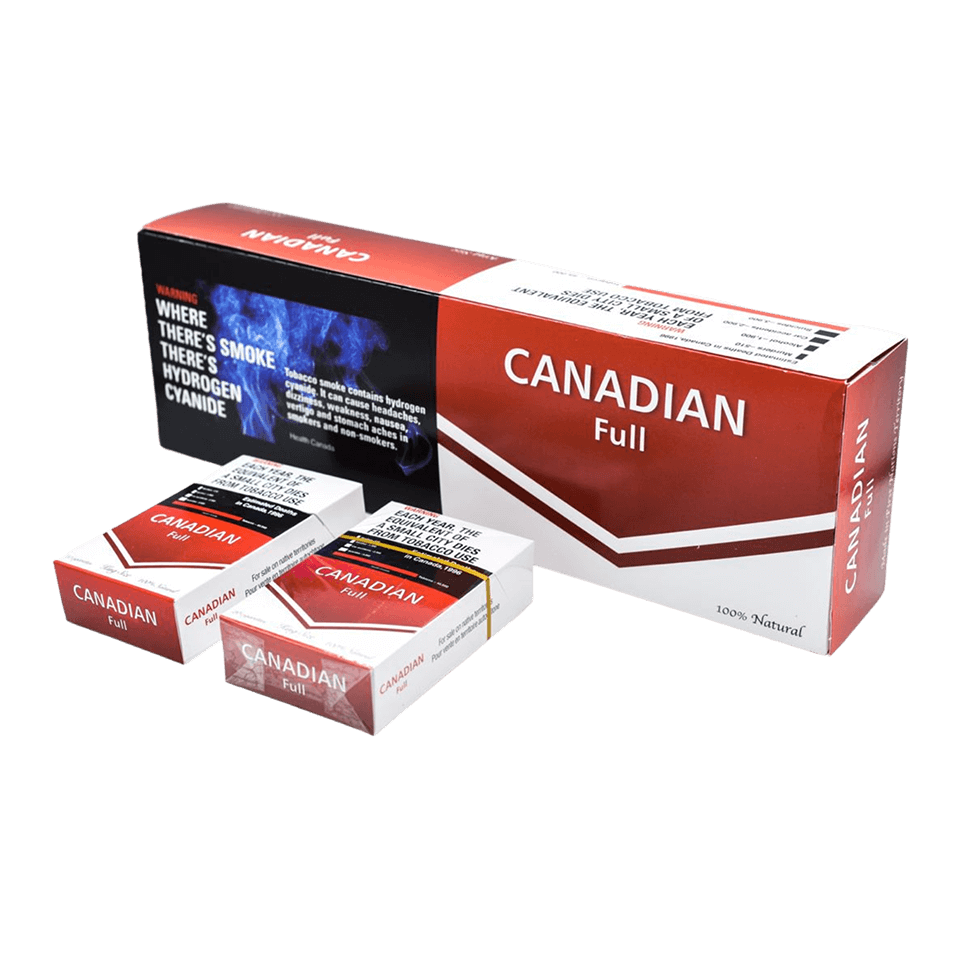

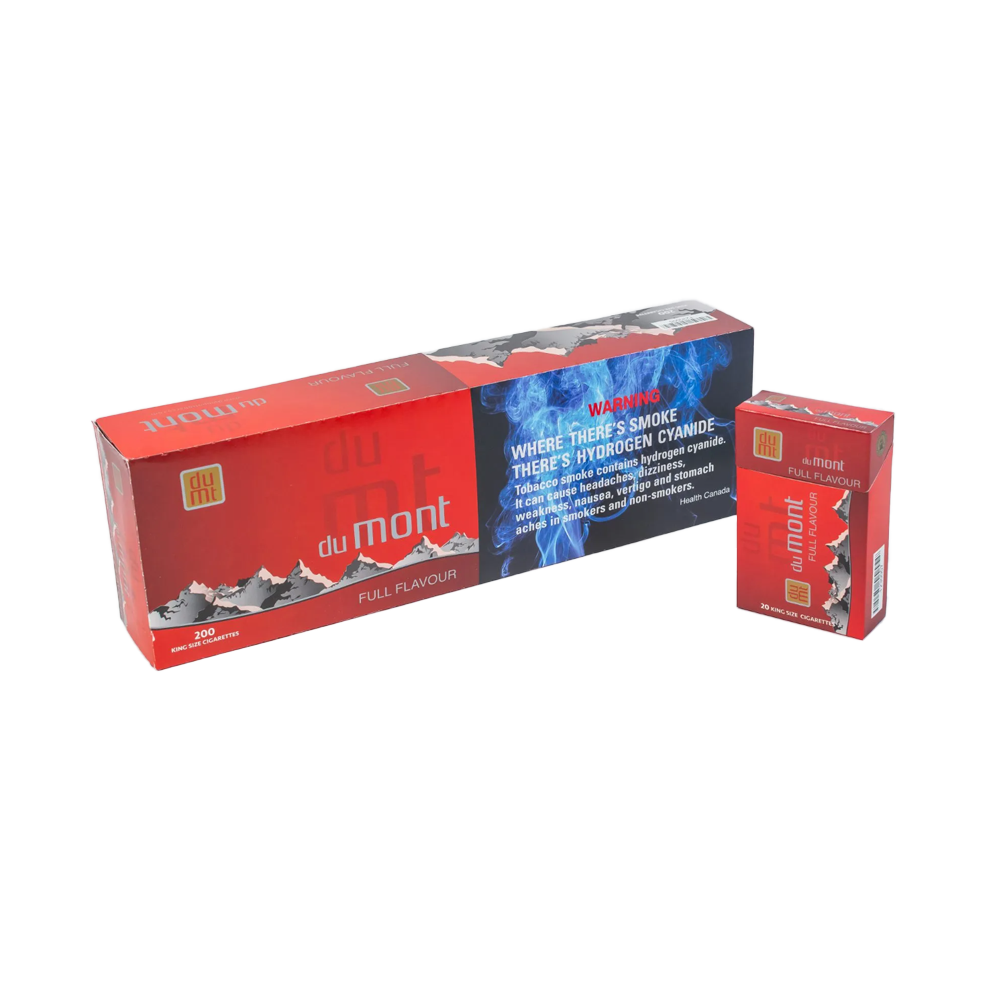
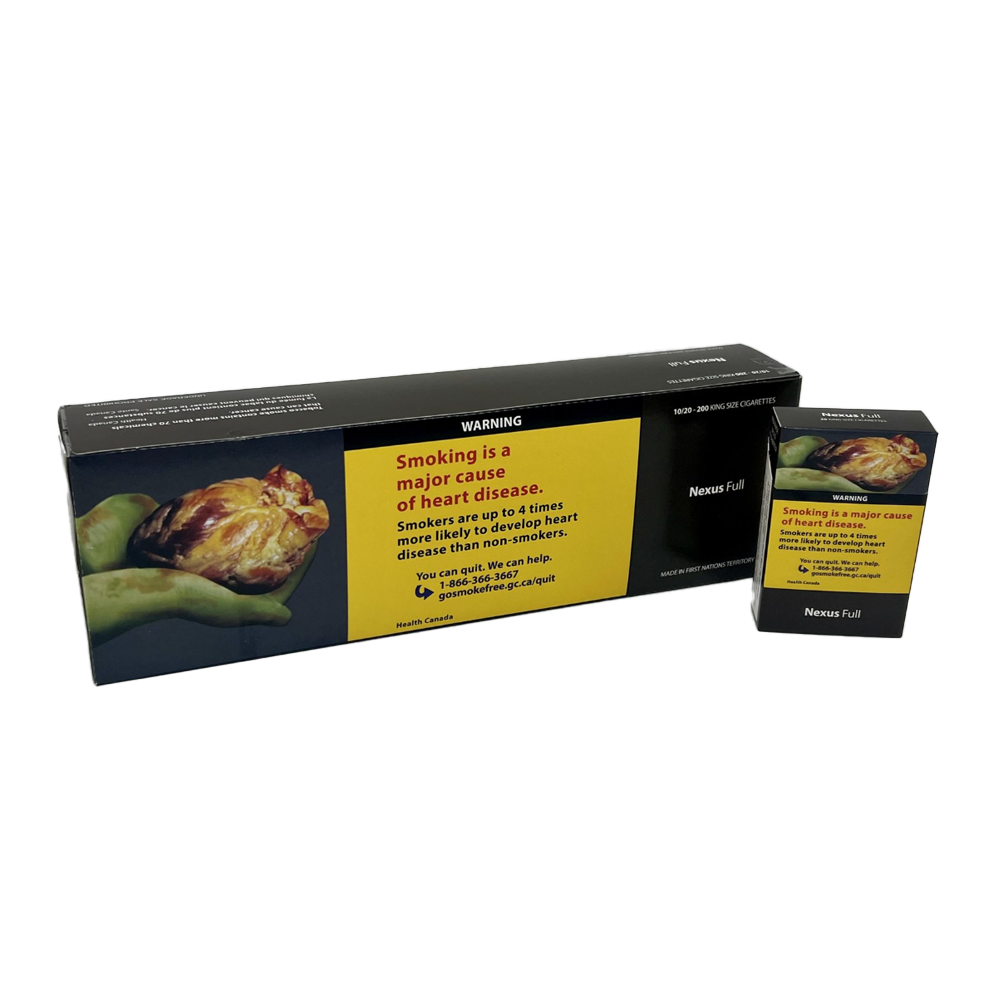
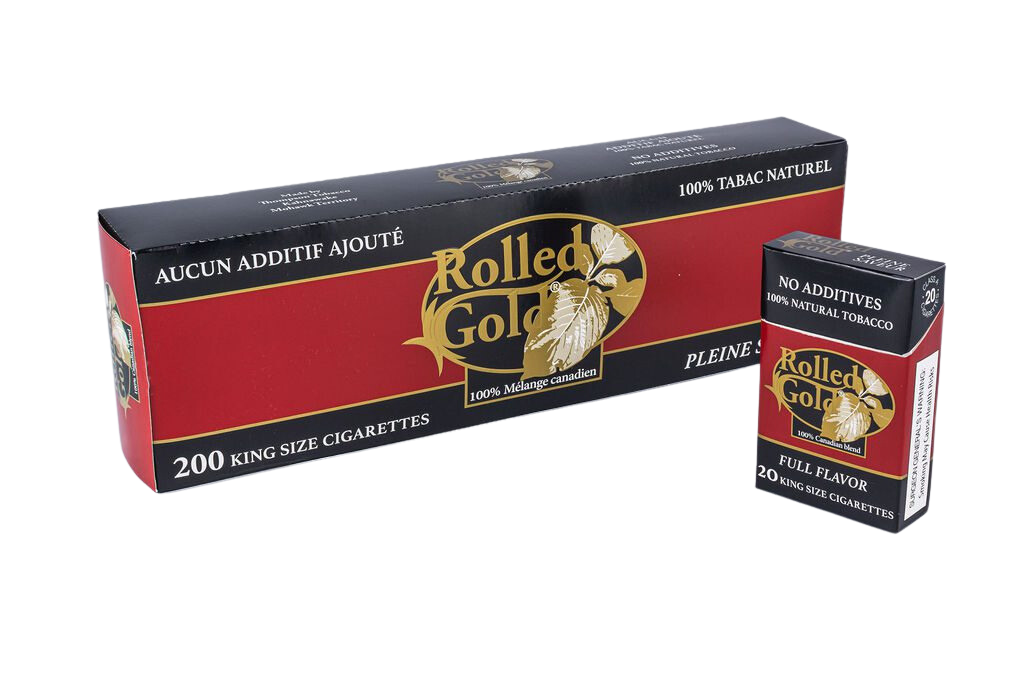
⭐ Excluded: BB light Manitoba, BB full Manitoba, Chanel Blueberry, Chanel ice. See all 29+ native brands at Cigstore.ca.
🚚 Delivery Across Canada – $29 Flat Rate
We ship to every province and territory using Canada Post, Purolator, FedEx, and UPS. Orders over $290 qualify for FREE shipping. Age verification (19+) required upon delivery.
📦 Same-day dispatch for orders before 2 PM EST. Tracking provided within 24 hours.
📚 You Might Also Enjoy These Articles
Why Do Some Native Cigarettes Have a Weird Taste?
And how to fix it.
Why Do Smokers Always Have the Best Lighters?
An investigation.
The ‘One More Loop’
Why it’s so hard to stop after the first cigarette.
Smoking and Testosterone
Effects on men’s health and performance.
The Psychology of the Last Cigarette
Why it tastes different.