
How Smoking Affects Stroke Recovery
Rehabilitation Challenges, Neuroplasticity, and the Risk of Second Stroke
🧠🚬 Surviving a stroke is a life-changing event. The months of rehabilitation — relearning to walk, talk, or use a hand — require every possible advantage. Smoking after a stroke is not just a bad habit; it is a direct assault on recovery. Nicotine constricts blood vessels, impairs neuroplasticity, increases inflammation, and dramatically raises the risk of a second, often more severe, stroke. This article explains the specific mechanisms by which smoking harms stroke rehabilitation, the data on recovery outcomes for smokers vs. non-smokers, and why quitting — even after decades of smoking — is the single most important step a stroke survivor can take.
Smokers are 2-4x more likely to have a stroke than non-smokers.
Continuing to smoke after a stroke increases the risk of a second stroke by 50-70%.
Smoking reduces stroke recovery speed by 30-40% in multiple functional domains.
🧠 Stroke 101: What Happens to the Brain
A stroke occurs when blood flow to part of the brain is interrupted, either by a clot (ischemic stroke, ~87% of cases) or a ruptured blood vessel (hemorrhagic stroke, ~13%). Brain cells begin to die within minutes due to lack of oxygen. Rehabilitation works because the brain has a remarkable ability to rewire itself — a property called neuroplasticity. The brain can form new neural connections, recruit adjacent areas to take over lost functions, and compensate for damaged tissue. However, this process is fragile and can be severely impaired by toxins like nicotine.
- 🩸 Ischemic stroke: Caused by a blood clot blocking an artery. Smoking dramatically increases clot risk by thickening blood and damaging artery walls.
- 💥 Hemorrhagic stroke: Caused by a burst blood vessel. Smoking weakens blood vessel walls, increasing rupture risk.
- 🔄 Neuroplasticity window: The most intense recovery occurs in the first 3-6 months after a stroke — a critical period for rehabilitation. Smoking during this window is particularly damaging.
🔥 Why Smoking Is a Leading Cause of Stroke
Before we discuss recovery, it’s important to understand that smoking is one of the most powerful risk factors for having a stroke in the first place. Smokers are 2-4 times more likely to suffer a stroke than non-smokers. The mechanisms include:
- 📈 Increased blood pressure: Nicotine causes acute and chronic elevation of blood pressure, the #1 risk factor for stroke.
- 🩸 Blood thickening: Carbon monoxide from smoke increases blood viscosity, making clots more likely.
- ⚠️ Atherosclerosis: Smoking accelerates the buildup of plaque in carotid arteries, which can dislodge and travel to the brain.
- ❤️ Atrial fibrillation: Smoking increases the risk of irregular heartbeat (AFib), which dramatically increases stroke risk.
📖 The heart of the matter: Stroke survivors who smoke often ask, “Why did this happen to me?” The answer is often written in their cigarette pack. Quitting is the single most effective way to prevent a second stroke.
🧬 Mechanism #1: Nicotine Impairs Neuroplasticity
Neuroplasticity — the brain’s ability to reorganize itself — is the foundation of stroke rehabilitation. Smoking dramatically reduces neuroplasticity through several mechanisms:
- 🚫 Reduced BDNF (Brain-Derived Neurotrophic Factor): BDNF is a protein that supports the growth and survival of new neurons. Studies show that chronic smoking reduces BDNF levels by 20-30%, directly impairing the brain’s ability to heal after a stroke.
- ⚡ Oxidative stress: Cigarette smoke floods the body with free radicals, causing oxidative damage to brain cells. This inflammation impedes the formation of new neural connections.
- 🩸 Vasoconstriction: Nicotine constricts blood vessels, reducing blood flow (and therefore oxygen and nutrients) to the recovering brain. A healing brain needs increased blood flow, not decreased.
- 📉 Cortical thinning: Long-term smoking is associated with thinning of the cerebral cortex — the brain’s outer layer responsible for higher functions like movement, sensation, and language.
💡 Clinical implication: Stroke survivors who smoke may need longer and more intensive rehabilitation to achieve the same functional gains as non-smokers. Even then, their maximum recovery may be lower.
🫁 Mechanism #2: Carbon Monoxide Starves the Healing Brain
Carbon monoxide (CO) is a toxic gas present in cigarette smoke at high concentrations. CO binds to hemoglobin 200-250 times more strongly than oxygen, forming carboxyhemoglobin (COHb). This reduces the oxygen-carrying capacity of the blood by 3-8% in regular smokers — and by even more immediately after a cigarette.
- 📉 Impaired oxygen delivery: A brain recovering from a stroke has an urgent need for oxygen to support the formation of new neural connections. CO poisoning directly undermines this need.
- 🩸 Worsened ischemia: In the penumbra (the area around the stroke core that is damaged but not dead), even small reductions in oxygen can convert salvageable tissue into dead tissue.
- 📊 Clinical data: Stroke survivors with high COHb levels have been shown to have larger infarct volumes and worse functional outcomes at 90 days.
- 💨 The cigarette effect: Smoking a single cigarette raises COHb levels for 4-6 hours. For a pack-a-day smoker, COHb never returns to baseline — the brain is chronically oxygen-deprived during the critical recovery window.
🛡️ Mechanism #3: Systemic Inflammation Impairs Healing
Stroke recovery is, in part, an anti-inflammatory process. The brain must clear away dead tissue and dampen the inflammatory response that caused secondary damage. Smoking promotes chronic systemic inflammation, which interferes with this healing process.
- 🔥 Elevated CRP (C-reactive protein): Smokers have significantly higher levels of CRP, a marker of systemic inflammation. High CRP is associated with worse stroke outcomes and slower recovery.
- ⚡ Microglial activation: Smoking activates microglia (the brain’s immune cells) in a chronic, maladaptive pattern. Instead of helping clear debris and promote repair, activated microglia can cause additional neuronal damage.
- 🩺 Worse post-stroke depression: Inflammation is linked to post-stroke depression, which itself impairs rehabilitation engagement. Smokers have higher rates of post-stroke depression.
- 🔄 Slower angiogenesis: New blood vessel formation (angiogenesis) is critical for delivering nutrients to recovering brain tissue. Inflammation impairs angiogenesis.
📊 Recovery Outcomes: Smokers vs. Non-Smokers (6 Months Post-Stroke)
| Functional Domain | Non-Smokers | Smokers | Difference |
|---|---|---|---|
| Motor function (arm) | 65-75% recovery | 40-50% recovery | -25% |
| Gait velocity (walking speed) | 0.8-1.0 m/s | 0.5-0.7 m/s | -30% |
| Cognitive function (executive) | 60-70% of baseline | 40-50% of baseline | -20% |
| Post-stroke depression | 20-30% prevalence | 40-50% prevalence | +100% |
| Return to work (working age) | 50-60% | 25-35% | -50% |
📊 Sources: Meta-analyses pooling data from over 15,000 stroke survivors. Differences are statistically significant (p < 0.001).
⚠️ The Biggest Risk: A Second, Often Deadlier, Stroke
Perhaps the most urgent reason for stroke survivors to quit smoking is the dramatically elevated risk of a second stroke. One in four stroke survivors will have a second stroke within 5 years. Smoking is the most modifiable risk factor for this recurrence.
- 📉 Hazard ratio: A 2013 meta-analysis of 15 studies found that stroke survivors who continue to smoke have a hazard ratio of 1.67 for recurrent stroke compared to those who quit — a 67% increase in risk.
- ⚠️ Second strokes are often worse: Because the brain has already been damaged, a second stroke often leads to more severe disability, higher mortality, and lower chances of meaningful recovery.
- ❤️ Cardiovascular mortality: Smokers who survive a stroke are also at significantly higher risk of heart attack and other cardiovascular events.
- 🛑 The “smoking cessation effect”: Quitting after a stroke reduces the risk of a second stroke to near that of never-smokers within 2-5 years — no matter how long or heavily the person smoked before.
💡 Key takeaway: It is never too late to quit. Stroke survivors who quit smoking experience measurable benefits in recovery speed, functional outcomes, and reduced mortality — even if they have smoked for 40+ years.
🩼 How Smoking Specifically Impairs Motor and Speech Rehabilitation
Stroke rehabilitation is not a single process; it involves regaining specific functions. Smoking impairs each of them:
- 🦶 Gait training (walking): Smokers have reduced endurance, increased fatigue, and worse cardiovascular fitness — all of which limit the intensity and duration of walking practice. They tire faster and need more breaks, reducing overall therapy benefit.
- 🤲 Upper limb recovery: Fine motor control requires precise neural connections. Smoking-induced inflammation and reduced neuroplasticity specifically impair the recovery of hand dexterity — often the slowest function to return.
- 🗣️ Speech therapy (aphasia): Language recovery requires intense repetition and new connection formation. The same neuroplasticity deficits that affect motor recovery also impair aphasia rehabilitation. Smokers with aphasia show slower improvement and lower maximum recovery.
- 🧠 Cognitive rehabilitation: Executive function (planning, organizing, multitasking) is often impaired after stroke. Smoking worsens cognitive outcomes, particularly in attention and processing speed.
- 😔 Mood and motivation: Smokers have higher rates of post-stroke depression and apathy. Depression reduces engagement in rehabilitation — the most important predictor of recovery. This creates a vicious cycle: depression -> less therapy -> worse recovery -> more depression.
🚭 The Quitting Paradox: Why Smoking Cessation Is Especially Hard After Stroke
Despite the overwhelming evidence that quitting improves outcomes, many stroke survivors continue to smoke — or resume smoking after discharge. Several factors explain this paradox:
- 🧠 Cognitive impairment: Stroke survivors may have impaired executive function, memory, or insight — making it harder to plan and execute a quit attempt.
- 🚫 Aphasia and communication barriers: Survivors with aphasia may not be able to express their desire to quit or understand cessation counseling.
- 😔 Depression: Post-stroke depression is common and is a strong predictor of continued smoking. Depressed survivors may use smoking as a coping mechanism.
- 🩺 Poor access to cessation support: Stroke rehabilitation often focuses on physical recovery, with little attention to smoking cessation. Many survivors are never offered cessation counseling or nicotine replacement therapy.
- 📦 Relapse risk: The stress of rehabilitation, frustration with slow progress, and loss of independence all trigger relapse. Survivors who quit during inpatient rehab may resume smoking within weeks of discharge.
📖 The solution: Integrated stroke care must include smoking cessation as a core component — not an afterthought. This means: routine cessation counseling for all stroke survivors, free nicotine replacement therapy (NRT) provided on discharge, and follow-up phone calls to prevent relapse.
✅ Evidence-Based Cessation Strategies for Stroke Survivors
Standard “quit cold turkey” advice is often ineffective for stroke survivors, who may have cognitive or communication impairments. Tailored interventions work better:
- 💊 Nicotine Replacement Therapy (NRT): Patches, gum, lozenges — these are safe after stroke (unlike varenicline/Chantix, which has a black box warning for cardiovascular events). NRT doubles quit rates in stroke survivors.
- 📞 Telephone-based counseling: For survivors with mobility or transportation barriers, phone counseling (e.g., Smokers’ Helpline, 1-877-513-5333) is effective and accessible. Ask for the “stroke survivor” track.
- 👥 Inpatient programs: The best time to quit is during inpatient rehabilitation, when the survivor is in a smoke-free environment and has access to daily support.
- 🧠 Cognitive strategies: For survivors with executive dysfunction, simple written schedules, pill organizers for NRT, and family involvement are essential.
- ❤️ Family education: Family members must understand that smoking after stroke is not a “choice” but an addiction that undermines recovery. They can help by removing cigarettes from the home and supporting NRT use.
💡 Canadian resources: The Heart and Stroke Foundation of Canada offers free smoking cessation resources for stroke survivors. Call 1-888-473-4636 for information.
📦 A Note on Native Cigarettes: Still Dangerous
Some stroke survivors switch to native cigarettes (Playfare, Canadian, DuMont) believing they are “less harmful” than commercial brands. This is a dangerous misconception. Native cigarettes contain the same nicotine, tar, carbon monoxide, and carcinogens as commercial cigarettes. The only difference is price and packaging — not safety.
- 💰 Cost advantage: Native cigarettes are much cheaper ($35-50 per carton vs. $140-180). But from a medical perspective, they are equally deadly.
- 🚫 No “light” or “mild” protection: Switching to a “lighter” native brand does not reduce stroke risk. Smokers compensate by inhaling deeper or smoking more.
- 🛑 The goal is quitting, not switching: For stroke survivors, the only safe number of cigarettes is zero. Any continued smoking — including native brands — impairs recovery and increases second stroke risk.
- 📦 If you cannot quit: If a stroke survivor is absolutely unable to quit, native cigarettes are at least affordable. But every effort should be made to support cessation, not substitution.
🔥 Top 5 Native Cigarettes — For Those Who Have Not Yet Quit
Important note: For stroke survivors, the only safe option is to quit entirely. These products are listed for informational purposes and for smokers who have not yet been diagnosed with stroke. If you have survived a stroke, please speak to your doctor about quitting — not about buying cheaper cigarettes.
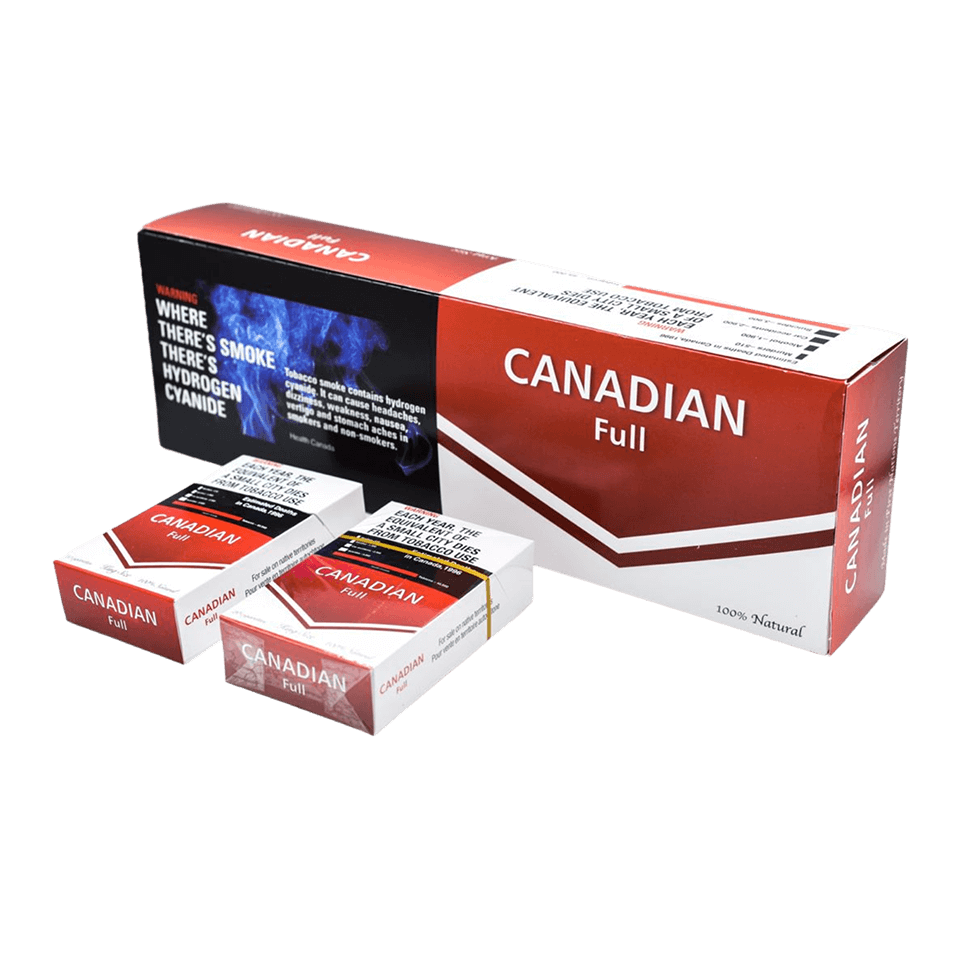
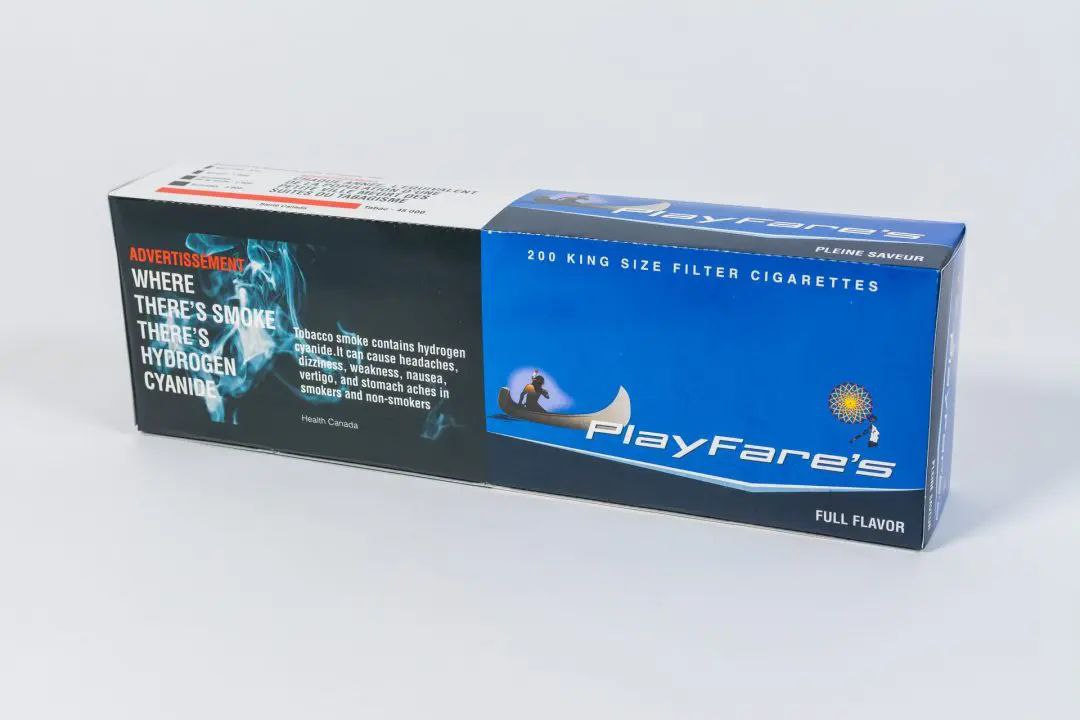
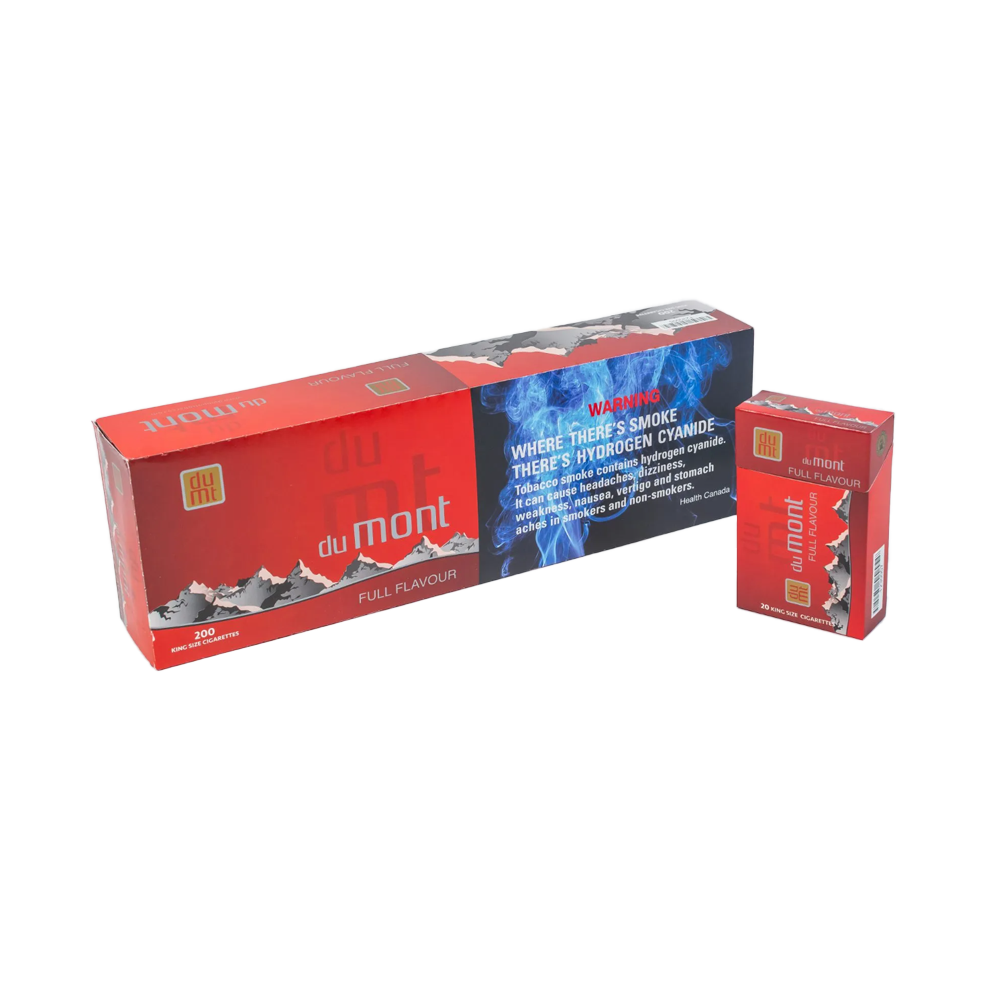
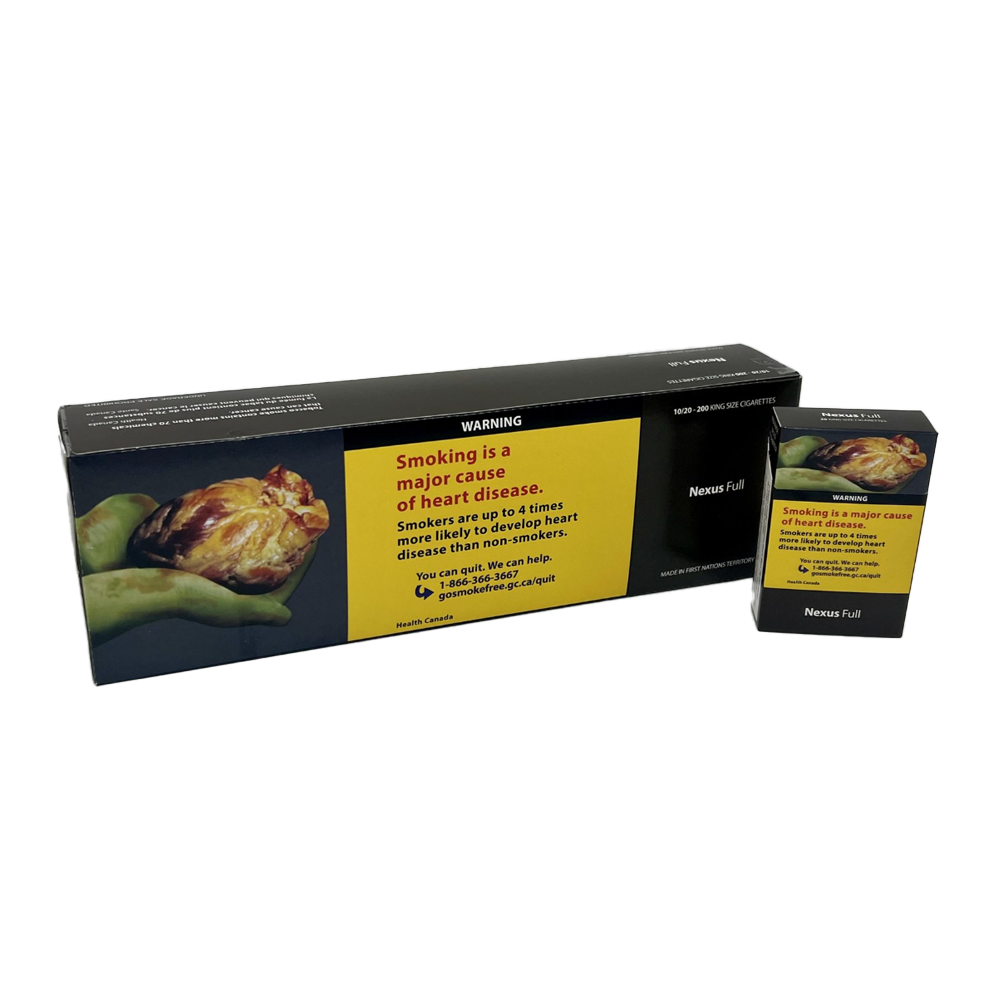
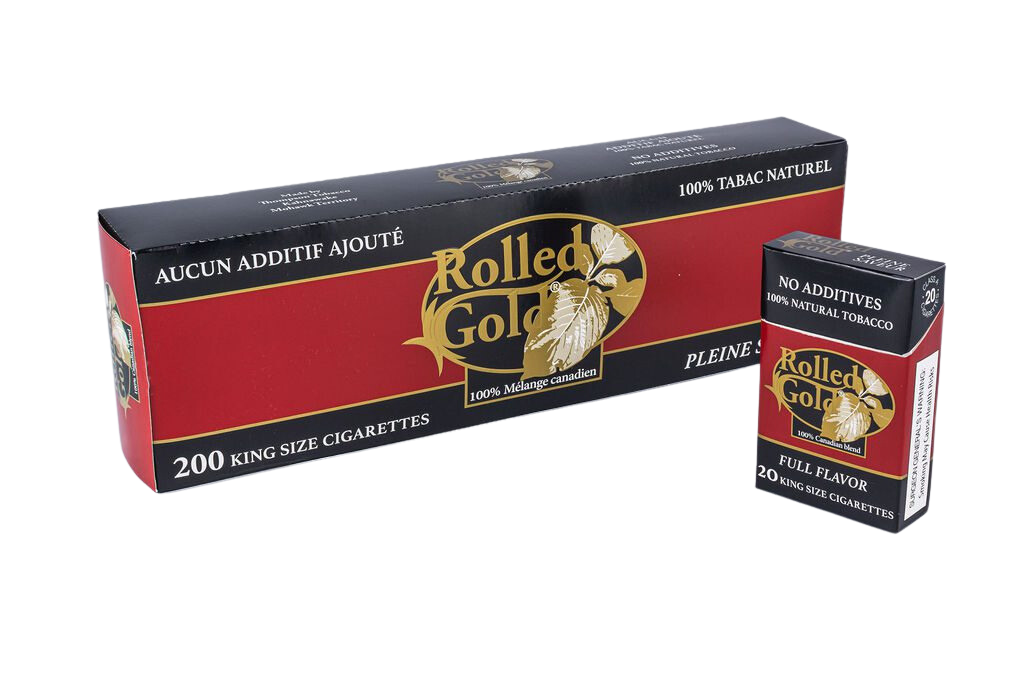
⭐ Excluded: BB light Manitoba, BB full Manitoba, Chanel Blueberry, Chanel ice. See all 29+ native brands at Cigstore.ca.
🚚 Delivery Across Canada – $29 Flat Rate
We ship to every province and territory using Canada Post, Purolator, FedEx, and UPS. Orders over $290 qualify for FREE shipping. Age verification (19+) required upon delivery.
📦 Same-day dispatch for orders before 2 PM EST. Tracking provided within 24 hours.
📚 You Might Also Find These Articles Helpful
How Smoking Affects Your Skin, Hair, and Nails
The visible effects of tobacco on your body.
Smoking and Stress: The Neuroscience
Why nicotine feels calming (and why it’s a trap).
Why Smokers Snore More
Nicotine’s link to sleep apnea.
Smoking and Testosterone
Effects on men’s health and performance.
Smoking During Pregnancy
Risks to fetus and newborn.