
How Smoking Affects Hearing
Why Smokers Are More Likely to Suffer Hearing Loss
⚠️ CRITICAL MEDICAL DISCLAIMER: This article is for educational purposes only and is not a substitute for professional medical advice. If you experience sudden hearing loss, tinnitus, or other auditory symptoms, consult an audiologist or ENT specialist immediately. Hearing loss can have many causes, and early intervention is critical for optimal outcomes.
🦻🚬 Most smokers are aware of the risks to their lungs and heart. But few realize that cigarette smoking is a significant, independent risk factor for hearing loss. Research has consistently demonstrated that smokers are up to 70% more likely to develop hearing impairment than non-smokers. This article explores the mechanisms behind smoking-induced hearing damage, the statistics from major studies, and the protective effect of quitting.
📊 The Statistics: Smokers vs. Non-Smokers
• Smokers are 70% more likely to develop hearing loss
• Secondhand smoke exposure increases risk by 28%
• Risk increases with pack-years of smoking
Multiple large-scale studies have established a clear, dose-dependent relationship between cigarette smoking and hearing loss.
🇯🇵 1992 Japanese Study
One of the earliest major studies (n=1,262) found that among men aged 50-59, current smokers had significantly elevated pure-tone average thresholds at high frequencies (4k and 8k Hz) compared to never-smokers. The researchers concluded that “the effect of smoking on auditory function appeared independent of noise exposure” .
🇺🇸 1998 US Population Study
A large cross-sectional study of 3,753 participants found that current smokers had a 1.7-fold increased risk of hearing loss (95% CI: 1.2-2.5) compared to non-smokers. Former smokers had a 1.2-fold increased risk (non-significant after adjusting for confounders), suggesting that quitting reduces risk over time .
🇫🇷 2022 French Meta-Analysis
A comprehensive review of 14 studies found that current smokers were 1.47 times more likely to have hearing loss than never-smokers (95% CI: 1.25-1.73). Exposure to secondhand smoke was associated with a 1.28-fold increased risk (95% CI: 1.03-1.60) .
📖 Dose-response relationship: The 2022 meta-analysis confirmed that “hearing loss increased with increasing numbers of cigarettes smoked per day, duration of smoking, and pack-years” .
⚙️ The Mechanisms: How Smoking Damages Your Ears
Cigarette smoke contains over 4,000 chemicals, many of which are directly toxic to the delicate structures of the inner ear.
🔥 Ototoxicity (Direct Poisoning)
Nicotine and carbon monoxide are known ototoxic substances — chemicals that damage the cochlea (inner ear) and auditory nerve. These toxins interfere with the metabolic processes of the cochlea and have “both a direct toxic effect on the cochlea and a vasoconstrictive effect on the blood supply to the cochlea” .
🩸 Cochlear Ischemia (Reduced Blood Flow)
Nicotine causes vasoconstriction — narrowing of blood vessels — which reduces blood flow to the delicate structures of the cochlea. The hair cells of the inner ear are highly sensitive to oxygen deprivation. Chronic ischemia leads to cell death and irreversible hearing loss .
🧬 Oxidative Stress and DNA Damage
Cigarette smoke generates reactive oxygen species (ROS) that cause oxidative damage to the hair cells of the organ of Corti. This oxidative stress triggers apoptosis (programmed cell death) and impairs the regeneration of damaged auditory cells .
📊 Synergistic Effect with Noise Exposure
Smoking and noise exposure have a synergistic effect on hearing loss — the combined risk is greater than the sum of the individual risks. Smokers who work in noisy environments are at particularly high risk .
🎵 The Pattern: High-Frequency Hearing Loss
Smokers typically lose high-frequency hearing first (4,000-8,000 Hz)
This affects the ability to hear consonant sounds, making speech difficult to understand.
The 1992 Japanese study found that smoking-related hearing loss primarily affected high frequencies (4 kHz and 8 kHz) . This pattern is significant because:
- 🎵 High-frequency hearing loss makes it difficult to hear consonant sounds (s, sh, f, th, ch)
- 🗣️ Individuals with high-frequency loss often report that they can “hear but not understand” speech — especially in noisy environments
- 👶 Higher frequencies are where children’s voices (and many alarm signals) fall, potentially affecting safety
🏠 Secondhand Smoke: A Risk to Non-Smokers
Non-smokers are not safe from smoking-related hearing loss. The 2022 French meta-analysis found that exposure to secondhand smoke was associated with a 1.28-fold increased risk of hearing loss (95% CI: 1.03-1.60) .
- 👨👩👧 Children in smoking households are particularly vulnerable. The same ototoxic mechanisms that damage adult cochleae also damage developing ears.
- 🏢 Occupational exposure — bartenders, casino workers, and others exposed to secondhand smoke at work — may also face elevated risk.
- 💡 The only safe level: There is no known safe level of secondhand smoke exposure for auditory health.
👂 Smoking and Tinnitus (Ringing in the Ears)
Research has also linked smoking to tinnitus — the perception of ringing, buzzing, or hissing in the ears when no external sound is present. The same vasoconstrictive and ototoxic mechanisms that cause hearing loss can also trigger or worsen tinnitus symptoms. Smokers with hearing loss are more likely to report bothersome tinnitus than non-smokers with similar audiometric profiles.
✅ Prevention: Protecting Your Hearing
- 🚭 Quit smoking: The 1998 US study found that former smokers had only a non-significant 1.2-fold increased risk compared to never-smokers, suggesting that quitting substantially reduces hearing loss risk over time .
- 👂 Use hearing protection: Smokers who work in noisy environments should be especially vigilant about using earplugs or earmuffs.
- 📞 Get regular hearing tests: Early detection allows for earlier intervention. The American Speech-Language-Hearing Association recommends hearing screenings every 10 years for adults under 50, and every 3 years after 50.
- 🍎 Support cochlear health with nutrition: Antioxidant-rich diets (vitamins A, C, E, magnesium) may help counteract oxidative stress caused by smoking, though quitting remains the primary intervention.
📦 Native Cigarettes: No Difference in Hearing Risk
All tobacco smoke damages hearing — regardless of brand or source. Native cigarettes (Playfare, Canadian, DuMont, Nexus, Rolled Gold) contain the same nicotine, carbon monoxide, and ototoxic chemicals as commercial brands .
- 💰 Cost savings: Native cigarettes cost $29-50 per carton — compared to $140-180 for commercial brands — a savings of 70-80%.
- 🚫 Not “healthier” for your ears: Native cigarettes cause the same vasoconstriction, oxidative stress, and cochlear damage as any other cigarette.
- 📦 Online delivery: Cigstore.ca ships to every province and territory with $29 flat shipping (free over $290).
- 🦻 Medical note: If you are concerned about hearing loss, no form of smoking is safe — regardless of brand or price.
🔥 Top 5 Native Cigarettes for Canadian Smokers




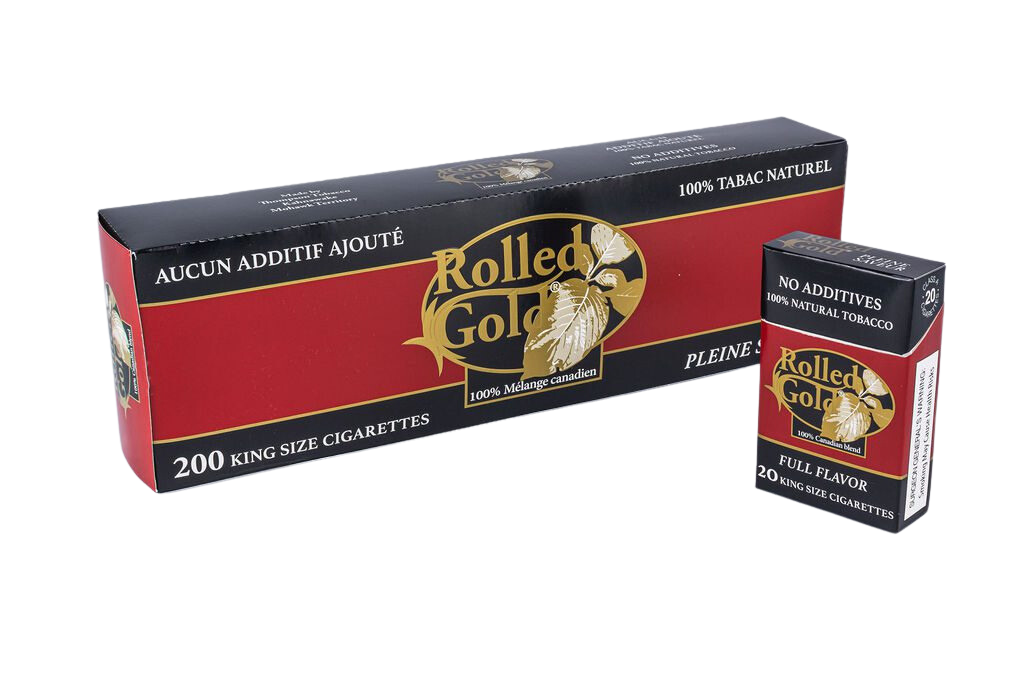
⭐ Excluded: BB light Manitoba, BB full Manitoba, Chanel Blueberry, Chanel ice. See all 29+ native brands at Cigstore.ca.
🚚 Delivery Across Canada – $29 Flat Rate
We ship to every province and territory using Canada Post, Purolator, FedEx, and UPS. Orders over $290 qualify for FREE shipping. Age verification (19+) required upon delivery.
📦 Same-day dispatch for orders before 2 PM EST. Tracking provided within 24 hours.
📚 You Might Also Enjoy These Articles
How Smoking Affects Your Skin, Hair, and Nails
The visible effects of tobacco on your body.
Smoking and Stress: The Neuroscience
Why nicotine feels calming (and why it’s a trap).
Smoking and Testosterone
Effects on men’s health and performance.
Smoking and Dental Health
Stains, gum disease, and implants.
Smoking During Pregnancy
Risks to fetus and newborn.