
Why Every Bar in the Last Century Had Ashtrays
From Brass to Glass: The Essential Bar Accessory That Defined an Era
🍺🚬 Walk into any bar today, and you will search in vain for an ashtray. But step back in time — to the 1950s, 60s, 70s, or even the 80s — and ashtrays were as essential as beer taps. They sat on every table, lined the bar counter, and were built into booths and cigarette vending machines. A bar without ashtrays was unthinkable. This article explores why ashtrays were ubiquitous in Canadian bars for most of the 20th century: the social norms, the tobacco industry’s marketing strategies, the functional necessity, and the eventual decline as public health awareness and smoking bans took hold.
In 1965, over 50% of Canadian adults smoked. Today, it’s about 12%.
A single bar in the 1960s might go through hundreds of ashtrays in a year — broken, stolen, or worn out.
🚬 Reason #1: Almost Everyone Smoked
The most straightforward reason bars had ashtrays is that almost everyone smoked. In 1965, over half of Canadian adults smoked. In some demographics (men, blue-collar workers), the rate was even higher. A bar owner who did not provide ashtrays would have lost customers — fast.
- 📊 Peak smoking rates: Smoking reached its zenith in Canada in the mid-1960s, with per capita consumption rising steadily. This was the golden age of the cigarette industry .
- 🚬 Non-smokers were the minority: Non-smokers were so rare that they were often the ones who had to adapt — sitting in the “non-smoking section” (if one existed) was a new concept .
- 🔄 The self-reinforcing cycle: Because everyone smoked, bar owners provided ashtrays. Because ashtrays were everywhere, smoking was normalized. The presence of ashtrays signaled: “You are welcome to smoke here.”
📖 From a 1978 student newspaper: “The idea of not being able to smoke in the classroom was a huge shock to students.” — The same shock applied to bars .
🔥 Reason #2: Fire Safety and Practicality
Beyond social norms, ashtrays served a crucial practical function: fire prevention. Bars are full of flammable materials: wooden tables, upholstered booths, paper napkins, and alcohol. Without ashtrays, cigarette butts would be ground into carpets, dropped into trash cans, or left smoldering on tables.
- 🔥 Fire risk: Cigarettes can smolder for up to 30 minutes. A dropped cigarette can ignite a trash can or upholstery. Ashtrays were the first line of defense.
- 🧹 Cleanliness: Ashtrays concentrated the mess. Without them, floors would be littered with butts and ash. Bussers emptied ashtrays into trash cans — a task that was part of every server’s shift.
- ⚖️ Liability: Bars that failed to provide ashtrays could be held liable for fire damage.
- 📦 The “sand ashtray”: Many bars used a large urn filled with sand (sometimes branded with a cigarette logo) near the entrance. Smokers could extinguish their cigarettes before entering or upon leaving.
💰 Reason #3: The Tobacco Industry Gave Them Away for Free
The tobacco industry was not a passive observer of bar culture — they actively shaped it. Cigarette companies gave away millions of branded ashtrays to bars, pubs, and taverns for free. It was one of the most effective marketing strategies of the 20th century .
- 📦 Free branded ashtrays: Companies like Player’s, Export ‘A’, and Du Maurier supplied bars with heavy glass ashtrays emblazoned with their logos. Bar owners loved them — they were free and durable.
- 🎯 Constant brand exposure: Every time a patron reached for an ashtray, they saw a cigarette brand. Every time they lit up, the ashtray reinforced the association between smoking and socializing.
- 🚬 Cigarette vending machines: Many bars had cigarette vending machines — often with built-in ashtrays. These machines were also supplied by tobacco companies, which split profits with bar owners .
- 🔧 The “ashtray refresh”: Sales representatives would visit bars regularly, replacing broken or stolen ashtrays and ensuring their brands were prominently displayed.
📖 The effectiveness: A branded ashtray was subtle advertising. It didn’t feel like an ad — it felt like a useful object. But it worked. Smokers developed loyalty to the brands they saw every time they reached for an ashtray.
💬 Reason #4: Ashtrays as Social Tools
Ashtrays were not just functional — they were social catalysts. Offering a cigarette and a light was a way to start a conversation, ask someone for a date, or bond with a stranger. The ashtray was the stage for this ritual.
- 🤝 “Got a light?”: Asking for a light was a classic bar pickup line. The ashtray was where the exchange happened.
- 🔄 The shared ashtray: In crowded bars, strangers shared ashtrays. It created a sense of communal space — everyone was smoking together.
- 🎭 The “cigarette girl”: In upscale bars, cigarette girls walked through the crowd selling packs and offering lights. They carried trays with ashtrays built in.
- 🧠 Psychological comfort: For smokers, an ashtray signaled: “This is a place where I am welcome.” Bars without ashtrays felt hostile.
🏺 The Many Types of Bar Ashtrays
🍺 Heavy Glass
Standard bar ashtray — thick, heavy, hard to knock over. Often branded with a beer or cigarette logo.
🪙 Brass/Metal
Upscale bars used brass or chrome ashtrays. They were polished regularly and matched the bar’s decor.
🚬 Built-in
Booths and tables sometimes had ashtrays built into the armrests — a feature of mid-century design.
🏺 Cigar ashtrays
Larger bowls with wider grooves, designed for cigars. Common in upscale bars and hotel lounges.
📉 The Decline: Why Ashtrays Disappeared
By the 1990s and 2000s, ashtrays began to vanish from bars — a victim of changing laws, changing norms, and changing health awareness.
- 📋 Provincial smoking bans: Ontario (2006), Quebec (2006), British Columbia (2008), and other provinces banned smoking in enclosed public spaces. Indoor smoking became illegal. Ashtrays were no longer needed indoors .
- 🚭 The decline of smoking rates: By 2020, only 12% of Canadian adults smoked. The demand for ashtrays plummeted.
- 📦 Patio ashtrays: Some bars moved ashtrays outdoors to patios — but even those were eventually banned in many provinces (Ontario patios became smoke-free in 2015).
- 🔄 The final holdouts: A few bars maintained indoor smoking rooms with special ventilation — but these were expensive to build and maintain, and many closed .
📖 From a 2006 Ontario bartender: “We removed the ashtrays the night before the ban. The next morning, the bar looked naked. It felt wrong — like a church without pews.”
🏛️ The Legacy: Vintage Ashtrays as Collectibles
Today, vintage bar ashtrays have become collector’s items. Dominion Glass Company ashtrays from the 1950s-1960s, branded with “Souvenir of Canada” and the Canadian flag, are sought-after antiques .
- 📦 Dominion Glass No. 2210 ashtray: “Built-up sides allowing multiple cigarettes to angle down into the bowl, rather than tipping out as they burn down.” A classic example of mid-century Canadian design .
- 🏢 Airline and cruise ship ashtrays: Branded ashtrays from Canadian Pacific Airlines, S.S. Empress of Canada, and other transportation companies are prized by collectors .
- 🎰 Casino and hotel ashtrays: Las Vegas and Atlantic City casino ashtrays are particularly collectible — but Canadian bars also produced unique pieces.
- 📈 Value: A rare bar ashtray can sell for $50-200 at auction, depending on age, condition, and brand.
📖 Nostalgia note: For older Canadians, seeing a vintage ashtray brings back memories of smoky barrooms, late-night conversations, and a different era of social interaction. The ashtray is a time capsule.
📦 Native Cigarettes Today: Smoking in a Smoke-Free World
While you cannot smoke inside Canadian bars anymore, many Canadians still smoke. Native cigarettes (Playfare, Canadian, DuMont) have become the affordable choice for price-conscious adult smokers. A carton costs $29-50, compared to $140-180 for commercial brands — a savings of 70-80%.
- 💰 Cost savings: A pack-a-day smoker saves $5,000-7,000 per year by switching to native cigarettes.
- 🚫 Not “healthier”: Native cigarettes contain the same nicotine, tar, and carcinogens as commercial brands. The only difference is price and packaging.
- 📦 Online delivery: Cigstore.ca ships to every province and territory with $29 flat shipping (free over $290).
- 🚬 Remember the ashtrays: Today, you must smoke outdoors or in designated areas. But you can still buy affordable cigarettes — you just can’t use them inside.
🔥 Top 5 Native Cigarettes for Today’s Smokers

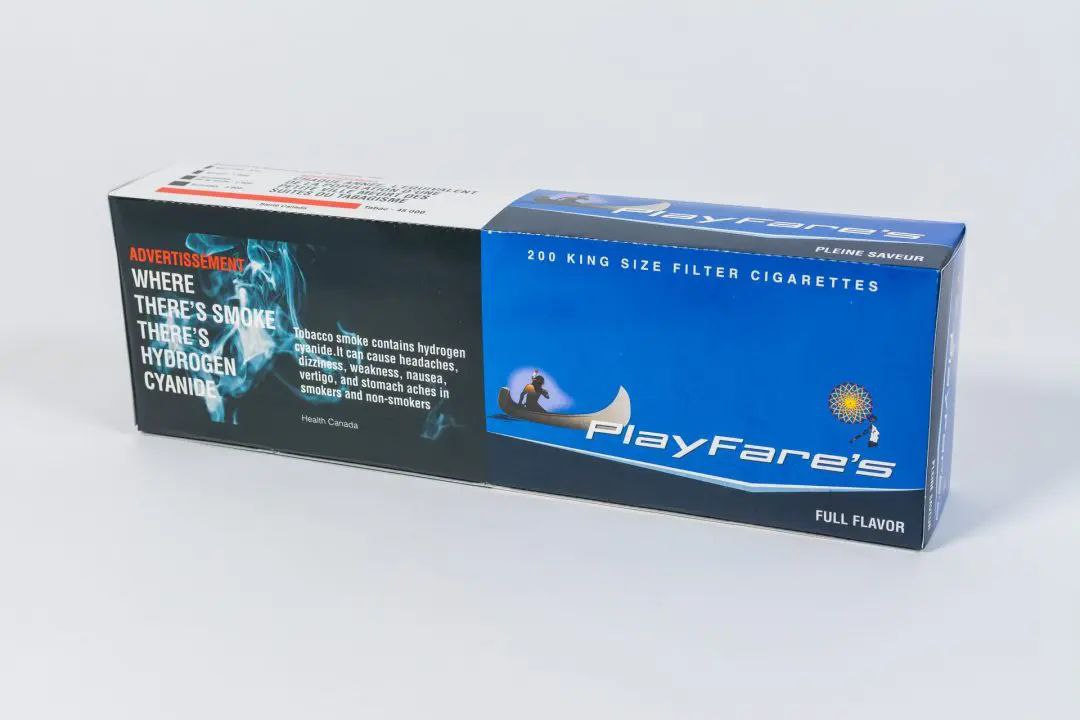

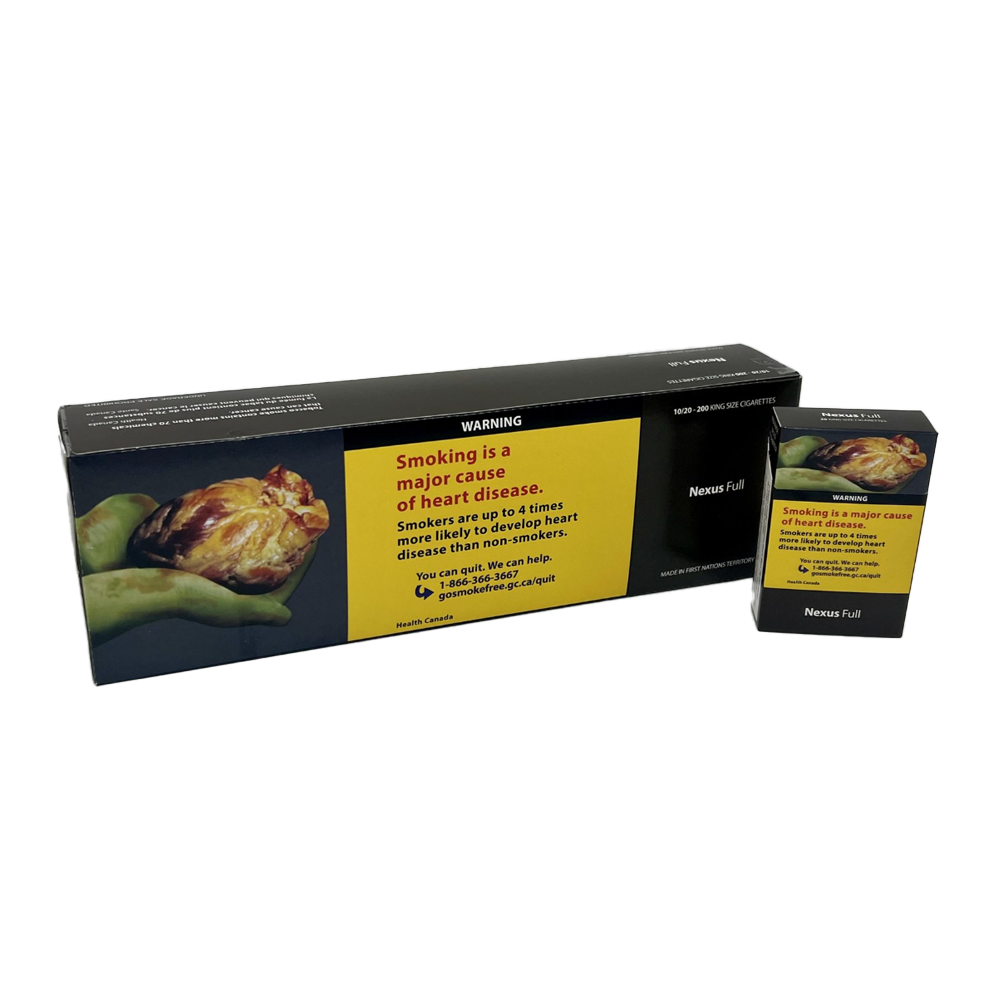
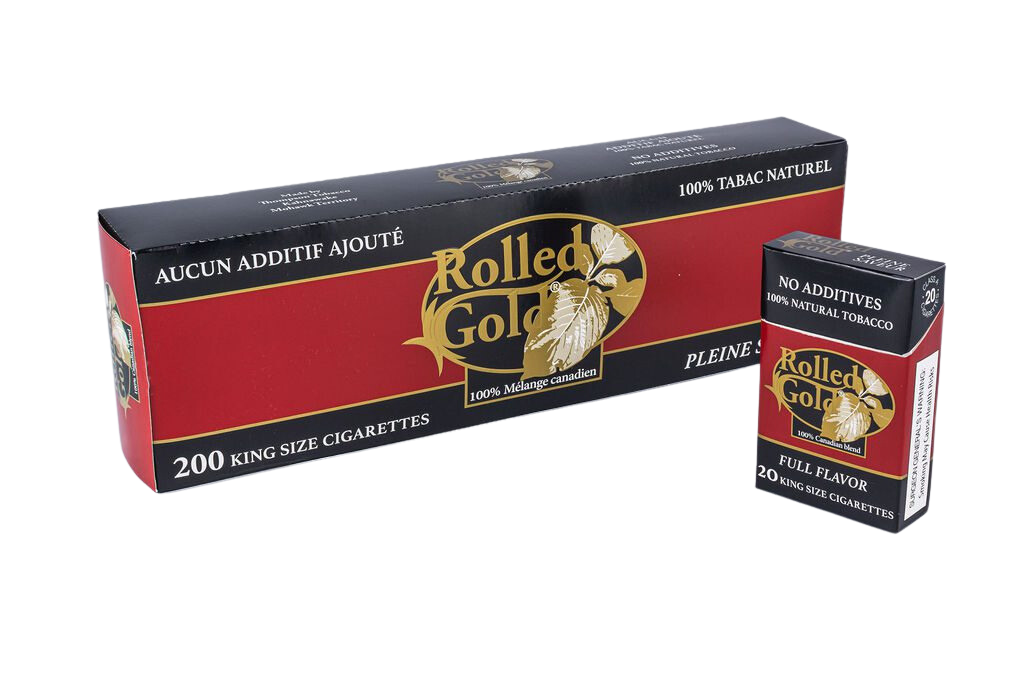
⭐ Excluded: BB light Manitoba, BB full Manitoba, Chanel Blueberry, Chanel ice. See all 29+ native brands at Cigstore.ca.
🚚 Delivery Across Canada – $29 Flat Rate
We ship to every province and territory using Canada Post, Purolator, FedEx, and UPS. Orders over $290 qualify for FREE shipping. Age verification (19+) required upon delivery.
📦 Same-day dispatch for orders before 2 PM EST. Tracking provided within 24 hours.
🍺 Note: While you can’t smoke inside bars anymore, you can still order affordable native cigarettes for home or outdoor use. The ashtrays may be gone, but the smoking culture persists — just outdoors.
📚 You Might Also Enjoy These Articles
History of Smoking in Canadian Bars & Pubs
From smoke-filled taverns to clean air.
What the 1960s Cigarette Break Looked Like in Canada
Ashtrays everywhere, no limits.
History of Smoking in Canadian Restaurants
From elegant ashtrays to full bans.
History of Smoking in Canada
From 1950s magazine ads to plain packaging today.
Why Modern Movie Characters Rarely Smoke
The MPAA rating shift that changed Hollywood.