
The Impact of Cannabis Legalization on Cigarette Consumption in Canada
Substitution, Complementary Use, and the Polysubstance Reality
🌿🚬 On October 17, 2018, Canada became the second country in the world to legalize recreational cannabis. Public health experts had two competing hypotheses: would cannabis replace cigarettes as a safer recreational option, or would the two substances be used together, increasing overall harm? Six years later, the evidence is clear: cannabis legalization has not significantly reduced cigarette smoking rates in Canada, and co-use of both substances is associated with worse tobacco cessation outcomes [citation:1]. This article explores the complex relationship between cannabis and tobacco consumption in post-legalization Canada, the rise of polysubstance use, and what this means for smokers and public health policy.
📊 The Pre-Legalization Question: Substitution or Complementary Use?
Before legalization, researchers debated two competing scenarios:
- ✅ The Substitution Hypothesis: Cannabis would replace cigarettes, reducing tobacco-related harm. Smokers would switch to a less harmful (though not harmless) recreational substance.
- ❌ The Complementary Use Hypothesis: Cannabis and tobacco would be used together, increasing overall substance use and complicating cessation efforts.
- 📋 A third scenario: Cannabis use would increase primarily among people who already smoked — driving up polysubstance use without reducing tobacco consumption.
📖 The reality: Six years post-legalization, the evidence points to complementary use and increased polysubstance use, not substitution [citation:1].
📈 The Data: Cannabis Use Has Surged, But Smoking Hasn’t Dropped
Past-30-day cannabis use among adults: ~11.0% (3.4 million Canadians)
Cigarette smoking rate: ~10.3% (3.2 million Canadians)
Polysubstance use (cannabis + cigarettes): substantial and growing [citation:2].
According to a landmark Ontario study of over 83,000 adults enrolled in smoking cessation treatment, the prevalence of past-30-day cannabis use almost doubled from 20.2% in 2015 to 37.7% in 2021 [citation:1]. This increase was linear and occurred both before and after legalization — suggesting that the trend was already underway and legalization accelerated it.
- 📈 Cannabis use rose steadily from 2015-2021: The increase was not solely due to legalization; broader cultural acceptance played a role.
- 📉 Smoking rates continued their long-term decline: Canada’s smoking rate fell from 16% in 2018 to 12% in 2022 [citation:5]. But this decline was consistent with pre-legalization trends — there is no evidence of an accelerated drop.
- ⚠️ No substitution effect: If smokers had switched en masse from cigarettes to cannabis, we would have seen a sharper decline in smoking rates post-2018. That did not happen.
⚠️ Cannabis Co-Use and Tobacco Cessation: Worse Outcomes for Dual Users
Key Finding: Dual users have lower quit success rates
Among adults enrolled in smoking cessation treatment, cannabis and tobacco co-users had lower odds of cigarette smoking abstinence at 6-month follow-up than those who used only tobacco: 24.4% vs 29.3% (OR = 0.78; 95% CI = 0.75, 0.81) [citation:1]. Even after adjusting for other factors, co-users were still less likely to quit (OR = 0.93; 95% CI = 0.89, 0.97).
The Ontario study provides compelling evidence that cannabis co-use complicates tobacco cessation. Dual users are approximately 7-22% less likely to successfully quit cigarettes than those who smoke only tobacco [citation:1][citation:6].
- ⚡ Why dual use hinders quitting: The behavioral ritual of smoking (hand-to-mouth action, inhalation) is reinforced by both substances. Quitting cigarettes while continuing to smoke cannabis may maintain the behavioral habit, making relapse more likely.
- 🔥 Nicotine and THC interaction: Both substances affect the brain’s reward pathways. Co-use may create a more entrenched addiction pattern.
- 📉 The association weakened slightly over time: Researchers found that the negative impact of co-use on cessation outcomes became somewhat less pronounced in later years, but remained significant [citation:1].
🌿 Poly-Substance Use in Canada: The Full Picture
Weekly/daily alcohol: 37.6% (11.7 million)
Inhaled cannabis: 11.0% (3.4 million)
Cigarettes: 10.3% (3.2 million)
Vaping products: 4.7% (1.5 million) [citation:2].
The 2020 Canadian Tobacco and Nicotine Survey revealed that 12.2% of Canadians (3.8 million people) engage in polysubstance use — using at least two substances in the past 30 days [citation:2][citation:10]. The most common combination was inhaled cannabis and weekly/daily alcohol use (29% of polysubstance users, or 1.1 million people).
- 👥 Who uses multiple substances? Polysubstance use is more prevalent among young Canadians, men, and those who vape [citation:2].
- 🚬 Cigarette + cannabis + alcohol: This triple combination is common among young adults. The public health implications are significant, as each substance has independent health risks.
- 📉 No evidence of cannabis replacing cigarettes: The data show that many cannabis users also smoke cigarettes. There is no mass substitution effect [citation:2].
👥 By the Numbers: Who Are the Dual Users?
Research from the Ontario cessation study identified key demographic patterns among cannabis and tobacco co-users [citation:1]:
- 👨 Younger age: Cannabis use is significantly more common among younger adults seeking smoking cessation treatment.
- 🧑🤝🧑 Male gender: Men were more likely to report past-30-day cannabis use than women.
- 📉 Lower socioeconomic status: Co-users were more likely to have lower income and education levels — a pattern consistent with higher smoking rates generally.
- 📊 Mental health: Co-users reported higher rates of depression and anxiety, suggesting that dual substance use may serve as a coping mechanism for psychological distress.
📖 Clinical implication: Smoking cessation programs should screen for cannabis use and offer integrated treatment for dual substance use, especially among young adults.
💰 Is There a Price Effect? The Role of Relative Cost
The Chamber of Commerce analysis of optimal taxation notes that the price differential between legal and illegal products is critical in shaping consumer behavior [citation:4]. For cigarettes, contraband packs can be purchased for as little as $4.00, compared to $12.26 for legal packs [citation:8].
- 🚬 Legal cigarettes are expensive: A pack-a-day smoker spends $367.80 per month on legal cigarettes — a significant portion of a low-income budget [citation:8].
- 🌿 Legal cannabis is also expensive: Government taxes and provincial markups represent 46.6% of the price of legal cannabis products [citation:8].
- 🔄 No substitution across categories: Despite both being “sin goods,” there is little evidence that smokers switch from tobacco to cannabis due to price. The two substances serve different purposes and are often used together, not as alternatives [citation:8].
📖 From the Chamber of Commerce report: “The availability of contraband tobacco helps define the maximum amount of taxes that can be imposed on vaping products if policymakers are interested in incentivizing smokers to quit.” The same logic applies to cannabis — high taxes may drive consumers to illegal markets rather than promote substitution [citation:8].
✅ The Bottom Line: What Has Cannabis Legalization Meant for Smokers?
- 1. No evidence of mass substitution: Cigarette smoking rates continued their long-term decline, but there is no accelerated drop post-2018 [citation:5].
- 2. Co-use is common and growing: Cannabis use among smokers has increased significantly, reaching 37.7% among those in cessation treatment by 2021 [citation:1].
- 3. Dual users have worse quitting outcomes: Smokers who also use cannabis are less likely to successfully quit cigarettes [citation:1][citation:6].
- 4. Polysubstance use is substantial: 12.2% of Canadians use multiple substances, with cannabis + alcohol being the most common combination [citation:2].
- 5. Public health message: For smokers trying to quit, reducing or eliminating cannabis use may improve cessation outcomes. Integrated treatment approaches are needed.
💡 What This Means for Smokers
If you smoke cigarettes and are trying to quit, be aware that cannabis use may make quitting harder. The behavioral ritual of smoking — regardless of the substance — can trigger cravings and relapse. Consider quitting both substances, or at least reducing cannabis use during your cigarette cessation attempt.
📦 Native Cigarettes: An Affordable Option for Smokers (Not for Cannabis Users)
While cannabis legalization has not reduced cigarette smoking, many smokers have switched to more affordable native cigarettes to manage the high cost of commercial tobacco. Native cigarettes (Playfare, Canadian, DuMont, Nexus, Rolled Gold) cost $29-50 per carton — compared to $140-180 for commercial brands — a savings of 70-80%.
- 💰 Cost savings: A pack-a-day smoker saves $5,000-7,000 per year by switching to native cigarettes.
- 🚫 Not “healthier”: Native cigarettes contain the same nicotine, tar, and carcinogens as commercial brands. The only difference is price and packaging.
- 📦 Online delivery: Cigstore.ca ships to every province and territory with $29 flat shipping (free over $290).
- 🌿 A note on cannabis: Native cigarettes are tobacco products only. We do not sell cannabis products. If you use cannabis, be aware that it may complicate tobacco cessation.
🇨🇦 Resources for Dual Users (Cannabis + Tobacco)
- 📞 Smokers’ Helpline (1-877-513-5333): Free, confidential telephone coaching. Ask about support for dual cannabis and tobacco use.
- 🌿 Cannabis and Tobacco Cessation Guide: Available through the Centre for Addiction and Mental Health (CAMH).
- 📱 QuitNow (quitnow.ca): Free app with tracking and community support — can track both substances.
- 🩺 Your doctor: Discuss both tobacco and cannabis use. Integrated treatment plans are more effective.
- 📊 Talk to your cessation counsellor about polysubstance use: Many programs now screen for cannabis use and offer tailored support.
🔥 Top 5 Native Cigarettes for Canadian Smokers
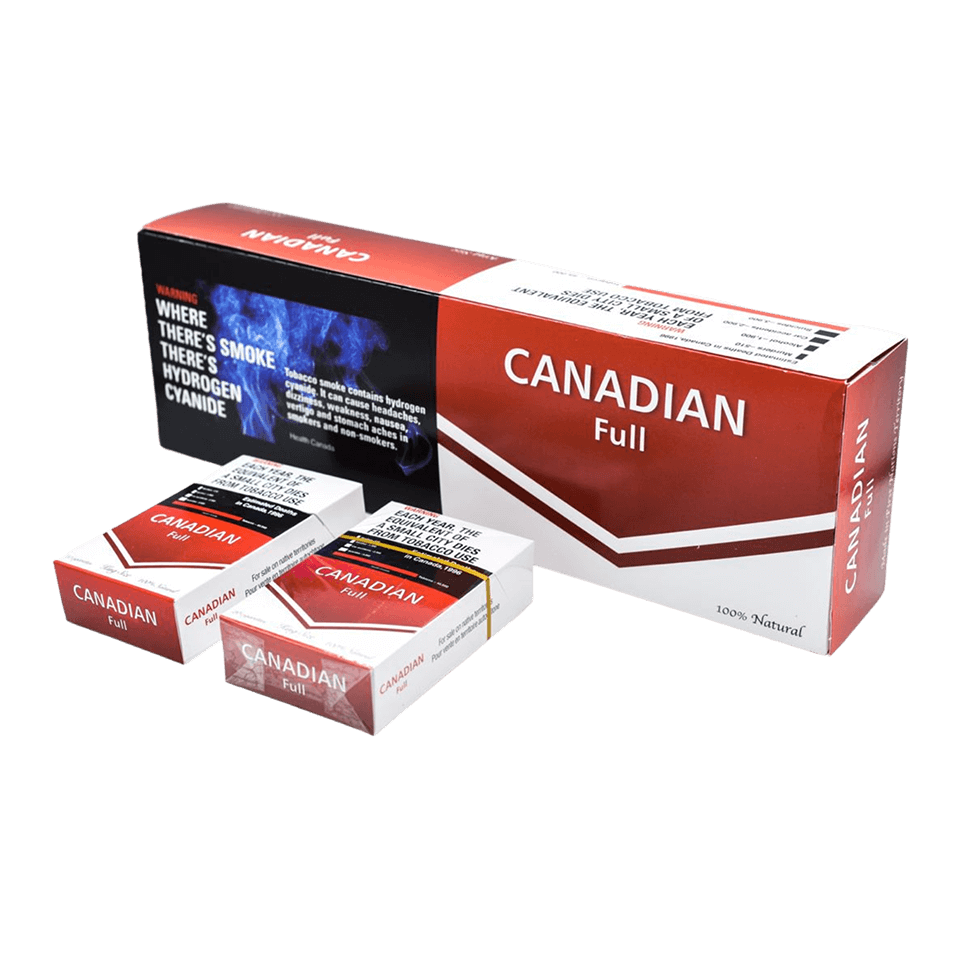



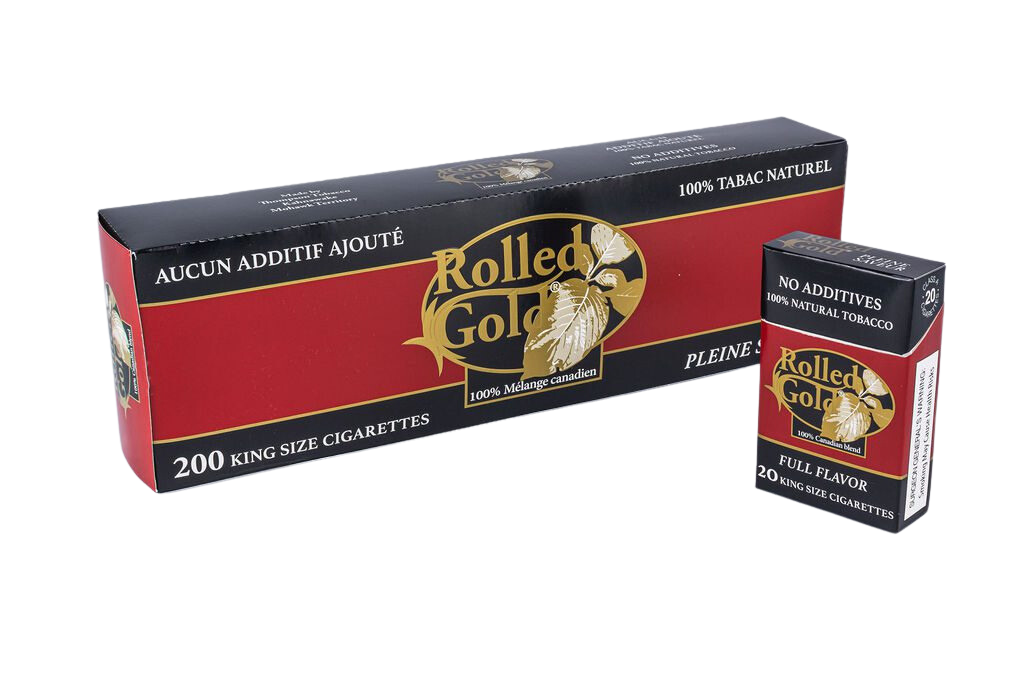
⭐ Excluded: BB light Manitoba, BB full Manitoba, Chanel Blueberry, Chanel ice. See all 29+ native brands at Cigstore.ca.
🚚 Delivery Across Canada – $29 Flat Rate
We ship to every province and territory using Canada Post, Purolator, FedEx, and UPS. Orders over $290 qualify for FREE shipping. Age verification (19+) required upon delivery.
📦 Same-day dispatch for orders before 2 PM EST. Tracking provided within 24 hours.
📚 You Might Also Enjoy These Articles
The Illicit Tobacco Market in Canada
Size, impact, and myths.
Why Cigarettes Are Expensive
Complete federal & provincial tax breakdown.
Why Do Fewer People Smoke in Vancouver Than in Montreal?
Regional differences in smoking rates.
Canada’s Smoking Rate Over 50 Years
Trends, factors, and the immigration effect.
History of Smoking in Canada
From 1950s magazine ads to plain packaging today.