
Smoking and Procrastination
How a Cigarette Helps You Put Things Off
⏰🚬 You have a deadline looming. The task is important, perhaps even urgent. Yet instead of starting, you step outside for a cigarette. The minutes tick by. You return to your desk, still distracted, still avoiding the work. This is not a coincidence. A growing body of research suggests a bidirectional relationship between smoking and procrastination: nicotine provides temporary relief from the stress of pending tasks, but chronic smoking impairs executive function and worsens the tendency to delay. This article explores the psychology, neuroscience, and behavioral economics of smoking as a procrastination tool.
📊 The Research: Smoking and Procrastination Are Linked
A study of 354 Tunisian construction workers found a significant positive correlation between smoking status and procrastination. Smokers had higher procrastination scores than non-smokers .
While procrastination can cause stress, and smoking can relieve stress, the relationship is more complex. A 2023 study specifically examined the link between smoking and procrastination among construction workers .
- 📈 Key finding: “The prevalence of procrastination among smokers was higher than the prevalence of procrastination among non-smokers.” The correlation was statistically significant .
- 👷 Why construction workers? The study focused on construction workers because of the high rates of both smoking and work-related stress in this population .
- 🔄 Bidirectional relationship: Procrastination leads to stress; smoking temporarily relieves stress; but the underlying task remains undone — creating a vicious cycle .
- 🩺 Health consequences: The study noted that smoking combined with work procrastination leads to “ill health consequences, and ultimately, deaths among employees” .
📖 The procrastination-stress-smoking triangle: Procrastination increases stress. Smoking temporarily reduces stress. But the task remains incomplete, so stress returns — often worse than before.
⚡ Nicotine as Emotional Regulation: Why It Works (Temporarily)
Nicotine is a powerful psychoactive substance with complex effects on mood and cognition. In the context of procrastination, several mechanisms are at play:
- 😌 Anxiolytic effect: Nicotine temporarily reduces anxiety — and the stress of an approaching deadline is a form of anxiety .
- ⚡ Dopamine release: Nicotine triggers dopamine release in the brain’s reward center, providing a small “pleasure hit” that can momentarily override the dread of starting a difficult task .
- 🧠 Cognitive avoidance: The act of stepping outside for a cigarette provides a socially acceptable excuse to leave the desk — a behavioral avoidance mechanism .
- ⏳ The time-wasting trap: A “5-minute smoke break” often extends to 10, 15, or 20 minutes — far longer than the physiological need for nicotine requires.
🧠 Executive Function: How Smoking Impairs Self-Regulation
Executive functions — planning, impulse control, and task initiation — are impaired in chronic smokers.
This creates a self-perpetuating cycle: impaired self-control leads to more procrastination.
Chronic smoking has been linked to deficits in executive function — the very cognitive processes needed to overcome procrastination .
- 📉 Impulse control: Smokers show reduced ability to resist immediate rewards (a cigarette break) in favor of long-term goals (completing a task) .
- 📊 Task initiation: Executive dysfunction makes it harder to “just start” — a key barrier to overcoming procrastination.
- 🔄 Vicious cycle: “Smoking may increase procrastination, and procrastination may increase smoking” — a self-reinforcing loop documented in the 2023 study .
- 📖 As the study authors concluded: “We can say that the greater the worker’s procrastination, the more likely they are to resort to tobacco consumption, and the greater the tobacco consumption, the more likely it is to worsen the procrastination” .
⏲️ The Pomodoro Paradox: Why a “Smoke Break” Feels Productive
Productivity techniques like the Pomodoro Method (working in 25-minute focused intervals followed by 5-minute breaks) rely on structured breaks to maintain concentration. Smokers inadvertently replicate this pattern — but with an added addictive twist.
- ✅ The benefit: A short break can restore attention and reduce fatigue. Smokers may genuinely feel more focused after a cigarette break.
- ⚠️ The trap: Unlike a Pomodoro break (which is time-limited by a timer), a smoke break is limited by the cigarette’s burn time — often longer than optimal for productivity.
- 📉 Diminishing returns: As nicotine tolerance increases, smokers need more cigarettes to achieve the same cognitive boost — leading to more frequent and longer breaks.
- 📊 The result: What begins as a productivity tool becomes a productivity drain.
🔄 The Ritual Trap: How Smoking Becomes a Delay Tactic
For many smokers, the cigarette break is not just about nicotine — it’s a ritualized escape from work.
- 🚪 Spatial escape: Stepping outside the office or home physically removes the smoker from the stressful environment.
- 👥 Social permission: Unlike “staring at the wall,” a cigarette break is a socially acceptable reason to stop working.
- 📦 The “one more” trap: After finishing one cigarette, the smoker may think, “Just one more, then I’ll start.” This is the classic “one more loop” applied to procrastination.
- 📉 Task aversion: Research shows that the more aversive a task, the more likely smokers are to take a “smoke break” before starting it — a classic avoidance behavior.
⚠️ The critical insight: “The greater the worker’s procrastination, the more likely they are to resort to tobacco consumption, and the greater the tobacco consumption, the more likely it is to worsen the procrastination” .
😌 Stress Relief as an Illusion: Why Smoking Doesn’t Solve the Problem
Research on stress and smoking reveals a paradox: while nicotine temporarily reduces subjective stress, it actually increases physiological stress markers (heart rate, blood pressure, cortisol) .
- 📊 Subjective vs. objective: Smokers feel calmer after a cigarette, but their bodies are under increased physiological stress.
- 🔄 Withdrawal-induced stress: Much of the “stress” that a cigarette relieves is actually nicotine withdrawal — stress caused by the time elapsed since the last cigarette.
- 💡 The solution that isn’t: Smoking does not address the underlying cause of procrastination-related stress — the unfinished task. The task remains incomplete, so the stress returns.
✅ Breaking the Cycle: Practical Strategies
- 🧘 Replace the ritual: Instead of a cigarette, take a 5-minute walk, stretch, or practice deep breathing. The break — not the nicotine — may be what you need.
- 💊 Nicotine replacement therapy (NRT): Gum or lozenges provide nicotine without the “break” ritual, reducing the behavioral reinforcement of procrastination .
- ⏲️ Set a timer for breaks: If you must smoke, limit the break to 5 minutes — not the duration of a full cigarette.
- 📝 Use the Pomodoro Technique: Work for 25 minutes, then take a 5-minute break. Smoke after completing a work interval, not before starting one.
- 📋 Break down tasks: Large tasks are overwhelming and trigger avoidance. Break them into 5-minute “micro-tasks” that feel less daunting.
- 🚫 Quit smoking: The only complete solution to the smoking-procrastination cycle. Many smokers report improved focus and productivity after quitting.
📦 Native Cigarettes: Same Trap, Better Price
The procrastination-smoking cycle applies to all cigarettes, regardless of brand. Native cigarettes (Playfare, Canadian, DuMont, Nexus, Rolled Gold) deliver the same nicotine, the same temporary stress relief, and the same risk of worsening procrastination as commercial brands .
- 💰 Cost savings: Native cigarettes cost $29-50 per carton — compared to $140-180 for commercial brands — a savings of 70-80%.
- 🚫 Not a productivity tool: Native cigarettes do not solve procrastination; they only provide the same temporary avoidance as any other cigarette.
- 📦 Online delivery: Cigstore.ca ships to every province and territory with $29 flat shipping (free over $290).
- 🧠 Same psychology: The ritual, the avoidance, and the executive function impairment are identical regardless of price.
🔥 Top 5 Native Cigarettes for Canadian Smokers
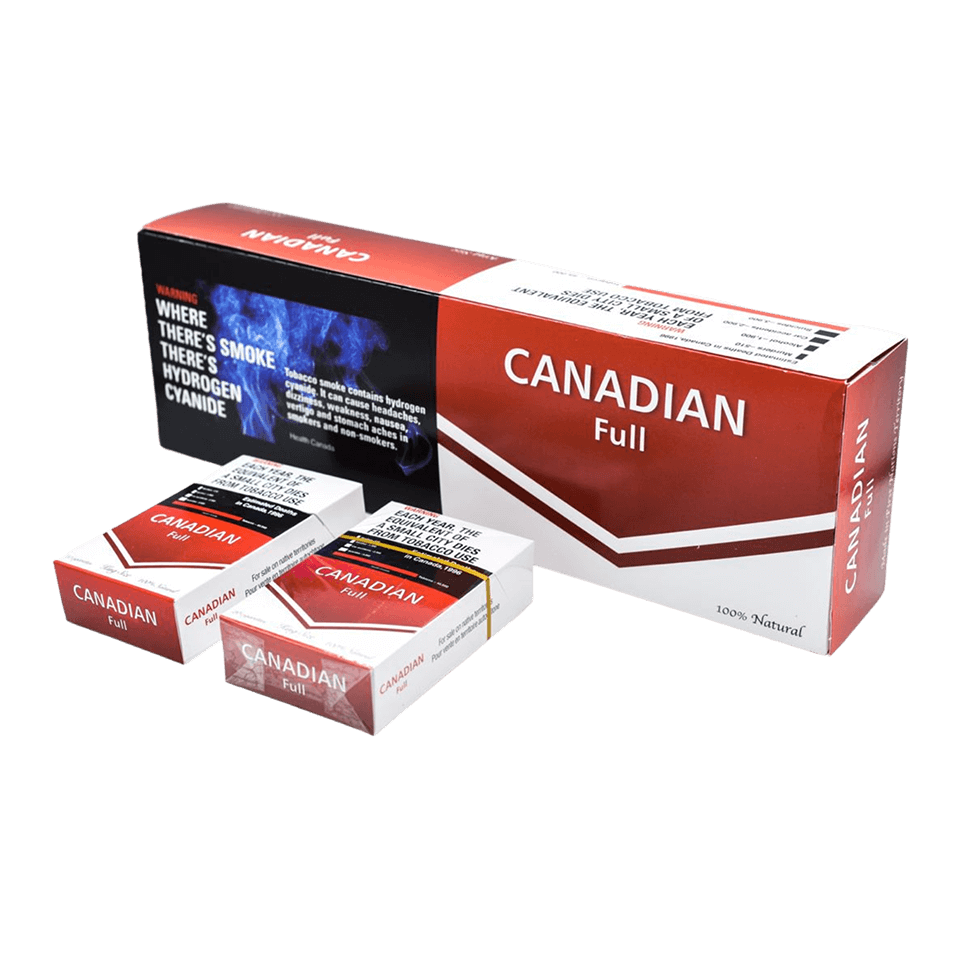
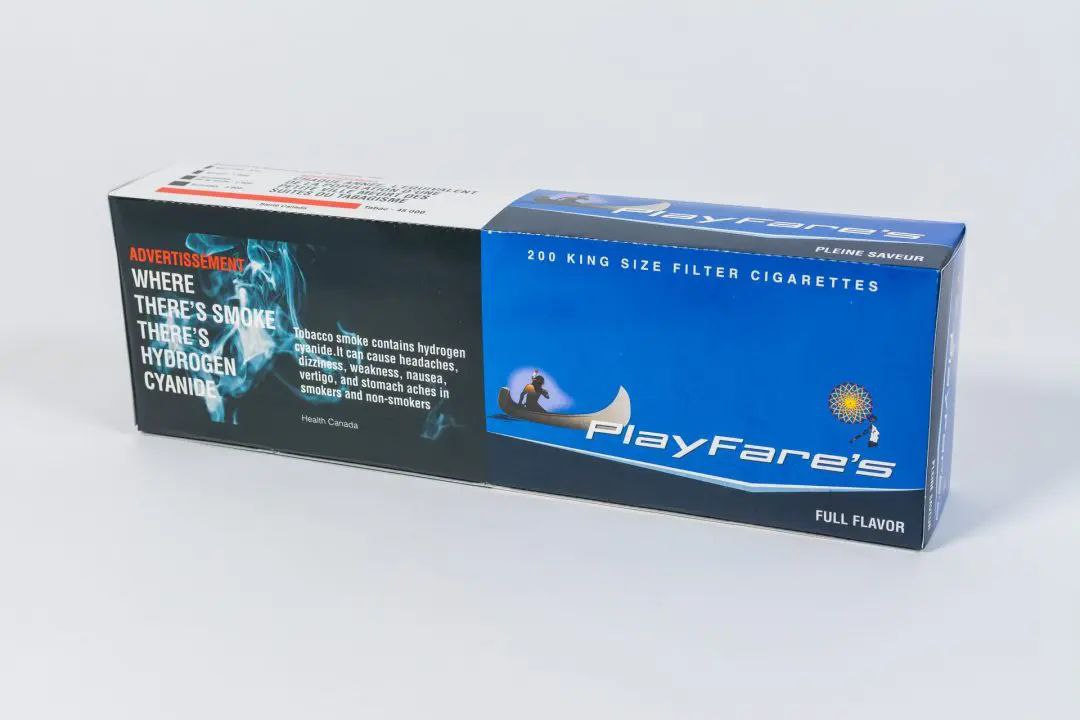
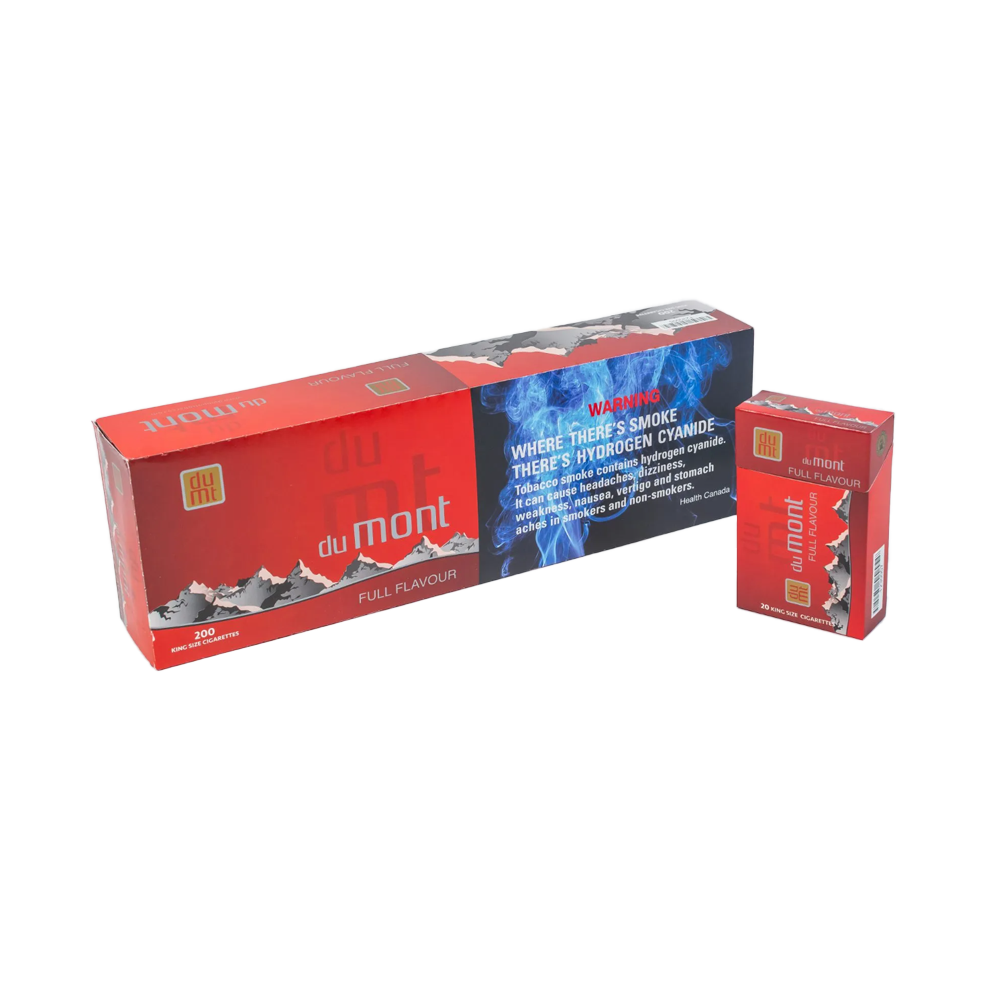
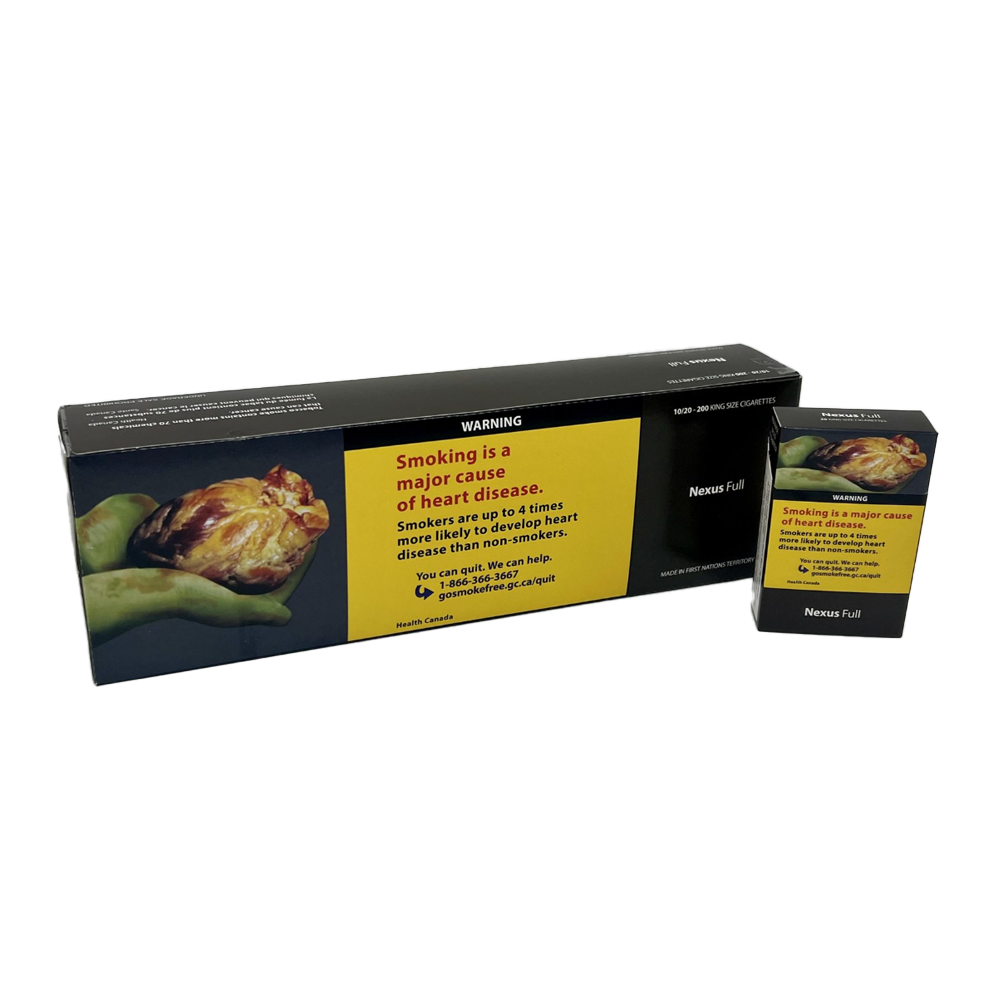
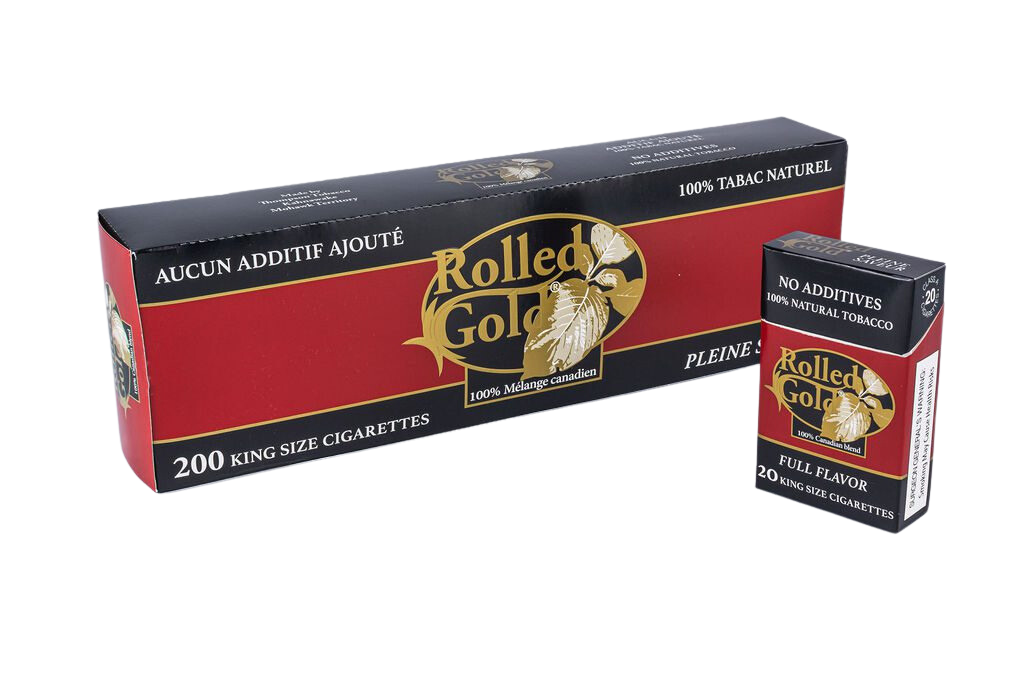
⭐ Excluded: BB light Manitoba, BB full Manitoba, Chanel Blueberry, Chanel ice. See all 29+ native brands at Cigstore.ca.
🚚 Delivery Across Canada – $29 Flat Rate
We ship to every province and territory using Canada Post, Purolator, FedEx, and UPS. Orders over $290 qualify for FREE shipping. Age verification (19+) required upon delivery.
📦 Same-day dispatch for orders before 2 PM EST. Tracking provided within 24 hours.
📚 You Might Also Enjoy These Articles
The “One More Loop”: Why It’s So Hard to Stop After the First Cigarette
The neuroscience of the first cigarette.
The Psychology of the Last Cigarette in the Pack: Why It Tastes Different
Scarcity, value, and the final smoke.
Smoking and Stress: The Neuroscience
Why nicotine feels calming (and why it’s a trap).
Why Smokers Smoke More in Winter
Seasonal patterns and coping strategies.
How Smoking Affects Your Skin, Hair, and Nails
The visible effects of tobacco on your body.