
The Most Unusual Smoking Laws in the World
From Bhutan’s Total Ban to Sweden’s Snus Exception — A Global Tour of Tobacco Regulation
🌍🚬 Canada has some of the strictest tobacco laws in the world: plain packaging, graphic warnings, high taxes, and indoor smoking bans. But around the globe, other countries have taken tobacco regulation in even more surprising directions. From a nation where selling cigarettes is a criminal offense to a country where sidewalk smoking can land you in jail, these laws range from the draconian to the bizarre. This article explores the most unusual smoking laws worldwide — and why they might (or might not) work.
The Complete Ban
Law: Sale of tobacco products prohibited entirely since 2004. Smoking in public places is illegal, and individuals can import limited quantities for personal use but must pay 100% tax. The only country where cigarette sales are completely banned.
Penalty: Selling tobacco products carries a fine of up to 50,000 BTN (~$800 CAD) and possible confiscation of property used in the offense. Smoking in public can result in a fine of 2,000 BTN (~$32 CAD).
Result: Despite the ban, smuggling is common. A 2017 study found that 12% of Bhutanese men still smoke — down from 17% before the ban, but still significant.
No Walking and Smoking
Law: Many Japanese municipalities, including Tokyo, ban “walking while smoking” (tabako wa aruki-dame). You must stop at designated smoking areas to light up — no smoking while walking down the street.
Penalty: Fines range from ¥1,000 to ¥5,000 (~$9-45 CAD) for violators. Some districts have “smoking patrols” that actively enforce the ban.
Why it’s unusual: Most countries ban smoking in specific places (indoors, near entrances). Japan uniquely bans the activity of walking while smoking, citing risks of burns to children and elderly pedestrians.
The Snus Exception
Law: Snus (moist oral tobacco) is banned in all other EU countries but legal in Sweden, which negotiated an exemption when joining the EU in 1995. Smoking rates in Sweden (5.4%) are the lowest in Europe, largely because men switched to snus.
Result: Sweden has the lowest smoking rate in the developed world. The public health community is divided: some call this “harm reduction,” others argue snus still poses health risks.
Controversy: The EU has repeatedly tried to close the snus loophole, but Sweden has successfully defended its exemption.
The Unbranded Pack
Law: All tobacco products must be sold in drab olive-brown packaging with no logos, colours, or brand imagery. Brand names appear in standardized font. Graphic health warnings cover 75% of the front and 90% of the back.
Result: Smoking rates have continued to decline. By 2025, Australia’s smoking rate fell to approximately 11%, down from 15% in 2012. Plain packaging is now law in over 20 countries, including Canada.
Fascinating detail: The shade of brown is officially called “Pantone 448 C” — nicknamed “the ugliest colour in the world” by focus groups.
The Total Indoor Ban (With Jails)
Law: The 2021 Tobacco Control Law bans smoking in all indoor public places, including bars, restaurants, and workplaces. It also bans tobacco advertising and sponsorship. Critics call it one of the strictest laws in the world.
Penalty: Up to 36 hours in jail for repeat offenders — jail time for smoking. Most countries only impose fines.
Result: Enforcement has been mixed. In tourist areas, the ban is widely ignored. But in major cities, smoking in bars has virtually disappeared.
The 2030 Smoke-Free Goal
Law: Finland’s 2010 Tobacco Act set a goal of a “smoke-free Finland” by 2030 — defined as less than 2% of the adult population smoking daily.
Measures: High taxes, display bans, smoking bans in cars with children, and health warnings on every single cigarette (like Canada).
Result: Smoking rates have dropped from 22% in 2000 to 10% in 2025. The 2030 goal is within reach.
The Presidential Ban
Law: In 1998, President Saparmurat Niyazov banned smoking in all public places — including streets, buses, and private cars. The ban was enforced by police who would confiscate cigarettes from offenders.
Result: Largely ignored and unenforceable. The ban was quietly relaxed in the 2000s. Today, Turkmenistan has one of the highest smoking rates in Central Asia.
Lesson: A law without public health infrastructure and social support is ineffective.
The 2013 Crackdown
Law: In 2013, Russia banned smoking in restaurants, bars, and public transport — a dramatic shift for a country where smoking rates once exceeded 60% of men.
Result: Smoking rates among men dropped from 61% (2010) to 35% (2025) — one of the fastest declines in history. However, enforcement is uneven outside major cities.
Unusual detail: Russian law also bans smoking within 15 metres of metro stations — a very specific distance.
The Prison Ban
Law: As of 2025, South Africa banned smoking in all prisons — a policy that has sparked riots. Prisons had previously allowed smoking as a “currency” and for morale.
Result: Widespread prison unrest. The government has had to increase nicotine replacement therapy (NRT) distribution to quell violence.
Lesson: Even in controlled environments, nicotine withdrawal is a powerful force. Forcing people to quit abruptly without support creates chaos.
The Prescription-Only Nicotine
Law: Until very recently, nicotine replacement therapy (patches, gum) required a prescription in Iceland — making it harder to quit than to continue smoking.
Change: Following public health criticism, Iceland relaxed the prescription requirement in 2023. But for decades, Iceland had one of the most perverse tobacco policies in the world.
Smoking rates: Despite the NRT barrier, Iceland’s smoking rate is ~8% — one of the lowest in Europe — due to high taxes and strong social norms.
The Leader’s Ban
Law: In 2020, North Korea banned smoking in public places as part of a “national anti-smoking campaign” — reportedly at the initiative of Kim Jong-un, who is himself a heavy smoker.
Result: Enforcement is selective. Foreigners are often exempt, and the ban is widely flouted outside Pyongyang.
Unusual detail: Kim Jong-un is frequently photographed with cigarettes, making the ban seem hypocritical.
The Mount Everest Ban
Law: Smoking is banned on Mount Everest and in Sagarmatha National Park. The ban aims to reduce fire risk and litter (discarded cigarette butts).
Enforcement: Guides are instructed to confiscate cigarettes from climbers at base camp. But at 8,000 metres, enforcement is impossible — climbers smoke if they want to.
Symbolic law: Like many unusual smoking laws, the Everest ban is more about symbolism than actual enforcement.
🇨🇦 Where Does Canada Fit In?
Canada has several unusual (by global standards) tobacco laws:
- 📦 Plain packaging (2019): One of the first countries to require drab brown packaging with no branding — following Australia’s lead.
- 🖼️ Warnings on individual cigarettes (2023-2025): World first — health warnings printed directly on each cigarette.
- 📜 Graphic warnings (2001): World first — Canada was the first country to require graphic picture warnings.
- 🏛️ Federal indoor smoking ban: The Non-Smokers’ Health Act prohibits smoking in all federal workplaces, including airports — stricter than many US states.
📖 Canada’s unique approach: Unlike Bhutan (total ban) or Japan (walking ban), Canada relies on high taxes, graphic warnings, and plain packaging — policies that have been copied by over 20 countries.
📦 Native Cigarettes: A Canadian Alternative
While Canada’s tobacco laws are strict, native cigarettes offer an affordable alternative for adult smokers. Native cigarettes (Playfare, Canadian, DuMont, Nexus, Rolled Gold) cost $29-50 per carton — compared to $140-180 for commercial brands — a savings of 70-80%.
- 💰 Cost savings: A pack-a-day smoker saves $5,000-7,000 per year by switching to native cigarettes.
- 🚫 Not “healthier”: Native cigarettes contain the same nicotine, tar, and carcinogens as commercial brands. The only difference is price and packaging.
- 📦 Online delivery: Cigstore.ca ships to every province and territory with $29 flat shipping (free over $290).
- 🌍 Global comparison: Even with Canada’s high taxes, native cigarettes allow smokers to pay prices comparable to those in the United States or Europe.
🔥 Top 5 Native Cigarettes for Canadian Smokers
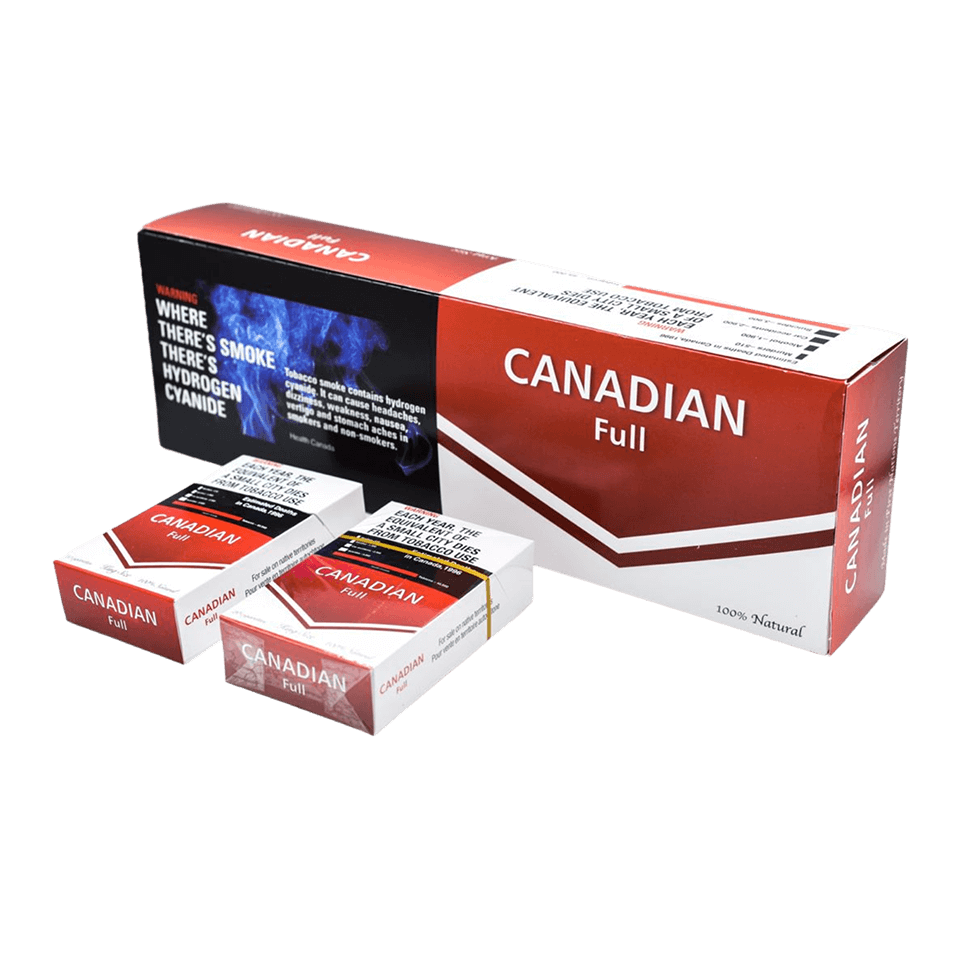
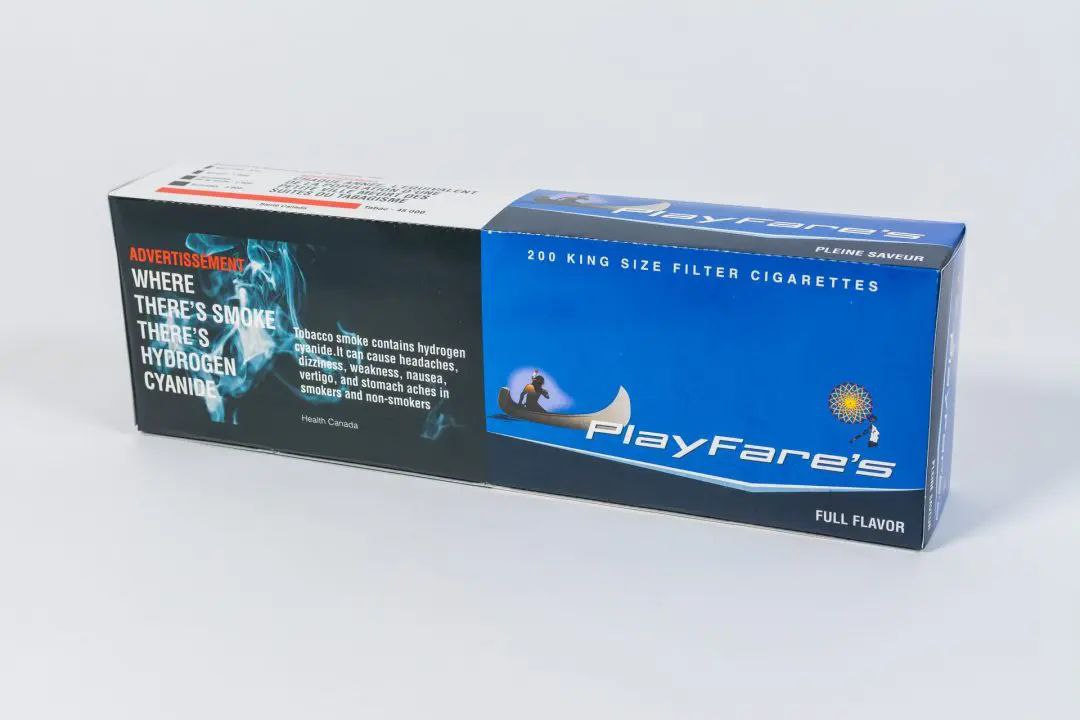
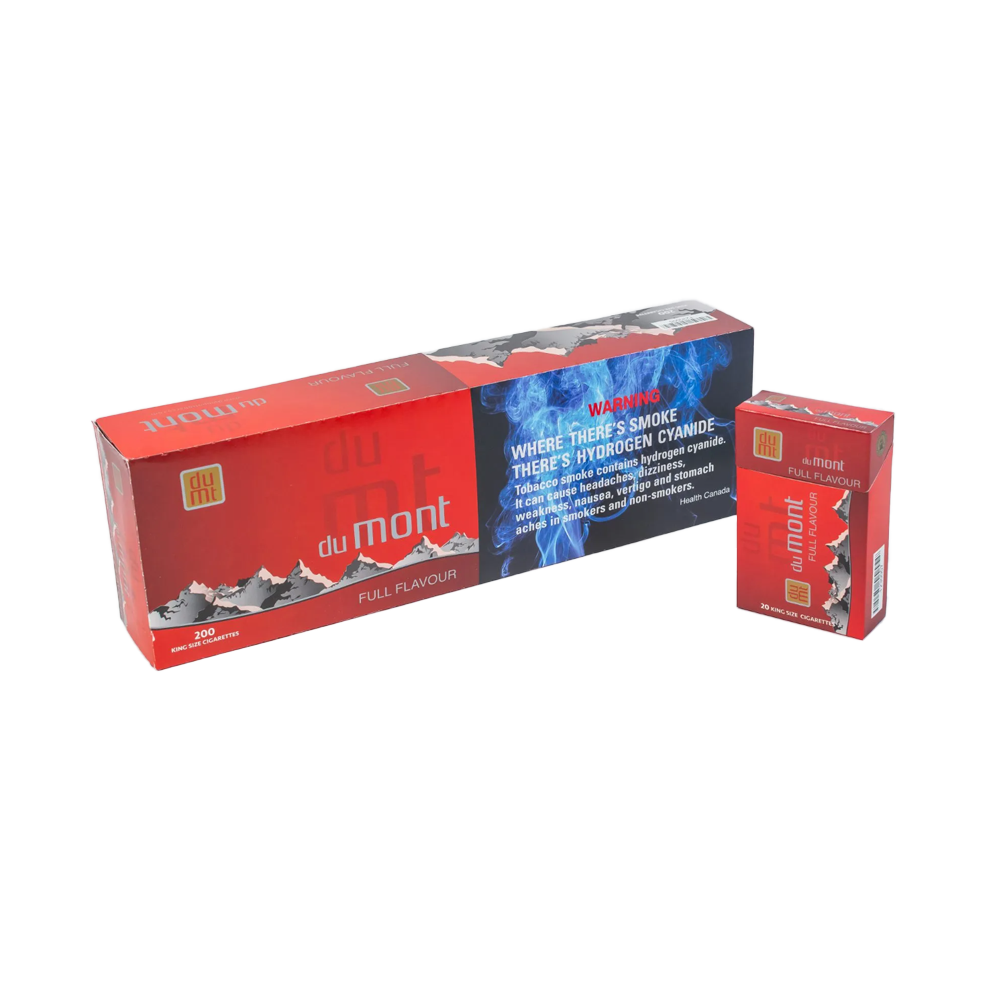
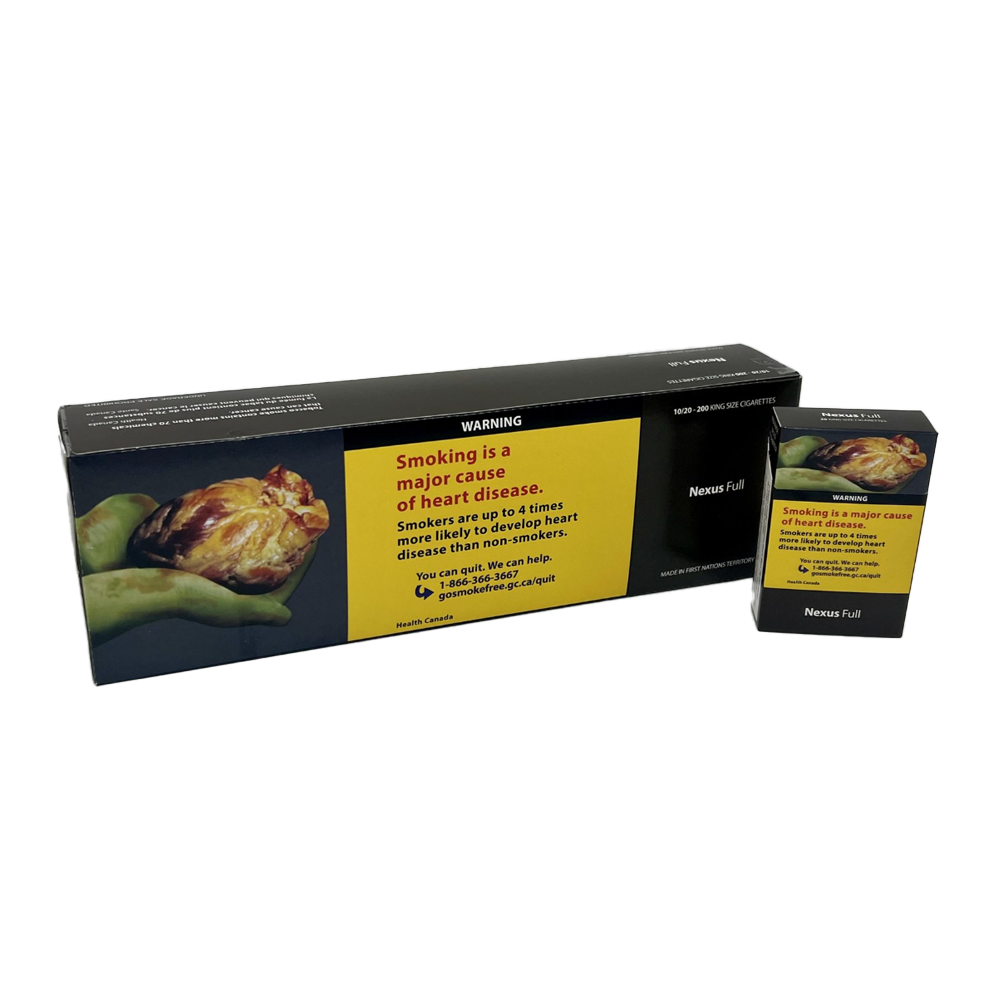
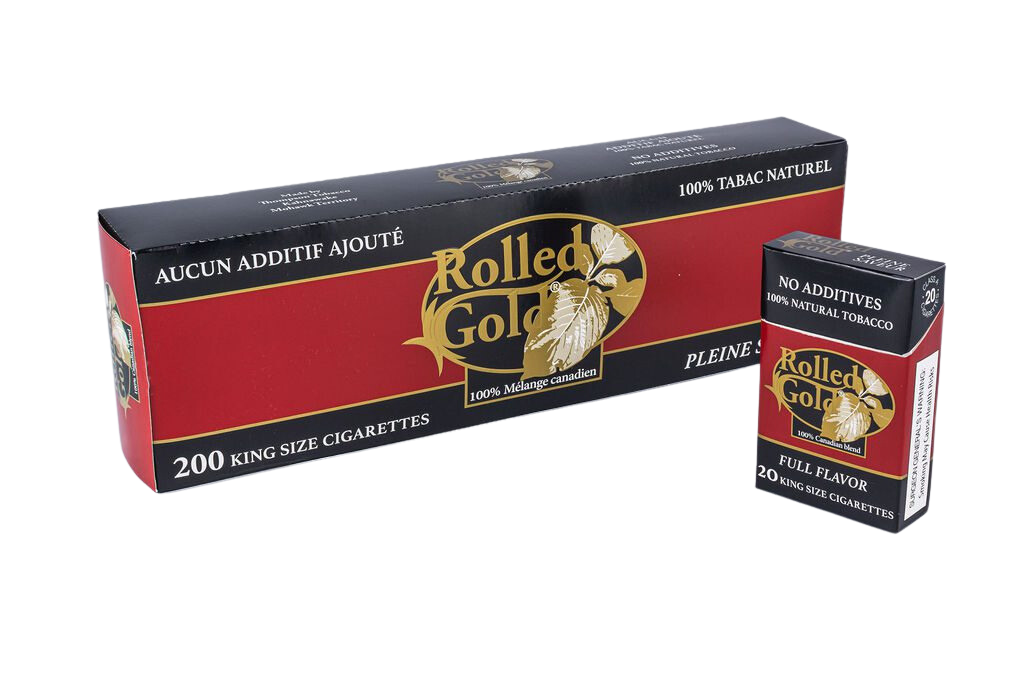
⭐ Excluded: BB light Manitoba, BB full Manitoba, Chanel Blueberry, Chanel ice. See all 29+ native brands at Cigstore.ca.
🚚 Delivery Across Canada – $29 Flat Rate
We ship to every province and territory using Canada Post, Purolator, FedEx, and UPS. Orders over $290 qualify for FREE shipping. Age verification (19+) required upon delivery.
📦 Same-day dispatch for orders before 2 PM EST. Tracking provided within 24 hours.
📚 You Might Also Enjoy These Articles
Smoking Laws: USA vs. Canada
5 surprising differences you’ll see.
Smoking Laws: Europe vs. Canada
5 surprising differences you’ll see.
New Zealand’s Smoke-Free Generation Policy
The world’s most ambitious tobacco law.
New Zealand’s Smoke-Free Generation
Banning cigarette sales to anyone born after 2008.
Smoking in the UK
Plain packaging and the menthol ban.