
How Cigarettes Helped Win World War II
Tobacco in Soldiers’ Rations: Morale, Currency, and the Home Front
🎖️🚬 World War II was not just a battle of bullets and bombs — it was also a battle of morale. And cigarettes played a surprisingly critical role. From 1941 to 1945, cigarettes were included in every soldier’s daily ration, deemed as essential as food and ammunition. General John J. Pershing famously declared, “You ask me what we need to win this war? I tell you tobacco, as much as bullets.” This article explores how cigarettes became a weapon of war: boosting morale, calming nerves, serving as currency, and connecting soldiers to the home front. We also examine the Canadian perspective — how the tobacco industry mobilized for the war effort and how the conflict permanently changed smoking habits.
📦 Cigarettes in the Daily Ration: A “Necessity” of War
Army: 7-10 cigarettes per day | Navy: 1-2 packs per week
Total cigarettes provided to troops: Over 300 billion (US alone)
Starting in 1941, cigarettes were officially designated a “necessity of war” by the US War Department. Every soldier’s K-ration included a small pack of cigarettes — typically four cigarettes per ration, with multiple rations issued daily. The British and Canadian militaries followed suit, though with slightly lower allotments .
- 📋 The K-ration contents: A typical K-ration breakfast unit included a small can of meat, biscuits, powdered coffee, sugar, and four cigarettes. The dinner unit included chewing gum and a pack of cigarettes .
- 🔥 The “C-ration” cigarette pack: C-rations (for field consumption) included a small cardboard pack of cigarettes — often Lucky Strike, Camel, or Chesterfield. These miniature packs are now collector’s items .
- ⚡ General Eisenhower’s view: General Dwight D. Eisenhower wrote to the War Department: “Tobacco is an absolute necessity. Men fight better if they have their smokes.”
- 📊 By the end of the war, over 300 billion cigarettes had been provided to US military personnel alone.
🧠 The Psychology: Why Cigarettes Boosted Morale
War is inherently traumatic. Soldiers faced death, injury, and the constant stress of combat. Cigarettes provided a small, familiar comfort — a moment of normalcy in an abnormal world.
- 😔 Stress relief: Nicotine is an anxiolytic (anxiety-reducing) in the short term. For soldiers under fire, a cigarette calmed trembling hands and quieted racing thoughts.
- 🤝 Social bonding: Sharing a cigarette was a ritual of camaraderie. Soldiers smoked together, shared their last cigarette, and built trust around a small flame.
- 📬 Connection to home: Letters from home often included a few cigarettes — a tangible link to family and normalcy. Cigarettes were a taste of the world they were fighting to return to.
- 📊 A 1944 survey of US soldiers found that 94% rated cigarettes as “very important” to their morale. Only mail from home rated higher.
📖 Private Richard Tregaskis, war correspondent (1943): “I saw men go through hell in Guadalcanal. But the thing that kept them going was knowing that at the end of the day, there would be a cigarette.”
💰 Cigarettes as Currency: The Underground Economy of War
In prisoner-of-war camps and occupied territories, cigarettes became the de facto currency. Because they were lightweight, durable, and universally desired, cigarettes were used to buy food, medicine, information, and even freedom.
- 📦 POW camps: In German POW camps like Stalag Luft III, cigarettes were the standard currency. A few cigarettes could buy a loaf of bread, a chocolate bar, or a favor from a guard.
- 💊 Black market medicine: In occupied Europe, cigarettes were used to bribe guards, purchase stolen medical supplies, and pay for secret radio transmissions.
- 📊 The “cigarette standard”: In post-war Germany, the economy briefly ran on cigarettes. A pack of Camels could buy a coat. A carton could buy a bicycle.
- ⚖️ The captured American flyer’s story: Many downed airmen traded their daily cigarette ration for civilian clothes, maps, and safe passage — using cigarettes to bribe their way to freedom.
📖 From a former POW’s memoir: “In Stalag Luft III, a cigarette was worth a day’s bread. A pack of Lucky Strikes could buy you a map to the Swiss border.”
🇨🇦 The Canadian War Effort: Tobacco as a Patriotic Duty
Canada’s tobacco industry mobilized for war just as completely as its munitions factories. Cigarette sales to the military were a patriotic act, and civilians were encouraged to send smokes overseas.
- 📦 Canadian rations: The Canadian military provided up to 5 cigarettes per day to each soldier, supplemented by private donations.
- 🎗️ “Smokes for Soldiers” campaigns: The Canadian government and the Red Cross organized massive drives to collect cigarettes for overseas troops. Citizens were asked to “send a pack to a soldier” as a patriotic duty.
- 🏭 Imperial Tobacco Canada’s war production: Imperial Tobacco Canada converted part of its production to military contracts, producing millions of cigarettes for the Canadian Army, Navy, and Air Force.
- 📬 Canadian soldiers’ letters home: Archives are filled with letters from soldiers thanking family members for sending cigarettes. “The best thing you can send me is a carton of Players,” wrote one corporal.
- 📊 By the end of the war, the Canadian government had purchased over 1.5 billion cigarettes for its troops.
📢 Big Tobacco’s War Effort: Building Brand Loyalty for a Generation
The war was a marketing bonanza for tobacco companies. By providing free cigarettes to millions of young men, the industry created lifetime brand loyalty.
- 🎯 The “brand imprint” strategy: Tobacco executives understood that if they could get a soldier smoking their brand in the war, he would likely remain loyal for decades.
- 📦 “Cigarettes are cheap. Soldiers are precious.” — Lucky Strike’s wartime slogan, which framed cigarette donations as a patriotic act.
- 📊 The results: After the war, smoking rates exploded. By 1955, 58% of Canadian adults smoked — a direct legacy of wartime distribution.
- ⚖️ The ethical cost: While the industry presented itself as patriotic, internal documents later revealed that executives knew cigarettes were addictive and harmful — but they kept quiet.
📖 The long tail: The generation of men who learned to smoke in the trenches of WWII became the lung cancer patients of the 1960s and 1970s. The war may have won the peace, but it also sowed the seeds of a public health disaster.
🏛️ President Roosevelt’s “Tobacco as Essential War Material” Declaration
In 1942, President Franklin D. Roosevelt signed an executive order declaring tobacco “an essential war material.” This meant that tobacco farmers and manufacturing workers were exempt from the draft, and tobacco production received priority for transportation and raw materials.
- 📜 The order’s text: “Tobacco is an indispensable commodity in the maintenance of civilian and military morale.”
- 🔥 The controversy: Some politicians argued that the order was a gift to the tobacco industry. But with soldiers demanding smokes, the White House held firm.
- 🚬 Canada followed suit: The Canadian government also exempted tobacco farmers and factory workers from military service, recognizing the importance of maintaining cigarette production.
📈 The Post-War Legacy: How WWII Changed Canadian Smoking Forever
The war had a lasting impact on Canadian smoking habits. By 1955, smoking rates had soared to 58% of the adult population — a peak that would not be reached again.
- 📊 Women began smoking in greater numbers: The war brought women into the workforce, and with them came smoking. By 1965, 45% of Canadian women under 35 smoked.
- 📦 Brand loyalty entrenched: The brands soldiers smoked during the war — Player’s, Export ‘A’, Camel — remained dominant for decades.
- 💀 The health cost: The men who survived the war faced a new enemy in peacetime: lung cancer, heart disease, and emphysema. The wartime cigarette habit killed far more veterans than enemy fire.
- 📉 The long decline: It took 50 years of public health advocacy to undo the damage. Today, smoking rates are 12% — but the legacy of wartime smoking persists in the health records of aging veterans.
📖 General Douglas MacArthur (1945): “The soldier who lights a cigarette in a foxhole is not just feeding an addiction. He is reaffirming his humanity in a world that has gone insane.”
📦 Native Cigarettes: Affordable Smoking for Today’s Veterans
Today, many Canadian veterans and other smokers have switched to native cigarettes (Playfare, Canadian, DuMont, Nexus, Rolled Gold) for their affordability. A carton costs $29-50 — compared to $140-180 for commercial brands — a savings of 70-80%.
- 💰 Cost savings: A pack-a-day smoker saves $5,000-7,000 per year by switching to native cigarettes.
- 🚫 Not “healthier”: Native cigarettes contain the same nicotine, tar, and carcinogens as commercial brands. The only difference is price and packaging.
- 📦 Online delivery: Cigstore.ca ships to every province and territory with $29 flat shipping (free over $290).
- 🎖️ For veterans who continue to smoke, native cigarettes are the most affordable option. But the best way to honour the sacrifice of those who fought is to quit entirely.
🔥 Top 5 Native Cigarettes for Canadian Smokers
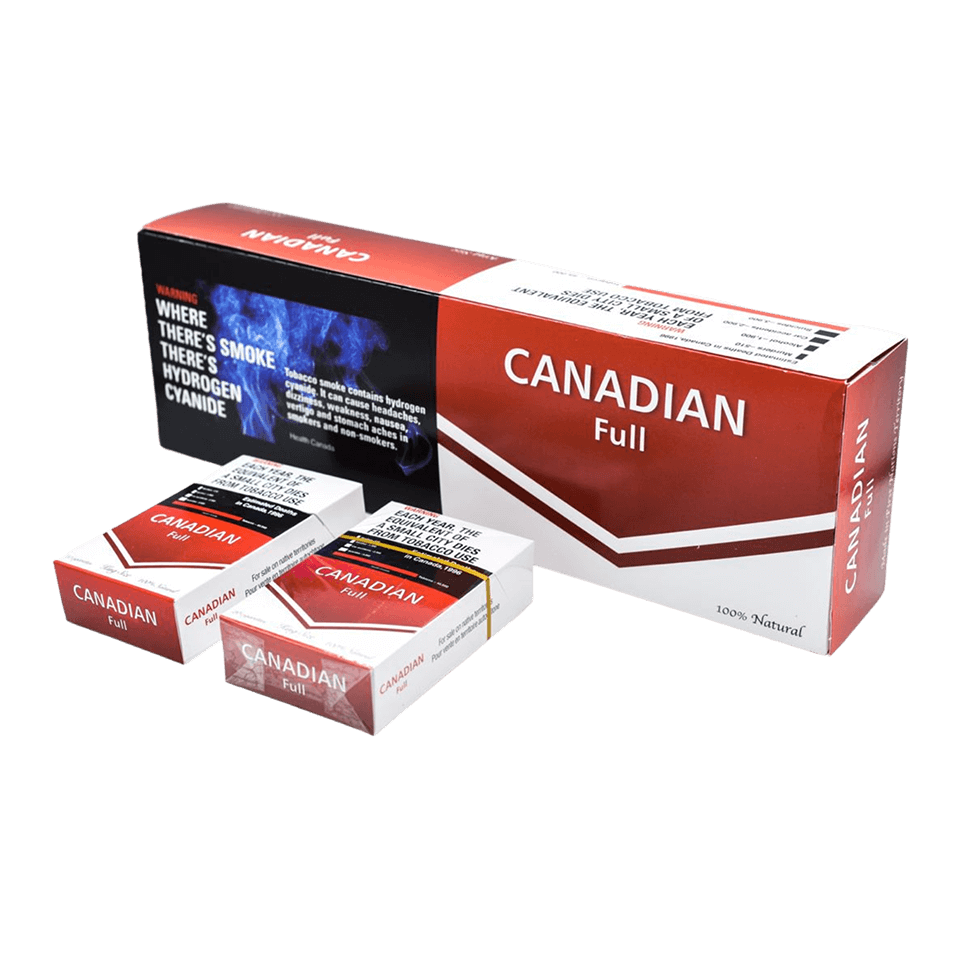


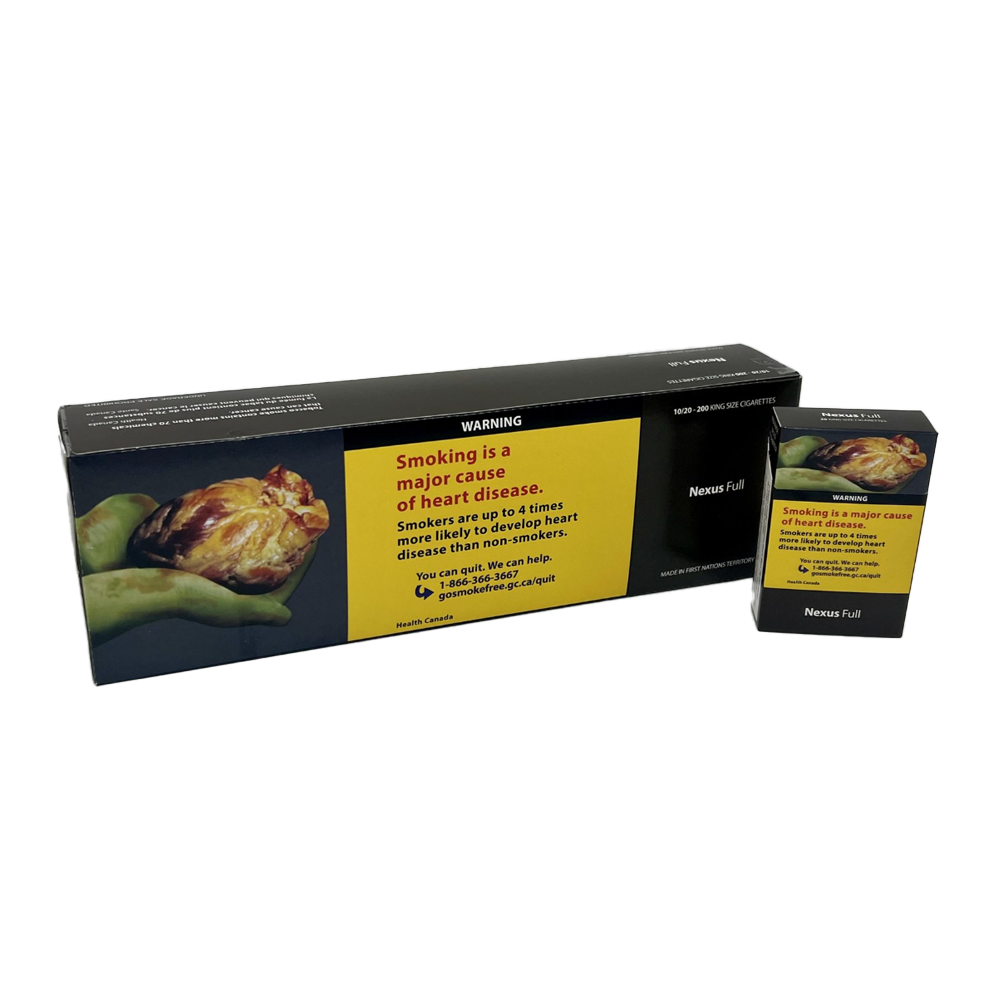
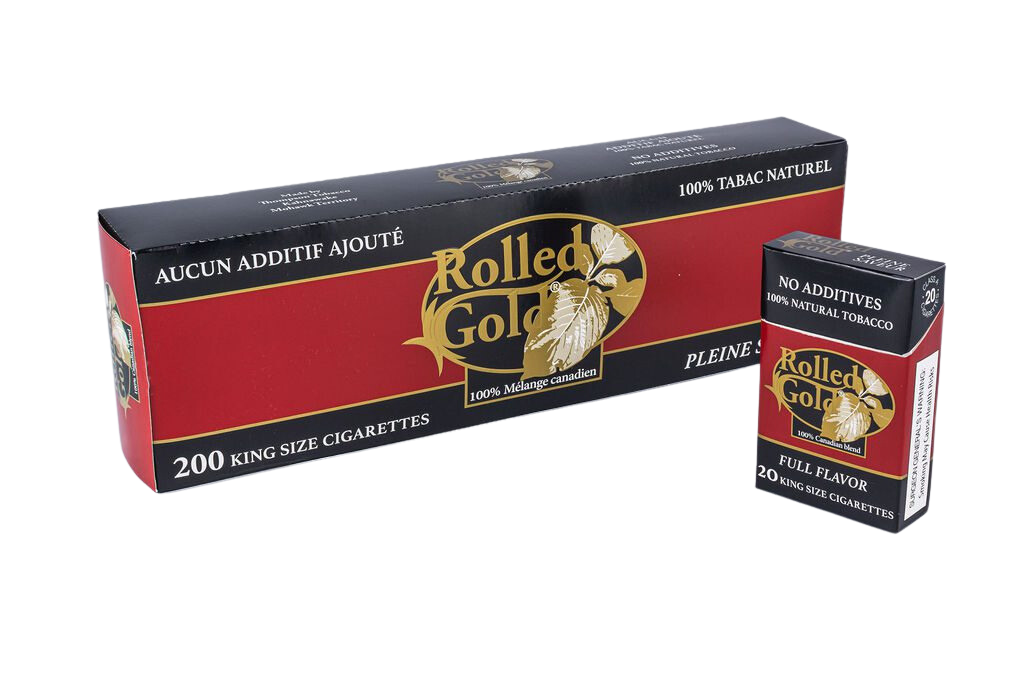
⭐ Excluded: BB light Manitoba, BB full Manitoba, Chanel Blueberry, Chanel ice. See all 29+ native brands at Cigstore.ca.
🚚 Delivery Across Canada – $29 Flat Rate
We ship to every province and territory using Canada Post, Purolator, FedEx, and UPS. Orders over $290 qualify for FREE shipping. Age verification (19+) required upon delivery.
📦 Same-day dispatch for orders before 2 PM EST. Tracking provided within 24 hours.
📚 You Might Also Enjoy These Articles
History of Smoking in Canada
From 1950s magazine ads to plain packaging today.
Cigarettes in Canadian Soldiers’ Rations
The wartime tobacco story.
How World War II Transformed the Cigarette Market in Canada
Post-war smoking boom.
The Most Famous Cigarette Scenes in Film History
From Casablanca to Pulp Fiction.
Why Cowboys Smoked More Than Anyone Else
The real history and the Marlboro myth.