
Why Smokers Don’t Smell Smoke on Themselves
The Scientific Explanation of Olfactory Adaptation
👃🚬 Ask any smoker: “Do you think your clothes, hair, or car smell like cigarette smoke?” Most will say no — or at least, not very much. Ask any non-smoker who lives with or works near a smoker, and you will get a very different answer. This discrepancy is not denial or dishonesty. It is a well-documented neurological phenomenon called olfactory adaptation (or olfactory fatigue). This article explains the science behind why smokers become desensitized to the smell of smoke, how the brain filters out familiar odors, and why this has important implications for social and professional interactions.
🧠 Olfactory Adaptation: The Brain’s Filter
Olfactory adaptation (or olfactory fatigue) is a temporary, normal inability to distinguish a particular odor after prolonged exposure to it.
The human nose is an extraordinary chemical sensor, capable of detecting thousands of distinct odors. But it has a critical limitation: it tires .
- 🧪 How it works: Olfactory receptor neurons in the nose bind to airborne chemical molecules. When exposed to a constant or repeated stimulus, these neurons become temporarily less responsive.
- 🔄 The evolutionary purpose: This adaptation allows the brain to stop processing “background” smells — which are not immediately relevant — and remain alert to new, potentially important odors (smoke from a fire, spoiled food, a predator).
- 📊 The time course: Olfactory adaptation to cigarette smoke can begin within minutes of exposure and becomes complete after chronic exposure.
- 📖 Real-world example: “This is why you don’t notice the smell of your own home, but a visitor will almost immediately notice it” .
📖 The same principle applies to smokers: “The same principle applies to people who smoke. Non-smokers will walk into a room and instantly know if anyone has smoked there recently. A smoker, however, may not notice the smell” .
🧪 Sensory vs. Psychological Adaptation: The Two Components
Olfactory adaptation has both a sensory component (the nose’s receptors become less sensitive) and a psychological component (the brain learns to ignore familiar stimuli).
- 🔬 Peripheral adaptation (nose): Repeated exposure to cigarette smoke leads to downregulation of specific odorant receptors. This is a physiological change in the olfactory epithelium.
- 🧠 Central adaptation (brain): The brain’s olfactory processing regions (like the piriform cortex) learn to filter out predictable, non-threatening odors — including cigarette smoke.
- 📊 Why it’s hard to reverse: Even after a smoker quits, it can take weeks or months for normal olfactory sensitivity to return — and some studies suggest permanent changes in odor perception for long-term smokers.
- ⚠️ The “smoker’s nose”: Many long-term smokers have objectively reduced ability to detect and discriminate odors compared to non-smokers, even after accounting for adaptation.
🚬 Thirdhand Smoke: The Smell That Lingers
Toxic residue that settles on surfaces, clothing, hair, and skin — and persists for weeks or months.
What smokers cannot smell is not just the smoke itself, but thirdhand smoke residue. This toxic cocktail of nicotine, heavy metals, and carcinogens adheres to everything in the smoker’s environment.
- 🧥 Clothing and hair: Smoke particles settle on fabric fibers and hair shafts, creating a persistent odor that cannot be removed by airing out.
- 🏠 Car interiors: Smokers’ cars have significantly higher levels of thirdhand smoke residue, detectable by non-smokers even after months of non-smoking.
- 🔄 The adaptation loop: Because the smoker is constantly surrounded by thirdhand smoke residue, adaptation is complete and persistent.
- 🧪 Chemical transformation: Nicotine reacts with nitrous acid in the air to form tobacco-specific nitrosamines (TSNAs), which are potent carcinogens — and have a distinct odor profile.
⚠️ Important: “A non-smoker may not be able to smell the smoke residue in a smoker’s home if they are a smoker themselves. However, a non-smoker will usually smell it right away” .
👃 Smoking Damages the Sense of Smell Long-Term
Beyond temporary adaptation, chronic smoking causes lasting damage to the olfactory system. Studies have consistently shown that smokers have higher olfactory threshold scores (meaning they need stronger odors to detect them) than non-smokers .
- 📊 Reduced olfactory bulb volume: Long-term smokers have been shown to have smaller olfactory bulbs — the brain structure responsible for processing smell .
- 🧪 Direct toxicity: The chemicals in cigarette smoke are directly toxic to olfactory receptor neurons. Chronic exposure leads to cell death and reduced regeneration.
- 📉 The dose-response relationship: The more pack-years a smoker has, the worse their olfactory function.
- 🩺 Clinical significance: Smokers with impaired smell are less able to detect smoke from fires, gas leaks, or spoiled food — a safety risk.
📖 The good news: Some recovery of olfactory function is possible after smoking cessation, though complete normalization may take months and may not be total.
💼 Why the Smell Matters: Social and Professional Consequences
Even though smokers cannot smell themselves, non-smokers definitely can. This has real consequences:
- 📉 Job interviews: As discussed in our separate article, the smell of smoke can cost you a job offer. Interviewers perceive smokers as less professional, less reliable, and less desirable employees.
- 💔 Romantic relationships: Many non-smokers report that the smell of smoke on a potential partner is a “dealbreaker.”
- 👶 Parenting: Children of smokers are exposed to thirdhand smoke residue even if parents smoke outside — and they can smell it.
- 🏠 Social isolation: Smokers may find themselves excluded from social gatherings in non-smoking homes because hosts are concerned about the smell.
⚠️ The crucial point: Just because you cannot smell it does not mean others cannot. If you smoke, your clothes, hair, breath, and car have a detectable odor to non-smokers — regardless of how long ago you last smoked.
✅ What Smokers Can Do to Reduce Odor
- 🚭 Quit smoking completely. The only way to eliminate thirdhand smoke residue entirely is to stop producing it.
- 🧥 Use a “smoking jacket.” Wear a specific jacket or hoodie while smoking, and remove it before entering non-smoking spaces.
- 🧼 Wash hands and face thoroughly after smoking. Soap and water remove surface residue, but not all of it.
- 🪥 Brush teeth and use mouthwash. Smoke residue accumulates on teeth and gums.
- 🚗 If you smoke in your car, have it professionally detailed. Standard cleaning may not remove thirdhand smoke residue.
- 💨 Do not smoke before important meetings, interviews, or dates. Allow at least 2-3 hours and change clothes.
- 📦 Native cigarettes produce the same smell. Switching brands does not reduce odor.
📦 Native Cigarettes: No Difference in Odor
All cigarettes produce thirdhand smoke residue — regardless of brand or source. Native cigarettes (Playfare, Canadian, DuMont, Nexus, Rolled Gold) produce the same odor-causing chemicals as commercial brands .
- 💰 Cost savings: Native cigarettes cost $29-50 per carton — compared to $140-180 for commercial brands — a savings of 70-80%.
- 🚫 Not “odor-free”: Native cigarettes leave the same residue on clothing, hair, and breath as any other cigarette. Non-smokers can still smell it.
- 📦 Online delivery: Cigstore.ca ships to every province and territory with $29 flat shipping (free over $290).
- 👃 Same olfactory adaptation: Smokers of native cigarettes will also become desensitized to the smell of their own smoke.
🔥 Top 5 Native Cigarettes for Canadian Smokers
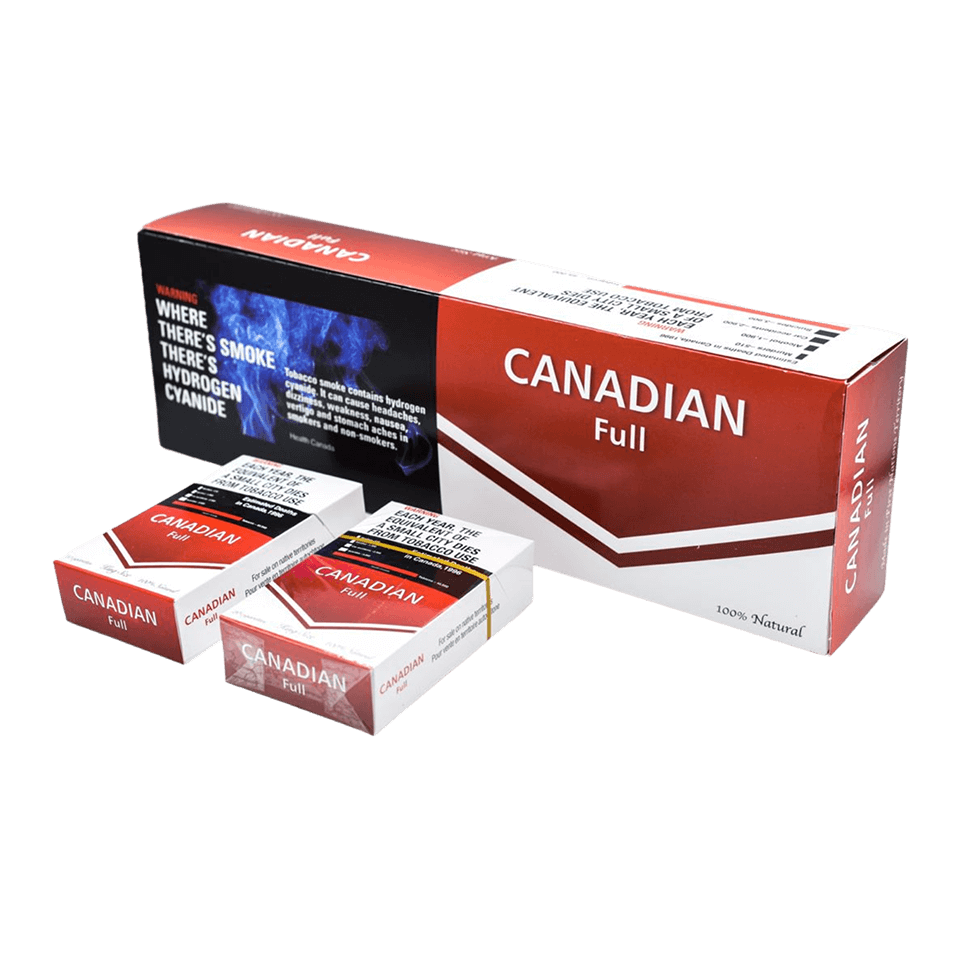
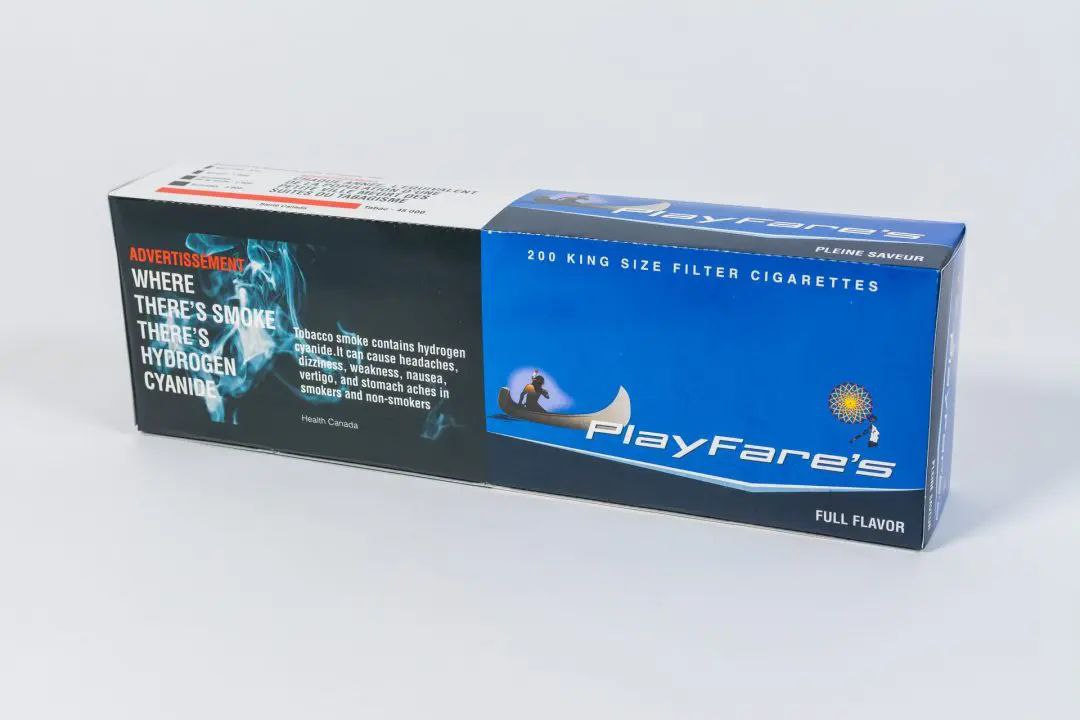
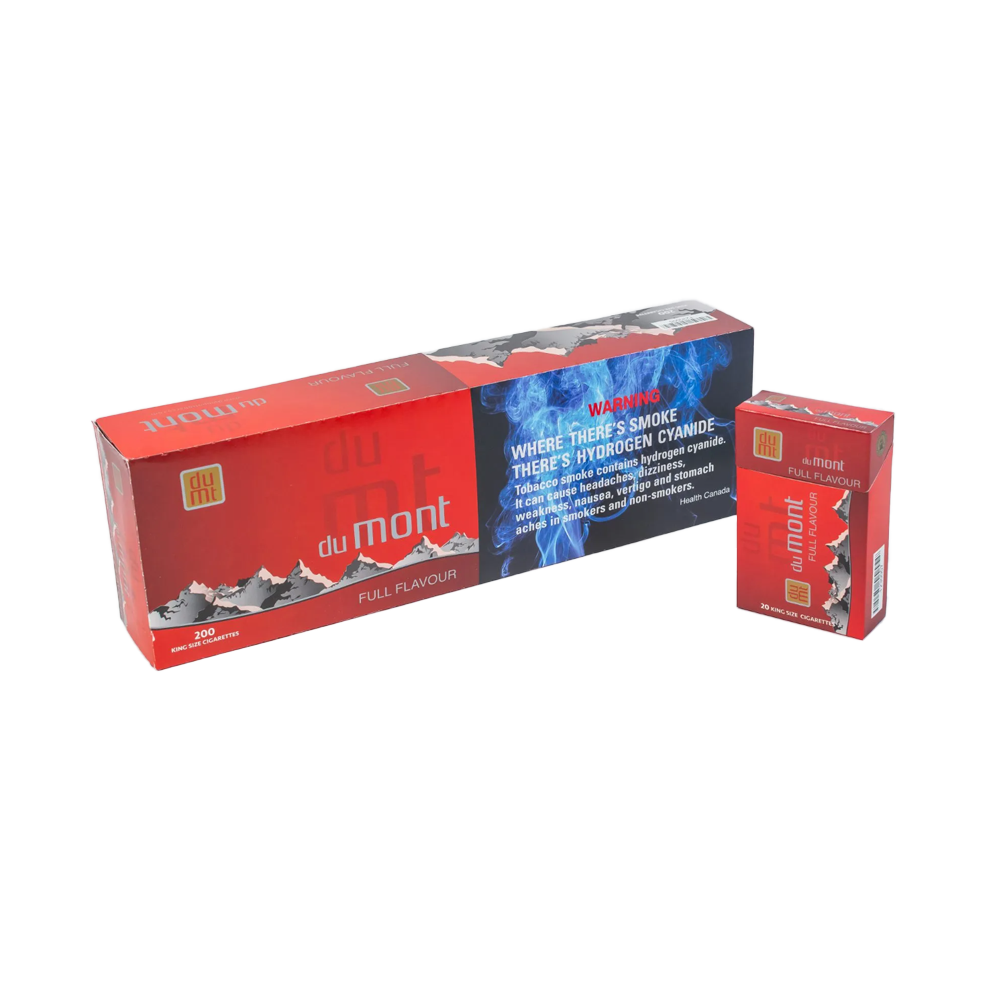
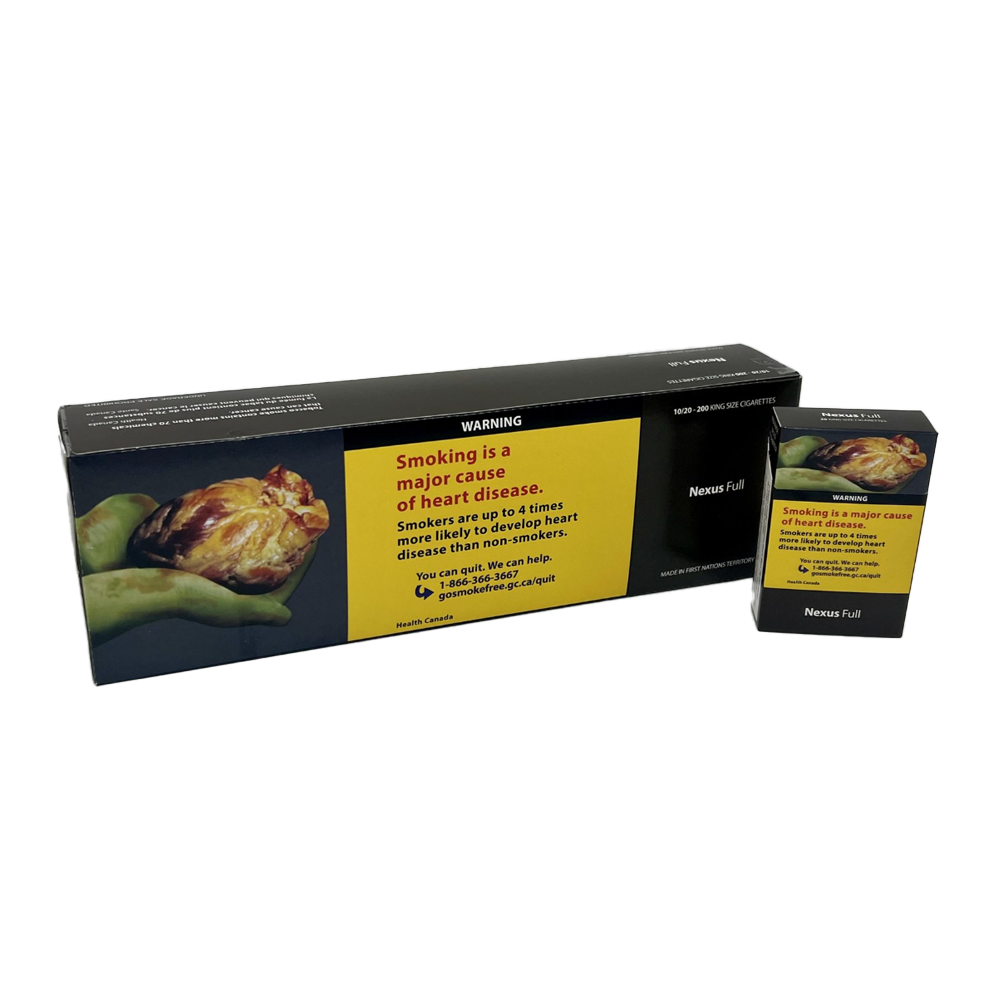
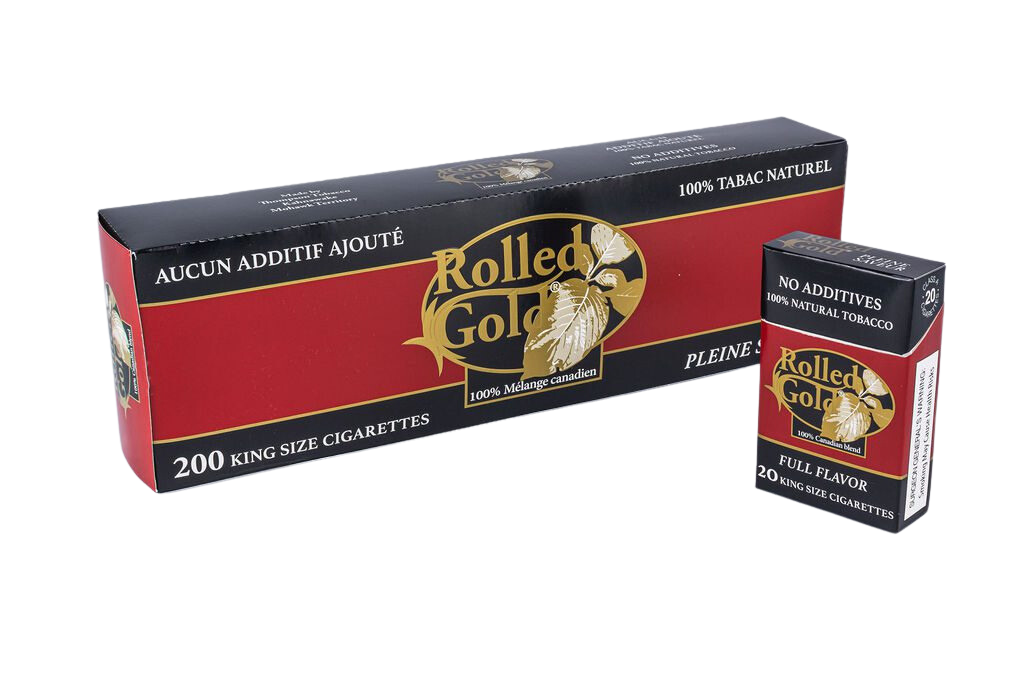
⭐ Excluded: BB light Manitoba, BB full Manitoba, Chanel Blueberry, Chanel ice. See all 29+ native brands at Cigstore.ca.
🚚 Delivery Across Canada – $29 Flat Rate
We ship to every province and territory using Canada Post, Purolator, FedEx, and UPS. Orders over $290 qualify for FREE shipping. Age verification (19+) required upon delivery.
📦 Same-day dispatch for orders before 2 PM EST. Tracking provided within 24 hours.
📚 You Might Also Enjoy These Articles
How to Remove Cigarette Smell from Your Car Interior in 20 Minutes
Fast fixes for a fresher ride.
How to Remove Cigarette Smell from a Room in 5 Minutes
Quick solutions for fresh air.
How to Remove Yellow Nicotine Stains from Fingers
Removal methods that work.
How the Smell of Smoke Affects Interview Success
The hidden job search barrier.
The Thirdhand Smoke Nightmare
How nicotine residue lingers in carpets and curtains.