
Most Controversial Cigarette Advertising Campaigns
From Doctors to Cartoons — The Shocking History of Tobacco Marketing in Canada
⚠️📢 Warning: This article contains historical tobacco advertising that many find disturbing. These campaigns are presented for educational and historical purposes. They show how tobacco companies deliberately deceived the public, targeted children, and lied about health risks for decades. From fake doctor endorsements to cartoon characters that appealed to kids, these are the most controversial cigarette ads in Canadian history — and the scandals that finally brought them down.
Why it was controversial: This campaign claimed that a survey of 113,597 doctors found Camels were the preferred cigarette. In reality, the “survey” was conducted by mailing free samples to doctors and asking what they smoked after receiving the free cigarettes. Tobacco companies used medical authority to deceive the public into believing cigarettes were safe — or even healthy.
- 📊 The lie: No scientific evidence supported the claim. Cigarettes cause cancer — doctors knew this by the early 1950s.
- 💰 Impact: Camel’s market share jumped 15% during the campaign. Other brands quickly copied the “doctor endorsement” strategy.
- ⚖️ Legacy: The campaign became a landmark case in false advertising law. It’s still taught in marketing ethics classes as the ultimate example of deception.
- 🇨🇦 Canadian impact: Canadian magazines like Maclean’s and Chatelaine ran these ads. Canadian doctors were quoted in local versions of the campaign.
Why it was controversial: Joe Camel was a cartoon character designed to make smoking look cool, fun, and rebellious. The problem? He was wildly popular with children. Studies showed that Joe Camel was as recognizable to 6-year-olds as Mickey Mouse. The campaign directly targeted youth — a clear violation of ethical marketing standards.
- 👶 Kid appeal: A 1991 study found that 97% of 6-year-olds could identify Joe Camel — the same percentage that recognized the Disney Channel logo.
- 📈 Youth smoking spike: Camel’s market share among under-18 smokers rose from 0.5% to 32% during the Joe Camel campaign.
- ⚖️ Lawsuits: The campaign was the subject of multiple lawsuits and eventually withdrawn in 1997 under public pressure.
- 🇨🇦 In Canada: Joe Camel ads appeared in Canadian magazines and on billboards until the 1997 Tobacco Act banned them.
Why it was controversial: This campaign cynically co-opted the women’s liberation movement to sell cigarettes. It suggested that smoking was a symbol of female independence and equality — while ignoring that cigarettes cause lung cancer, which kills more women than breast cancer. Feminism was used as a marketing tool to hook a new generation of female smokers.
- 🚬 “Slim” cigarettes: Virginia Slims were thinner and marketed as “designed for women” — with pastel packaging and feminine imagery.
- 📈 Impact on Canadian women: Smoking rates among Canadian women rose from 18% in 1945 to 45% by 1975 — the Virginia Slims campaign was a major factor.
- 😔 The tragic irony: The women who embraced smoking as liberation became the victims of lung cancer, COPD, and heart disease.
- ⚖️ Legacy: The campaign is now cited as a classic example of “pinkwashing” — exploiting social justice movements for corporate profit.
Why it was controversial: For decades, tobacco companies marketed “light” and “mild” cigarettes as safer alternatives. They weren’t. Studies proved that smokers of “light” cigarettes simply inhaled deeper or smoked more to get the same nicotine hit — resulting in identical cancer risk. The “light” and “mild” labels were pure marketing deception.
- 📋 The lie: “Light” cigarettes had lower tar readings on smoking machines — but humans don’t smoke like machines. Real-world testing showed no health benefit.
- ⚖️ Canadian lawsuit: In 2012, a Quebec class-action lawsuit forced Imperial Tobacco, Rothmans, and JTI-Macdonald to pay $15.5 billion to Quebec smokers — partly for deceptive “light” and “mild” marketing.
- 🚫 Ban on “light/mild”: In 2007, Canada banned the terms “light” and “mild” on cigarette packages — but by then, millions had been deceived.
- 😔 Human cost: Many smokers switched to “light” brands thinking they were safer — and continued smoking instead of quitting.
Why it was controversial: This campaign targeted youth by associating smoking with rebellion, independence, and adventure. Ads featured rock climbing, windsurfing, and extreme sports — the message: real rebels smoke Player’s. Critics accused Player’s of deliberately targeting teenagers’ desire to defy authority.
- 🎯 Youth targeting: The “Challenge everything” campaign ran in magazines popular with teens and young adults.
- 📈 Impact: Player’s market share among under-21 smokers increased significantly during the campaign.
- ⚠️ Sponsorships: Player’s sponsored rock concerts, sports events, and even extreme sports competitions — all visible to youth.
- 🚫 Ban: The 1997 Tobacco Act banned brand sponsorships and put an end to campaigns like “Challenge everything.”
📊 The Most Controversial Campaigns: By the Numbers
| Campaign | Years Active | Primary Target | Deception Type | Aftermath |
|---|---|---|---|---|
| “More Doctors Smoke Camels” | 1946–1954 | Adults, general public | False medical endorsement | Campaign withdrawn, now used in ethics classes |
| Joe Camel | 1988–1997 | Children & teenagers | Targeting youth with cartoons | Campaign killed by lawsuits and public outrage |
| “You’ve come a long way, baby” | 1968–1990s | Women | Co-opting feminism | Now cited as “pinkwashing” example |
| “Light/Mild” deception | 1970s–2000s | Health-conscious smokers | False safety claims | $15.5B Quebec settlement, banned terms |
| “Challenge everything” | 1980s | Youth & young adults | Rebellion marketing | Banned by 1997 Tobacco Act |
📄 The Real Scandal: They Knew All Along
What makes these campaigns truly scandalous is not just what they said — but what tobacco companies knew internally. Internal documents later revealed that by the 1950s, tobacco companies had evidence that cigarettes caused cancer. They hid it. They funded pseudo-science to create doubt. And they continued advertising as if cigarettes were safe for decades.
- 📄 1953 Brown & Williamson memo: “We are, at this moment, in the business of selling nicotine, an addictive drug.” — kept secret for 40 years.
- 🇨🇦 1957 Imperial Tobacco (Canada) internal report: Acknowledged that smoking could cause lung cancer — then destroyed the report.
- 💰 The “Frank Statement” (1954): Major tobacco companies claimed they would fund independent research — then suppressed unfavorable results.
- ⚖️ Canadian lawsuits: In 2015, a Quebec court ruled that tobacco companies had deliberately deceived the public — leading to the $15.5 billion settlement.
🔥 Top 5 Popular Products for Canadian Smokers Today



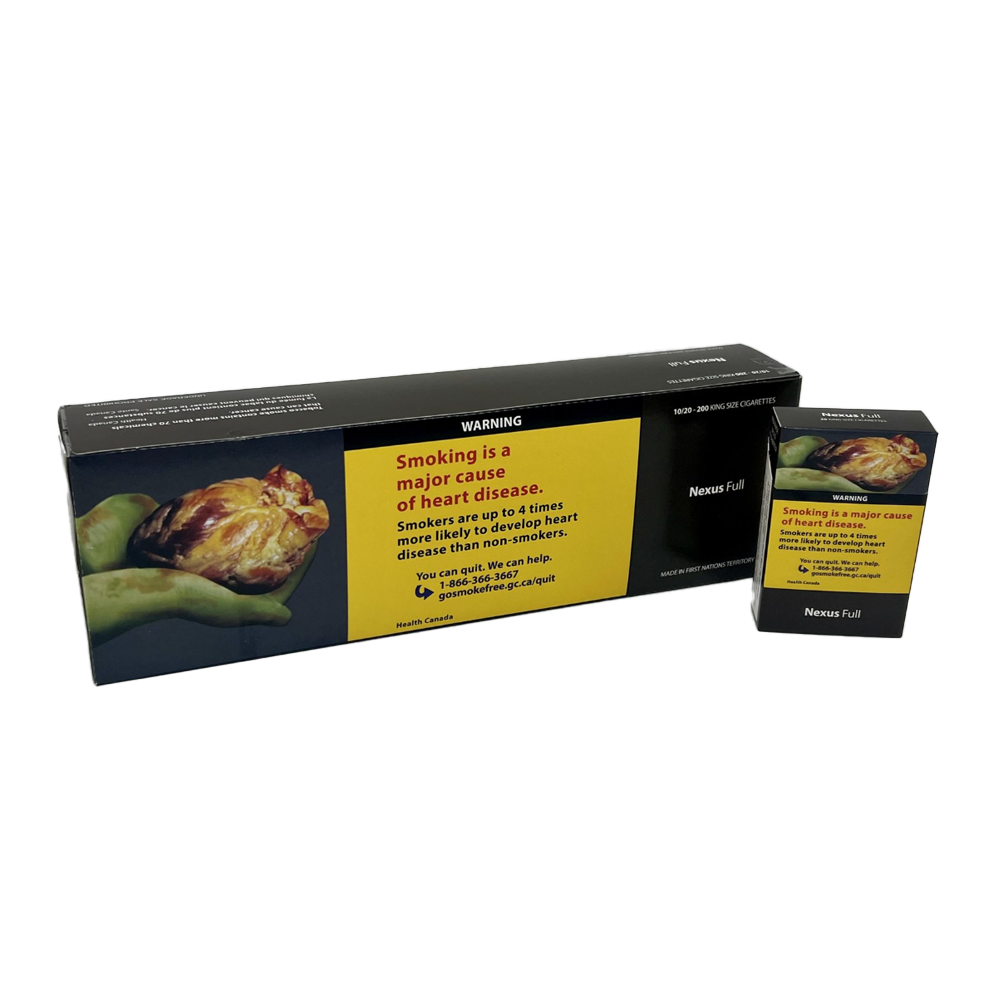
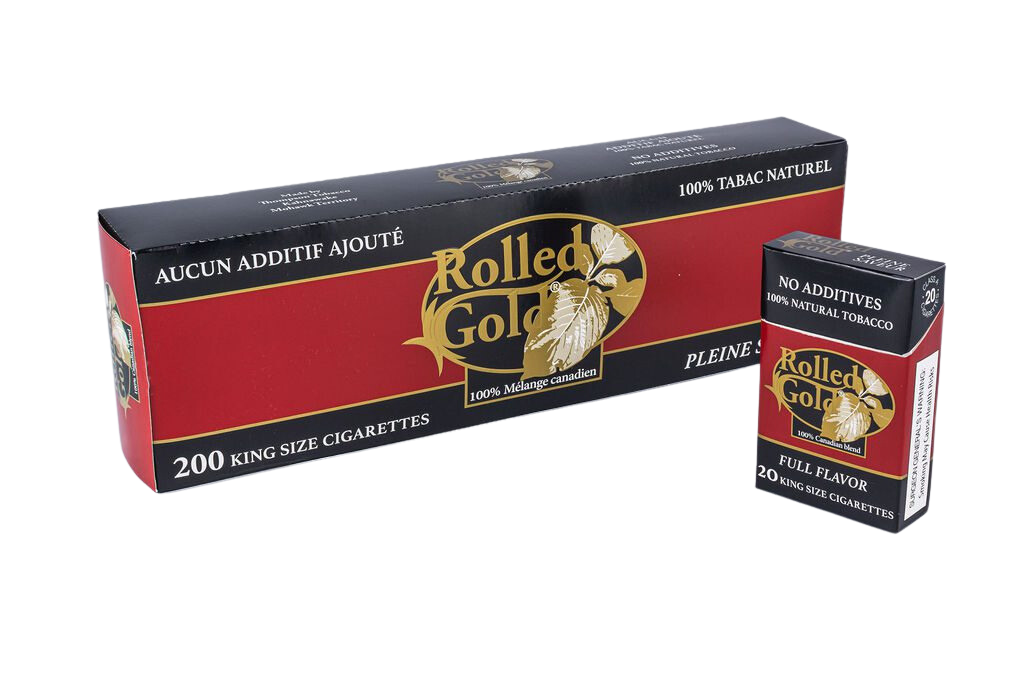
⭐ Excluded: BB light Manitoba, BB full Manitoba, Chanel Blueberry, Chanel ice. See all 29+ native brands at Cigstore.ca.
🚚 Delivery Across Canada – $29 Flat Rate
We ship to every province and territory using Canada Post, Purolator, FedEx, and UPS. Orders over $290 qualify for FREE shipping. Age verification (19+) required upon delivery — we comply with all Canadian laws. No deceptive slogans. No cartoon characters. Just honest products at fair prices.
📦 Same-day dispatch for orders before 2 PM EST. Tracking provided within 24 hours.
📚 You Might Also Enjoy These Articles
History of Smoking in Canada
From 1950s magazine ads to plain packaging today.
5 Iconic Ads Banned Today
Campaigns that would never survive modern laws.
1994 Tax Cut Story
How native cigarettes became affordable.
Why Cigarettes Are Expensive
Complete federal & provincial tax breakdown.
10 Canadian Celebrities Who Smoke
Stars and their favorite brands.