
Smoking in LGBTQ+ Communities in Canada
History, Trends, and the Impact of Minority Stress
🏳️🌈🚬 In Canada, while overall smoking rates have declined to approximately 10-12% of the adult population, smoking remains significantly more prevalent within LGBTQ+ communities. Studies consistently show that sexual minority adults smoke at rates 1.5 to 2 times higher than their heterosexual counterparts [citation:4]. This disparity is not a coincidence — it is rooted in a complex history of targeted marketing by the tobacco industry, systemic discrimination, and the ongoing psychological burden of minority stress. This article explores the history of smoking in Canada’s LGBTQ+ communities, the data on current trends, the reasons behind persistently higher rates, and the community-led efforts to address this health inequity.
📊 The Scale of the Disparity: Data from 2003–2020
Heterosexual adults: ~15% | Sexual minority adults: ~27%
LGBTQ+ individuals are nearly twice as likely to smoke as the general population [citation:4].
A landmark 2024 study published in SSM – Population Health analyzed data from the Canadian Community Health Survey (2003–2020), covering over 20 million respondents. The findings revealed persistent and significant disparities [citation:4]:
| Group | Current Smoker (2003-2005) | Current Smoker (2015-2020) |
|---|---|---|
| Heterosexual | 24.4% | 15.1% |
| Sexual Minority | 36.6% | 26.8% |
- 📉 Overall decline, persistent gap: While smoking rates dropped for everyone between 2003 and 2020, the relative difference between sexual minorities and heterosexuals remained the same or, in some cases, widened [citation:4].
- 🏳️🌈 Bisexual women: A significant inflection point was observed in 2009. Rates of poor mental health among bisexual women initially decreased until 2009, then increased drastically until 2020, correlating with high smoking rates [citation:1][citation:4].
- 🏳️⚧️ Transgender data: While large-scale survey data on transgender individuals is still emerging, smaller studies suggest smoking rates may be even higher — up to 34% in some community-specific surveys [citation:3].
- 📋 The “minority stress” framework: The persistence of these disparities, despite societal progress, suggests that the chronic stress of navigating a predominantly heterosexual society continues to drive higher rates of substance use as a coping mechanism [citation:4].
⏳ A Hostile History: The Pre-Apology Era
To understand the high rates of smoking in LGBTQ+ communities, one must understand the systemic discrimination these communities faced for much of the 20th century. From the 1950s to the 1980s, the Canadian government actively persecuted LGBTQ+ employees in an event known as the “LGBT Purge.” Suspected homosexuals were fired from the military, the RCMP, and the civil service under the guise of being a “security risk” [citation:8].
- 🏛️ State-sanctioned discrimination: Those who were suspected were put under surveillance, interrogated, and intimidated. Many quit to avoid being exposed, and some committed suicide as a result [citation:8].
- 💔 The psychological toll: This era of state-sanctioned homophobia and transphobia created chronic, multi-generational trauma. For many, smoking became a coping mechanism to deal with the stress of living in a society where their very existence was criminalized or pathologized.
- 📜 The formal apology: It was not until 2017 that the federal government issued a formal apology for the treatment of LGBTQ+ community members [citation:8].
- 🔄 The legacy: The health disparities we see today are a direct legacy of this systemic discrimination. High smoking rates are a population-level symptom of historical and ongoing minority stress [citation:4].
🎯 Big Tobacco’s Targeting of LGBTQ+ Communities
Throughout the 1990s and early 2000s, the tobacco industry deliberately targeted LGBTQ+ communities with tailored marketing campaigns [citation:5]. Recognizing that these communities faced high levels of stress and often socialized in bars, tobacco companies saw a “potential weak link” to exploit [citation:5].
- 📰 Advertising in gay media: Tobacco companies became major advertisers in gay newspapers and magazines. Struggling gay media outlets were often in a “beggar’s position, rather than a chooser’s position,” making them reluctant to turn down this revenue [citation:5].
- 🏳️🌈 Sponsorship of Pride events: Companies sponsored Pride parades and community events, handing out free cigarette samples and branded merchandise. This created brand loyalty and normalized smoking within LGBTQ+ spaces [citation:7].
- 🍸 Bar-focused marketing: With the bar scene being a central social hub for LGBTQ+ communities for generations, tobacco companies promoted cigarettes as a social accessory — inextricably linking smoking with community, socializing, and relaxation [citation:5].
- 📄 A 2012 report found that in the preceding decade, 22% of San Francisco LGBT organizations had accepted tobacco industry funding, as leaders felt the donations were necessary to keep their programs solvent [citation:5].
💔 The Role of Minority Stress and Mental Health
Poor mental health: Heterosexual 8.6% | Sexual Minority 27.7%
Anxiety disorder: Heterosexual 12.1% | Sexual Minority 32.0%
Mood disorder: Heterosexual 11.2% | Sexual Minority 33.5% [citation:4].
The primary explanation for higher smoking rates is the minority stress model. This framework posits that sexual and gender minorities experience chronic, unique stressors — including discrimination, violence, social rejection, and internalized stigma — that lead to adverse mental health outcomes [citation:4].
- 😔 Coping mechanism: Cigarette smoking is often used as a maladaptive coping strategy to manage the psychological distress caused by minority stress. It’s a form of “self-medication” for anxiety, depression, and hypervigilance [citation:4].
- 📉 Barriers to healthcare: Fear of homophobic or transphobic healthcare providers can lead many LGBTQ+ individuals to avoid seeking medical help, including smoking cessation support [citation:5].
- 😩 Social isolation: Chronic experiences of rejection and exclusion increase rates of social isolation, which is strongly correlated with substance use. The bar scene, where smoking is historically prevalent, often served as a refuge from social isolation [citation:3].
- 🔄 A vicious cycle: Minority stress → poor mental health → smoking as a coping mechanism → further health problems → increased stress. Breaking this cycle requires addressing the root cause of the stress, not just the behavior [citation:4].
🩺 Community-Driven Solutions: “Ma Pause Fumée”
Recognizing that generic anti-smoking campaigns often fail to address the unique needs of LGBTQ+ communities, targeted initiatives have emerged. In 2026, the Community-Based Research Centre launched “Ma Pause Fumée” (My Smoke Break), a pan-Canadian program designed specifically for LGBTQ+ individuals [citation:3].
- 🏳️🌈 Peer-led support: The program offers one-on-one appointments with peer workers and support groups with others in the program. This culturally competent approach creates a safe, affirming space for discussing addiction [citation:3].
- 💊 Access to NRT: The program also provides access to nicotine replacement therapy (NRT) products, removing financial barriers to quitting [citation:3].
- 🌐 Free and online: The program is free and accessible online, making it available to LGBTQ+ individuals in rural and remote communities across Canada [citation:3].
- 📖 Addressing root causes: Program materials directly address the reasons people smoke: “discrimination, queerphobia, transphobia, police and institutional violence, poverty, migration-related stress, and social isolation” [citation:3].
📖 Carlisle Kfoury, peer support worker: “LGBTQ+ people often smoke in social contexts to create bonds. We also smoke to cope with stress in our lives, like discrimination, queerphobia, transphobia… Ma pause fumée is a free, online program.” [citation:3]
👩🎓 Youth Trends: Persistent Disparities Among Adolescents
The disparities begin early. A study using data from the British Columbia Adolescent Health Survey (1998–2013) found that sexual minority youth consistently reported higher rates of smoking than their heterosexual peers, with little evidence of the gap closing over time [citation:6].
- 📊 For girls, the disparity widened: Differences in lifetime and past 30-day use between heterosexual and sexual minority girls actually increased during the study period [citation:6].
- 👦 For boys, differences remained stable: Disparities for early onset of smoking among sexual minority boys also remained consistent [citation:6].
- ⚠️ The need for tailored prevention: Researchers concluded that “tailored preventive strategies for sexual minority youth might help address existing disparities” [citation:6].
- 🏫 The role of schools: Creating safer, more affirming school environments is critical for reducing the minority stress that drives substance use among LGBTQ+ youth.
📦 Native Cigarettes: The Affordable Option
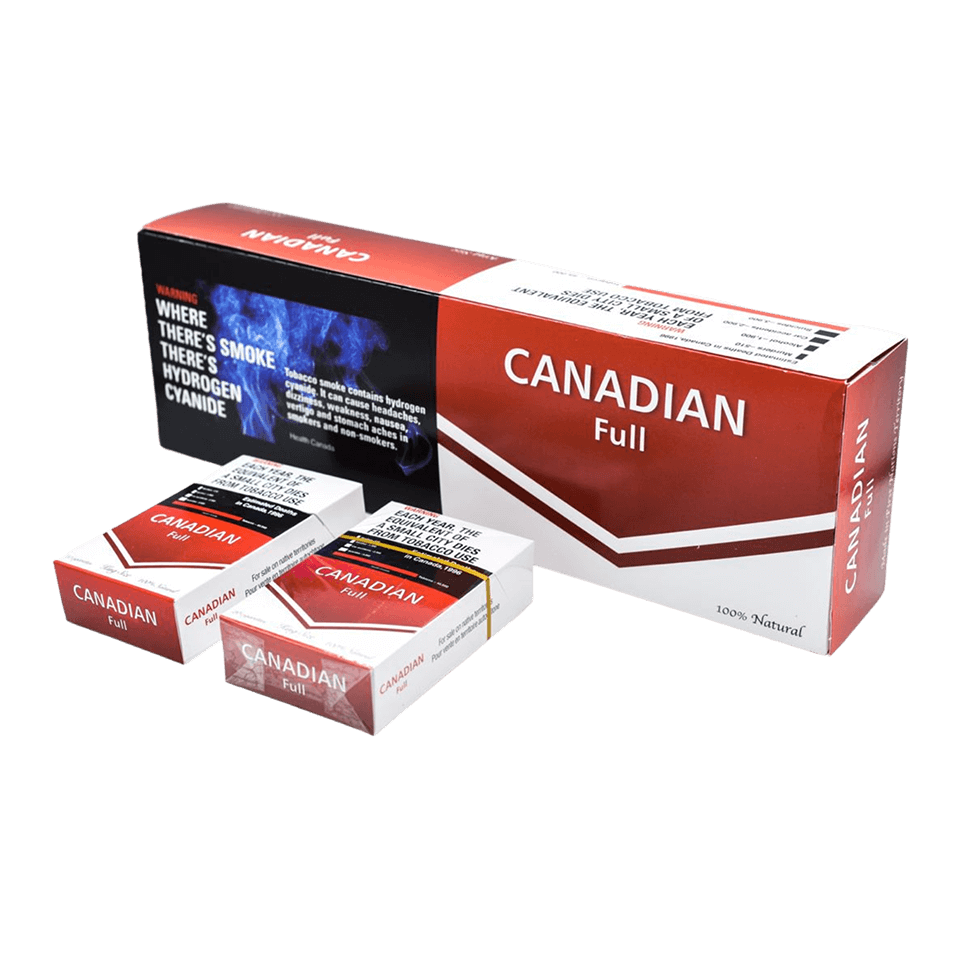
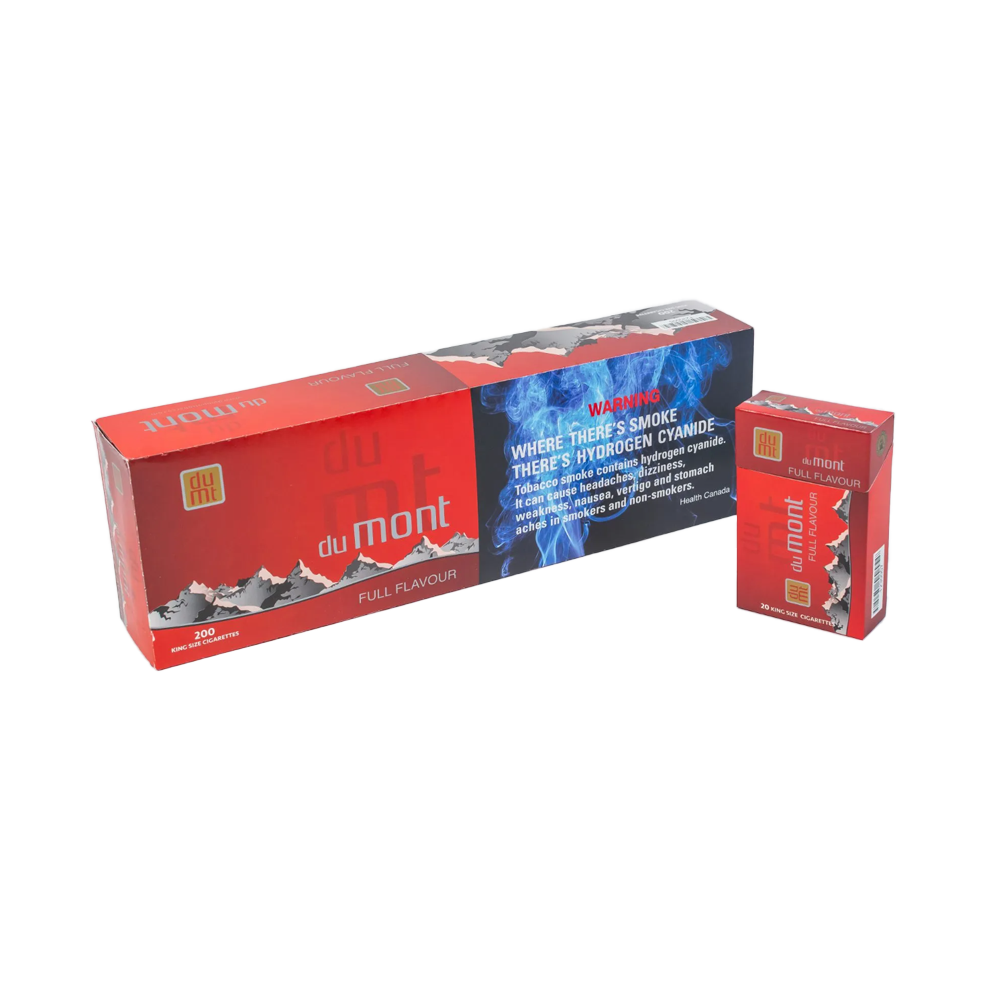
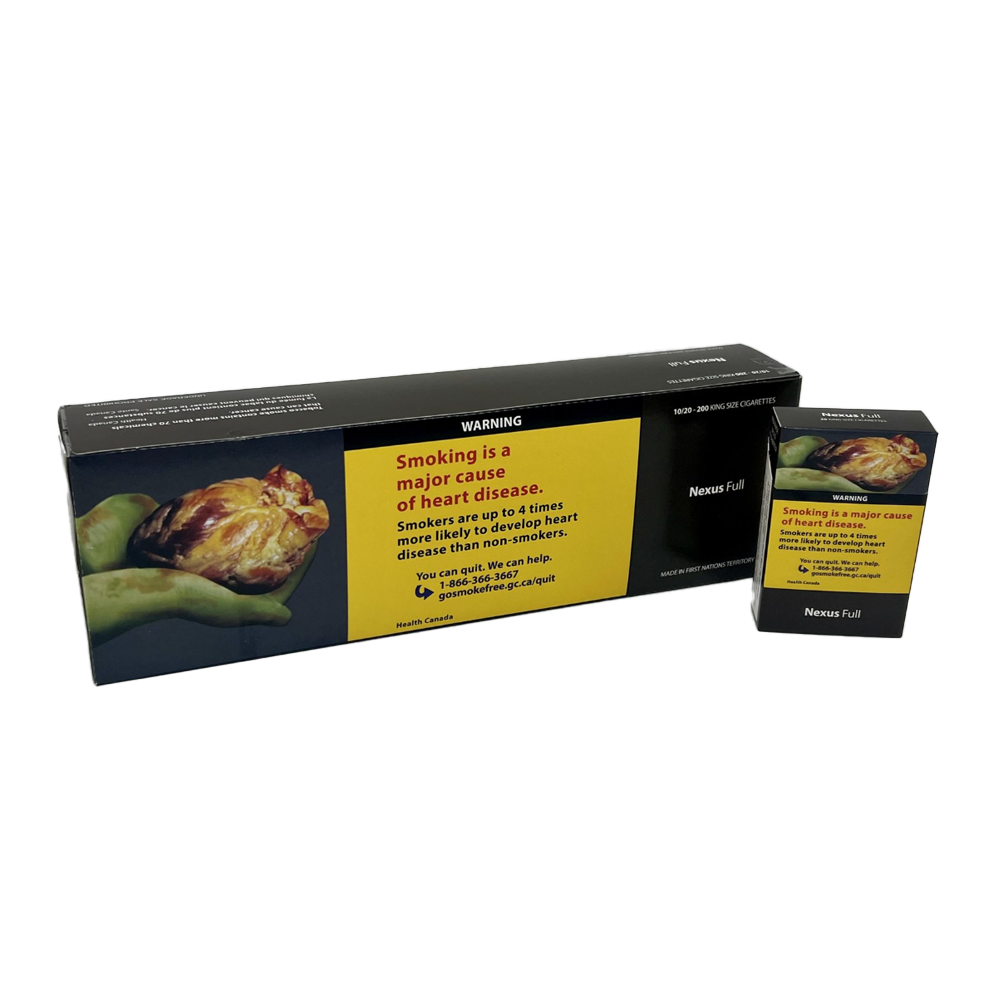
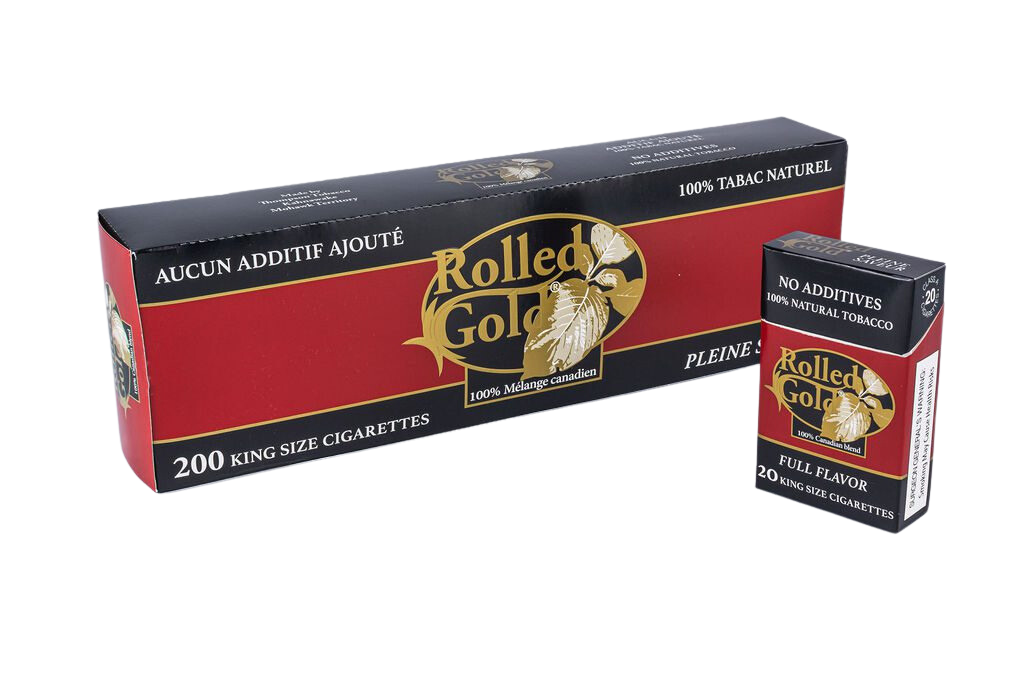
For LGBTQ+ smokers who are not ready to quit, native cigarettes offer an affordable alternative to overpriced commercial brands. Native cigarettes (Playfare, Canadian, DuMont, Nexus, Rolled Gold) cost $29-50 per carton — compared to $140-180 for commercial brands — a savings of 70-80%. While they are not a “safer” option (they contain the same nicotine, tar, and carcinogens), they significantly reduce the financial burden of smoking.
- 💰 Cost savings: A pack-a-day smoker saves $5,000-7,000 per year by switching to native cigarettes.
- 🚫 Not “healthier”: Native cigarettes contain the same health risks as commercial brands. The only difference is price and packaging.
- 📦 Online delivery: Cigstore.ca ships to every province and territory with $29 flat shipping (free over $290).
- 🩺 The goal remains quitting: For those who wish to quit, free, culturally competent programs like “Ma Pause Fumée” are available. Native cigarettes are a financial harm reduction measure, not a health harm reduction measure.
🔥 Top 5 Native Cigarettes for Canadian Smokers

⭐ Excluded: BB light Manitoba, BB full Manitoba, Chanel Blueberry, Chanel ice. See all 29+ native brands at Cigstore.ca.
🚚 Delivery Across Canada – $29 Flat Rate
We ship to every province and territory using Canada Post, Purolator, FedEx, and UPS. Orders over $290 qualify for FREE shipping. Age verification (19+) required upon delivery.
📦 Same-day dispatch for orders before 2 PM EST. Tracking provided within 24 hours.
📚 You Might Also Enjoy These Articles
Smoking and Stress: The Neuroscience
Why nicotine feels calming (and why it’s a trap).
Why People with Bipolar Disorder Smoke More Often
Mental health and addiction.
How Smoking Affects Your Skin, Hair, and Nails
The visible effects of tobacco on your body.
1994 Tax Cut Story
How native cigarettes became affordable.
Where in Canada Has the Most Smokers?
Regional variations in smoking rates.