
Why Light Cigarettes Became Popular in the 1970s
The Marketing of a Mirage: How the Tobacco Industry Exploited Health Fears
📢🚬 In the 1970s, a new type of cigarette appeared on the Canadian market. They were called “Light” or “Mild,” and they promised a way to keep smoking without the guilt. For millions of smokers worried about lung cancer, heart disease, and emphysema, Light cigarettes seemed like the perfect answer: a “healthier” cigarette that would let them continue their habit with reduced risk. But it was a mirage. This article explores how the tobacco industry created the Light cigarette phenomenon in the 1970s: the health crisis that sparked it, the marketing genius that sold it, the internal industry knowledge that kept it secret, and the devastating consequences of a deception that lasted for decades.
⚠️ The Health Crisis of the 1950s-1960s
1950s: Scientists firmly establish the link between smoking and lung cancer.
1962: Royal College of Physicians Report (UK) links tobacco to cancer.
1964: U.S. Surgeon General’s Report confirms the link.
Smokers were terrified — and the industry knew it .
The 1950s and 1960s were a period of profound anxiety for the tobacco industry. For the first time, the medical establishment had conclusively linked smoking to serious disease . The industry’s response was twofold: first, to sow doubt about the science (a disinformation campaign that lasted for decades), and second, to create products that would reassure worried smokers .
- 📈 The “cancer scare” paradox: As historian Daniel Robinson notes, “the ‘cancer scare’ of the 1950s and 1960s ultimately breathed new life — and marketing innovation — into a cigarette industry that had been largely monotone for decades” .
- 😨 Consumer research confirmed the fear: Industry market research conducted in the 1960s and 1970s revealed that a significant segment of smokers — the “Health Segment” — had high levels of concern about the dangers of smoking .
- 🚬 The “quit or cut down” dilemma: As Imperial Tobacco marketer Bob Bexon later wrote in 1984, before Light cigarettes, worried smokers “had a limited range of options open to them — essentially quit or cut down.” But “neither of these two approaches proved very successful for smokers” .
- 📊 The opportunity: The industry saw an opening: a third option that would allow smokers to keep smoking — just with a “healthier” product .
🔧 Early Responses: Filters and “Low-Yield” Brands (1950s-1960s)
Before Light cigarettes, there were filter-tipped and “low-yield” brands. The industry had already been experimenting with ways to make cigarettes seem less harmful .
- 📜 Filters as a “safety” feature: Filters first appeared in the 1930s as a convenience feature (to keep tobacco bits out of smokers’ mouths), but ads for filtered brands “reassured smokers worried about sore throats and persistent coughs” .
- 📊 The 1960s low-yield push: By 1968, “low-yield” brands (with enhanced filters or reduced tar/nicotine) accounted for 12% of the Canadian cigarette market .
- 🏛️ Rothmans’ Ransom: Rothmans launched Ransom, a low-yield brand with the “Strickman filter,” touted as a technological breakthrough .
- 📦 Imperial Tobacco’s Richmond: ITC followed with Richmond, a “high filtration” brand launched to “satisfy the health doubters” .
- 🚬 Macdonald’s Consols: In 1969, Macdonald Tobacco released the low-tar brand Consols in western Canada with the ad slogan, “have a mild” .
📖 The government steps in: In 1969, the federal government released a table listing the tar and nicotine levels of cigarette brands. One agency executive noted that after this release rated Matinée King-Size Filters as very low in tar and nicotine, the brand’s subsequent marketing “continue[d] to emphasize th[at] fact” .
📦 The Birth of “Light” and “Mild” Brands (1976)
Player’s Light and Matinée Special Filter launched — Canada’s first “Light” brands.
Player’s Light would become Canada’s best-selling cigarette [citation:1].
The watershed moment came in 1976. That year, Imperial Tobacco Canada launched Matinée Special Filter and Player’s Light — the first Canadian cigarettes explicitly marketed as “Light” or “Mild” .
- 📦 Matinée Special Filter: Market testing revealed it was “perceived to be a very mild cigarette and better for your health” .
- 🚬 Player’s Light: Later became Canada’s best-selling brand. Its marketing emphasized a “mildness strategy” compared to higher-tar brands .
- 📊 The “third alternative”: As Bob Bexon wrote in 1984, “it is useful to consider lights more as a third alternative to quitting and cutting down” .
- 🔄 Public relations benefit: An internal ITC document noted that “the recent launch of Special Filter provided our sales force with a logical reply to the anti-smoking criticisms, ‘You see, we are doing something about smoking and health. We are offering a safer cigarette'” .
📖 From a 1976 ITC internal document: “The recent launch of Special Filter provided our sales force with a logical reply to the anti-smoking criticisms, ‘You see, we are doing something about smoking and health. We are offering a safer cigarette.'”
📢 The Marketing Genius: Implied Health Claims
The genius of the Light and Mild campaign was its ability to communicate health benefits without explicitly making health claims. The industry’s Advertising Code, established in 1964, banned explicit references to health in product promotion . So manufacturers had to be subtle.
- 📋 Implied, not stated: ITC officials discussed the challenge of describing the “benefits to the consumers when we cannot use the two words that best describe the concept — reduction in build-up of Tar and Nicotine.” Advertising could only “imply a ‘safer cigarette'” .
- 🎨 Image over words: As ITC officials noted, “image-type campaigns” could “often be more effective than words since the latter generally appeals to rational intelligence, whereas the former appeals to the sub-conscious” .
- 🏷️ The power of “Mild”: The word “Mild” was meaningless in terms of tar and nicotine levels — but it had powerful emotional resonance. It suggested gentleness, safety, and reduced harm .
- 📦 Package design: The packaging for Light brands was often lighter in colour, with softer imagery, reinforcing the perception of “mildness.”
- 📊 The 1975-1977 shift: In 1975, cigarettes with 15+ mg of tar constituted 86% of the market. By 1977, this number had dropped to 68% — a rapid transformation driven by Light/Mild brands .
🎭 The Deception: What the Industry Knew (and Hid)
The industry knew Light cigarettes were not safer — but kept quiet.
Government studies confirming this would not become public for 20 years [citation:1].
While Light cigarettes were marketed as a “healthier” alternative, the industry’s own scientists knew they were not. Internal research conducted in the 1970s demonstrated that smokers compensated when switching to lower-yield cigarettes.
- 🔬 Compensation studies: Compensation — the tendency of a smoker to smoke a lower-tar cigarette more vigorously to extract the same amount of nicotine — was first documented in industry research in the mid-1970s .
- 🚬 Ventilation holes: To reduce machine-measured tar yields, manufacturers added ventilation holes in filters. But smokers would often block these holes with their lips or fingers, defeating the dilution .
- 📊 The industry’s secret: As the 2005 report by the Canadian Centre for Policy Alternatives notes, “tobacco scientists were also working to find a way to make cigarettes less harmful. But they were even more eager to find a way to make cigarettes seem less harmful” .
- 📉 The “hope” strategy: As historian Robinson concludes, tobacco firms “worked to furnish Canadian smokers with hope and doubt: hope in the form of reassuring marketing, as seen with light and mild cigarette brands, and doubt by means of disinformation campaigns” .
📖 From the Canadian Centre for Policy Alternatives (2005): “The tobacco scientists were also working to find a way to make cigarettes less harmful. But they were even more eager to find a way to make cigarettes seem less harmful.”
👩🦰 Who Bought Light Cigarettes? The Demographics of Deception
Light cigarettes did not appeal equally to all smokers. Industry research revealed a clear demographic profile of “health-concerned” smokers — the prime target for Light brands .
- 📊 The “Health Segment” (1977 data): 17% of smokers were classified as having “high health concern.” These smokers were disproportionately: female, aged 25-34, college or university educated, and earning $17,000+ annually .
- 👩 Women as primary targets: “Health-concerned” smokers were “more often female than male” . The launch of du Maurier Special Mild (a Light brand) was credited with keeping women in the ranks of smokers and thwarting quit attempts .
- 📉 Low health-concern smokers: Those with low health concerns were more likely to be French Canadian, over 45, male, unemployed or retired, and earning under $10,000 .
- 📈 The educated class: Poliquin speculated that continued economic growth and higher participation rates in post-secondary education meant the industry “could expect more smokers to become high health concerned” — expanding the Light brand market .
- 🚬 Cognitive dissonance relief: High health-concern smokers were often “reluctant to smoke,” whose very “life style and way of thinking” were “mainly opposed to smoking.” Choosing “mild” brands helped them reconcile their cognitive dissonance over smoking, “as they ‘think’ they are getting mildness and getting closer to the solution” .
⚖️ The Regulatory Backlash: Ottawa vs. the Industry
Not everyone was fooled by Light cigarette marketing. Federal health officials soon raised concerns about the deceptive use of the terms “Light” and “Mild.”
- 📋 1977 — Morrison’s complaint: A.B. Morrison, Assistant Deputy Minister of National Health and Welfare, wrote to ITC president Paul Paré. He was troubled by the marketing of “cigarettes as ‘mild’ or ‘light’ when, by current standards, their tar and nicotine levels do not appear to justify such classifications” .
- ⚠️ Player’s Light paradox: Morrison singled out Player’s Light King Size, which had 17 mg of tar — only marginally lower than Player’s Filter King Size. How could a brand with 17 mg of tar be labelled “Light” when the maximum allowed was 19 mg? .
- 📦 Medallion contradiction: Morrison also noted that ITC’s own Medallion advertising touted its low tar numbers: “If you really want the mildest…Check the numbers. There’s nothing milder than Medallion.” Yet ITC insisted that “Light” and “Mild” were “relative terms” not tied to numbers .
- 🏛️ The industry’s response: ITC executive Ed Ricard responded that “Light” and “Mild” were only “relative terms… meaningful in the smoker’s mind” .
- 📊 Tar level differences: Morrison pointed out that 79% of Macdonald sales were for brands in the highest tar range (18-19 mg). For ITC, 45% of sales were in the high-tar range. These companies had little incentive to support tar caps .
- 📉 The Canadian disadvantage: Morrison underlined that the “sales weighted average tar delivery of Canadian cigarettes [was] considerably higher than the average reported for the United States,” which meant that the “health risks to Canadian cigarette smokers [were] substantially higher” .
📖 From A.B. Morrison, NHW (1977): “With the current interest in ‘mild’ and ‘light’ cigarettes apparently stemming from concern about health hazards, there is a real danger of misleading customers.”
💀 The Consequences: A Generation Fooled
The Light cigarette phenomenon had devastating public health consequences. Millions of smokers who would have otherwise quit were reassured into continued smoking by the false promise of a “safer” product.
- 📉 Reduced quit rates: As Imperial Tobacco’s internal memo admitted, Light cigarettes were “very helpful at forestalling people who wanted to quit smoking from actually doing it” .
- 🚬 Continued female smoking: The overall smoking rate had declined from 47% in the early 1960s to 40% in 1980, largely driven by a 15% drop in male smoking. But “the overall incidence among females is now at the same level as it was 20 years ago” — a trend largely credited to Light brands .
- 📦 A “nice orderly pathway”: ITC’s Bédard and Woods wrote that Light brands “created a nice orderly pathway for smokers in their transition from high T&N strong flavoured cigarettes to milder products as their tastes and health concerns changed.” They “provide[d] the consumer with an option other than quitting” .
- ⚖️ The 2015 Quebec class action: The deception over Light and Mild cigarettes was central to the landmark $15.5 billion class-action settlement against Imperial Tobacco, Rothmans, and JTI-Macdonald. The court found that the companies had deliberately deceived smokers about the risks of their products.
📖 To this day: “Many smokers continue to believe that cigarettes sold in packages marked ‘light’ are less harmful or less addictive than cigarettes sold without that label.” — Canadian Centre for Policy Alternatives (2005) [citation:1].
📦 Native Cigarettes: No “Light” Deception
Today, the Canadian government has banned the terms “Light” and “Mild” on cigarette packages. Native cigarettes (Playfare, Canadian, DuMont, Nexus, Rolled Gold) are sold without such deceptive labels. A carton costs $29-50 — compared to $140-180 for commercial brands — a savings of 70-80%. But remember: native cigarettes contain the same nicotine, tar, and carcinogens as any other cigarette. There is no “safe” or “healthier” cigarette.
- 💰 Cost savings: A pack-a-day smoker saves $5,000-7,000 per year by switching to native cigarettes.
- 🚫 No false promises: Unlike the Light brands of the 1970s, native cigarettes are sold with full health warnings — no implied safety claims.
- 📦 Online delivery: Cigstore.ca ships to every province and territory with $29 flat shipping (free over $290).
- 📜 The only safe option: If you smoke, switching to native cigarettes will save you money — but the only way to protect your health is to quit entirely.
🔥 Top 5 Native Cigarettes for Canadian Smokers
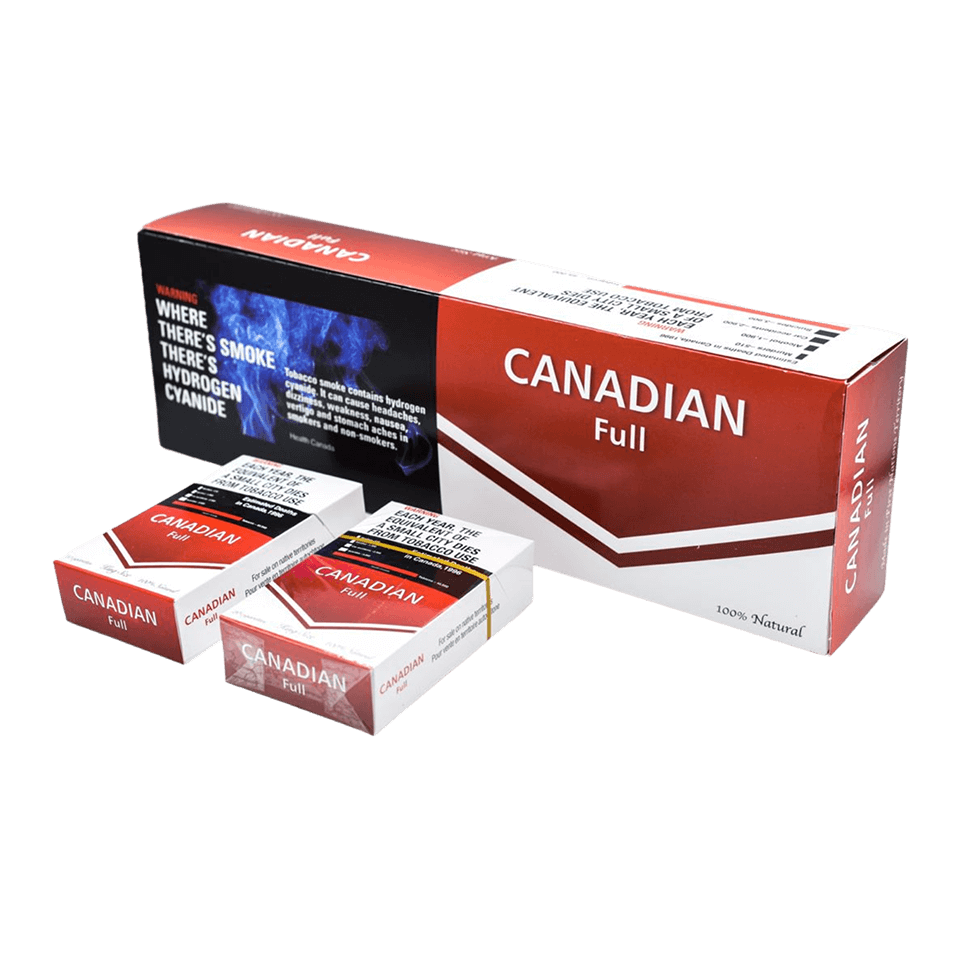
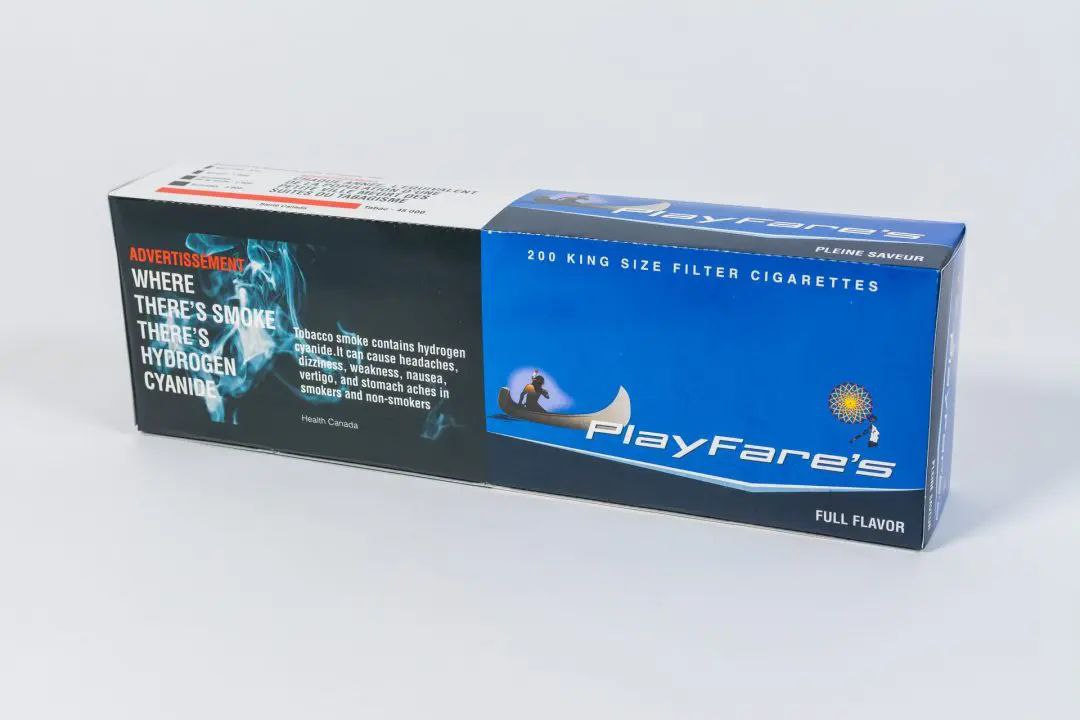
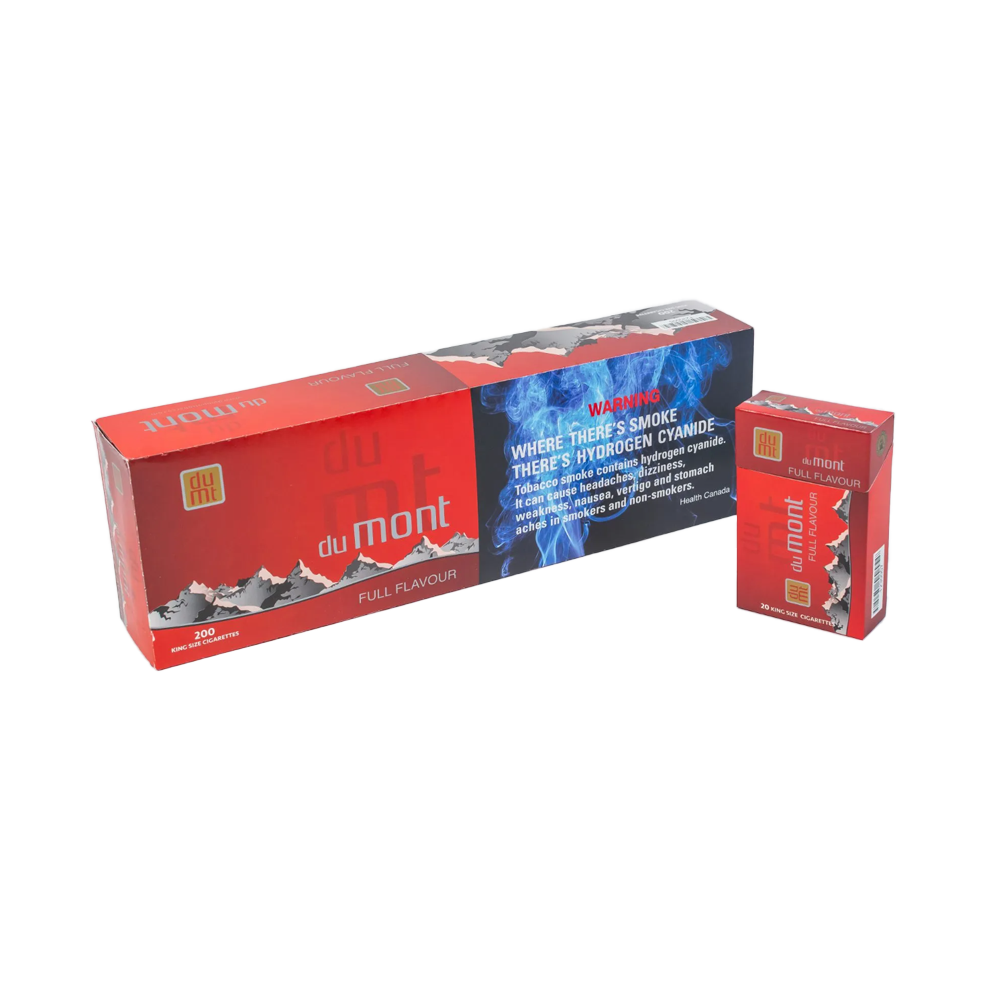
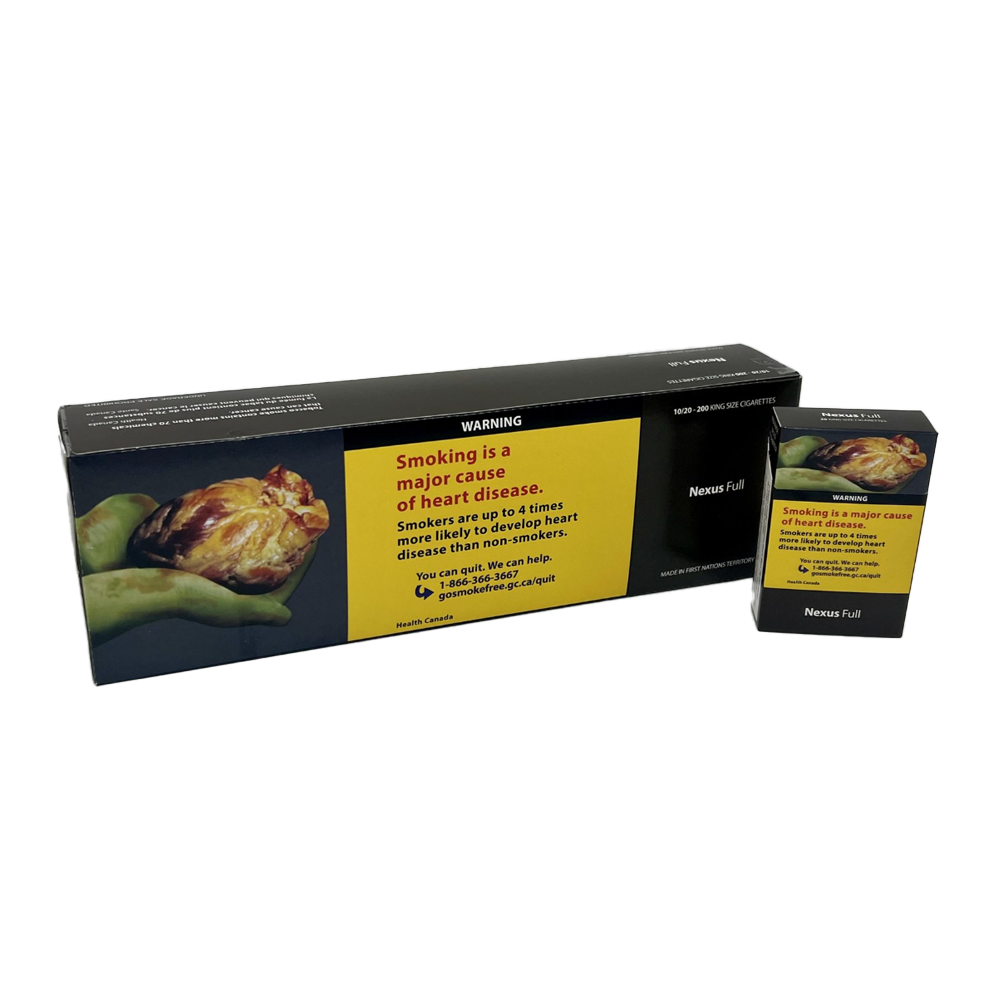
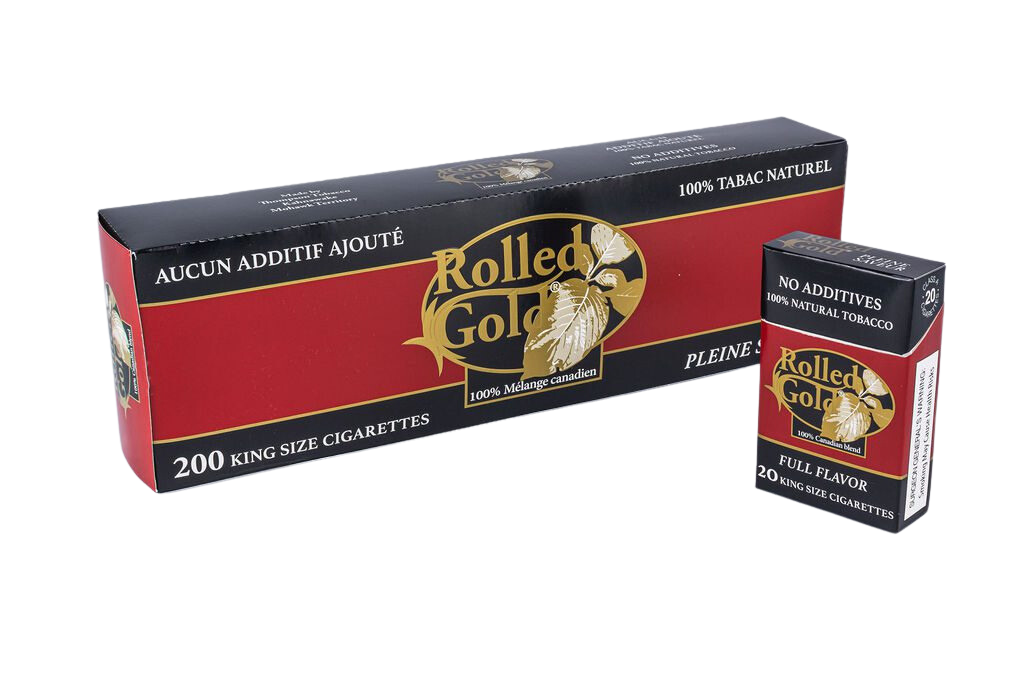
⭐ Excluded: BB light Manitoba, BB full Manitoba, Chanel Blueberry, Chanel ice. See all 29+ native brands at Cigstore.ca.
🚚 Delivery Across Canada – $29 Flat Rate
We ship to every province and territory using Canada Post, Purolator, FedEx, and UPS. Orders over $290 qualify for FREE shipping. Age verification (19+) required upon delivery.
📦 Same-day dispatch for orders before 2 PM EST. Tracking provided within 24 hours.
📚 You Might Also Enjoy These Articles
History of Smoking in Canada
From 1950s magazine ads to plain packaging today.
Most Famous Canadian Cigarette Slogans
From “More doctors smoke Camels” to plain packaging.
Most Controversial Cigarette Advertising Campaigns
Joe Camel, light cigarettes, and more.
When Did Filterless Cigarettes Start Disappearing?
The decline of the plain cigarette.
How Cigarettes Were Advertised in Canadian Magazines
From doctor endorsements to plain packaging.