
How Smoking Affects the Endocrine System
The Thyroid and Adrenal Glands: Hormonal Disruption from Cigarettes
⚠️ CRITICAL MEDICAL DISCLAIMER: This article is for educational purposes only and is not a substitute for professional medical advice. Endocrine disorders require diagnosis and treatment by a qualified endocrinologist. If you have concerns about your thyroid, adrenal function, or other hormonal issues, please consult a healthcare provider.
🧬🚬 The endocrine system is a complex network of glands that produce and secrete hormones, regulating everything from metabolism and growth to stress response and reproduction. Cigarette smoking has profound effects on this delicate system, particularly on the thyroid and adrenal glands. From altering thyroid hormone levels to triggering autoimmune thyroid disease and disrupting the body’s stress response, smoking’s impact on endocrinology is often overlooked. This article reviews the scientific evidence on how smoking affects the thyroid gland, the adrenal glands, and overall hormonal health.
🦋 The Thyroid Gland: What It Does and How Smoking Affects It
The thyroid produces T4 (thyroxine) and T3 (triiodothyronine), which regulate metabolism, heart rate, body temperature, and more.
TSH (thyroid-stimulating hormone) from the pituitary gland controls thyroid function .
Smoking affects thyroid function through several mechanisms, including direct toxic effects, modulation of the immune system, and interference with hormone metabolism .
- 📉 Reduced TSH: Smoking has been associated with lower serum TSH levels .
- 📈 Altered T4 and T3 metabolism: Smokers often have lower T4 levels and altered T3 metabolism .
- ⚠️ Thiocyanate effect: Cigarette smoke contains thiocyanate, which inhibits iodine uptake by the thyroid, potentially leading to goiter and hypothyroidism .
- 🔄 The complex relationship: The effects of smoking on thyroid function are “paradoxical and bidirectional” — different studies show different effects depending on population and smoking intensity .
⚠️ Smoking and Graves’ Disease (Hyperthyroidism)
Smoking is the most significant environmental risk factor for Graves’ disease — an autoimmune cause of hyperthyroidism.
Smokers have a 5-10x higher risk of developing Graves’ disease .
Graves’ disease is an autoimmune disorder in which the immune system attacks the thyroid, causing it to produce excess thyroid hormone. The link between smoking and Graves’ disease is one of the strongest environmental associations in endocrinology .
- 🚬 5-10 fold increased risk: Smokers are 5 to 10 times more likely to develop Graves’ disease than non-smokers .
- ⚙️ Immune modulation: Smoking alters immune function, triggering the production of thyroid-stimulating immunoglobulins (TSI) .
- 🔬 Direct thyroid effects: Thiocyanate and other chemicals in cigarette smoke directly affect the thyroid gland .
- 📉 Dose-response effect: The risk increases with the number of cigarettes smoked per day .
📖 Clinical note: Patients with Graves’ disease who smoke have a poorer response to antithyroid medications and higher relapse rates after stopping treatment.
👁️ Thyroid Eye Disease (TED): The Smoking Link
Thyroid Eye Disease (TED, also called Graves’ ophthalmopathy) is an autoimmune condition affecting the tissues around the eyes. It occurs in approximately 25-50% of patients with Graves’ disease . Smoking is the strongest risk factor for developing TED .
- 🔴 5-20x increased risk: Smokers have an up to 20-fold increased risk of developing TED compared to non-smokers .
- 📈 Dose-response relationship: The risk increases with the number of cigarettes smoked daily. Even light smokers (fewer than 5 cigarettes/day) have significantly elevated risk .
- ⏳ Earlier onset: Smokers with TED develop the condition at a younger age .
- 💊 Worse treatment outcomes: Smokers have poorer responses to steroid therapy and radiation, higher rates of optic nerve compression, and are more likely to require surgical intervention .
- 🚭 Quitting helps: Smoking cessation reduces the risk of TED development and progression, though the risk may remain elevated for years after quitting .
⚠️ Key takeaway: For patients with Graves’ disease, continuing to smoke is one of the most significant risk factors for developing sight-threatening thyroid eye disease. Smoking cessation should be strongly recommended to all Graves’ disease patients.
🩺 Smoking and Hashimoto’s Thyroiditis (Hypothyroidism)
The relationship between smoking and autoimmune hypothyroidism (Hashimoto’s thyroiditis) is more complex. While smoking increases the risk of Graves’ disease, some studies suggest it may protect against the development of thyroid peroxidase antibodies (TPOAb) — the hallmark of Hashimoto’s disease .
- 📉 Lower TPOAb levels: Multiple studies have found that smokers have significantly lower levels of TPO antibodies compared to non-smokers .
- ⚠️ Paradoxical effect: This suggests smoking may have a protective effect against the development of autoimmune hypothyroidism — a “hormetic” effect where low-dose toxins paradoxically suppress certain immune responses .
- 💡 But not benign: Despite lower TPOAb, smokers do not have better thyroid function overall. The direct toxic effects of smoking on the thyroid likely offset any immune benefit.
📖 Important note: The “protective” effect on TPOAb does NOT mean smoking is safe for the thyroid. Smoking still causes direct thyroid damage through thiocyanate inhibition of iodine uptake .
⚡ The Adrenal Glands: Stress, Cortisol, and Smoking
The adrenals produce cortisol (stress hormone), aldosterone (blood pressure regulation), and adrenaline (fight-or-flight response).
Smoking chronically dysregulates adrenal function .
Nicotine is a potent stimulant of the hypothalamic-pituitary-adrenal (HPA) axis, leading to increased cortisol secretion. Over time, chronic smoking leads to dysregulation of this system .
- 📈 Acute cortisol increase: Smoking a single cigarette acutely increases cortisol levels .
- 🔄 Chronic dysregulation: Long-term smokers have altered cortisol rhythms and blunted responses to stress .
- 😔 Adrenal fatigue connection: Chronic HPA axis activation may contribute to symptoms of burnout and fatigue in long-term smokers .
- 📉 Withdrawal effects: During smoking cessation, cortisol levels can fluctuate, contributing to withdrawal symptoms and mood changes .
🔄 Other Endocrine Effects of Smoking
Beyond the thyroid and adrenals, smoking affects several other endocrine systems:
- 🩸 Insulin and diabetes: Smoking increases insulin resistance and is a major risk factor for type 2 diabetes. Smokers have a 30-40% higher risk of developing diabetes than non-smokers .
- 💪 Testosterone: Smoking affects male reproductive hormones, with mixed evidence on testosterone levels. Some studies show increased testosterone, others decreased — but smoking clearly impairs fertility .
- 🌸 Estrogen: Smoking affects estrogen metabolism, contributing to earlier menopause (1-2 years earlier), increased menopausal symptoms, and altered bone density .
- 🩹 Vitamin D metabolism: Smokers have lower vitamin D levels, which affects calcium absorption and bone health .
✅ Clinical Implications: What You Can Do
- 🚭 Quit smoking — the single most important intervention. Smoking cessation reduces the risk of Graves’ disease, improves treatment outcomes, and may lower TED progression .
- 🩺 Monitor thyroid function regularly. Smokers — especially those with a family history of autoimmune thyroid disease — should have regular TSH and thyroid antibody testing .
- 💊 Be honest with your endocrinologist about your smoking history. Smoking status affects treatment decisions for Graves’ disease and thyroid eye disease.
- 🌱 Consider alternative stress management. Instead of reaching for a cigarette, try exercise, meditation, or other non-pharmacologic stress reduction techniques.
- 📞 If you have Graves’ disease, quitting smoking is urgent. The risk of developing sight-threatening thyroid eye disease is substantially elevated in smokers.
📦 Native Cigarettes: No Difference in Endocrine Disruption
All tobacco smoke disrupts the endocrine system — regardless of brand or source. Native cigarettes (Playfare, Canadian, DuMont, Nexus, Rolled Gold) contain the same nicotine, thiocyanate, and endocrine-disrupting chemicals as commercial brands .
- 💰 Cost savings: Native cigarettes cost $29-50 per carton — compared to $140-180 for commercial brands — a savings of 70-80%.
- 🚫 Not “healthier” for your hormones: Native cigarettes cause the same thiocyanate inhibition of iodine uptake, HPA axis dysregulation, and immune modulation as any other cigarette.
- 📦 Online delivery: Cigstore.ca ships to every province and territory with $29 flat shipping (free over $290).
- 🩺 Medical note: If you have thyroid disease, Graves’ disease, or are concerned about endocrine health, no form of smoking is safe — regardless of brand or price. Quitting is the only effective intervention.
🔥 Top 5 Native Cigarettes for Canadian Smokers




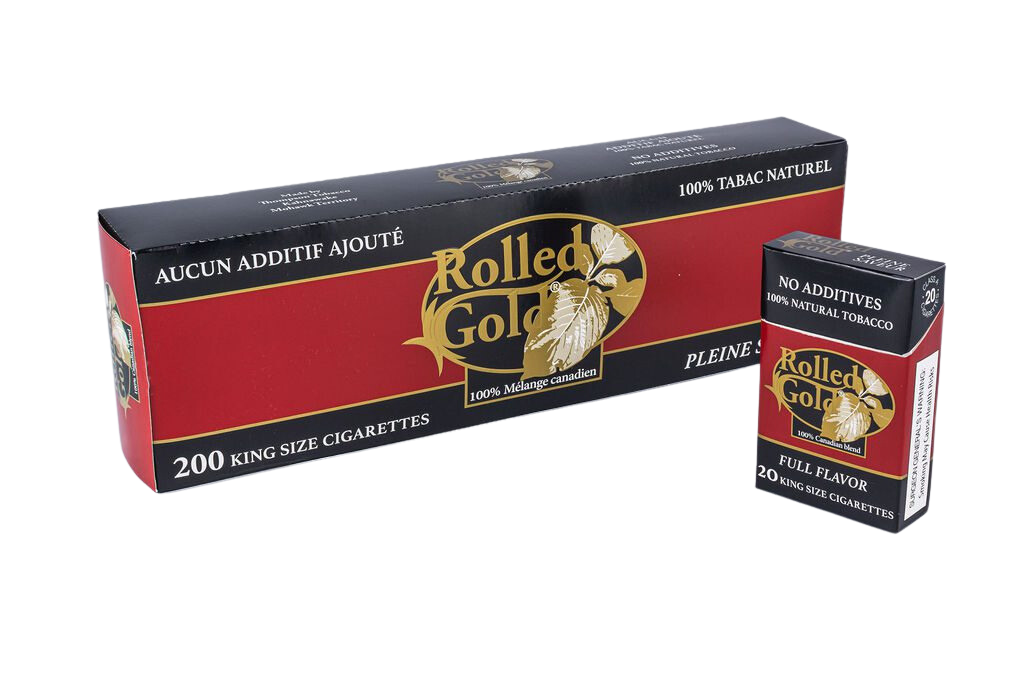
⭐ Excluded: BB light Manitoba, BB full Manitoba, Chanel Blueberry, Chanel ice. See all 29+ native brands at Cigstore.ca.
🚚 Delivery Across Canada – $29 Flat Rate
We ship to every province and territory using Canada Post, Purolator, FedEx, and UPS. Orders over $290 qualify for FREE shipping. Age verification (19+) required upon delivery.
📦 Same-day dispatch for orders before 2 PM EST. Tracking provided within 24 hours.
📚 You Might Also Enjoy These Articles
Smoking and Stress: The Neuroscience
Why nicotine feels calming (and why it’s a trap).
Smoking and Testosterone
Effects on men’s health and performance.
Smoking and Contraception
Hormonal interactions and risks.
Smoking During Pregnancy
Risks to fetus and newborn.
How Smoking Affects Your Skin, Hair, and Nails
The visible effects of tobacco on your body.