
How Smoking Changes the Perception of Time
Nicotine, Dopamine, and the Brain’s Internal Clock
⏳🚬 Why does a 5-minute smoke break sometimes feel like seconds — and why does waiting for your next cigarette feel like an eternity? The answer lies in the brain’s internal clock. Nicotine, through its effects on dopamine and acetylcholine, can speed up or slow down subjective time perception. This article explores the neuroscience of time distortion, the role of reward prediction errors, and why smoking can make you feel like time is racing — or crawling.
⏱️ The Brain’s Internal Clock: How We Perceive Time
• Time perception is a construction of the brain — not a passive recording.
• The basal ganglia and dopamine neurons are central to interval timing.
• Nicotine is a potent modulator of this system — a “master key” to your internal clock.
Time perception is not a passive recording of external events — it is an active construction of the brain. The brain’s “internal clock” relies on dopamine-producing neurons in the basal ganglia and the suprachiasmatic nucleus. This clock can be sped up or slowed down by neurochemicals, particularly dopamine.
- 📈 Dopamine speeds up the clock: Higher dopamine levels make the brain’s internal pacemaker tick faster, causing subjective time to pass more quickly .
- 📉 Low dopamine slows down the clock: Low dopamine levels cause subjective time to drag — minutes feel like hours.
- ⚡ Arousal and attention: When you’re highly focused on a task (or a cigarette), time seems to fly. When you’re bored or waiting, time drags.
- 🧬 Nicotine is a potent modulator of both dopamine and acetylcholine — making it a master key to your brain’s timekeeping system.
📖 From the neuroscience literature (Frontiers in Neural Circuits, 2019): “Nicotine-mediated nAChRs desensitization potentially enhances the DA response to environmental cues encountered by a smoker.”
⚡ How Nicotine Accelerates Subjective Time
Studies show that nicotine increases the speed of the internal clock .
This makes short intervals feel longer than they actually are.
A 5-minute smoke break can feel subjectively shorter — often much shorter.
Research consistently shows that nicotine acts as a clock-speed enhancer. In a classic study on interval timing, acute nicotine was found to increase the speed of the internal clock, making subjective time pass more quickly . This effect is mediated through nicotinic interactions with the nigrostriatal dopamine system .
- ⏱️ Time compression: Smokers often report that a cigarette break feels like it’s over almost as soon as it began. This is the clock-speed enhancing effect of nicotine.
- 🎯 Focused attention: The act of smoking also captures your attention. The ritual of lighting, inhaling, and exhaling occupies your mind, further compressing subjective time.
- 🔄 The result: A 5-minute smoke break feels subjectively shorter — often much shorter. Smokers are surprised that their “quick break” actually took 10 minutes.
- 📊 Supporting evidence: A 2007 study by Meck found that acute nicotine potentiates clock-speed, and that this effect is enhanced by other substances like ethanol .
📖 From Hinton & Meck (1996): “Nicotinic interactions with the nigrostriatal dopamine system suggest a possible physiological mechanism for the observed increase in clock speed.”
🧠 Nicotine, Dopamine, and Reward Prediction Errors
Nicotine enhances dopamine (DA) response to rewarding events.
This creates a “temporal distortion” — rewarding stimuli feel more intense and time seems to fly.
Nicotine may disproportionately boost the value of large rewards over small ones .
A 2019 computational model of the Ventral Tegmental Area (VTA) — the brain’s reward hub — revealed a sophisticated mechanism for time distortion. Nicotine desensitizes α4β2-nicotinic receptors on VTA GABA neurons, which in turn disinhibits dopamine neurons . This results in an enhanced dopamine response to rewarding events .
- 🔁 Reopening the window: Nicotine “reopens the window on previously learned rewarding stimuli,” making positive error signals apparent again .
- 📈 Disproportionate boosting: The model predicts that nicotine disproportionately boosts dopamine signals for large rewards vs. small rewards .
- 🔄 Behavioral rigidity: This can lead to “exploitative behavior” — an apparent behavioral rigidity where smokers focus on over-biased large reward choices .
- 📊 Human studies: Human studies have indeed suggested increased reward sensitivity in smokers and an increase in exploitation vs. exploration .
📖 From Frontiers in Neural Circuits (2019): “Nicotine exposure could potentially bias choices toward big rewards… resulting in a pathologically increased reward sensitivity to large vs. small rewards in decision-making.”
🐢 Withdrawal: When Time Stands Still
Dopamine levels drop → internal clock slows down.
Waiting for your next cigarette feels like an eternity.
This is a major driver of continued smoking: the need to “reset the clock.”
When nicotine levels drop, dopamine levels fall. The internal clock slows down, making subjective time stretch. A 30-minute wait for the next smoke can feel like an hour.
- 📉 The dopamine trough: As nicotine is metabolized (half-life ~2 hours), dopamine levels fall. The brain’s internal clock slows down.
- ⏱️ Time dilation: Withdrawal states produce underestimation of time intervals — meaning subjects judge a fixed interval (e.g., 30 seconds) as shorter than it actually is, or they feel that time is passing slowly.
- 😫 Increased interoceptive awareness: Withdrawal makes you more aware of bodily sensations (cravings, irritability, restlessness). This heightened self-focus makes time feel even slower.
- 🔄 The result: A 30-minute wait for the next smoke feels subjectively longer — sometimes excruciatingly so. This is a major driver of continued smoking: the need to “reset the clock.”
🔄 The “Reset Button”: How Smoking Normalizes Time Perception
Smoke → dopamine surge → time speeds up → cigarette ends → dopamine drops → time slows down → craving builds → smoke again → reset.
Smoking acts as a “temporal reset button.” A cigarette briefly normalizes dopamine levels, returning time perception to baseline. This is one reason smokers feel “out of sync” when they quit.
- ⏱️ Baseline perception: A non-smoker’s dopamine levels are relatively stable. They perceive time accurately.
- 📉 The smoker’s baseline is withdrawal: Between cigarettes, a smoker is in mild withdrawal, with dopamine levels below baseline. Time feels slower.
- ⚡ The cigarette restores dopamine to baseline: This feels subjectively like a “speed-up” — but it’s actually a return to normal.
- 🔄 The trap: Smokers become dependent on cigarettes to “regulate” their sense of time. Without nicotine, the dopamine trough persists, and time feels agonizingly slow — a major reason quitting is so hard.
💸 Temporal Discounting: Why Smokers Prefer Immediate Rewards
Smokers show elevated temporal discounting — they devalue future rewards more steeply than non-smokers .
This is linked to dopaminergic dysfunction in the brain’s reward system.
Temporal discounting is the tendency for rewards to lose subjective value as their delivery is delayed in time. Current and dependent smokers are distinguished from non-dependent smokers in showing elevated temporal discounting of monetary reward .
- 📊 The data: Smokers discount future rewards at 2-3 times the rate of non-smokers. A $100 reward in 1 year is worth only $30-50 to a smoker (vs. $70-80 to a non-smoker).
- 🧠 Dopamine’s role: Nicotine’s effect on dopamine may underlie this increased discounting. A 2012 study found that dopamine D2/D3 agonism did not affect temporal discounting in smokers, suggesting the mechanism is complex .
- 🔄 The cycle: Steeper discounting makes it harder to quit because the future health benefits are devalued compared to the immediate reward of a cigarette.
- 📉 Implications for quitting: Smokers who discount future rewards more steeply are less likely to succeed in cessation attempts .
🧬 Chronic Effects: How Long-Term Smoking Changes the Brain’s Time Circuits
Chronic nicotine exposure durably affects dopamine release in the striatum .
This likely affects a wide range of decision processes — including time perception and reward sensitivity.
Long-term smoking doesn’t just cause temporary time distortion — it can durably alter the brain circuits underlying time perception. A 2024 study found that the time spent in resting-state brain states changes after treatment for nicotine dependence, suggesting that these circuits are “malleable and responsive to treatment strategies” .
- 🧠 Resting-state changes: Following treatment, individuals spent less time in default mode and dorsal attention network states, and more time in frontoparietal and salience network states .
- 🔄 Structural alterations: Chronic nicotine exposure and withdrawal durably affect dopamine release in the striatum, affecting a wide range of decision processes .
- 📈 The good news: These changes are not permanent. Treatment can restore more normal temporal dynamics in brain networks .
📦 Native Cigarettes: Same Time Distortion, Same Dopamine Effects
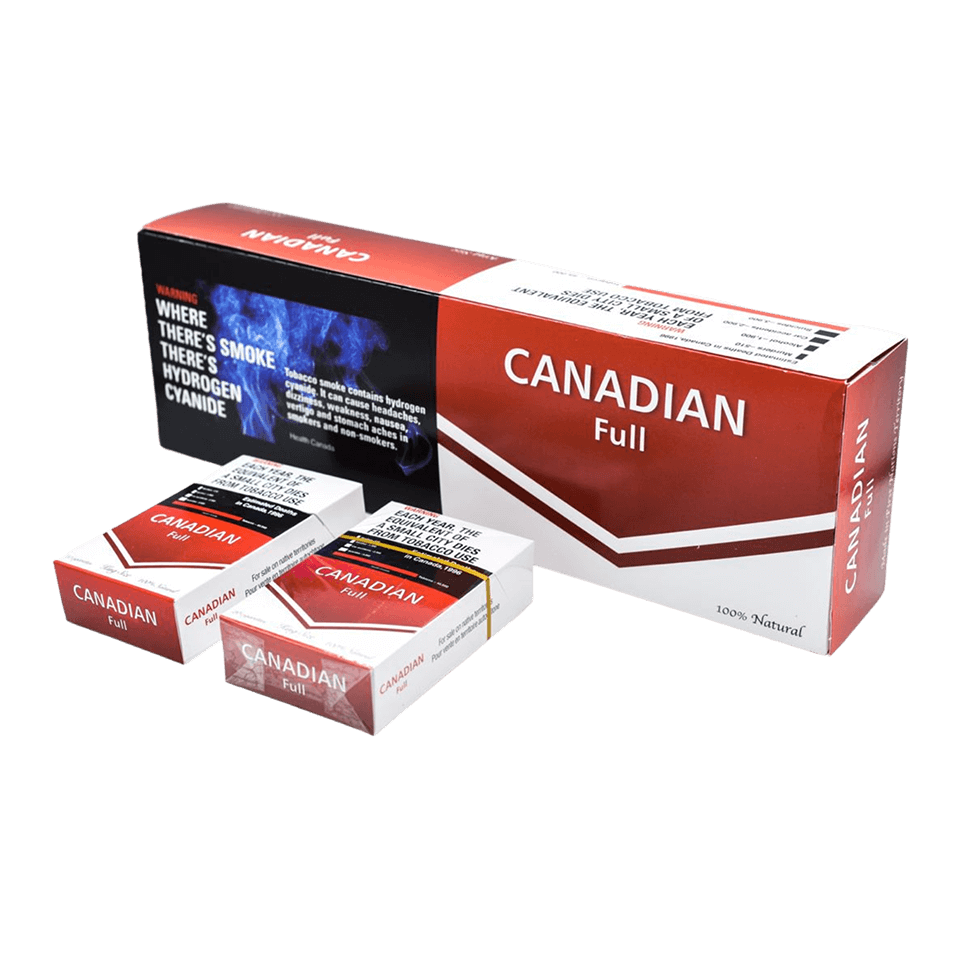
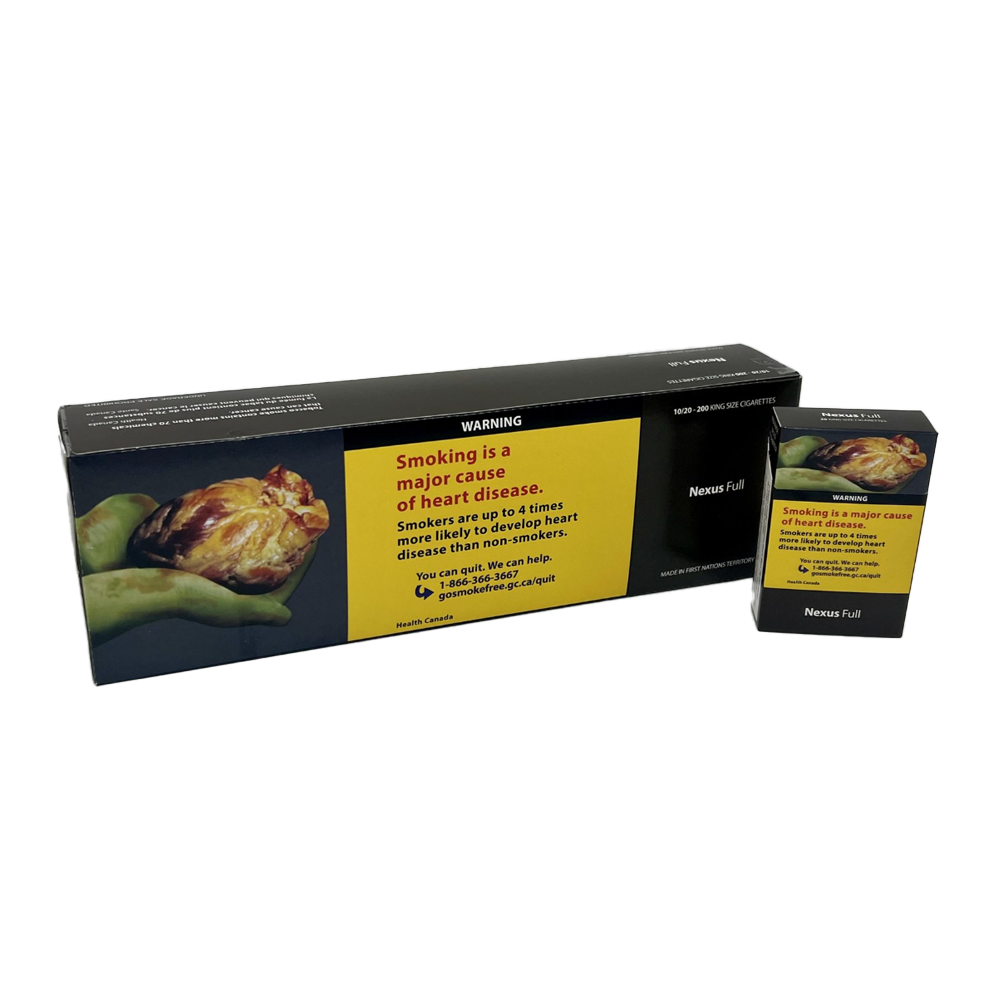
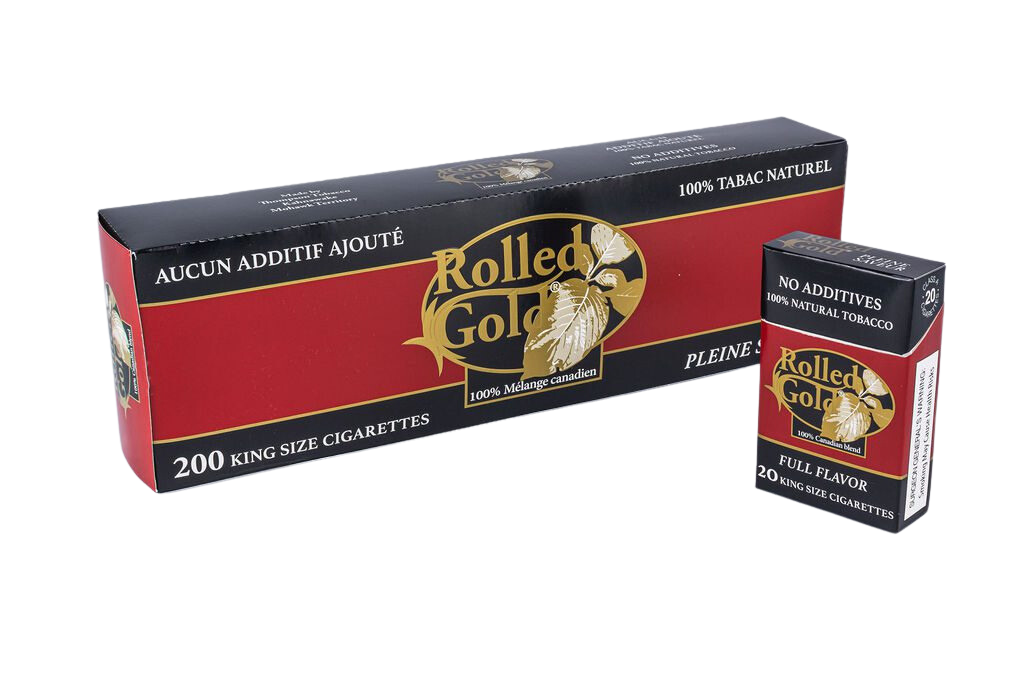
Native cigarettes (Playfare, Canadian, DuMont, Nexus, Rolled Gold) cost $29-50 per carton — compared to $140-180 for commercial brands — a savings of 70-80%. However, they contain the same nicotine and have the same effects on dopamine and time perception. The time compression you feel while smoking native cigarettes is identical to the time compression you feel while smoking commercial brands.
- 💰 Cost savings: A pack-a-day smoker saves $5,000-7,000 per year by switching to native cigarettes.
- ⏱️ Same time distortion: Nicotine is nicotine. Native cigarettes will compress time while you smoke and cause time dilation between cigarettes.
- 📦 Online delivery: Cigstore.ca ships to every province and territory with $29 flat shipping (free over $290).
- 🔄 If you quit, the time distortion will resolve — regardless of which brand you used to smoke.
🇨🇦 Resources for Smokers
- 📞 Smokers’ Helpline (1-877-513-5333): Free, confidential telephone coaching.
- 💊 Nicotine replacement therapy (NRT): Patches, gum, lozenges — safe and effective.
- 📱 QuitNow (quitnow.ca): Free app with tracking and community support.
- 🩺 Your doctor: Medications like varenicline (Champix/Chantix) and bupropion (Zyban/Wellbutrin) can help.
- 🧠 Cognitive behavioural therapy (CBT): CBT can help identify and challenge the cognitive biases that perpetuate addiction.
🔥 Top 5 Native Cigarettes for Canadian Smokers


⭐ Excluded: BB light Manitoba, BB full Manitoba, Chanel Blueberry, Chanel ice. See all 29+ native brands at Cigstore.ca.
🚚 Delivery Across Canada – $29 Flat Rate
We ship to every province and territory using Canada Post, Purolator, FedEx, and UPS. Orders over $290 qualify for FREE shipping. Age verification (19+) required upon delivery.
📦 Same-day dispatch for orders before 2 PM EST. Tracking provided within 24 hours.
📚 You Might Also Enjoy These Articles
Smoking and Stress: The Neuroscience
Why nicotine feels calming (and why it’s a trap).
Why We Smoke When We Drink Coffee or Alcohol
The neuroscience of pairing.
The “One More Loop”
Why it’s so hard to stop after the first cigarette.
How Smoking Changes the Perception of Time
Nicotine, dopamine, and the brain’s internal clock.
Why Smokers Overestimate Their Ability to Quit
The ‘optimism of addiction’.