
How Smoking Rooms for Patients Existed in Canadian Hospitals
A History of Ashtrays, Addiction, and the Slow March Toward Smoke-Free Care
🏥🚬 It seems almost unbelievable today, but there was a time when patients smoked freely in Canadian hospitals — in their beds, in waiting rooms, even in oxygen therapy wards. Ashtrays were as common as bedpans. Cigarettes were handed out to patients like after-dinner mints, and in some psychiatric units, they were used as behavioural incentives [citation:8]. Smoking rooms for patients — small, poorly ventilated spaces where the air was thick with blue-grey smoke — were standard features of hospitals well into the 1990s. This article traces the forgotten history of indoor hospital smoking in Canada: from the smoke-filled hallways of the 1960s, to the first restricted areas in the 1970s, to the controversial designated smoking rooms (DSRs) of the 1980s and 90s, and finally to the 100% smoke-free campuses of today.
⏳ The Era Before Regulations: Smoke Everywhere (Pre-1970s)
For most of the 20th century, smoking in hospitals was not only permitted — it was expected. Doctors and nurses smoked at their stations. Visitors lit up in waiting rooms. Patients smoked in their beds, sometimes while receiving oxygen therapy (with predictably disastrous results).
- 📜 No health warnings: Before the 1964 Surgeon General’s report linking smoking to lung cancer, hospitals had little reason to restrict smoking. Cigarettes were seen as a comfort, not a hazard.
- 🚬 Cigarette vending machines: Many Canadian hospitals had cigarette vending machines in lobbies and cafeterias. The Jewish General Hospital in Montreal only banned tobacco sales on its premises in March 1969 — making it one of the rare hospitals to take such a step at the time [citation:1].
- 🔥 Fire hazards: The first restrictions were not about health — they were about fire safety. Patients smoking while using oxygen caused numerous fires and deaths, prompting initial limited bans [citation:2][citation:7].
- 👩⚕️ Staff smoking: Healthcare workers smoked alongside patients. A 1976 study of Canadian hospitals found that 66% had some form of smoking policy — but enforcement was lax, with 56% reporting policies were only “partially enforced” [citation:3].
📅 The 1970s: The First “No Smoking” Signs Appear
Dr. Richard Margolese, who would later become Chief of Oncology, wrote an impassioned letter arguing that “the medical profession bears a responsibility to lead the public both by education and by example.” The hospital’s Board of Directors agreed: as of March 1, 1969, tobacco could not be sold anywhere within the hospital [citation:1]. This made the JGH one of the rare healthcare institutions in Montreal to adopt such a policy.
Signs began appearing: “Please, for patient comfort, health and fire safety, do not smoke in patient or other restricted areas.” Areas off limits included corridors, elevators, theatres, and units housing patients with respiratory problems. Patients and staff were encouraged to smoke only in designated lounges. However, enforcement relied on “social pressure and voluntary co-operation” — not coercion [citation:7].
A 1976 study found that 66% of Canadian hospitals had some form of smoking policy. Smoking was prohibited on 47% of psychiatric wards, 45% of maternity wards, 37% of general wards, and 60% of out-patient departments. In 85-90% of heart and chest wards, smoking was prohibited [citation:3]. However, enforcement remained inconsistent.
🏚️ The 1980s: The Rise of Designated Smoking Rooms
By the 1980s, the medical evidence against smoking was overwhelming, and public pressure was mounting. But hospitals faced a dilemma: how do you ban smoking for addicted patients, especially in psychiatric wards, without causing withdrawal symptoms or aggression? The compromise was the designated smoking room (DSR).
- 🔧 Specially ventilated rooms: Smoking rooms were typically small, poorly ventilated spaces where patients and sometimes staff could smoke. They were often located at the end of wards [citation:4].
- 🛏️ Exceptions for bedridden patients: Even as smoking was banned in most patient rooms, exceptions were made for bedridden patients. At St. Joseph’s Hospital in Sarnia in 1986, hospital leadership admitted that “the hospital will make an exception to the policy in the case of a bedridden patient” — the cigarette would come to them [citation:8].
- 😤 The problem of smoke leakage: Despite ventilation systems, smoke leaked out of DSRs when patients and staff entered and exited. Non-smoking staff were exposed when they were obliged to enter the rooms to provide patient care or clean. A test with a carbon monoxide detector confirmed this hazard [citation:4].
📖 From the Sarnia Observer, March 19, 1986: “Smokers at St. Joseph’s Hospital may be told to butt out, get out or pay a fine of up to $1,000… The new policy means smoking will only be allowed in the hospital’s main lobby and designated smoking areas in the cafeteria. The previous policy allowed smoking in patient rooms, provided all the patients were smokers, as well as waiting areas.” [citation:8]
🧠 The Psychiatric Hospital Exception: Smoking as “Therapy”
Psychiatric and forensic hospitals were the last holdouts for indoor smoking in Canada. For decades, administrators argued that patients with serious mental illness could not tolerate smoking bans — that cigarettes were a “necessary coping mechanism” and a “behavioural incentive.”
- 📋 The 1994 Ontario Tobacco Control Act: When this act banned smoking in all government buildings, large psychiatric facilities (including the Mental Health Centre Penetanguishene) sought and received special dispensation to allow patients and some staff to smoke in specially ventilated rooms [citation:4].
- 💨 Smoking gazebos: The Penetanguishene hospital constructed seven “smoking gazebos” outside various buildings for patients and staff to use as an alternative to indoor smoking rooms [citation:4].
- 💰 The cost of accommodation: Between 60-80% of patients at Penetanguishene had to be escorted outside by staff to smoke — at least five times per day. The annual cost was estimated at $500,000 for the maximum-security building alone [citation:4].
- ⚖️ The ethical question: As one hospital administrator asked: “Can a healthcare facility ethically favour a harmful activity (smoking) over beneficial therapies such as recreation and education?” [citation:4]
📖 From the Mental Health Centre Penetanguishene (2003): “Can individual clinicians, all of whom belong to professional colleges that instruct their members to do their patients no harm, ethically facilitate smoking? Given the health and safety, operational and ethical issues surrounding smoking, MHCP made the only responsible decision and banned smoking in hospital buildings and on the grounds.” [citation:4]
📜 1991: The Canadian Medical Association’s Position
By 1991, the Canadian Medical Association (CMA) had taken a clear stance. In its annual “Smoking and Health” update, the CMA made the following recommendations for hospitals and other health care institutions:
- 🏥 Hospitals should prohibit smoking by staff and visitors.
- 🚬 Smoking by patients should be discouraged and allowed only in designated areas.
- 🩺 Physicians should prohibit smoking in patient areas, including waiting rooms.
- 🚭 The CMA advocated for the prohibition of all forms of tobacco advertising and promotion in Canada [citation:5][citation:9].
This marked a turning point: the medical establishment was no longer ambivalent about smoking in healthcare settings. The question shifted from “Should we restrict smoking?” to “How quickly can we eliminate it entirely?”
🔄 The Transition Years: Designated Outdoor Smoking Areas (1990s-2000s)
As indoor smoking was phased out, many hospitals created outdoor designated smoking areas (DSAs) — typically a bench, a few butt receptacles, and often a heated shelter for winter months. These were controversial from the start.
- 🚫 Proximity to entrances: Many DSAs were located near hospital entrances, forcing non-smoking patients and visitors to walk through clouds of smoke to access care [citation:2].
- 💪 Poor enforcement: A 2008 British study found that most nursing and medical staff would not enforce no-smoking policies with patients for fear of aggression. A 2017 Australian study similarly found low enforcement rates (60.9%) [citation:2].
- 🍁 The “coffee card” approach: In Medicine Hat, Alberta, hospital security offered coffee cards to smokers when informing them of smoke-free policies to lessen confrontations [citation:2].
- 🛡️ The Calgary pilot (2019): Foothills Medical Centre created a designated smoking area away from the main entrance as a pilot project. There was no signage — “partly not to undermine the overall policy measures on our sites that are smoke-free” [citation:2].
📊 A 2019 Alberta Health Services audit identified at least 35 patients who suffered death or serious injury as a result of smoking while using oxygen. [citation:2]
🚭 The Final Ban: 100% Smoke-Free Hospital Campuses (2000s-2020s)
The Calgary health region became the first in Canada to have smoke-free hospital grounds — a historic precedent [citation:2].
After years of operating with designated smoking rooms and outdoor gazebos, this 291-bed psychiatric hospital announced it would become “100% smoke-free” as of May 6, 2003. No smoking was allowed anywhere on its 225-acre grounds [citation:4].
Capital Health, serving 1.6 million people across 18 hospitals, decided to close all smoking rooms, ban smoking in outdoor areas, and stop all sales of tobacco products in its facilities. A regional health authority called this decision “arguably a regional health authority’s most profound opportunity for health promotion” [citation:10].
PEI became the first Canadian province to prohibit smoking on hospital property, although a psychiatric hospital was exempted with an outdoor designated smoking area for patients only [citation:6].
Alberta proclaimed a new law with fines of $1,000 for a first offence and $5,000 for a second for smoking on hospital property [citation:2].
📊 Then vs. Now: How Hospital Smoking Policies Have Changed
| Aspect | 1960s-1970s | 1980s-1990s | Today (2026) |
|---|---|---|---|
| Patient smoking | Allowed in patient rooms, even with oxygen in some cases | Restricted to designated smoking rooms (DSRs) | Prohibited entirely on hospital grounds |
| Staff smoking | Allowed in lounges, offices | Restricted to DSRs or outdoor areas | Prohibited on hospital grounds |
| Visitor smoking | Allowed in waiting areas, hallways | Restricted to DSRs or outdoor areas | Prohibited on hospital grounds |
| Cigarette sales | Vending machines in lobbies, cafeterias | Phased out in most hospitals | Prohibited entirely |
| Psychiatric exceptions | Few restrictions | Special DSRs allowed (e.g., Penetanguishene) | Most psychiatric hospitals now smoke-free |
| Enforcement | Largely voluntary, social pressure | Inconsistent; fear of patient aggression | Fines ($1,000-$5,000), security, police |
⏰ Why Did It Take So Long to Eliminate Hospital Smoking Rooms?
Looking back, it seems obvious that hospitals — institutions dedicated to healing — should be smoke-free. But the transition took decades for several reasons:
- 🚬 Addiction is powerful: Hospitalized smokers, especially those in long-term or psychiatric care, experience severe nicotine withdrawal. Administrators feared that banning smoking would lead to patient aggression, elopement, or non-compliance with treatment [citation:2][citation:4].
- 💉 Lack of cessation support: In the 1970s and 80s, nicotine replacement therapy (NRT) was not widely available. Hospitals had few tools to help addicted patients cope with withdrawal.
- ⚖️ Fear of legal challenges: Some hospitals worried that patients might have a “right to smoke” or that bans would violate human rights codes (particularly for psychiatric patients). These fears largely proved unfounded [citation:6].
- 😔 Staff complicity: Many nurses and doctors themselves smoked. It was difficult to enforce rules against patients when staff smoked in the same spaces [citation:4].
- 📉 Incremental change: Most hospitals moved slowly — from unrestricted smoking, to restricted areas, to DSRs, to outdoor areas, to complete bans. Each step faced resistance.
🏛️ The Legacy: What We Learned
The history of smoking rooms in Canadian hospitals teaches us several important lessons:
- ✅ Total bans are possible: Despite fears of patient aggression and non-compliance, hospitals that implemented 100% smoke-free policies found that most patients adapted within weeks [citation:4].
- 🩺 Cessation support is essential: Successful transitions required offering nicotine replacement therapy (NRT), counselling, and sometimes gradual reduction plans [citation:10].
- ⚖️ Laws matter: As the Canadian Cancer Society noted, “Having a law matters. It has more teeth than just a policy” [citation:2]. Provincial legislation banning smoking on hospital grounds was the final step.
- 🌱 Cultural change takes time: It took nearly 50 years to go from smoke-filled hallways to 100% smoke-free campuses. But the change happened — and today, the idea of lighting a cigarette inside a hospital sounds completely bizarre [citation:8].
📦 Native Cigarettes Today: A Note for Smokers
While you cannot smoke anywhere in Canadian hospitals today, many smokers have turned to affordable native cigarettes (Playfare, Canadian, DuMont) for their daily use. A carton costs $35-50, compared to $140-180 for commercial brands.
- 💰 Cost savings: For smokers who have not quit, native cigarettes save $5,000-7,000 per year.
- 🚭 Hospital policy reminder: Native cigarettes are still cigarettes — they cannot be smoked on hospital grounds, in hospital parking lots, or within 9 metres of hospital entrances in most provinces.
- 🩺 If you are a patient: Many hospitals offer free nicotine patches and gum to help you cope with withdrawal during your stay. Ask your nurse.
- 📦 Order before admission: If you know you will be hospitalized, consider ordering native cigarettes in advance for after your discharge — but never try to smoke them in your hospital room.
🔥 Top 5 Native Cigarettes for Canadian Smokers




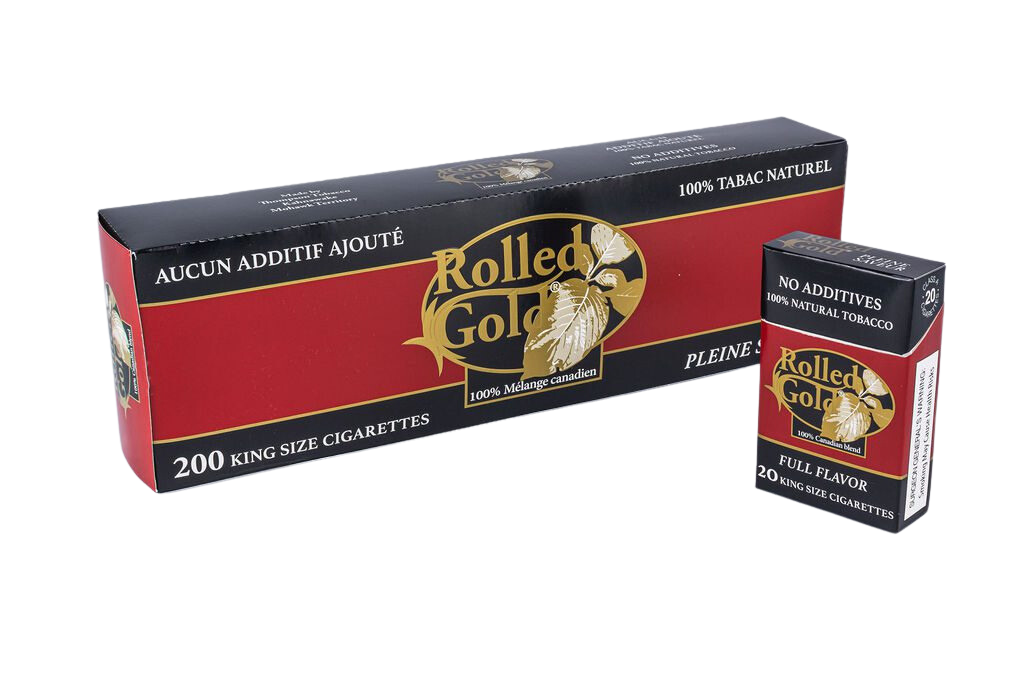
⭐ Excluded: BB light Manitoba, BB full Manitoba, Chanel Blueberry, Chanel ice. See all 29+ native brands at Cigstore.ca.
🚚 Delivery Across Canada – $29 Flat Rate
We ship to every province and territory using Canada Post, Purolator, FedEx, and UPS. Orders over $290 qualify for FREE shipping. Age verification (19+) required upon delivery.
📦 Same-day dispatch for orders before 2 PM EST. Tracking provided within 24 hours.
🏥 Important reminder: Never bring cigarettes into a hospital. If you are a patient, ask your nurse about nicotine replacement therapy (patches, gum) to manage withdrawal during your stay.
📚 You Might Also Enjoy These Articles
History of Smoking in Canada
From 1950s magazine ads to plain packaging today.
History of Tobacco Advertising Bans in Canada
From billboards and TV commercials to blank walls.
When Did Health Warnings First Appear on Cigarette Packs?
The Canadian timeline from 1972 to today.
Why Do Nurses Smoke More Than Other Healthcare Professionals?
Stress, shift work, and the hidden crisis.
History of Smoking in Canadian Bars & Pubs
From smoke-filled taverns to clean air.