
How Smoking Affects Creativity and Creative Thinking
Myths and Reality — The Neuroscience of Nicotine and the ‘Tortured Artist’ Trope
🎨🚬 The image is iconic: a writer hunched over a typewriter, cigarette smoke curling through the lamplight. A jazz musician with a cigarette dangling from his lips. An artist with a smoke in one hand, a brush in the other. For generations, cigarettes have been associated with creativity — with the “tortured artist,” the late-night writer, the jazz poet. But does smoking actually enhance creativity? Or is the association a myth, reinforced by decades of marketing and romanticized biographies? This article explores the neuroscience of nicotine and creative cognition, examines the real-life habits of famous artists, and separates myth from reality.
🧠 The Neuroscience: How Nicotine Affects the Creative Brain
+ Attention: Improves sustained attention and vigilance.
+ Working memory: Small short-term improvement.
– Divergent thinking: Mixed evidence, no clear benefit.
– Long-term creativity: Impaired by addiction and health decline.
Nicotine is a cognitive enhancer in the short term — it improves attention, working memory, and processing speed. But does that translate to enhanced creativity? The research is mixed.
- ⚡ Attention boost: Nicotine increases arousal and focus. For tasks requiring sustained attention (e.g., editing, revising), this can be helpful.
- 📉 Divergent thinking: Divergent thinking (generating multiple solutions to an open-ended problem) is a core component of creativity. Studies on nicotine and divergent thinking show no consistent benefit — and some show impairment.
- 📉 The withdrawal trap: Much of the “creativity boost” smokers experience is actually relief from withdrawal. When you’re in withdrawal (which occurs between cigarettes), your cognitive function is impaired. Smoking returns you to baseline — not above it.
- ⚠️ Long-term costs: Chronic smoking reduces blood flow to the brain, damages blood vessels, and impairs cognitive function over time. Any short-term “boost” comes at a long-term cost.
📖 Key insight: “Nicotine improves cognitive function in smokers — but only because withdrawal impairs it. The ‘benefit’ is actually the relief of withdrawal, not a genuine enhancement beyond a non-smoker’s baseline.”
🎭 The Placebo Effect: The Ritual of Creativity
Many writers and artists report that the act of lighting a cigarette — the pause, the deep breath, the hand-to-mouth motion — is what helps them think, not the nicotine itself.
The association between smoking and creativity may be largely psychological. The cigarette break provides a structured pause — a moment to step back, breathe, and reset. This pause, not the nicotine, may be what enhances creative thinking.
- ⏸️ The power of the break: Research on creativity consistently shows that taking breaks — stepping away from a problem — improves creative problem-solving. The cigarette break is a culturally sanctioned pause.
- 🚬 The hand-to-mouth ritual: The physical act of smoking provides a repetitive, low-stakes activity that occupies the hands while the mind wanders. This can facilitate the “incubation” stage of creative thinking.
- 📉 The placebo effect: If you believe smoking helps you think creatively, it will — because of expectation, not pharmacology. This is the placebo effect in action.
- 🔄 Replacing the ritual: Many former smokers report that they can achieve the same creative “flow” by replacing the cigarette with a different ritual — drinking tea, walking, or simply stepping away from the desk.
📖 Famous Creative Smokers: Selection Bias and the Romanticized Image
We remember the famous writers, artists, and musicians who smoked — and forget the millions who didn’t. The “smoking artist” is a romanticized archetype, not a statistical reality.
- 📊 Selection bias: Many famous creatives smoked — but so did most of the population in the mid-20th century. Smoking rates were 50%+ in the 1960s. The fact that many artists smoked tells us nothing about creativity.
- 🎭 The “tortured artist” myth: Smoking is associated with suffering, angst, and rebellion — traits romanticized in the “tortured artist” archetype. This is a cultural trope, not evidence of cognitive enhancement.
- 📖 Literary examples: Writers like Hunter S. Thompson, Jack Kerouac, and Clive Barker are known for their smoking — but they are also known for their early deaths from smoking-related causes.
- ⚠️ The forgotten non-smokers: For every smoking creative, there are many non-smoking creatives. (Stephen King quit smoking. Margaret Atwood never started. J.K. Rowling? Not a smoker.)
🔄 The Withdrawal Paradox: Why Smokers Think They Need Cigarettes to Create
Withdrawal impairs cognitive function → you feel unfocused and uncreative → you smoke to relieve withdrawal → you return to baseline → you attribute the improvement to smoking.
This is the most important concept in understanding smoking and creativity. Smokers don’t realize they’re in withdrawal most of the time. The baseline non-smoker’s brain is where you want to be — but smokers never experience that baseline because they’re constantly cycling through withdrawal and relief.
- 📉 Impaired baseline: Between cigarettes, smokers are in withdrawal — which impairs attention, memory, and executive function. Their creative thinking is impaired during these periods.
- ⚡ Relief as “enhancement”: When they smoke, withdrawal is relieved. They return to a normal cognitive state. But because they experienced impaired cognition before smoking, this relief feels like a boost.
- 🧠 The non-smoker’s advantage: A non-smoker is never in withdrawal. Their baseline cognitive function is consistently higher than a smoker’s withdrawal state.
- 📊 The data: Studies comparing smokers who have just smoked vs. non-smokers show no difference in creative performance. The “boost” is an illusion.
📖 The bottom line: You don’t need cigarettes to be creative. You just need to not be in nicotine withdrawal.
📉 The Long-Term Cost: Smoking Reduces Creative Potential
Chronic smoking reduces cerebral blood flow by 10-15%.
Smokers have higher rates of cognitive decline and dementia.
Former smokers’ cognitive function improves significantly after quitting.
While smokers may experience a short-term “boost” (actually withdrawal relief), the long-term effects of smoking on the brain are unequivocally negative.
- 🩸 Reduced blood flow: Chronic smoking damages blood vessels and reduces blood flow to the brain. Less oxygen and nutrients = impaired brain function over time.
- 🧠 Cortical thinning: Long-term smoking is associated with accelerated cortical thinning — the brain’s outer layer shrinks faster than in non-smokers.
- 📉 Cognitive decline: Smokers have higher rates of age-related cognitive decline and dementia. A 50-year smoker’s brain is years older than a non-smoker’s brain of the same age.
- ✅ Quitting helps: Former smokers show cognitive improvement after quitting. Within 1-2 years, many cognitive functions return to near-baseline.
🚬 The Relapse Trigger: Fear of Losing Creativity
Many smokers who try to quit report that they relapse because they “lost their creative edge” — they couldn’t write, paint, or compose without cigarettes.
This is the withdrawal paradox in action.
One of the most common reasons for relapse among creative professionals is the belief that smoking is essential to their creative process. This belief is both false and dangerous.
- 🎭 The identity trap: If you believe “smokers are creative,” quitting feels like giving up part of your identity as an artist.
- 📉 Temporary withdrawal: During the first weeks of quitting, withdrawal can impair concentration and creative thinking. This is temporary (2-4 weeks).
- 🔄 REM rebound and dreams: Quitting often triggers vivid dreams — which some artists find creatively inspiring. This temporary effect can be reframed positively.
- ✅ Successful quitters: Many famous creatives quit smoking and continued to produce excellent work. (Stephen King is a notable example — he quit in the 1980s and wrote many of his best novels afterward.)
💡 Advice for creative smokers: The temporary cognitive fog of withdrawal lasts 2-4 weeks. Push through it. On the other side, your creative capacity will be intact — without the addiction.
🔄 Healthy Alternatives: The Ritual Without the Nicotine
If the ritual of the smoke break is what helps you think, you can replace the cigarette with a healthier ritual.
- 🍵 Herbal tea: The warmth, the steam, the act of sipping — it provides a similar pause without the toxins.
- 🌿 Deep breathing exercises: Take 3-5 deep breaths. This is what many smokers are actually doing when they “take a drag” — regulating their nervous system.
- 🚶 Short walk: Step away from your desk for 5 minutes. Walk around the block. The change of scenery enhances creative thinking.
- 🧘 Stretch break: Stand up, stretch your arms, roll your neck. Physical movement improves blood flow to the brain.
- 🖐️ Fidget tools: Keep a stress ball, a spinner ring, or a pencil to occupy your hands. The hand-to-mouth motion can be replaced.
- ☕ Replace with coffee — but be careful: Coffee is also addictive. But it’s far less harmful than cigarettes.
📦 Native Cigarettes: The Same Creativity Myth
Native cigarettes (Playfare, Canadian, DuMont, Nexus, Rolled Gold) cost $29-50 per carton — compared to $140-180 for commercial brands — a savings of 70-80%. However, they contain the same nicotine and have the same effect on creativity. If you believe smoking helps you think, switching to native cigarettes won’t change that — because the belief, not the brand, is what matters. But the underlying addiction is the same.
- 💰 Cost savings: A pack-a-day smoker saves $5,000-7,000 per year by switching to native cigarettes.
- 🧠 Same withdrawal, same “boost”: Native cigarettes will relieve withdrawal just as commercial brands do.
- 📦 Online delivery: Cigstore.ca ships to every province and territory with $29 flat shipping (free over $290).
- 🎨 If you want to be truly creative, quit. Your brain will thank you.
🇨🇦 Resources for Creative Smokers Who Want to Quit
- 📞 Smokers’ Helpline (1-877-513-5333): Free, confidential telephone coaching. Ask about creativity and cessation.
- 💊 Nicotine replacement therapy (NRT): Patches, gum, lozenges — safe and effective.
- 📱 QuitNow (quitnow.ca): Free app with tracking and community support.
- 🩺 Your doctor: Medications like varenicline (Champix/Chantix) and bupropion (Zyban/Wellbutrin) can help.
- 🎨 Artist-specific support groups: Online forums for creative professionals quitting smoking.
🔥 Top 5 Native Cigarettes for Canadian Smokers
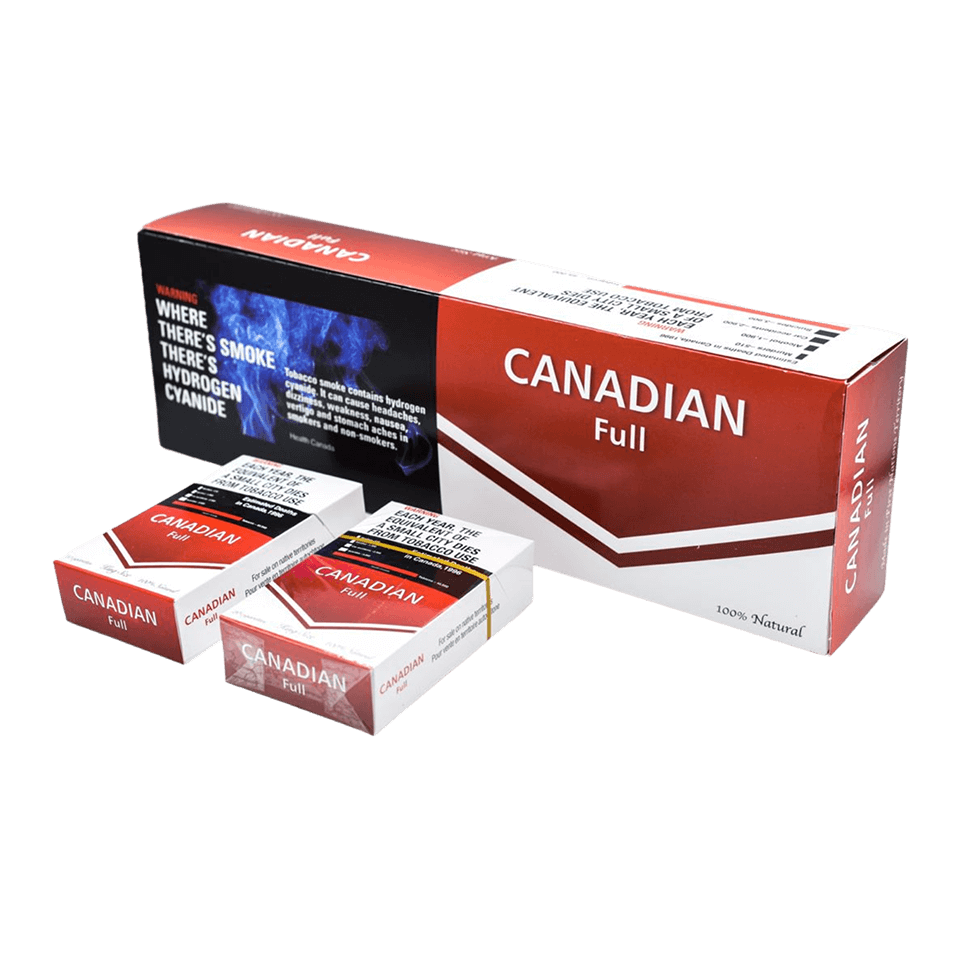



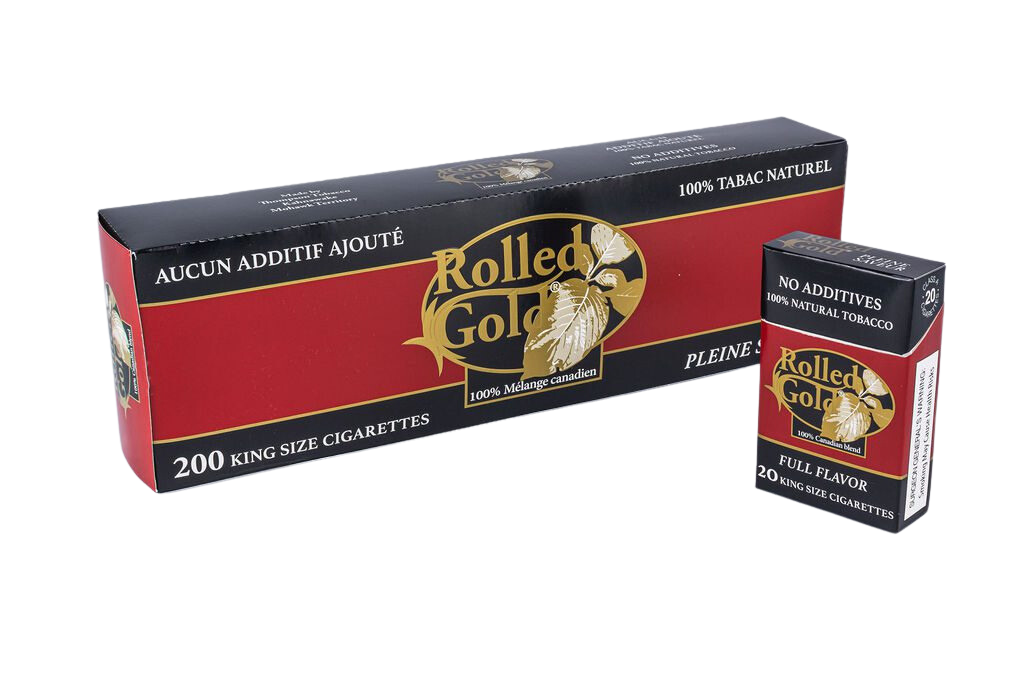
⭐ Excluded: BB light Manitoba, BB full Manitoba, Chanel Blueberry, Chanel ice. See all 29+ native brands at Cigstore.ca.
🚚 Delivery Across Canada – $29 Flat Rate
We ship to every province and territory using Canada Post, Purolator, FedEx, and UPS. Orders over $290 qualify for FREE shipping. Age verification (19+) required upon delivery.
📦 Same-day dispatch for orders before 2 PM EST. Tracking provided within 24 hours.
📚 You Might Also Enjoy These Articles
Smoking and Stress: The Neuroscience
Why nicotine feels calming (and why it’s a trap).
How Smoking Changes the Perception of Time
Nicotine, dopamine, and the brain’s internal clock.
Why Smokers Overestimate Their Ability to Quit
The ‘optimism of addiction’.
How Smoking Affects Self-Perception and Identity
The ‘smoker’ identity and its psychological grip.
The ‘One More Loop’
Why it’s so hard to stop after the first cigarette.