
Cigarettes and Jazz: The History of a Cultural Symbol
From New Orleans Speakeasies to the ‘Jazz Cigarette’ and Beyond
🎷🚬 The image is unmistakable: a dimly lit basement club, a small jazz combo on a crowded stage, and a thick pall of smoke hanging over the entire proceedings. The pianist plays with a cigarette permanently drooping from the corner of his mouth; the saxophonist wedges his cigarette in his instrument, ready for a swift drag during a few bars’ rest [citation:2]. For generations, jazz and cigarettes have been inseparable in the public imagination. But this connection runs deeper than mere stereotype. From the slang term “jazz cigarette” (a euphemism for marijuana) to the tobacco industry’s strategic embrace of jazz for market segmentation, the relationship between jazz musicians and smoking is a complex story of rebellion, creativity, addiction, and commerce.
🎷 The “Jazz Cigarette”: When a Cigarette Wasn’t a Cigarette
One of the most fascinating linguistic artifacts of the Jazz Age is the term “jazz cigarette” — which had nothing to do with tobacco. During the 1920s, as jazz music exploded in popularity, musicians and fans adopted a slang term for marijuana: the “jazz cigarette” [citation:1]. This was the same as “reefer,” “joint,” “spliff,” or “muggles” — the latter immortalized by Louis Armstrong in his 1928 recording “Muggles” [citation:2][citation:5].
- 📍 New Orleans origins: Cannabis entered the port of New Orleans, where soldiers and sailors would frequent the city’s festive nightlife. The combination of jazz music and the euphoric effects of marijuana gave rise to the nickname [citation:1].
- 🎭 The underground connection: Jazz started in marginalized spaces — brothels, nightclubs, and speakeasies — where alcohol was illegal (Prohibition, 1920-1933) and other vices flourished [citation:1][citation:5].
- 📖 Mezz Mezzrow and the ‘Vipers’: Users of marijuana were called “Vipers,” and a key figure was clarinetist Milton “Mezz” Mezzrow — a white Jewish musician who became a major supplier of the finest herb. So identified was he with the drug that “the mezzes” became a slang term for high-quality marijuana [citation:2][citation:7].
- 📜 The Viper’s Creed: Mezzrow wrote extensively about marijuana’s effects on his playing: “Tea puts a musician in a real masterly sphere… You hear everything at once and you hear it right. When you get that feeling of power and sureness, you’re inspired” [citation:2].
📖 From Mezz Mezzrow’s autobiography, “Really the Blues”: “You look down on the other members of the band like an old mother hen surveying her brood of chicks… The most terrific thing is this, that all the while you’re playing, really getting off, your own accompaniment keeps flashing through your head, just like you were a one-man band” [citation:2].
🎺 The Jazz Age: When Smoking Was Glamorous
The 1920s — the era F. Scott Fitzgerald dubbed the “Jazz Age” — was a period of postwar hedonism, sexual liberation, and cultural revolution. Jazz was its soundtrack, and the cigarette was its primary accessory [citation:5].
- 💃 The Flapper and her cigarette: The iconic image of the 1920s woman — the “flapper” with her short bob, short dress, and cigarette holder — was a symbol of gender rebellion. Tobacco companies targeted women directly with ads urging them to “reach for a lucky instead of a sweet” to stay slim [citation:5].
- 🎬 Hollywood and jazz: Jazz clubs like Harlem’s Cotton Club became hotspots where smoking and jazz intertwined. By 1927, the jazz scene had shifted to New York City, where the Cotton Club featured Duke Ellington’s orchestra and, inevitably, clouds of cigarette smoke .
- 🌍 Global spread: The jazz-cigarette nexus wasn’t confined to America. In interwar Shanghai, the British American Tobacco Company made China its largest outpost, and jazz cabarets arose to entertain foreign businessmen and elite Chinese consumers. In those cabarets, cigarettes and jazz found economic and cultural synergy [citation:8][citation:9].
- 📸 A photograph tells the story: A 1928 image captures a group of stylish young men in a dimly lit room, each holding a cigarette, swaying to a saxophone player. “This photograph is a testament to the cultural significance of jazz music and smoking during the 1920s,” notes the archival description. “Smoking was a symbol of rebellion and nonconformity” [citation:6].
🎶 The Musicians Who Paid Homage in Song
Jazz musicians didn’t just smoke marijuana — they celebrated it in their music. Countless songs from the 1920s and 1930s reference “reefers,” “muggles,” and “vipers” [citation:2][citation:7].
These songs testify both to the widespread use of marijuana among jazz musicians and their readiness to pay homage to it in their music [citation:2].
📖 Louis Armstrong’s arrest: In 1930, a year after recording “Muggles,” Armstrong was arrested in Los Angeles for marijuana possession and jailed for 10 days — until he agreed to leave California and not return for two years [citation:5][citation:10].
📦 The Cigar Box: A Humble Beginning
Before cigarettes and jazz became intertwined in the public imagination, the humble cigar box served an unexpected purpose: it gave birth to the instruments themselves.
- 🎸 Sidney Bechet’s first instrument: At age 13, legendary jazz clarinetist and saxophonist Sidney Bechet reputedly fashioned a cigar box into a crude instrument and played it in a club [citation:2].
- 🪕 Big Bill Broonzy’s homemade guitar: The bluesman told folklorist Alan Lomax: “I hung around Old Man See-See Rider till I figured out how his guitar and fiddle were made. Then I went to the commissary and they give me a cigar box… I made a fiddle out of the cigar box” [citation:2].
- 💡 Resourcefulness in poverty: Among the impoverished underclasses of the southern United States, cigar boxes were a valuable resource. Strings came from broken strings tied together from other musicians [citation:2].
📖 Big Bill Broonzy (quoted in Alan Lomax): “Way we got strings, me an Louis would go to the picnics and barrelhouses and wait for See-See Rider to break a string. We would tie them broken strings together and put them on our home-made instruments” [citation:2].
💼 Big Tobacco Meets Big Band: The Corporate Embrace of Jazz
Cigarette companies became the primary sponsors of US network radio jazz [citation:9].
The “Lucky Strike Hit Parade” was the first sponsored jazz radio show.
By the 1930s and 1940s, the tobacco industry recognized that jazz was not just music — it was a marketing opportunity. Cigarette companies became the primary sponsors of network radio jazz, shaping not only the financial viability of the genre but, through their sponsorship decisions, the music itself [citation:9].
- 📻 The Lucky Strike Hit Parade: The first sponsored jazz radio show, which set the template for corporate involvement in popular music.
- 🚫 Racial segregation in sponsorship: Because cigarette companies refused to air African American musicians on their sponsored shows, they discernibly shaped which jazz artists reached national audiences — favoring white bands over Black innovators [citation:9].
- 🎷 The Kool Music Campaign (1980s): In a later era, the Brown and Williamson tobacco firm launched its “Kool Music” campaign for its Kool brand of menthol cigarettes. Internal corporate correspondence reveals the company’s struggle to understand jazz’s “affective resonances” and its appeal to specific race and class demographics [citation:4].
- 🔄 Market segmentation: The Kool campaign highlights how jazz was used in targeted marketing. Brown and Williamson eventually abandoned the campaign when they could no longer identify a profitable demographic segment [citation:4].
📖 From the Oxford Handbook of Music and Advertising: “Jazz was a signifier of upscale consumerism… Brown and Williamson’s internal debates surrounding jazz help to make sense of the music’s later enlistment as a signifier of upscale consumerism” [citation:4].
🌫️ The Stereotype: Smoke, Saxophones, and Sincerity
The image of the jazz musician with a cigarette — sometimes tobacco, sometimes marijuana — became so pervasive that it shaped how audiences perceived the music itself. As one scholar notes, “The evolution of jazz, that quintessentially 20th-century musical genre, is indeed intertwined with the increasingly widespread use of tobacco products over the course of that century” [citation:2].
- 📺 Film and photography: Countless movies and photographs depicted jazz musicians in smoky clubs, with ashtrays strategically positioned on pianos and drum kits [citation:2].
- 🎭 The “cool” aesthetic: In the 1950s, Miles Davis and the “cool jazz” movement cultivated an image of detached sophistication — often with a cigarette as part of the visual vocabulary.
- ⚠️ The kernel of truth: While stereotypical, these images contained “kernels of truth.” Many musicians did smoke — both tobacco and marijuana — and the association was not merely invented by Hollywood [citation:2].
- 📜 Racial dimensions: The association of jazz, marijuana, and “Black vice” was weaponized by white racists. In New Orleans, white authorities were concerned that Black musicians were using marijuana and spreading “voodoo music” that would corrupt white women and ultimately overthrow white power [citation:10].
📖 From “Smoke: A Global History of Smoking” (2004): “This image, albeit stereotypical to the point of cliché, will appear familiar to many as a result of the myriad films, photographs and other media which present jazz musicians in settings similar to the one evoked above. Yet, like all stereotypes, while such images may embellish or exaggerate the facts, they contain kernels of truth” [citation:2].
📉 The Decline: Changing Norms and Health Awareness
As the health risks of smoking became undeniable — and as marijuana was legalized in Canada (2018) and many US states — the symbolic connection between jazz and cigarettes began to fray. Today, the “jazz cigarette” is more likely to refer to a legal cannabis product than to the tobacco cigarettes of the 1940s.
- 🚭 Smoking bans: Indoor smoking bans have eliminated the smoke-filled jazz club from most of North America.
- 🌿 Cannabis legalization: The term “jazz cigarette” is now used — often ironically — to refer to legal marijuana joints. English indie-reggae band Jeremiah Ferrari released a single called “Jazz Cigarette” in 2013 [citation:1].
- 🎭 Cabaret performances: Ali McGregor performs her show “Jazz Cigarette” with three jazz musicians, playing jazz ballads and sassy blues — a nostalgic nod to a bygone era [citation:1].
- 💨 New symbols, new vices: Vaping has replaced smoking in many contemporary jazz-influenced spaces, though the cultural resonance of the original “jazz cigarette” persists.
📖 The legacy: Despite changing norms, the cigarette remains an indelible part of jazz iconography. From the photographs of Herman Leonard (who captured Billie Holiday and Charlie Parker amid clouds of smoke) to the films of the 1940s and 50s, the visual vocabulary of jazz is inseparable from the visual vocabulary of smoking. The “jazz cigarette” is now a historical artifact — but its cultural resonance endures.
📦 Native Cigarettes: An Affordable Choice for Modern Smokers
While jazz musicians once had their pick of premium brands (Lucky Strike, Camel, Chesterfield), many Canadian smokers today have switched to affordable native cigarettes. Native cigarettes (Playfare, Canadian, DuMont, Nexus, Rolled Gold) cost $29-50 per carton — compared to $140-180 for commercial brands — a savings of 70-80%.
- 💰 Cost savings: A pack-a-day smoker saves $5,000-7,000 per year by switching to native cigarettes.
- 🚫 Not “healthier”: Native cigarettes contain the same nicotine, tar, and carcinogens as commercial brands. The only difference is price and packaging.
- 📦 Online delivery: Cigstore.ca ships to every province and territory with $29 flat shipping (free over $290).
- 🎷 No celebrity endorsements: Unlike the Lucky Strikes of the Jazz Age, native cigarettes are sold without glamour or celebrity endorsements — just an affordable product for adult smokers.
🔥 Top 5 Native Cigarettes for Canadian Smokers

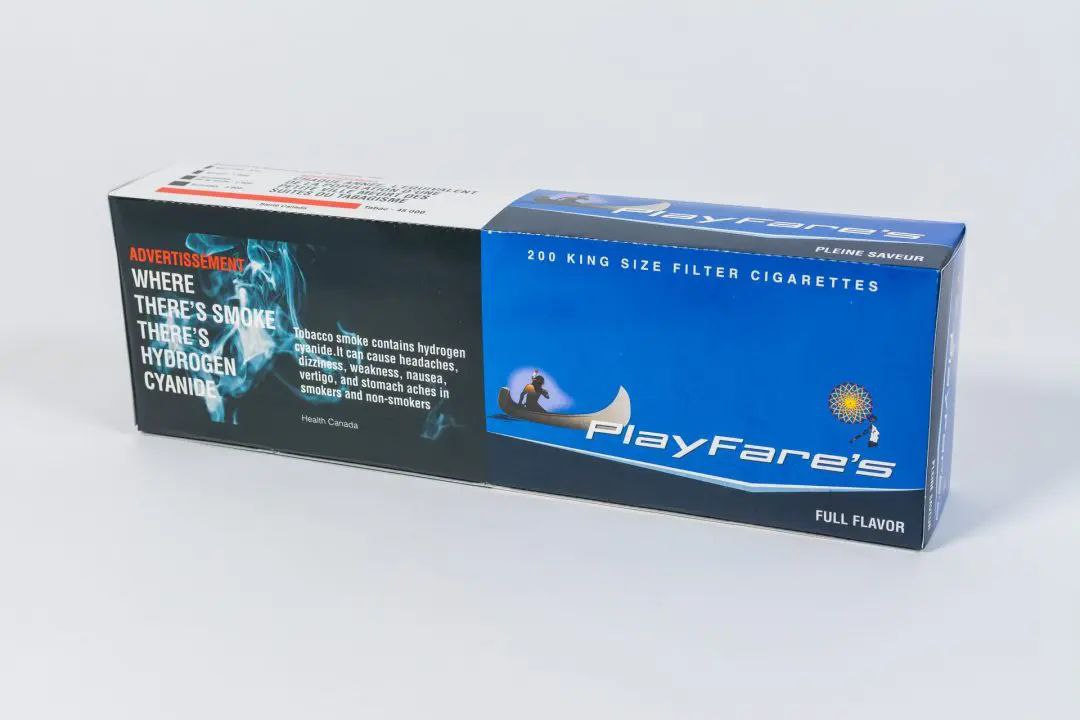


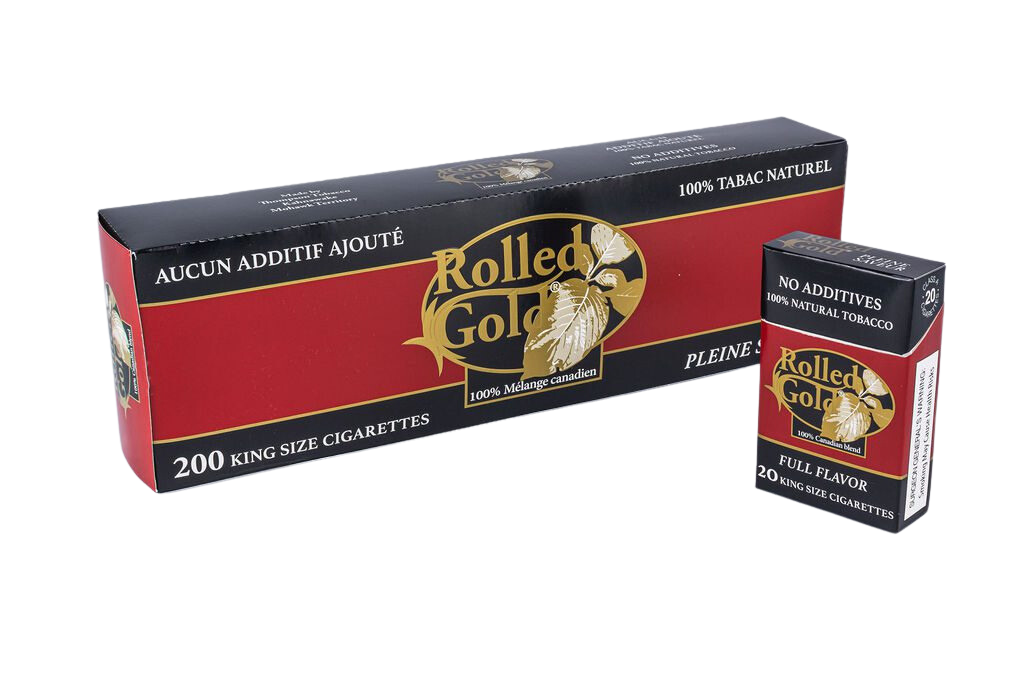
⭐ Excluded: BB light Manitoba, BB full Manitoba, Chanel Blueberry, Chanel ice. See all 29+ native brands at Cigstore.ca.
🚚 Delivery Across Canada – $29 Flat Rate
We ship to every province and territory using Canada Post, Purolator, FedEx, and UPS. Orders over $290 qualify for FREE shipping. Age verification (19+) required upon delivery.
📦 Same-day dispatch for orders before 2 PM EST. Tracking provided within 24 hours.
📚 You Might Also Enjoy These Articles
History of Smoking in Canada
From 1950s magazine ads to plain packaging today.
Why Modern Movie Characters Rarely Smoke
The MPAA rating shift that changed Hollywood.
Most Famous Canadian Cigarette Slogans
From “More doctors smoke Camels” to plain packaging.
Why So Many Rock Stars Never Gave Up Cigarettes
The myth, the addiction, and the legacy.
Smoking in Canadian Movies
From cool to condemned — the on-screen journey of tobacco.