
The Future of the Native Market
After Possible New Federal Regulations: Enforcement, Taxation, and the Fight for Affordable Smokes
📜🚬 The Canadian native cigarette market exists in a complex legal grey zone. While First Nations manufacturers have the right to produce tobacco products on reserve lands, the distribution and sale of these products to non-Indigenous consumers has long been a subject of debate. With the federal government’s ambitious goal to reduce smoking rates to less than 5% by 2035, and with new enforcement tools being considered, the native cigarette market faces an uncertain future [citation:1]. This article analyzes potential regulatory changes, their likely impact on native brands (Playfare, Canadian, DuMont, Nexus, Rolled Gold), and what smokers can expect in the coming years.
📜 The Current Regulatory Landscape: A Delicate Balance
The native cigarette market operates at the intersection of federal tobacco laws and Indigenous rights. The Tobacco and Vaping Products Act (TVPA) regulates the manufacture, sale, labelling, and promotion of tobacco products in Canada [citation:2][citation:6]. However, First Nations manufacturers have asserted that their production on reserve lands falls under Indigenous jurisdiction.
- ⚖️ Legal Grey Zone: The sale of native cigarettes to non-Indigenous consumers occupies a grey area. While federal law technically applies, enforcement has historically been inconsistent, particularly for online sales.
- 🏛️ The 2018 Amendments: Bill S-5 (now the TVPA) introduced provisions for plain packaging and banned menthol and clove additives in all tobacco products [citation:2]. These rules apply to native brands as well.
- 📊 Canada’s Tobacco Strategy (CTS): Launched with $330 million over five years, the CTS aims to reduce tobacco use to less than 5% by 2035. The strategy includes a specific pillar: “Work with Indigenous Peoples to support self-determined approaches” [citation:1].
- 🔍 Third Legislative Review (May 2026): The most recent TVPA review identified key priorities: AI and automation for compliance activities, new enforcement tools, and strengthened collaboration with partners [citation:5].
⚠️ What New Federal Regulations Could Look Like
Current native cigarette prices are unsustainable under full federal enforcement.
Based on the government’s stated priorities and recent enforcement trends, several regulatory changes are possible in the coming years:
- 1. Enhanced Online Enforcement: The May 2026 legislative review explicitly calls for “the increased use of artificial intelligence and automation for compliance and control activities” [citation:5]. This could mean automated monitoring of online cigarette sales, including websites like Cigstore.ca.
- 2. Provincial Tax Harmonization: While native cigarettes are exempt from federal and provincial excise taxes when sold on reserves, cross-border sales to non-Indigenous consumers could be subject to new tax collection requirements. Some provinces (e.g., Ontario, Quebec) have already signed agreements with Indigenous communities to regulate tobacco sales.
- 3. Plain Packaging Enforcement: Native brands currently use packaging that closely mimics commercial designs. The government could require native manufacturers to adopt fully standardized drab brown packaging with no branding — a significant cost increase.
- 4. Supply Chain Tracking: New “track-and-trace” systems could be implemented, similar to those used in the EU, to monitor cigarette distribution from manufacturer to retailer. This would make it harder for untaxed products to enter the mainstream market.
- 5. Indigenous-Led Compliance Agreements: The government’s strategy emphasizes “working with Indigenous Peoples to support self-determined approaches” [citation:1]. This could mean negotiated agreements where First Nations collect and remit taxes on cigarette sales to non-Indigenous customers in exchange for greater autonomy.
📉 The Shrinking Legal Market: Context for Regulation
The entire Canadian tobacco industry is in decline, which creates pressure for stricter enforcement against untaxed products. IBISWorld reports that the cigarette and tobacco manufacturing industry has been contracting at a CAGR of 3.1% since 2021, falling 4.1% in 2026 alone to reach $2.7 billion [citation:4].
- 📉 Sales Collapse: According to NielsenIQ data, cigarette sales fell 8.2% year-over-year in 2024, to $3.3 billion. In December 2025 alone, the total number of cigarettes sold decreased 15.8% [citation:7].
- 💼 Convenience Store Impact: One Ottawa convenience store owner reported sales “down about 20% versus a year ago in every area of the category–vaping, cigarettes, all of it” [citation:7].
- 🚛 The Contraband Factor: High taxes have fueled a massive illicit market. In July 2025, Ontario Provincial Police seized 17,820 kilograms of contraband fine-cut tobacco valued at about $4.4 million [citation:7].
- ⚖️ The Government’s Dilemma: Stricter enforcement against native cigarettes could drive more smokers to fully illegal contraband, rather than to quitting or switching to commercial brands.
📖 From the 2026 Industry Report: “Legal tobacco sales have plummeted far faster than smoking rates as a result [of high taxes], leaving the convenience channel to absorb steeper losses than expected while following the law” [citation:7].
🚛 The Contraband Connection: Why Enforcement is Complicated
⚠️ Key Distinction: Native cigarettes sold by First Nations manufacturers are not the same as illegal contraband (e.g., smuggled foreign cigarettes or unlicensed operations). However, aggressive enforcement against native brands could push consumers toward fully illegal products.
Federal enforcement agencies face a delicate balancing act. While the government wants to reduce smoking, it also wants to capture tax revenue and combat organized crime. The native cigarette market occupies a unique position — it’s not fully legal, but it’s not the target of criminal enforcement either.
- 📊 The Illicit Market Size: Industry estimates suggest that contraband tobacco accounts for 15-25% of all cigarettes consumed in Canada — billions of dollars in lost tax revenue.
- 🔗 The Supply Chain: Many native brands are manufactured in ISO-certified facilities (e.g., Century Tobacco Company’s 30,000-sq.-ft. facility in eastern Ontario) [citation:7]. These are legitimate businesses, not criminal enterprises.
- ⚖️ Public Safety Canada: The government has committed to strengthening “law enforcement efforts to combat the illicit trade” [citation:1]. However, distinguishing between legal native manufacturers and criminal operations is challenging.
- 🔄 The Unintended Consequences: As one industry observer noted, “some government measures—high taxes and strict regulations—have had an unintended consequence: a thriving contraband market” [citation:7].
🇨🇦 The “Buy Canadian” Factor: The Rise of Domestic Manufacturers
🏭 Century Tobacco Company (CTC) — A Legitimate Player
Not all “native-adjacent” brands operate in the grey zone. Century Tobacco Company, a 100% private Canadian business, manufactures cigarettes from a 30,000-sq.-ft. facility in eastern Ontario under the brands Darts, Platinum, Rally, and Bravo 1 [citation:7]. CTC actively promotes its Canadian identity and positions itself as an alternative to both multinationals and illegal contraband.
The emergence of transparent, fully compliant domestic manufacturers suggests a possible future for the native market: regulated, taxed, but still affordable. Steven Bouchard, CTC’s national sales and marketing director, notes that c-stores can “effectively triple their profit per pack sold while simultaneously lowering overall inventory costs” [citation:7].
- 💼 Restrictive agreements: Bouchard highlights that multinationals’ restrictive agreements — binding stores to “specific floor pricing, narrow product selections and inflexible terms” — have created an opening for domestic brands [citation:7].
- 🍁 “Genuinely made in Canada”: CTC promotes its “maple leaf roots” and emphasizes that its products are “genuinely made in Canada, by Canadians, for the Canadian market” [citation:7].
- 📈 The Bright Spot: Industry sources told CSNC that CTC’s brands “are the one bright spot” for tobacco sales, suggesting that affordable, compliant domestic brands can succeed [citation:7].
🏛️ Indigenous Rights and Self-Determination: A Non-Negotiable Factor
Any federal regulation of native cigarettes must respect Indigenous rights. The government has explicitly committed to “nation-to-nation, Inuit-Crown, and government-to-government relationship with Indigenous Peoples” [citation:1].
- 🪶 Sacred vs. Commercial Tobacco: The government recognizes that “tobacco holds profound spiritual and cultural significance for many First Nations and Métis Peoples, whereby tobacco is regarded as one of four sacred medicines alongside cedar, sweetgrass, and sage” [citation:1].
- 💰 Indigenous-Led Cessation: Approximately $9.1 million annually is directly transferred to First Nations, Inuit, and Métis organizations leading “innovative, strengths-based, wholistic and culturally appropriate commercial tobacco reduction programs” [citation:1].
- 📊 Smoking Rates in Indigenous Communities: Smoking rates among Indigenous Peoples remain much higher than the national average — 30% for First Nations (off-reserve), 24% for Métis, and 57% for Inuit (compared to 12% for non-Indigenous Canadians) [citation:1].
- ⚖️ The Path Forward: Any new regulations will likely involve negotiated agreements with Indigenous communities rather than unilateral federal enforcement. This could include tax revenue sharing and expanded cessation programming.
🔮 Three Possible Futures for the Native Market
Scenario 1: Limited Enforcement — Status Quo Continues
Probability: Moderate — The government focuses on criminal contraband, not native manufacturers. Online sales remain largely unregulated. Native cigarettes stay at $35-50 per carton.
Scenario 2: Negotiated Taxation — “Legalization” Model
Probability: High — The government negotiates tax collection agreements with First Nations. Native cigarettes become somewhat more expensive ($50-80 per carton) but remain cheaper than commercial brands ($140-180). Online sales are regulated but permitted.
Scenario 3: Full Enforcement — Native Market Collapses
Probability: Low — The government aggressively enforces federal tobacco laws, shutting down online sales and non-reserve distribution. Native cigarettes become unavailable to non-Indigenous consumers. Smokers either quit, switch to commercial brands (much more expensive), or turn to illegal contraband.
📋 Expert Assessment: Scenario 2 (negotiated taxation) is the most likely outcome. The government’s emphasis on “working with Indigenous Peoples to support self-determined approaches” [citation:1] suggests a collaborative, rather than confrontational, approach. Additionally, the 2026 TVPA review called for “strengthened collaboration and information sharing with partners for effective law enforcement” [citation:5].
📋 What Smokers Can Do to Prepare
- ✅ Stock up while prices are low: If you smoke native cigarettes, consider buying extra cartons now. Prices are likely to increase over time, not decrease.
- 📦 Buy in bulk: Cartons are significantly cheaper per cigarette than packs. Cigstore.ca offers free shipping on orders over $290.
- 🔄 Consider switching to native brands now: If you’re currently smoking commercial cigarettes, switching to native brands saves $5,000-7,000 per year. Even if native prices increase, they will likely remain cheaper than commercial brands.
- 🚭 Use the uncertainty as motivation to quit: The best way to protect yourself from regulatory changes is to quit smoking entirely. Free resources are available: Smokers’ Helpline (1-877-513-5333).
- 🗳️ Advocate for harm reduction: Contact your MP to express support for affordable, regulated native cigarettes as a harm reduction measure — keeping smokers away from dangerous illegal contraband.
📦 Native Cigarettes Today: The Best Value (For Now)
Currently, native cigarettes offer the best value for Canadian smokers. Native cigarettes (Playfare, Canadian, DuMont, Nexus, Rolled Gold) cost $29-50 per carton — compared to $140-180 for commercial brands — a savings of 70-80%. While future regulations may increase prices, switching to native brands now is the most financially sound decision for smokers who are not ready to quit.
- 💰 Cost savings: A pack-a-day smoker saves $5,000-7,000 per year by switching to native cigarettes.
- 🚫 Not “healthier”: Native cigarettes contain the same nicotine, tar, and carcinogens as commercial brands. The only difference is price and packaging.
- 📦 Online delivery: Cigstore.ca ships to every province and territory with $29 flat shipping (free over $290).
- 📜 The bottom line: Enjoy the low prices while they last. The future is uncertain, but native cigarettes remain the best deal in Canada today.
🔥 Top 5 Native Cigarettes for Canadian Smokers (Best Value Today)
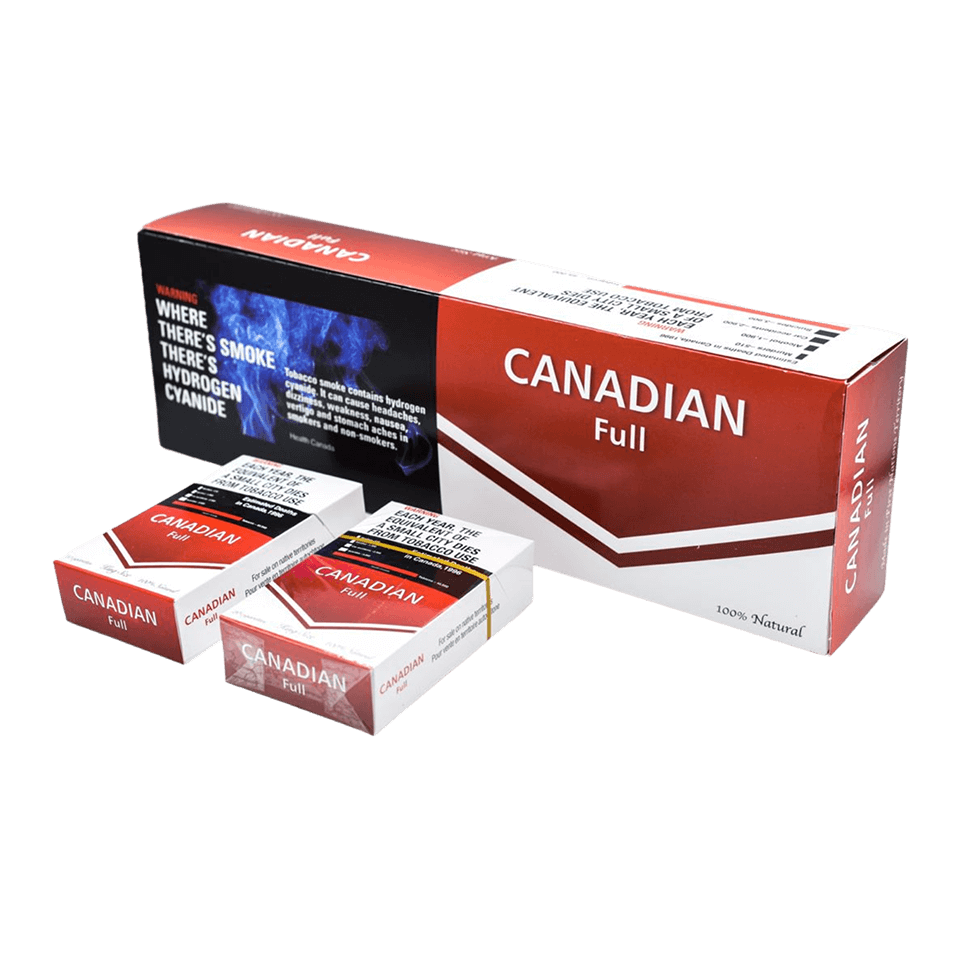
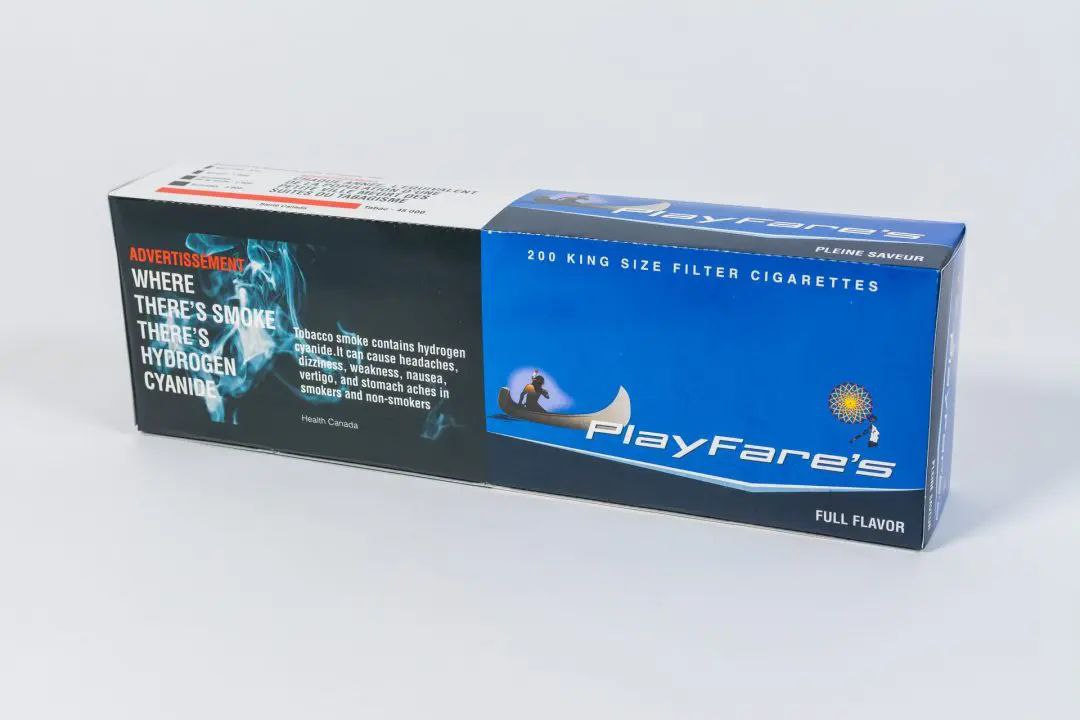
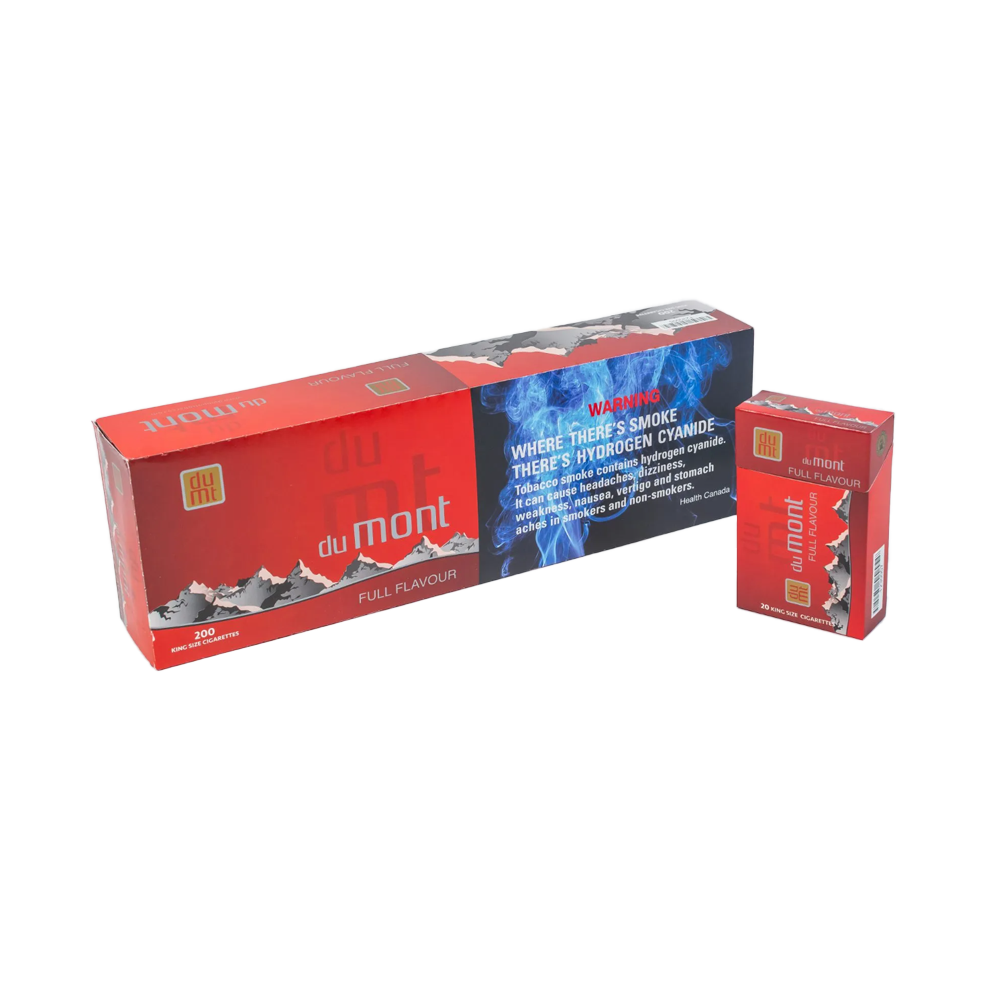

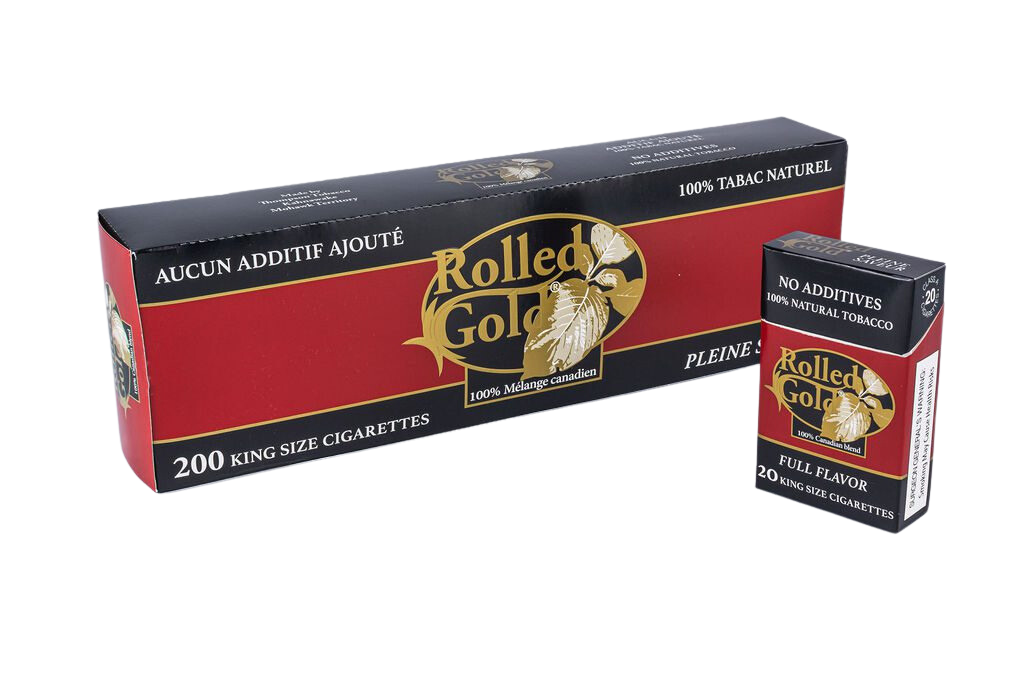
⭐ Excluded: BB light Manitoba, BB full Manitoba, Chanel Blueberry, Chanel ice. See all 29+ native brands at Cigstore.ca.
🚚 Delivery Across Canada – $29 Flat Rate
We ship to every province and territory using Canada Post, Purolator, FedEx, and UPS. Orders over $290 qualify for FREE shipping. Age verification (19+) required upon delivery.
📦 Same-day dispatch for orders before 2 PM EST. Tracking provided within 24 hours.
📜 Regulatory Note: Cigstore.ca complies with all applicable federal and provincial laws. We reserve the right to update our shipping and sales policies in response to regulatory changes.
📚 You Might Also Enjoy These Articles
1994 Tax Cut Story
How native cigarettes became affordable.
Why Cigarettes Are Expensive
Complete federal & provincial tax breakdown.
The Future of Vaping and Native Cigarette Regulation
What’s next for Canadian tobacco?
Is It Legal to Buy Native Cigarettes Online?
Lawyer-reviewed legal guide.
The Illicit Tobacco Market in Canada
Size, impact, and myths.