
How Social Media Algorithms Fight Tobacco Advertising
AI Monitoring, Detection, and Enforcement on Major Platforms
📱🚫 Social media platforms have become the new frontier in the battle against tobacco advertising. With traditional advertising channels closed, tobacco companies have moved to influencer marketing, memes, and organic-looking posts on platforms like Instagram, YouTube, TikTok, Facebook, and Snapchat [citation:3][citation:7]. In response, platforms have deployed sophisticated AI algorithms to detect, flag, and remove tobacco promotion—but the cat-and-mouse game continues. This article explores how algorithms fight tobacco advertising, the limitations of automated detection, and what regulators and public health advocates are doing to close the loopholes.
📜 Platform Policies: The First Line of Defense
All major social media platforms explicitly prohibit the sale and promotion of tobacco and vaping products in their community guidelines.
Every major platform has community guidelines that ban tobacco-related commercial activity. Snapchat, for example, explicitly prohibits “selling alcoholic beverages, tobacco, or vape products” as part of its regulated activities policy [citation:1].
- 📸 Snapchat: Prohibits promoting the sale of tobacco and vape products under regulated activities [citation:1].
- 📘 Facebook/Instagram: Bans the sale and promotion of tobacco products; content that attempts to sell tobacco is removed.
- 🎵 TikTok: Prohibits content that depicts, promotes, or facilitates the use of tobacco products or nicotine delivery devices.
- ▶️ YouTube: Restricts content promoting tobacco products and disallows ads for tobacco.
📖 The challenge: “Youth in Canada continue to be exposed to ads and multiple other forms of promotions for tobacco, VPN, alcohol, cannabis, and gambling—most often through digital media, including social media and streaming platforms” [citation:4].
▶️ YouTube’s Recommendation Algorithm: A Double-Edged Sword
YouTube’s recommendation algorithm drives approximately 70% of views on the platform [citation:5].
A 2025 study published in Nicotine & Tobacco Research examined how YouTube’s recommendation algorithm affects exposure to pro- and anti-tobacco messaging [citation:5].
- 📊 Key findings: Most journeys led to recommended videos agreeing with the “seed’s” stance (56.1%). However, 10.4% of journeys starting with pro-tobacco videos led to anti-tobacco videos, while 13.3% of journeys starting with anti-tobacco videos led to pro-tobacco videos [citation:5].
- 👩⚕️ The role of “Self-Described Medical Experts” (SDMEs): Among journeys from anti- to pro-tobacco content, 81.6% led to SDME videos—users presenting themselves as medical experts who actually promote tobacco use [citation:5].
- ⚠️ Public health risk: “SDMEs play a key role in driving discordant journeys from anti- to pro-tobacco videos, potentially exposing health information seekers to content that may undermine their health goals” [citation:5].
📖 The algorithm’s behavior: “Content quality varies greatly. Thus, it is important to understand how YouTube’s algorithm impacts the content viewed by those seeking information on tobacco” [citation:5].
🤖 AI Detection Technologies: How Algorithms Identify Tobacco Content
🧠 Large Language Models (LLMs)
AI models trained to identify tobacco-promoting content with high accuracy. A 2024 study developed an LLM that achieved 87.8% recall and 81.1% precision in detecting tobacco promotion on social media [citation:8].
🔍 Image Recognition
Platforms use computer vision to detect cigarette packs, vaping devices, and tobacco branding in photos and videos, even when text descriptions are neutral.
📊 TERM (Tobacco Enforcement and Reporting Movement)
A real-time monitoring service using AI tools to scan thousands of digital media posts, identifying instances of tobacco marketing in Indonesia, India, and Mexico [citation:3].
Researchers have developed sophisticated AI tools specifically designed to detect tobacco promotion on social media.
- 🧠 Large Language Model (LLM) detection: A 2024 study collected 177,684 tobacco-related tweets and fine-tuned a transformer-based LLM to identify tobacco-promoting content. The model identified mechanisms including “modeling the behavior, expressing positive attitudes, recommending use, and marketing brands or vendors” [citation:8].
- 📈 TERM monitoring service: The Tobacco Enforcement and Reporting Movement uses AI tools to scan thousands of digital media posts. In 2023, TERM documented 41,598 marketing instances from 308 accounts across Indonesia, India, and Mexico [citation:3].
- 🔬 Research applications: “This tool makes it possible to monitor tobacco promotion in social media and creates new opportunities for tobacco control policy and practice, not only in surveillance and enforcement but also in health promotion” [citation:8].
🎭 The Influencer Problem: How Tobacco Companies Evade Detection
In 2023, TERM documented 41,598 marketing instances from 308 accounts—60% in Indonesia, 36% in India, and 4% in Mexico [citation:3].
Tobacco companies have shifted from direct advertising to influencer marketing and organic-looking content to bypass platform algorithms [citation:7].
- 📸 Influencer partnerships: “Influencers play a key role, subtly integrating these products into lifestyle posts, music videos, fashion content and nightlife scenes” [citation:7].
- 🎭 Indirect marketing tactics: “Indirect marketing tactics dominated, including community groups, events, advergaming, and corporate social responsibility activities” [citation:3].
- 📧 Coded language: “Coded language and imagery—Subtle references to vaping or smoking are used to bypass monitoring and regulatory restrictions” [citation:7].
- 📊 Platform usage: The most commonly used platforms for tobacco promotion include X (50%), Facebook (35.7%), YouTube (28.6%), Instagram (28.6%), and TikTok (21.4%) [citation:7].
⚠️ The PMI case (2026): Philip Morris International suspended its global social media campaign after a Reuters probe found the company used influencers under 25 years old—violating its own internal guidance requiring influencers to be 25+ [citation:6].
🇨🇦 Canada’s Response: AI Monitoring and Enforcement
Despite federal regulations, youth in Canada continue to be exposed to tobacco and vaping ads on digital media and streaming platforms [citation:4].
The Canadian Centre on Substance Use and Addiction (CCSA) has recommended modernizing regulatory oversight in digital spaces [citation:4].
- 🤖 AI-powered ad monitoring: “Regulatory oversight in digital spaces should be modernized, using tools such as independent age verification processes and AI-driven ad monitoring to better detect and respond to violations” [citation:4].
- 📊 Youth exposure data: CCSA’s March 2025 survey found that streaming and social media platforms were the most common sources of youth exposure to tobacco ads, more so than print, broadcast television, and radio [citation:4].
- 🔧 Enhanced compliance: “We support Health Canada’s commitment to enhanced compliance efforts and encourage the adoption of innovative monitoring strategies—such as independent research partnerships and AI-powered ad surveillance” [citation:4].
📖 Direct-to-consumer (DTC) channels: “Despite federal regulations, youth in Canada continue to be exposed to ads and multiple other forms of promotions for tobacco, VPN, alcohol, cannabis, and gambling—most often through digital media, including social media and streaming platforms” [citation:4].
📱 SMS Marketing: Tobacco-Related Content Restrictions
Even SMS marketing faces restrictions when it comes to tobacco content. Canadian SMS regulations require special handling of tobacco-related messages [citation:9].
- 📜 Regulation: “If an SMS contains content related to tobacco, alcohol, or adult material, the sender must verify that the recipient is of legal age and permitted to receive such messages” [citation:9].
- 🚫 Targeting minors: “Targeting minors with restricted content is strictly prohibited” [citation:9].
- ⚠️ Enforcement: “Non-compliance can result in being blocked by all major networks” [citation:9].
📊 Ethically Sourced Data: Understanding Algorithmic Targeting
Researchers at NORC collected donated social media data from 800 participants, revealing that different demographic groups receive different types of advertising [citation:10].
To understand how social media algorithms target users with health-related content, researchers have turned to “data donation”—asking users to share their own social media data [citation:10].
- 🔬 The NORC study: Researchers asked 1,100 participants to donate their Facebook and Instagram data. Approximately 800 had accounts; half agreed to participate, and about 200 followed through [citation:10].
- 📊 Findings: The donated data included over 7,000 ad views and 14,000 videos, plus pages visited, groups, and off-Facebook web searches [citation:10].
- ⚠️ Disparities in targeting: “Black respondents were 50 percent more likely to get food advertising than white respondents” [citation:10]. The same methodology can be applied to study tobacco advertising targeting.
- 💡 “Ethically sourced data”: Participants appreciated being able to give their data to researchers, knowing it would be used for projects related to health and public policy [citation:10].
📖 The challenge: “Social media companies have strong incentives to keep user data from outside researchers despite the potential good that could come from understanding how social media marketing and algorithms affect the public” [citation:10].
⚠️ Limitations: What Algorithms Miss
Despite sophisticated AI detection, tobacco promotion continues to appear on social media through several evasion techniques:
- 🕵️ Coded language and imagery: “Subtle references to vaping or smoking are used to bypass monitoring and regulatory restrictions” [citation:7].
- 📱 Ephemeral content: Stories on Instagram, Snapchat, and Facebook disappear after 24 hours, making real-time detection difficult [citation:7].
- 🌍 Cross-border promotion: “Cross-border digital promotion complicates enforcement” as content created in one jurisdiction may be viewed globally [citation:7].
- 🎭 Surrogate advertising: In India, “97% of marketing focused on brand extensions and surrogate advertising, with many cross-promoting ultra-processed foods and beverages” [citation:3].
- 📧 Influencer-generated content: “Digital marketing tactics have evolved” to circumvent regulatory restrictions [citation:3].
✅ Recommendations for Strengthening Algorithmic Enforcement
- 🤖 Explicitly include digital marketing in tobacco legislation: “Digital marketing is not explicitly defined in current tobacco legislation” [citation:7].
- 🎭 Require influencer disclosure: “Introduce clear disclosure requirements for paid partnerships” [citation:7].
- 💻 Establish dedicated digital monitoring units: To track influencer content, hashtags, and covert campaigns [citation:7].
- 🤝 Collaborate with platforms: “Collaborating with social media platforms to flag and remove tobacco-related promotions, particularly those targeting minors” [citation:7].
- 🔬 Invest in AI-powered surveillance: “Using AI tools and expert insights” to identify trends and threats in digital media marketing [citation:3].
- 📊 Independent research access: “Policymakers need good research to regulate social media” [citation:10].
📦 Native Cigarettes: No Social Media Advertising
Unlike major tobacco companies that use sophisticated influencer marketing, native cigarettes (Playfare, Canadian, DuMont, Nexus, Rolled Gold) are sold without social media advertising. They rely on word-of-mouth, price advantage, and online delivery—not algorithmic promotion [citation:6][citation:7].
- 💰 Cost savings: Native cigarettes cost $29-50 per carton — compared to $140-180 for commercial brands — a savings of 70-80%.
- 🚫 No influencer marketing: Native brands do not engage in the covert influencer tactics used by major tobacco companies.
- 📦 Online delivery: Cigstore.ca ships to every province and territory with $29 flat shipping (free over $290).
- 📜 Legal compliance: Native cigarettes are sold through age-verified channels, not through social media advertising.
🔥 Top 5 Native Cigarettes for Canadian Smokers

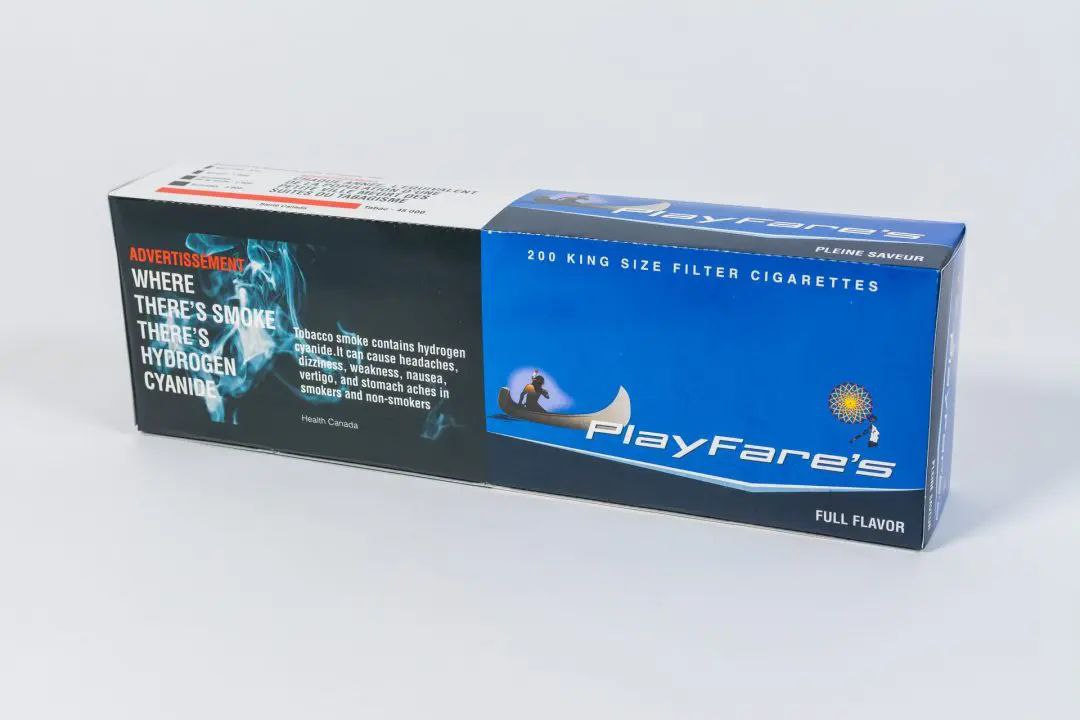

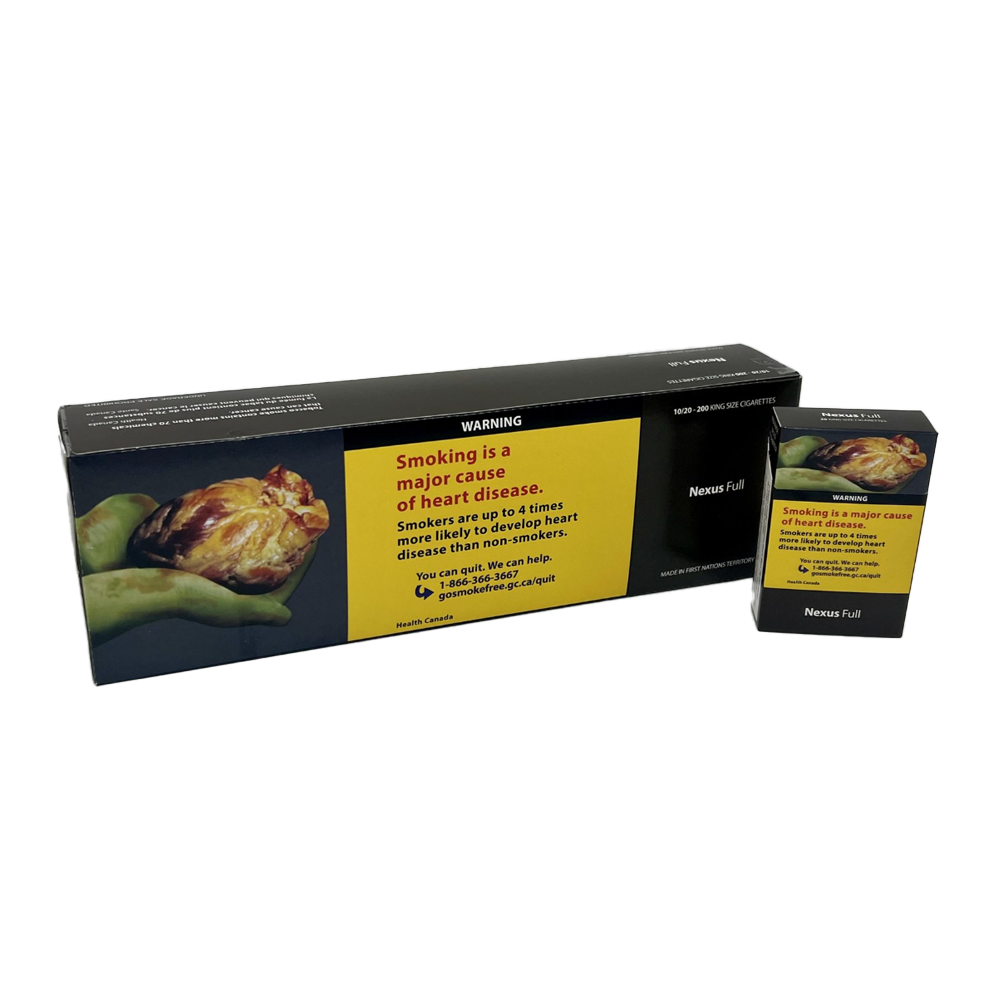
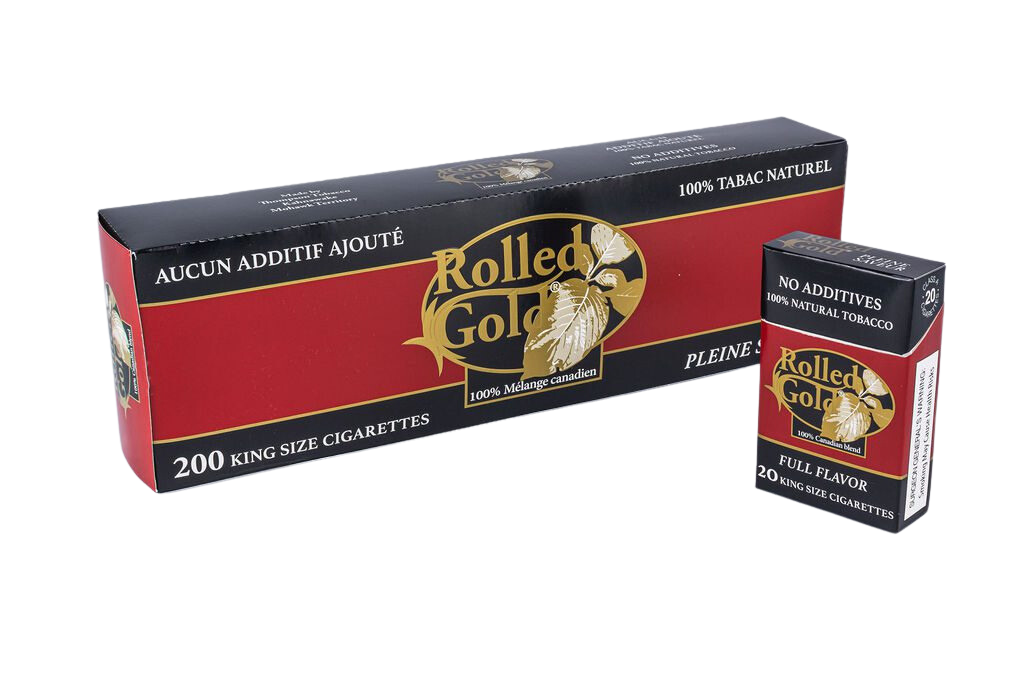
⭐ Excluded: BB light Manitoba, BB full Manitoba, Chanel Blueberry, Chanel ice. See all 29+ native brands at Cigstore.ca.
🚚 Delivery Across Canada – $29 Flat Rate
We ship to every province and territory using Canada Post, Purolator, FedEx, and UPS. Orders over $290 qualify for FREE shipping. Age verification (19+) required upon delivery.
📦 Same-day dispatch for orders before 2 PM EST. Tracking provided within 24 hours.
📚 You Might Also Enjoy These Articles
History of Tobacco Advertising Bans in Canada
From billboards and TV commercials to blank walls.
Most Controversial Cigarette Advertising Campaigns
Joe Camel, light cigarettes, and more.
The Most Unusual Cigarette Advertising Campaigns of the Last Century
From asbestos filters to cartoon babies.
How Smoking in Video Games Affects Teenagers
Research on adolescent exposure.
How Tobacco Companies Lobby Their Interests Today
Modern lobbying tactics explained.