
Why Smokers Are More Prone to Migraines
Understanding the Link Between Nicotine and Headache Attacks — And How to Find Relief
🤕🚬 If you’re a smoker who suffers from migraines, you may have noticed a pattern: your headaches seem worse, more frequent, or more severe than those of non-smokers you know. You’re not imagining it. A substantial body of research has established that smoking is associated with increased migraine prevalence, frequency, and severity. This article explores the mechanisms behind smoking-induced migraines: the role of nicotine as a vasoconstrictor, the effect of carbon monoxide on brain oxygen levels, the triggering of cortical spreading depression, and the paradoxical withdrawal headache. We’ll also provide practical strategies to reduce migraine attacks — including the most effective solution of all: quitting.
📊 The Statistics: Smokers and Migraine Risk
Current smokers have a 30-50% higher risk of migraine compared to non-smokers.
Heavy smokers (>20 cigarettes/day) have 2x the risk of chronic migraine.
The relationship is dose-dependent — more smoking = more migraines.
A 2023 meta-analysis of 18 studies (over 500,000 participants) found that current smokers had a significantly higher prevalence of migraine than never-smokers, with an odds ratio of approximately 1.4 (40% increased risk). Heavy smokers had even higher risk. The relationship was dose-dependent: the more cigarettes smoked per day, the higher the migraine prevalence.
- 📊 Gender differences: The association between smoking and migraine is stronger in women than in men, possibly due to hormonal interactions.
- 📈 Chronic migraine: Smokers are more likely to progress from episodic migraine (fewer than 15 headache days per month) to chronic migraine (more than 15 days per month).
- ⚠️ Not just migraine: Smoking also increases the risk of other headache disorders, including cluster headaches and tension-type headaches.
🩸 Mechanism #1: Nicotine as a Vasoconstrictor
⚡ How Nicotine Affects Blood Flow
Nicotine is a potent vasoconstrictor — it narrows blood vessels throughout the body, including those in the brain. Reduced blood flow triggers the release of pain-signaling molecules, leading to headache.
- 🧠 Cerebral blood flow reduction: Nicotine causes a measurable decrease in cerebral blood flow within minutes of inhalation. This reduction is more pronounced in people with migraine susceptibility.
- ⚡ The rebound effect: As nicotine levels drop between cigarettes, blood vessels dilate rapidly. This rapid vasodilation can trigger a migraine — the “rebound headache.”
- 🔄 The cycle: Smoke → vasoconstriction → reduced blood flow → drop in nicotine → vasodilation → migraine. The smoker lights another cigarette to relieve the headache, perpetuating the cycle.
💨 Mechanism #2: Carbon Monoxide and Brain Hypoxia
Smokers have COHb levels of 3-8%, compared to <1% in non-smokers.
CO binds to hemoglobin 200-250x more strongly than oxygen.
Reduced oxygen delivery = brain hypoxia = migraine trigger.
Carbon monoxide (CO) from cigarette smoke reduces the oxygen-carrying capacity of the blood. The brain is highly sensitive to oxygen levels — even mild hypoxia can trigger migraine attacks in susceptible individuals.
- 🧠 Oxygen deprivation: A smoker’s brain receives 5-15% less oxygen than a non-smoker’s brain, depending on smoking intensity. This chronic mild hypoxia is a known migraine trigger.
- ⏱️ Timing of attacks: CO-induced migraines often occur several hours after smoking, as the effects of CO accumulate.
- 🔄 CO + vasoconstriction: The combination of CO-induced hypoxia and nicotine-induced vasoconstriction creates a “double hit” that dramatically increases migraine risk.
📖 Clinical observation: Migraineurs who smoke report that their attacks are often triggered in the late afternoon or evening — after a day of cumulative CO exposure and multiple nicotine peaks and troughs.
⚡ Mechanism #3: Cortical Spreading Depression (CSD)
Cortical spreading depression (CSD) is a wave of neuronal depolarization followed by prolonged suppression of brain activity — the underlying mechanism of migraine aura. Smoking may lower the threshold for CSD initiation.
- 📉 Increased susceptibility: Animal studies have shown that nicotine exposure increases the susceptibility to CSD. Smokers may have a lower threshold for migraine initiation.
- ⚠️ Withdrawal as a trigger: The drop in nicotine levels between cigarettes can trigger CSD in susceptible individuals. This is why some smokers experience a migraine 30-60 minutes after their last cigarette — the withdrawal, not the smoking itself, is the trigger.
😖 Mechanism #4: The Paradoxical Withdrawal Headache
⚠️ The Paradox: Many smokers light a cigarette to relieve a headache — not realizing that the headache was caused by nicotine withdrawal in the first place.
One of the most common triggers for smoking is the onset of a headache. The smoker lights up, feels relief within minutes, and concludes that cigarettes help headaches. In reality, the headache was caused by nicotine withdrawal, and the cigarette simply relieved the withdrawal — not the underlying cause.
- ⏱️ Withdrawal timeline: Nicotine withdrawal symptoms begin within 30-60 minutes of the last cigarette. Headache is a classic withdrawal symptom.
- 🔄 The cycle: Headache from withdrawal → smoke → relief → hours later, withdrawal returns → headache returns → smoke again.
- 📊 The trap: Smokers who believe cigarettes help their headaches are caught in an addiction loop. The cigarette doesn’t cure the headache — it temporarily relieves the withdrawal that caused it.
💡 The Solution:
If you suffer from headaches and smoke, try this experiment: The next time you feel a headache coming on, instead of smoking, use a nicotine lozenge or gum. If the headache goes away, it was almost certainly nicotine withdrawal — not a primary headache disorder.
🛠️ How to Reduce Migraine Attacks (If You Smoke)
If you smoke and suffer from migraines, here are practical strategies to reduce attack frequency and severity:
- 📉 Reduce gradually: Cut down by 1-2 cigarettes per week. Sudden reduction can trigger severe withdrawal headaches. Gradual reduction is more tolerable.
- 💊 Use nicotine replacement therapy (NRT): Patches provide steady nicotine levels, preventing the peaks and troughs that trigger migraines. Gum or lozenges can be used for breakthrough withdrawal headaches.
- 💧 Stay hydrated: Smoking dehydrates the body. Dehydration is a common migraine trigger. Drink 2-3 litres of water per day.
- 🩺 Treat the migraine, not the withdrawal: When you feel a migraine coming on, take migraine medication (triptans, NSAIDs) rather than lighting a cigarette. This breaks the cycle.
- 🌿 Identify other triggers: Smoking lowers your threshold for other migraine triggers (alcohol, stress, lack of sleep). Address those triggers as well.
- 🚭 Quit entirely: The most effective solution is to quit smoking. Former smokers report dramatic reductions in migraine frequency — often by 50-80%.
🚭 Quitting Smoking: What to Expect for Your Migraines
Days 1-7: Withdrawal headaches may worsen temporarily.
Weeks 2-4: Headache frequency begins to drop.
Months 1-3: Most former smokers report significant improvement.
Months 6-12: Migraine frequency often reduced by 50% or more.
Quitting smoking is the single most effective intervention for smoking-related migraines. However, the first week can be challenging as withdrawal headaches may temporarily increase.
- 📅 Week 1: Withdrawal headaches are common. Use NRT to smooth the transition. Do not rely on migraine medication alone — NRT is essential.
- 📅 Weeks 2-4: Withdrawal symptoms subside. Many quitters notice that their baseline headache frequency has already started to drop.
- 📅 Months 1-3: CO levels have normalized. Cerebral blood flow improves. Migraine frequency often drops by 30-50%.
- 📅 Months 6-12: Former smokers report dramatic improvements — some become entirely migraine-free.
📖 A former smoker’s testimony: “I used to get 3-4 migraines a month. After I quit, I had a rough two weeks, then my headaches dropped to 1-2 a month. After six months, I had my first migraine-free month in years.”
📦 Native Cigarettes: Same Migraine Risk
Native cigarettes (Playfare, Canadian, DuMont, Nexus, Rolled Gold) cost $29-50 per carton — compared to $140-180 for commercial brands — a savings of 70-80%. However, they contain the same nicotine, carbon monoxide, and other chemicals as commercial cigarettes. Switching to native cigarettes will not reduce your migraine risk.
- 💰 Cost savings: A pack-a-day smoker saves $5,000-7,000 per year by switching to native cigarettes.
- 🚫 Same migraine risk: Native cigarettes cause the same vasoconstriction, CO poisoning, and withdrawal headaches as commercial brands.
- 📦 Online delivery: Cigstore.ca ships to every province and territory with $29 flat shipping (free over $290).
- 🩺 The only solution for migraines: If you want fewer migraines, the only solution is to quit — not just switch brands.
🇨🇦 Resources for Smokers with Migraines
- 📞 Smokers’ Helpline (1-877-513-5333): Free, confidential telephone coaching. Ask about strategies for managing withdrawal headaches.
- 🩺 Your neurologist or headache specialist: If you have chronic migraine, work with a specialist to develop a quitting plan that minimizes withdrawal headaches.
- 💊 Nicotine replacement therapy (NRT): Patches, gum, lozenges — available at pharmacies. Some provincial health plans cover NRT.
- 📱 QuitNow (quitnow.ca): Free app with tracking and community support.
- 💊 Medications: Triptans (Imitrex, Maxalt) and CGRP antagonists can treat acute migraine attacks. Preventive medications (beta-blockers, anticonvulsants, CGRP antibodies) may also help.
🔥 Top 5 Native Cigarettes for Canadian Smokers
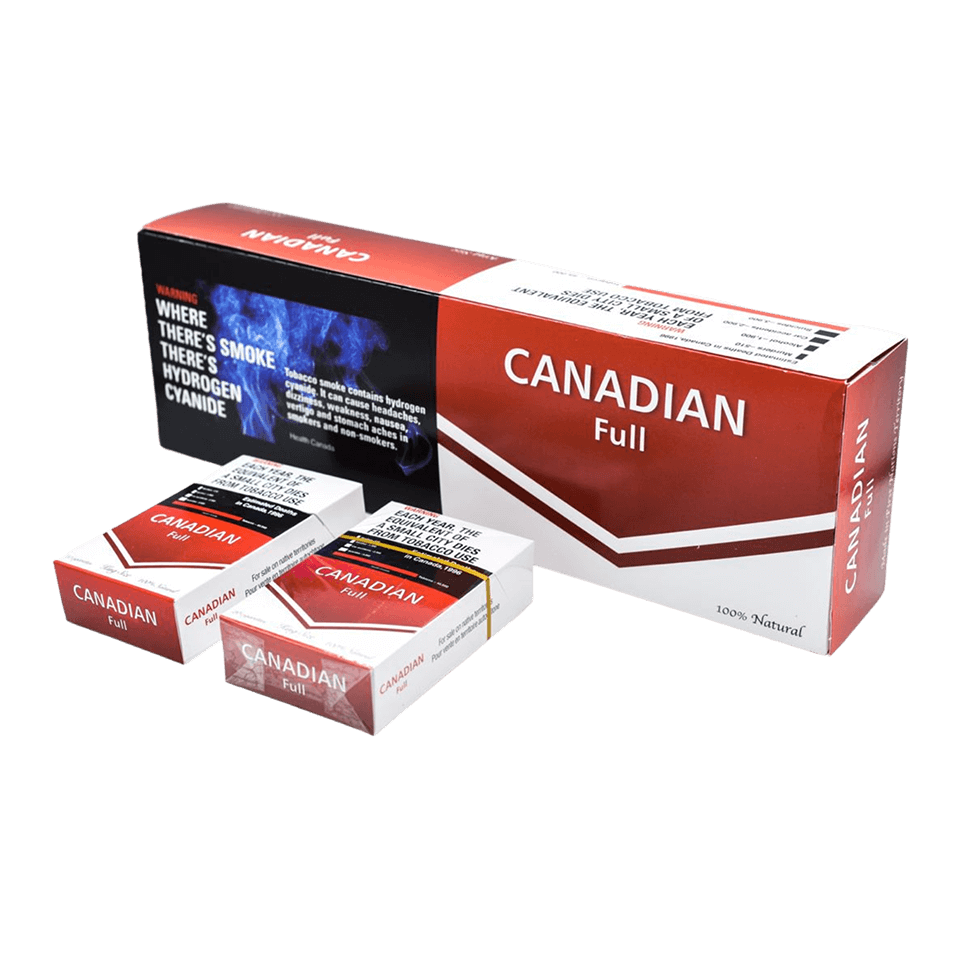
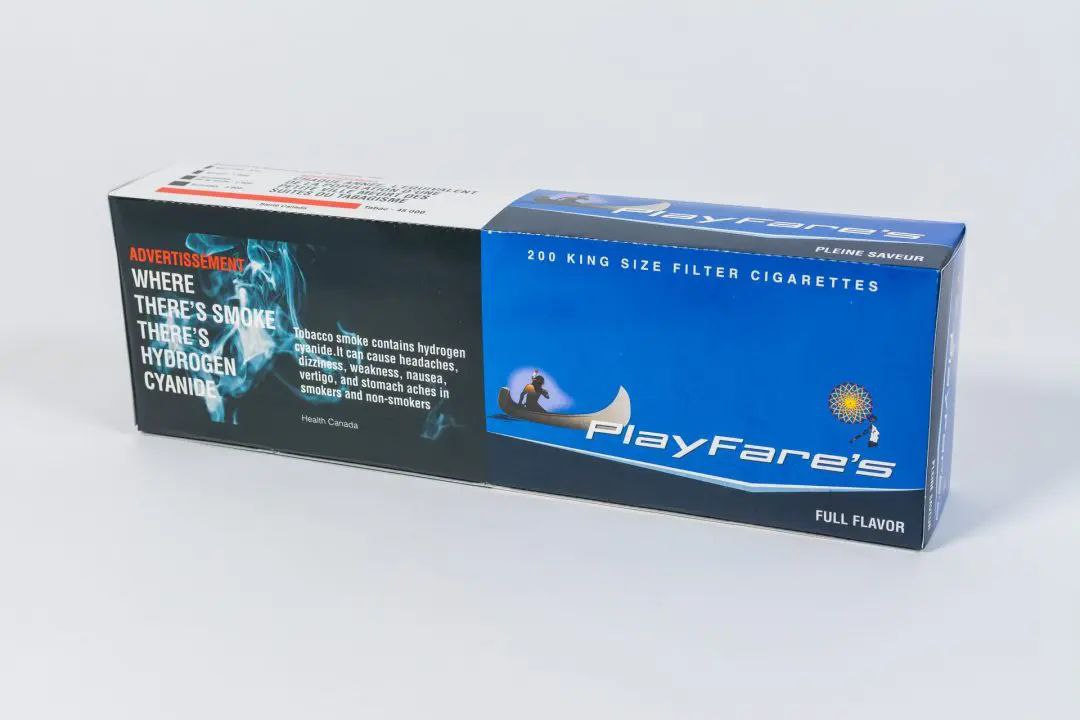
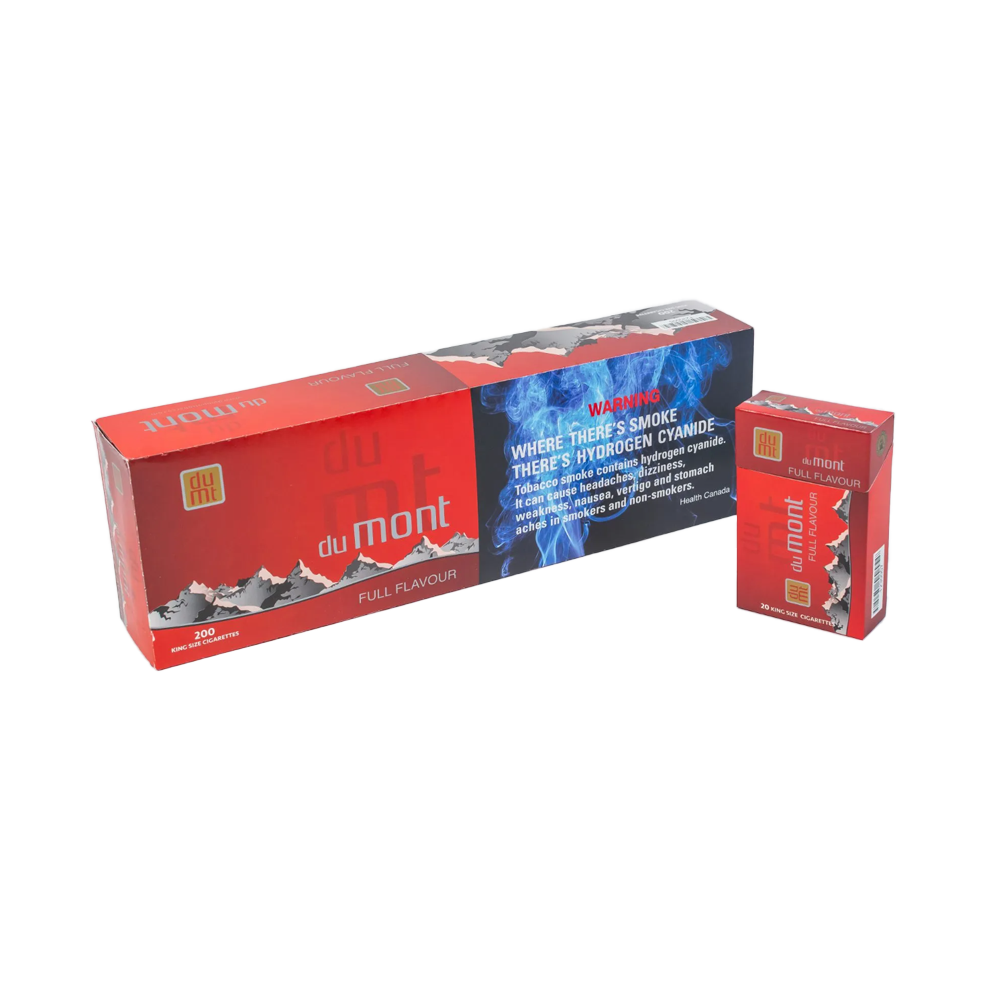
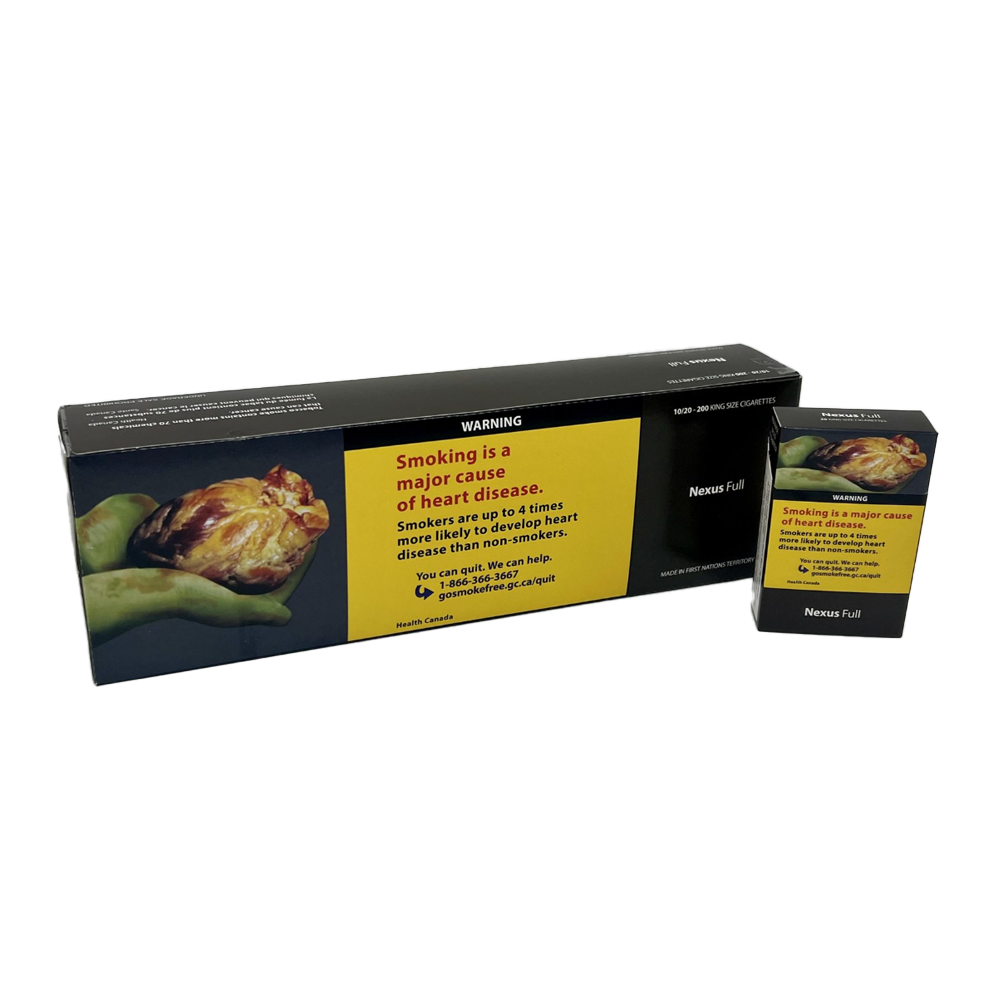
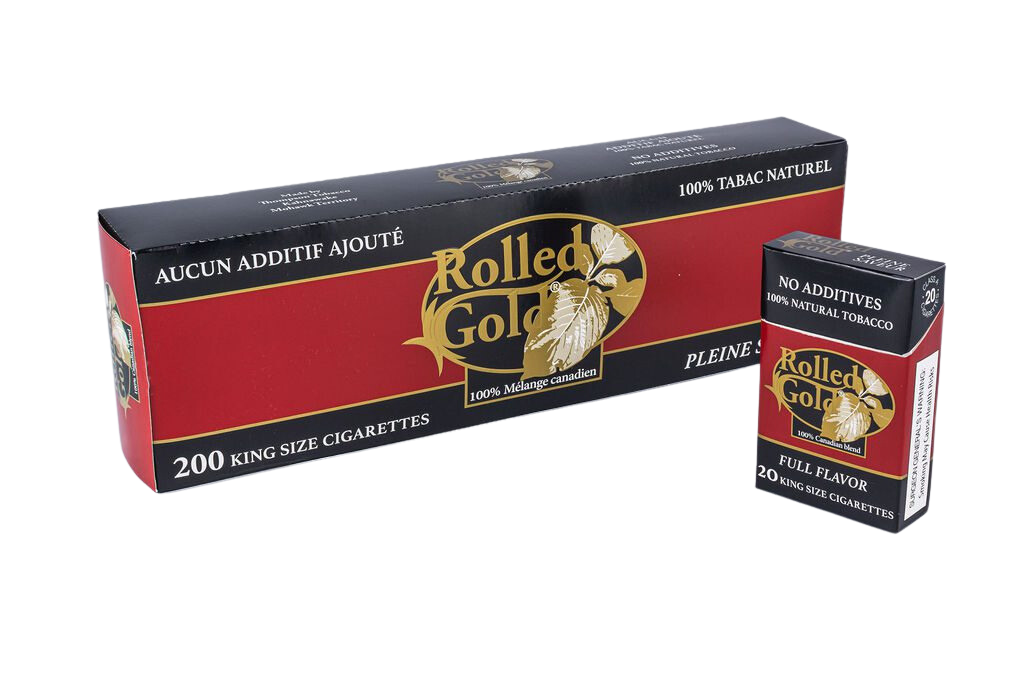
⭐ Excluded: BB light Manitoba, BB full Manitoba, Chanel Blueberry, Chanel ice. See all 29+ native brands at Cigstore.ca.
🚚 Delivery Across Canada – $29 Flat Rate
We ship to every province and territory using Canada Post, Purolator, FedEx, and UPS. Orders over $290 qualify for FREE shipping. Age verification (19+) required upon delivery.
📦 Same-day dispatch for orders before 2 PM EST. Tracking provided within 24 hours.
📚 You Might Also Enjoy These Articles
Smoking and Stress: The Neuroscience
Why nicotine feels calming (and why it’s a trap).
How Smoking Changes the Perception of Time
Nicotine, dopamine, and the brain’s internal clock.
Why Smokers Often Interrupt Their Conversation Partner
How nicotine affects impulsivity.
The ‘Zombie Smoking’ Phenomenon
When a person smokes automatically, unaware of it.
Smoking and Appetite
Why you don’t feel hungry after a cigarette.