
The First Menthol and Filter Cigarettes
How Marketing in the 1930s Began to Exploit Smokers’ Health Fears
📢🚬 Before the 1950s “cancer scare,” before the Surgeon General’s report, and before “light” cigarettes, the tobacco industry had already discovered a powerful marketing strategy: health fears could sell cigarettes. In the 1930s, two products appeared that would forever change the industry: menthol cigarettes and filtered cigarettes. Both were marketed not as a way to quit, but as a way to keep smoking while easing the physical toll it took on the body. This article explores the origins of menthol and filter cigarettes, the clever marketing that exploited smoker anxieties, and the enduring legacy of this early “health marketing.”
🧊 The Accidental Invention: How Spuds Created the Menthol Market
In the 1920s, Lloyd “Spud” Hughes stored his cigarettes in a tin with menthol crystals meant to cure his sore throat.
The cigarettes absorbed the menthol — and a billion-dollar industry was born [citation:6].
The menthol cigarette was born not in a laboratory, but from a happy accident. In the 1920s, a smoker named Lloyd “Spud” Hughes stored his cigarettes in a tin that already contained menthol crystals — a popular remedy for sore throats. The cigarettes absorbed the menthol, and Hughes discovered that they produced a cool, soothing sensation when smoked. He patented the process in 1925 [citation:6].
- 🆕 The birth of Spuds: The Axton-Fisher Tobacco Company began manufacturing Spuds in 1926, marketing them as a cigarette to smoke “when you have a cold,” “when your voice is hoarse,” or “when you develop smoker’s cough” [citation:6].
- 🧊 Menthol’s medicinal past: Menthol had long been used as a medicinal cough suppressant. Tobacco companies “sought to draw on its ‘therapeutic association with cough and cold remedies'” [citation:3].
- 🔄 “When you develop smoker’s cough”: This was a remarkable admission — that smoking itself caused coughs and irritation. But instead of advising smokers to quit, the ads urged them to switch to menthols [citation:6].
- 📦 Early slogan: “Nagged by Nicotine?” — a direct appeal to health-concerned smokers [citation:3].
📖 1930s Spuds ad: “Your mouth will keep as fresh as a May morning. They have a way all their own of cooling smoke… Sifting out irritants… Giving you dewy-fresh flavor.” [citation:6]
📢 Marketing Menthol: “Cool Smoke” and “Throat Comfort”
• “16% cooler smoke”
• “Prevents tongue-bite and husky-voice”
• “Keeps your tongue and throat in moist-cool comfort”
• “Doctors Recommend Them” [citation:3]
Menthol cigarettes were marketed as a “solution” to the problems caused by smoking itself. They were not positioned as safer — but as more comfortable. The ads acknowledged the discomfort of smoking (coughing, sore throat, “tongue-bite”) and offered menthol as a remedy [citation:3].
- 🌬️ “Switch from Hots to Kools”: Kools, launched in 1933, used the slogan “Switch from Hots to Kools,” implicitly acknowledging that regular cigarettes were “hot” and irritating [citation:6].
- ❄️ Cameos were “air-conditioned by menthol”: A 1938 ad featured Santa Claus saying, “Say CAMEO when you want a Menthol Cigarette” [citation:3].
- 👩⚕️ “Doctors Recommend Them”: Macdonald’s Menthol (with “cool as a Cucumber” on the package) featured a woman smoking with the caption “Doctors Recommend Them.” She adds: “When I changed to Macdonald’s Menthol my throat said ‘O.K.’ … so did my doctor” [citation:3].
- 🧊 The temporary relief: Menthol’s cooling effect is real — it triggers a sensation of coolness. But it does not heal the damage caused by smoking. It provides “the illusion that menthols contain curative powers” [citation:6].
📖 From a 1930s Spuds ad: “Do you smoke a lot, and worry about what cigarettes are doing to you? You can ease your mind by making better use of the filter effect of the butt of your cigarette.” [citation:3]
🔬 The Filter Revolution: du Maurier and the “First Vital Improvement”
• “The first vital improvement ever made in cigarettes” — du Maurier, 1936
• Filters removed “smoke impurities” and “delivered real cigarette pleasure”
• Endorsed by *The Lancet*: “cooler and less irritating”
• Filtered brands: 2% of market (1952) → 55% (1962) after cancer scare [citation:3]
Filtered cigarettes appeared in Canada in the mid-1930s and were widely advertised for their health benefits. The niche brand De Reszke promoted its filters for “not only preventing] particles of tobacco from entering the mouth, but also filter[ing] any harmful nicotine out of the smoke” [citation:3].
- 📦 du Maurier (1936): The most heavily advertised filter brand was Peter Jackson’s du Maurier, launched in fall 1936. Its filters constituted the “first vital improvement ever made in cigarettes,” a technological feat on par with “wireless, air-conditioning, [and] streamlining” [citation:3].
- ✅ Endorsed by *The Lancet*: Ads carried an endorsement from a leading British medical journal: “We have tested these cigarettes and find them to be cooler and less irritating than ordinary cigarettes of good quality without the Filter Tip” [citation:3].
- 🧵 Filter materials: Most 1930s filters were made from fibrous materials like wool, cotton, or paper [citation:3].
- 🔄 The 1950s explosion: After the 1950s cancer scare, filtered brands in Canada rose from 2% of the market in 1952 to 55% in 1962, using the same “health marketing” language perfected in the 1930s [citation:3].
📖 1937 du Maurier ad: “You filter the smoke it’s bound to be cleaner.”
🎭 The Birth of “Hope and Doubt” Marketing
• Hope: Products that promised to reduce harm (menthol, filters)
• Doubt: Disinformation campaigns would come later
• Both served the same purpose: keep smokers smoking
As historian Daniel Robinson notes in Cigarette Nation, the 1930s marketing strategies were not just about selling products — they were about managing consumer anxiety about smoking’s health effects. Long before the 1950s cancer scare, the industry was “versed in issue-management public relations and forms of cigarette ‘health marketing'” [citation:1][citation:2].
- 📈 The “hope” strategy: Menthol and filter cigarettes offered worried smokers a way to continue smoking with reduced guilt. As one ad asked: “Do you smoke a lot, and worry about what cigarettes are doing to you?” [citation:3]
- 📉 The “mild” lexicon: Descriptors like “mild,” “mellow,” and “throat easy” appeared often in advertising and on cigarette packages [citation:3].
- 🔄 The chain-smoking contradiction: The pharmacology of nicotine addiction propelled smokers to consume more cigarettes than they may have wanted. The industry’s “remedy” for the unwanted side effects (coughing, throat irritation) was menthol and filters — not quitting .
- ⏳ The legacy: As Robinson writes, the industry’s later response to the postwar “cancer scare” was “not novel, but one that drew upon the cultural lexicon of cigarette promotion dating back to the 1930s” .
📖 From Cigarette Nation (Robinson, 2021): “Tobacco firms worked to furnish Canadian smokers with hope and doubt: hope in the form of reassuring marketing, as seen with light and mild cigarette brands, and doubt by means of disinformation campaigns attacking medical research.” [citation:5]
📦 Native Cigarettes: A Modern Alternative
Today, the Canadian government has banned the terms “Light” and “Mild” on cigarette packages. Native cigarettes (Playfare, Canadian, DuMont, Nexus, Rolled Gold) are sold without such deceptive labels. A carton costs $29-50 — compared to $140-180 for commercial brands — a savings of 70-80%. But remember: they contain the same nicotine, tar, and carcinogens as any other cigarette. No menthol or filter can make them safe.
- 💰 Cost savings: A pack-a-day smoker saves $5,000-7,000 per year by switching to native cigarettes.
- 🚫 No false promises: Unlike the 1930s marketing, native cigarettes are sold with full health warnings — no implied safety claims.
- 📦 Online delivery: Cigstore.ca ships to every province and territory with $29 flat shipping (free over $290).
- 📜 The only safe option: If you smoke, switching to native cigarettes will save you money — but the only way to protect your health is to quit entirely.
🇨🇦 Resources for Smokers
- 📞 Smokers’ Helpline (1-877-513-5333): Free, confidential coaching.
- 💊 Nicotine replacement therapy (NRT): Patches, gum, lozenges — safe and effective.
- 📱 QuitNow (quitnow.ca): Free app with tracking and community support.
- 🩺 Your doctor: Medications like varenicline (Champix/Chantix) and bupropion (Zyban/Wellbutrin) can help.
🔥 Top 5 Native Cigarettes for Canadian Smokers
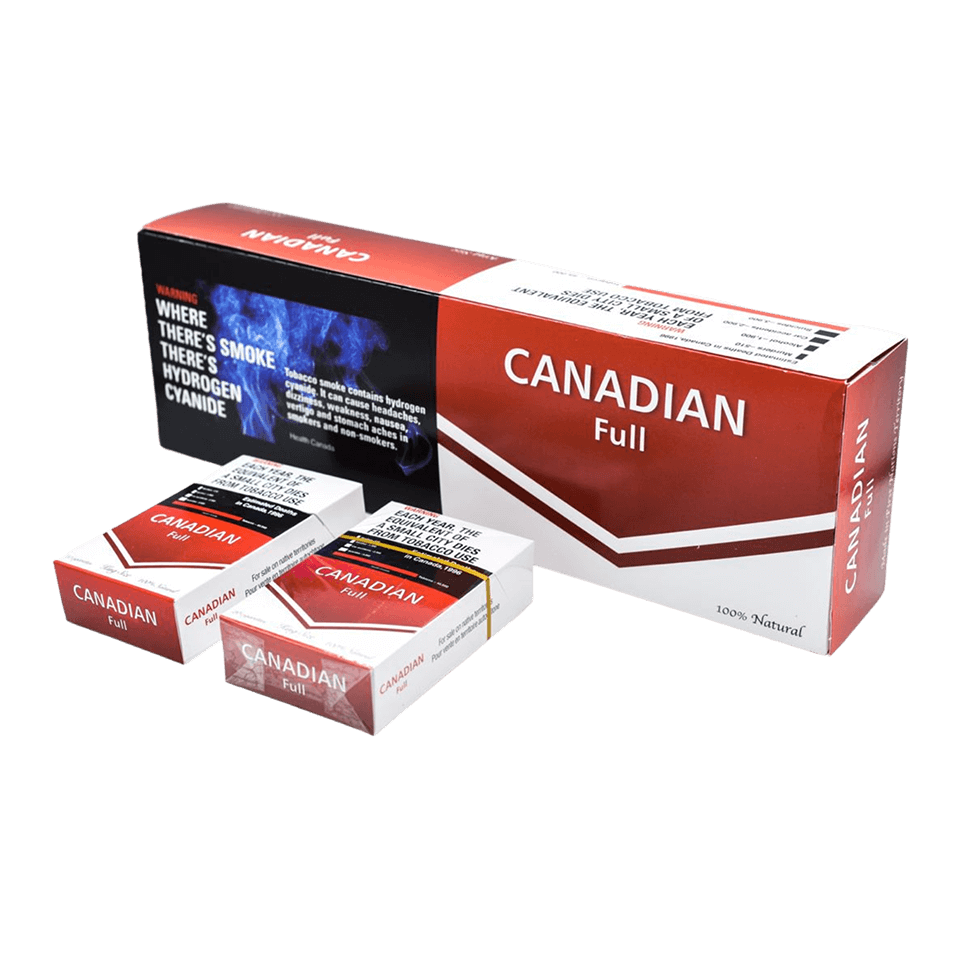

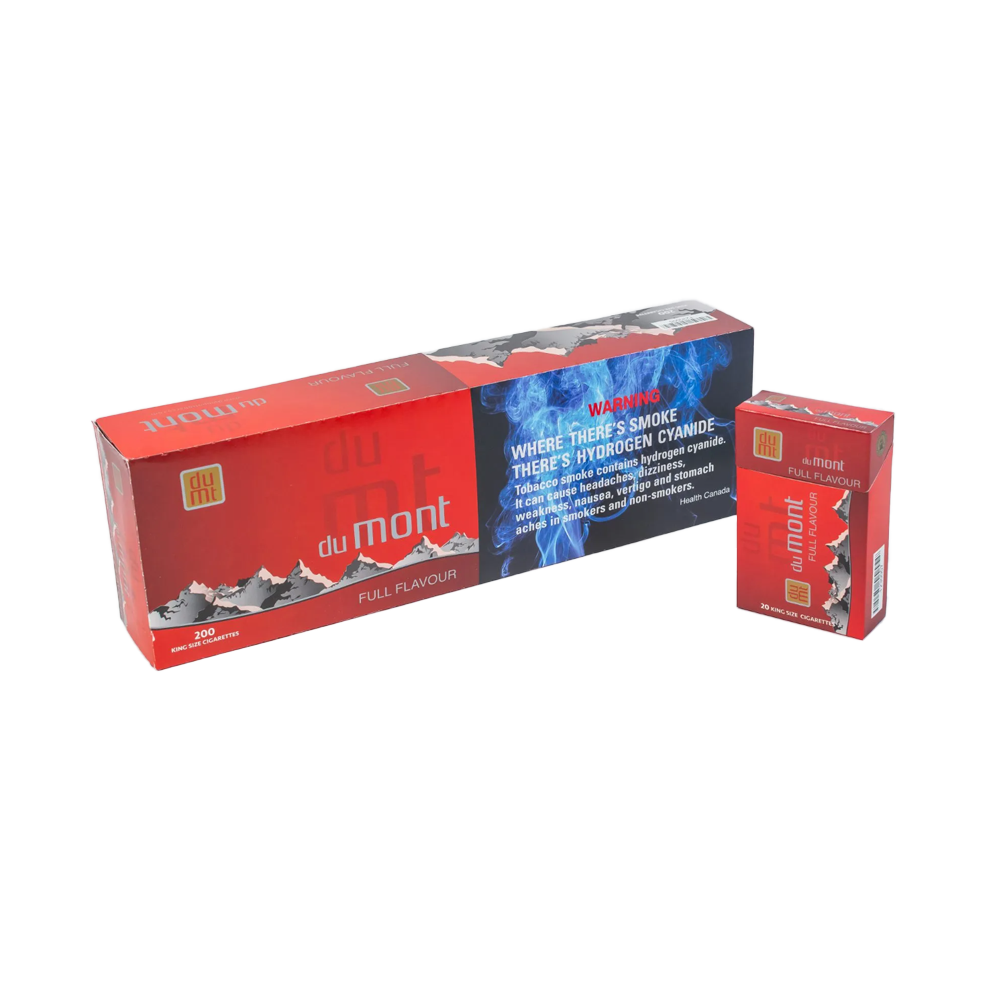
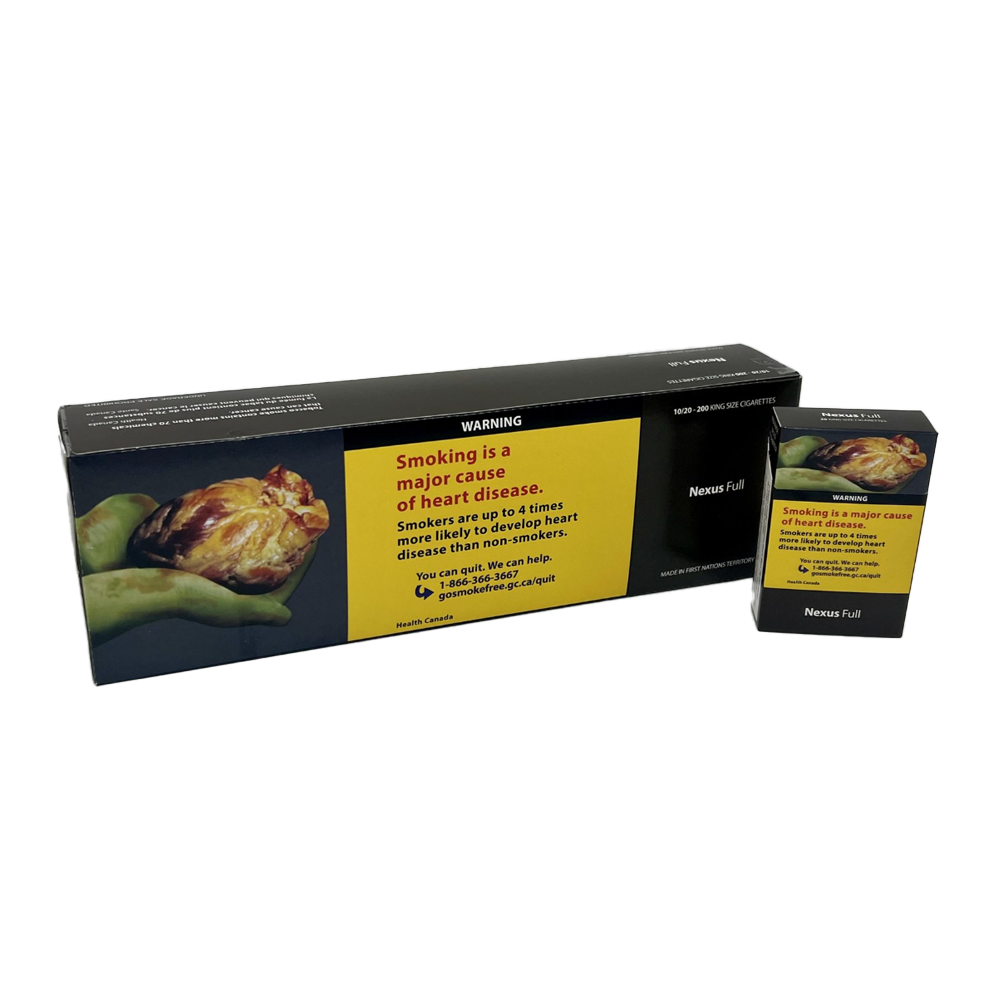
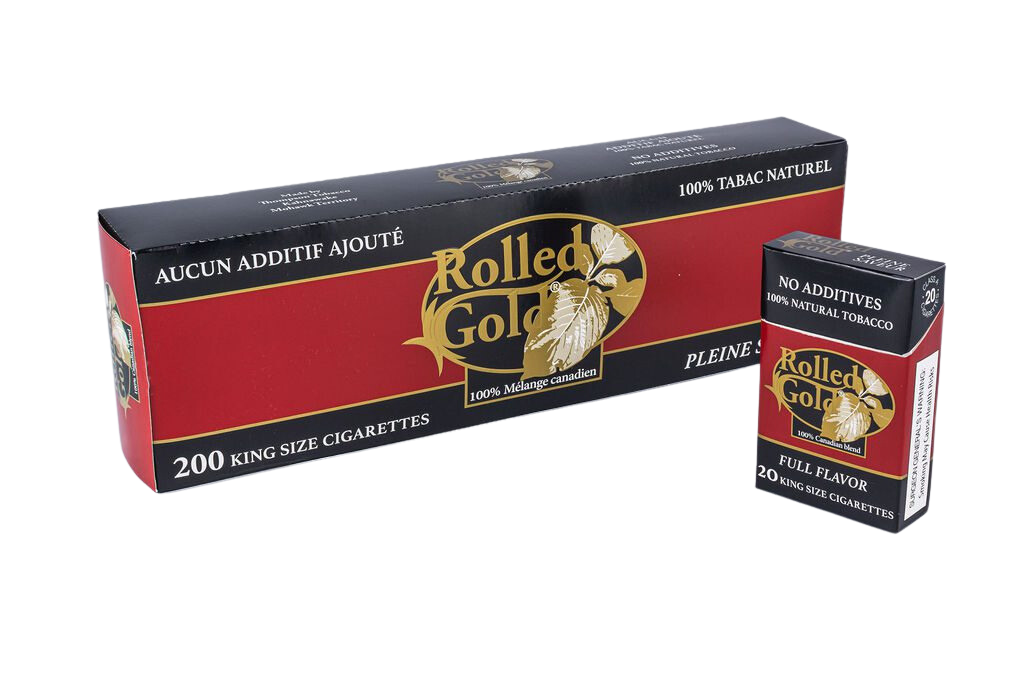
⭐ Excluded: BB light Manitoba, BB full Manitoba, Chanel Blueberry, Chanel ice. See all 29+ native brands at Cigstore.ca.
🚚 Delivery Across Canada – $29 Flat Rate
We ship to every province and territory using Canada Post, Purolator, FedEx, and UPS. Orders over $290 qualify for FREE shipping. Age verification (19+) required upon delivery.
📦 Same-day dispatch for orders before 2 PM EST. Tracking provided within 24 hours.
📚 You Might Also Enjoy These Articles
‘Hopelessness and Doubt’
The tobacco industry’s marketing strategy.
Why Light Cigarettes Became Popular in the 1970s
The marketing of a mirage.
Most Controversial Cigarette Advertising Campaigns
Joe Camel, light cigarettes, and more.
Why Did Doctors Once Recommend Cigarettes?
The deceptive medical endorsements.
History of Smoking in Canada
From 1950s magazine ads to plain packaging today.