
100 Years of Cigarettes in Canada
From Mass Popularity to Modern Restrictions — A Complete History (1920s-2020s)
📜🚬 Over the past century, cigarettes have undergone a dramatic transformation in Canada — from an everyday commodity enjoyed by the majority of adults, to a heavily regulated product hidden behind plain brown packaging. This article traces the complete 100-year history of cigarettes in Canada: the rise of mass consumption in the 1920s-1960s, the peak of smoking in the 1960s, the slow decline as health evidence mounted, the regulatory crackdown of the 1990s-2000s, and the modern era of plain packaging and native alternatives. From the “More doctors smoke Camels” era to warnings printed directly on individual cigarettes, this is the story of how Canada went from a nation of smokers to one of the world’s strictest tobacco regulators.
📈 The Rise: 1920s-1940s — The Birth of Mass Consumption
The 1920s marked the beginning of the modern cigarette era in Canada. Factory-made cigarettes replaced roll-your-own tobacco, and aggressive advertising made smoking a national pastime.
- 📊 1929: Billie Dove, a classic film star, was paid $10,000 by the American Tobacco Company to endorse Lucky Strike cigarettes in an ad campaign .
- 🎬 Hollywood influence: Canadian moviegoers saw their favourite stars smoking on screen — glamorizing the habit .
- 🏭 Industrialization: The rise of mass production made cigarettes cheaper and more accessible than ever before.
- 📈 Per capita consumption: By the 1940s, smoking had become a mainstream habit among Canadian adults.
🔥 The Golden Age: 1950s-1960s — Peak Consumption and Deceptive Marketing
~50% of Canadian adults smoked | Annual sales: ~43 billion cigarettes
This was the era of unregulated, glamorized tobacco advertising.
The 1950s and 1960s were the golden age of the Canadian cigarette industry. Smoking was everywhere: in offices, restaurants, hospitals, airplanes, and schools. Despite the 1964 Surgeon General’s report linking smoking to lung cancer, per capita consumption continued to rise .
- 📢 Deceptive advertising: “More doctors smoke Camels” (1946-1954) and “Your throat protection — Player’s” reassured smokers that cigarettes were safe .
- 📈 Sales boom: In 1949, legal cigarette sales were 16.8 billion. By 1965, they had reached 43 billion .
- 💰 Industry profits: Tobacco companies spent millions on advertising, product placement, and lobbying to maintain their market .
📉 The First Cracks: 1970s — Health Warnings and Advertising Bans
The 1970s saw the first serious attempts to regulate tobacco in Canada. Health warnings appeared on packages, and cigarette advertising was banned from broadcast media.
- 📅 1971: Cigarette advertising banned on Canadian radio and television.
- 📅 1972: First voluntary health warnings appear on cigarette packages (“Avoid Inhaling — Tobacco Smoke Can Be Harmful”).
- 📅 1977: The Non-Smokers Rights Association (NSRA) is founded in Toronto, beginning a campaign to convince cities to enact bylaws restricting smoking in public places .
- 📊 Smoking rates begin to decline: Male smoking rates drop from 62% (1961) to 45% (1977), but female rates remain stable at 35% .
⚖️ The Crackdown Begins: 1980s — Mandatory Warnings and the Tobacco Products Control Act
“Smoking reduces life expectancy.” “Cigarettes are addictive.” “Smoking causes lung cancer.”
Warnings appear on all cigarette packages for the first time .
The 1980s saw major federal action. The Tobacco Products Control Act (1988) attempted to ban most forms of tobacco advertising, though it was later struck down by the Supreme Court.
- 📅 1982: Transport Canada introduces first restrictions on smoking in federally operated airports.
- 📅 1987: Transport Canada directive bans smoking in all free circulation areas, ticket locations, baggage claim, and washrooms. 40% smoking / 60% non-smoking in holdrooms.
- 📅 1988: Tobacco Products Control Act attempts to ban all advertising (later struck down in 1995).
- 📅 1989: First mandatory text warnings appear on cigarette packages .
- 📊 By 1985, smoking rates had dropped to 35% of the population.
📜 The Tobacco Act: 1990s — The Law That Finally Worked
The 1990s brought the landmark legislation that still governs tobacco in Canada today. The Tobacco Act (1997) banned most advertising, required stronger warnings, and restricted where cigarettes could be sold.
- 📅 1990: Canada bans smoking on domestic flights — a world first .
- 📅 1994: Stronger text warnings cover 35% of the package .
- 📅 1997: The Tobacco Act is passed, banning most advertising, sponsorships, and promotions.
- 📅 1998: The Master Settlement Agreement in the US (while not Canadian) profoundly affects the industry’s marketing practices.
- 📊 By 1999, smoking rates had dropped to 25% of the population.
🖼️ Graphic Warnings: 2000s — Canada Leads the World
Images of diseased lungs, mouth cancer, and a dying woman (Barb Tarbox) appear on every pack .
The 2000s cemented Canada’s role as a global leader in tobacco control. Graphic warnings, plain packaging proposals, and provincial smoking bans transformed the tobacco landscape.
- 📅 2001: Graphic warnings cover 50% of the package .
- 📅 2006: Ontario and Quebec ban smoking in restaurants and bars on the same day (May 31) .
- 📅 2008: Ontario bans in-store tobacco displays .
- 📅 2009: Prince Edward Island becomes first province to prohibit smoking on hospital property .
- 📊 By 2009, smoking rates had dropped to 18% of the population.
🟤 Plain Packaging: 2010s — The End of Branding
The 2010s saw the implementation of the world’s toughest tobacco packaging laws. Canada required plain packaging (drab brown, no logos, standardized fonts) and expanded graphic warnings to 75% of the package.
- 📅 2011: Warnings expanded to 75% of the package — the largest in the world at the time .
- 📅 2015: Quebec bans smoking on restaurant and bar patios .
- 📅 2019: Plain packaging regulations take effect (phased in starting November 2019, full compliance by February 2022).
- 📊 By 2019, smoking rates had dropped to 14% of the population.
✍️ Warnings on Every Cigarette: 2020s — The New Frontier
“Poison in every puff” | “Cigarettes cause impotence” | “Cigarettes cause cancer”
You can no longer avoid the warning, even if you never see the pack .
The 2020s have seen Canada continue to pioneer tobacco control. In 2023, Health Canada announced that health warnings would be printed directly on individual cigarettes — a world first. The regulations took effect in August 2023, with full compliance by 2025 .
- 📅 2023: Health Canada announces warnings on individual cigarettes .
- 📅 2024: Implementation of the new warning requirements begins .
- 📅 2025: All cigarettes sold in Canada must carry individual warnings .
- 📊 Today, smoking rates are approximately 12% of the population — a dramatic decline from 50% in 1965.
📦 The Native Alternative: Affordable Cigarettes in a High-Tax Era
As commercial cigarette prices have skyrocketed (due to taxes, plain packaging, and litigation costs), many Canadian smokers have switched to native cigarettes. Native cigarettes (Playfare, Canadian, DuMont, Nexus, Rolled Gold) cost $29-50 per carton — compared to $140-180 for commercial brands — a savings of 70-80%.
- 💰 Cost savings: A pack-a-day smoker saves $5,000-7,000 per year by switching to native cigarettes.
- 🚫 Not “healthier”: Native cigarettes contain the same nicotine, tar, and carcinogens as commercial brands. The only difference is price and packaging.
- 📦 Online delivery: Cigstore.ca ships to every province and territory with $29 flat shipping (free over $290).
- 📜 A century of change: While commercial cigarettes have become increasingly regulated and expensive, native cigarettes offer a return to affordability — but not to safety.
📅 Complete 100-Year Timeline
🔥 Top 5 Native Cigarettes for Canadian Smokers




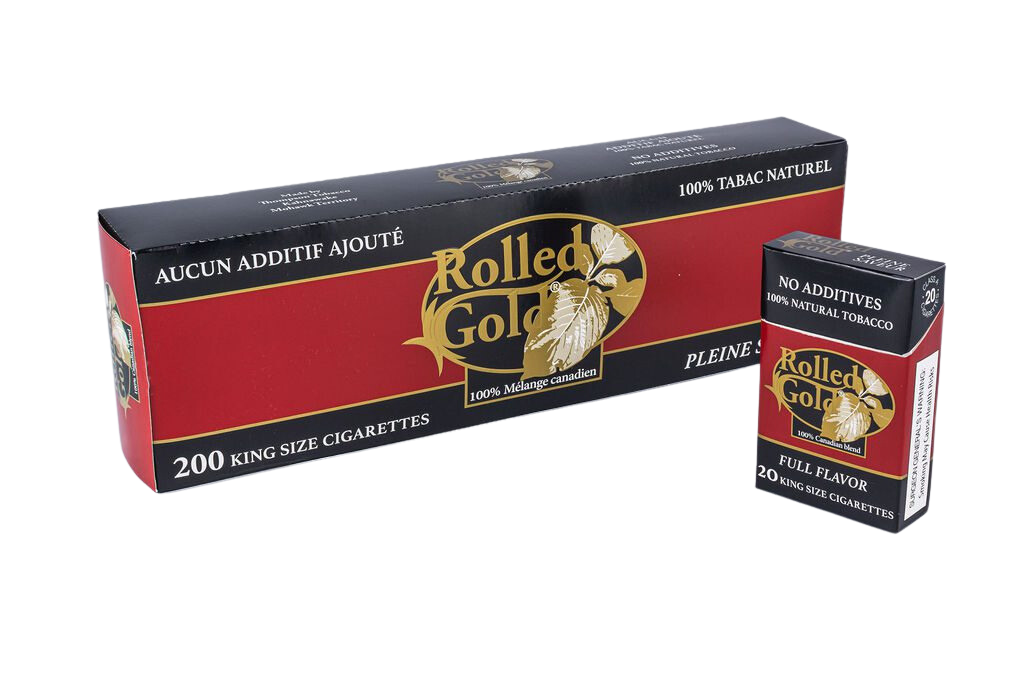
⭐ Excluded: BB light Manitoba, BB full Manitoba, Chanel Blueberry, Chanel ice. See all 29+ native brands at Cigstore.ca.
🚚 Delivery Across Canada – $29 Flat Rate
We ship to every province and territory using Canada Post, Purolator, FedEx, and UPS. Orders over $290 qualify for FREE shipping. Age verification (19+) required upon delivery.
📦 Same-day dispatch for orders before 2 PM EST. Tracking provided within 24 hours.
📚 You Might Also Enjoy These Articles
History of Smoking in Canada
From 1950s magazine ads to plain packaging today.
When Did Health Warnings First Appear on Cigarette Packs?
The Canadian timeline from 1972 to today.
History of Tobacco Advertising Bans in Canada
From billboards and TV commercials to blank walls.
Why Cigarettes Are Expensive
Complete federal & provincial tax breakdown.
The Future of Vaping and Native Cigarette Regulation
What’s next for Canadian tobacco?