
How the Cigarette Became a Symbol of Noir
The Evolution of the Private Detective — From Humphrey Bogart to Neo-Noir
🕵️♂️🚬 The image is burned into our collective memory: a shadowy office, Venetian blinds casting stripes of light across the floor, a fedora on the desk, and a cigarette glowing in the darkness. The private detective lights up, takes a slow drag, and exhales a cloud of smoke that hangs in the air like a question. For generations, the cigarette has been as essential to the film noir detective as the trench coat and the wisecrack. This article traces the evolution of this iconic pairing — from the hard-boiled novels of Dashiell Hammett to the classic films of Humphrey Bogart, from the neo-noir of the 1970s and 80s to the postmodern deconstructions of the 1990s and beyond. Why did the cigarette become the symbol of noir? And what does its decline tell us about changing cultural attitudes?
📖 The Literary Origins: Hard-Boiled Fiction and the Birth of the Smoking Detective
Dashiell Hammett’s Sam Spade (The Maltese Falcon, 1930)
Raymond Chandler’s Philip Marlowe (The Big Sleep, 1939)
The cigarette was already central to the detective’s persona on the page before it ever reached the screen.
The literary private detective of the 1920s and 30s was a chain-smoker. In Dashiell Hammett’s The Maltese Falcon (1930), Sam Spade lights a cigarette in nearly every scene. Raymond Chandler’s Philip Marlowe is rarely without a smoke. The cigarette was shorthand for the detective’s world-weariness, his cynicism, and his isolation.
- 📜 Sam Spade’s cigarette: “Spade’s face was yellow-white now. He put a cigarette in his mouth and lit it. His fingers were steady.” — Hammett used cigarettes to reveal character through action.
- 📜 Philip Marlowe’s smokes: “I lit a cigarette. I needed one. I needed about three.” — Chandler’s prose is punctuated by Marlowe’s need for nicotine.
- 🎯 The cigarette as punctuation: In hard-boiled fiction, lighting a cigarette signals a pause for thought, a moment of tension, or a shift in interrogation tactics.
- 💼 The class marker: The detective smoked unfiltered, working-class brands — Lucky Strike, Camel, Chesterfield — distinguishing him from the wealthy clients he served.
📖 Raymond Chandler, The Big Sleep (1939): “I lit a cigarette and listened to the rain. It was a great time to be alive — or dead, I wasn’t sure which.”
🎬 The Classic Era (1941-1958): Humphrey Bogart and the Cigarette as Existential Prop
If the hard-boiled novel gave birth to the smoking detective, Humphrey Bogart gave him eternal life on screen. Bogart’s Sam Spade in The Maltese Falcon (1941) and Philip Marlowe in The Big Sleep (1946) established the visual vocabulary of noir smoking.
🎥 The Maltese Falcon (1941)
Bogart’s Spade is rarely without a cigarette. The film opens with Spade smoking at his desk. When he interrogates Brigid O’Shaughnessy, he lights a cigarette, takes his time, and uses the smoke as a barrier and a weapon. The cigarette is an extension of his power.
🎥 The Big Sleep (1946)
In one famous scene, Marlowe lights a cigarette while questioning a suspect. The smoke curls between them, obscuring their faces — a visual metaphor for the moral ambiguity of the case. The cigarette is also a time-killer, filling the silence.
- 🚬 Bogart’s real-life habit: Bogart was a chain-smoker in real life, consuming up to 3-4 packs a day. He didn’t need to act — the addiction was genuine.
- 🎭 The cigarette as shield: In noir, the detective uses his cigarette to control the pace of conversation. He lights it slowly. He exhales before answering. He makes others wait.
- 🌫️ Smoke and shadows: Cinematographers used cigarette smoke to add texture to the frame. The swirling smoke caught the light, creating depth in the famously shadow-filled noir aesthetic.
🌫️ The Symbolism: Why the Cigarette Was Essential to Noir
• Cynicism and world-weariness
• Power and control (making others wait)
• Isolation (the detective alone with his thoughts)
• Moral ambiguity (smoke obscures the face)
• Addiction as metaphor (trapped by circumstances)
The cigarette was not just a prop — it was a narrative and visual tool that reinforced everything noir stood for.
- 🕯️ Illumination in darkness: In the low-key lighting of noir, the glowing tip of a cigarette was often the brightest point in the frame. It drew the eye to the detective’s face, signalling where the audience should look.
- 😌 The existential pause: The detective lights a cigarette when he is thinking, stalling, or trying to regain control. The act of lighting — the flick of the lighter, the inhale — fills silence that would otherwise be empty.
- 🚪 A barrier between worlds: The smoke creates a physical and psychological barrier between the detective and the corrupt world he navigates. He is in the world but not of it.
- 💀 The addiction metaphor: The detective is addicted to cigarettes — just as he is addicted to the case, to the chase, to a life he can’t escape. The addiction mirrors his inability to walk away from danger.
💰 Product Placement and Branding: The Cigarette as Commerce
The cigarette’s prominence in noir was not purely artistic — it was also commercial. Tobacco companies paid studios for product placement, ensuring that detectives smoked specific brands.
- 🚬 Lucky Strike in The Maltese Falcon: Bogart’s Sam Spade smokes Lucky Strikes — the brand’s distinctive green and red pack is visible in multiple scenes.
- 🚬 Camel in The Big Sleep: Philip Marlowe smokes Camels. The brand’s logo appears on his pack.
- 📜 The 1929 American Tobacco Company contract: Classic film star Billie Dove was paid $10,000 to endorse Lucky Strike and was forbidden from being photographed smoking any other brand.
- ⚖️ The irony: The actors who played these smoking detectives often died of smoking-related diseases. Bogart died of esophageal cancer at 57. His co-star Lauren Bacall outlived him by 57 years — but she too was a smoker.
💔 The Real-Life Toll: Bogart, Mitchum, and the Cost of Authenticity
The cigarette-smoking detectives of classic noir were not merely acting — the actors were often heavy smokers in real life. This authenticity came at a terrible price.
- 🩺 Humphrey Bogart (1899-1957): A 3-4 pack a day smoker. Died of esophageal cancer at 57.
- 🩺 Robert Mitchum (1917-1997): A legendary chain-smoker. Lived to 79 despite his habit, but his health was compromised in later years.
- 🩺 Alan Ladd (1913-1964): Star of The Blue Dahlia (1946). Heavy smoker. Died of a heart attack at 50.
- 🩺 Dick Powell (1904-1963): Transitioned from musicals to noir (Murder, My Sweet, 1944). Heavy smoker. Died of cancer at 58.
- ⚠️ The tragic irony: The men who made smoking look cool on screen were killed by the habit off screen. The cigarette was not just a symbol — it was a weapon.
📉 The Decline: Why Detectives Stopped Smoking
• MPAA rating pressure (2007) — smoking can earn an R rating
• Anti-smoking advocacy — groups like Smoke Free Movies
• Master Settlement Agreement (1998) — banned product placement
• Changing cultural norms — smoking is no longer cool
By the 1990s, the noir detective’s cigarette had begun to disappear. The reasons were multiple:
- 📊 MPAA rating shift (2007): The Motion Picture Association of America announced that smoking would be considered a factor in movie ratings. Films with “glamorized” smoking could receive an R rating, cutting them off from the lucrative PG-13 youth market.
- 📢 Anti-smoking advocacy: Groups like Smoke Free Movies pressured studios to stop glamorizing smoking. The 1998 Dalton study found that adolescents whose favorite movie stars smoked were significantly more likely to start smoking themselves.
- ⚖️ Master Settlement Agreement (1998): Prohibited tobacco companies from paying for product placement — ending the financial incentive for studios to feature cigarettes.
- 📉 Changing cultural norms: As real-world smoking rates plummeted, the “cool smoker” archetype lost its power. Young audiences no longer saw smoking as rebellious — they saw it as unhealthy.
🔄 The Neo-Noir Era: Subversion, Parody, and the Occasional Cigarette
Neo-noir films of the 1970s-2020s have had a complicated relationship with the cigarette. Some directors (like the Coen brothers) use smoking to signal “noir” — a visual shorthand. Others (like the Wachowskis) subvert the trope entirely.
🎥 Chinatown (1974) — Roman Polanski
Jake Gittes (Jack Nicholson) smokes constantly — but the film is a period piece set in 1937. The cigarette is historically accurate, not a contemporary statement.
🎥 Blade Runner (1982) — Ridley Scott
Deckard (Harrison Ford) smokes in the futuristic noir. The cigarette signals his old-fashioned, world-weary humanity in a world of replicants.
🎥 Who Framed Roger Rabbit (1988) — Robert Zemeckis
Eddie Valiant (Bob Hoskins) is a washed-up private eye who chain-smokes. The film is a parody of noir tropes, and the cigarette is exaggerated for comic effect.
🎥 Brick (2005) — Rian Johnson
A high school detective in a contemporary setting — but the characters speak hard-boiled dialogue and the detective (Joseph Gordon-Levitt) smokes. The cigarette is an anachronism, a conscious throwback.
🎥 The Nice Guys (2016) — Shane Black
Russell Crowe’s character chain-smokes, but the film is a comedy. The cigarette is no longer cool — it’s a character flaw.
💭 The Legacy: Why We Still Associate Detectives with Cigarettes
Even though contemporary detectives rarely smoke, the association between private eyes and cigarettes remains strong in the public imagination. Why?
- 📺 Classic films on television: Generations have grown up watching Bogart, Mitchum, and Powell on late-night TV. The images are burned into our cultural memory.
- 🎨 Visual shorthand: In advertising, cartoons, and graphic design, a fedora + trench coat + cigarette = detective. The cigarette is the easiest way to signal “private eye.”
- 📰 Parodies and homages: When modern films parody noir (e.g., Who Framed Roger Rabbit, 1988), they exaggerate the cigarette habit. These homages reinforce the association.
- 🌍 Cross-cultural recognition: The detective-with-cigarette is an internationally recognized trope. A Japanese manga, a French comic, a Brazilian telenovela — all use the same visual shorthand.
- 🎭 The “noir nostalgia”: There is a nostalgic appeal to the classic detective. Modern audiences may not want to smoke, but they enjoy watching characters who do — in a safely distant, fictional context.
📦 Native Cigarettes: An Affordable Option for Modern Smokers
While the noir detective smoked Lucky Strikes and Camels, many Canadian smokers today have switched to affordable native cigarettes. Native cigarettes (Playfare, Canadian, DuMont, Nexus, Rolled Gold) cost $29-50 per carton — compared to $140-180 for commercial brands — a savings of 70-80%.
- 💰 Cost savings: A pack-a-day smoker saves $5,000-7,000 per year by switching to native cigarettes — real money for gumshoes on a budget.
- 🚫 Not “healthier”: Native cigarettes contain the same nicotine, tar, and carcinogens as commercial brands. The only difference is price and packaging.
- 📦 Online delivery: Cigstore.ca ships to every province and territory with $29 flat shipping (free over $290).
- 🎬 No product placement: Unlike Bogart’s Lucky Strikes, you will never see native cigarettes in a movie. They are sold only online and on reserves — no advertising, no glamour.
🔥 Top 5 Native Cigarettes for Canadian Smokers

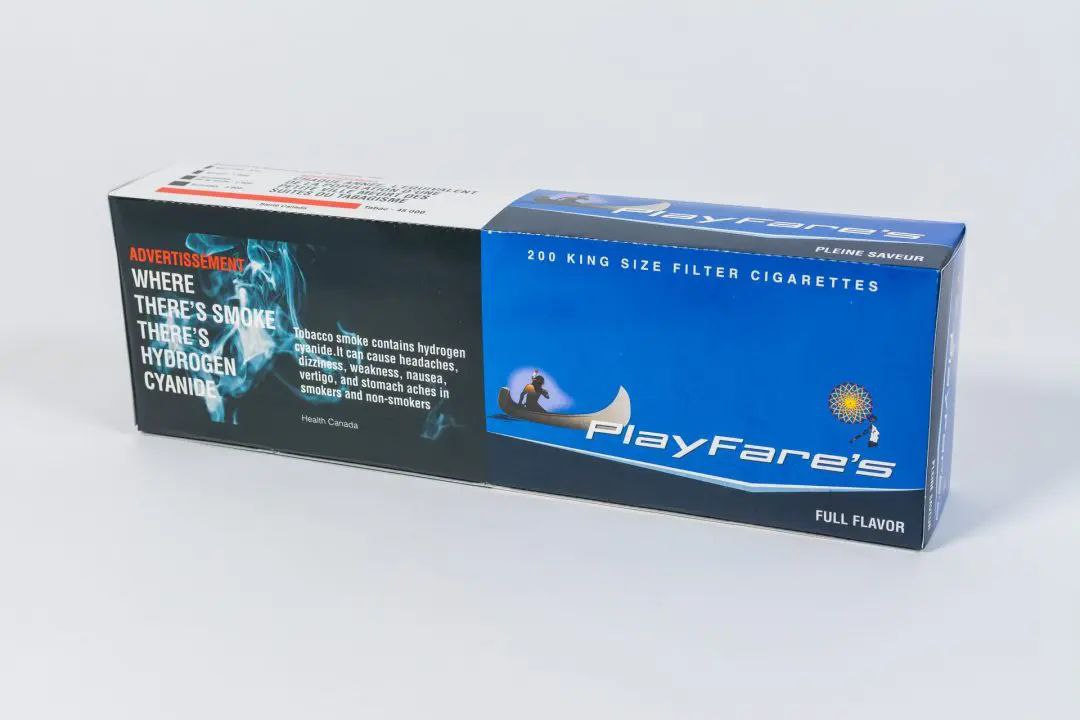
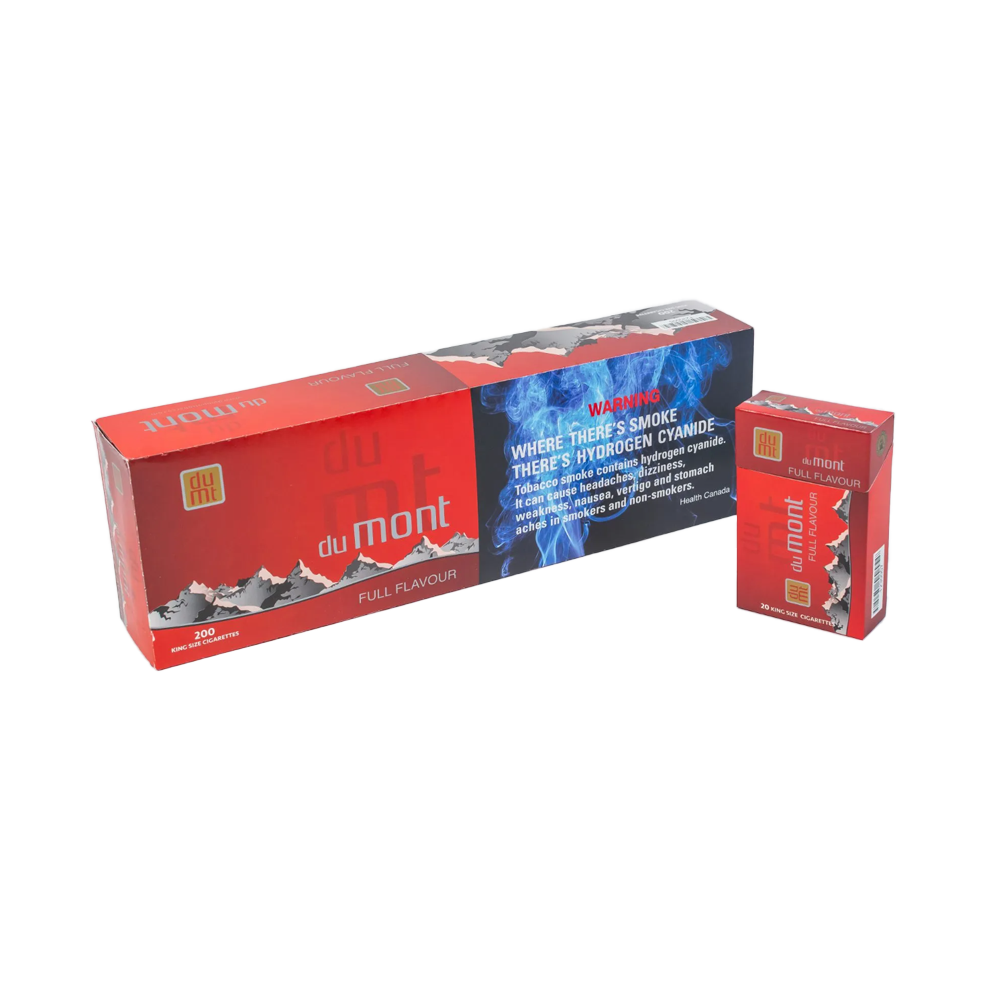

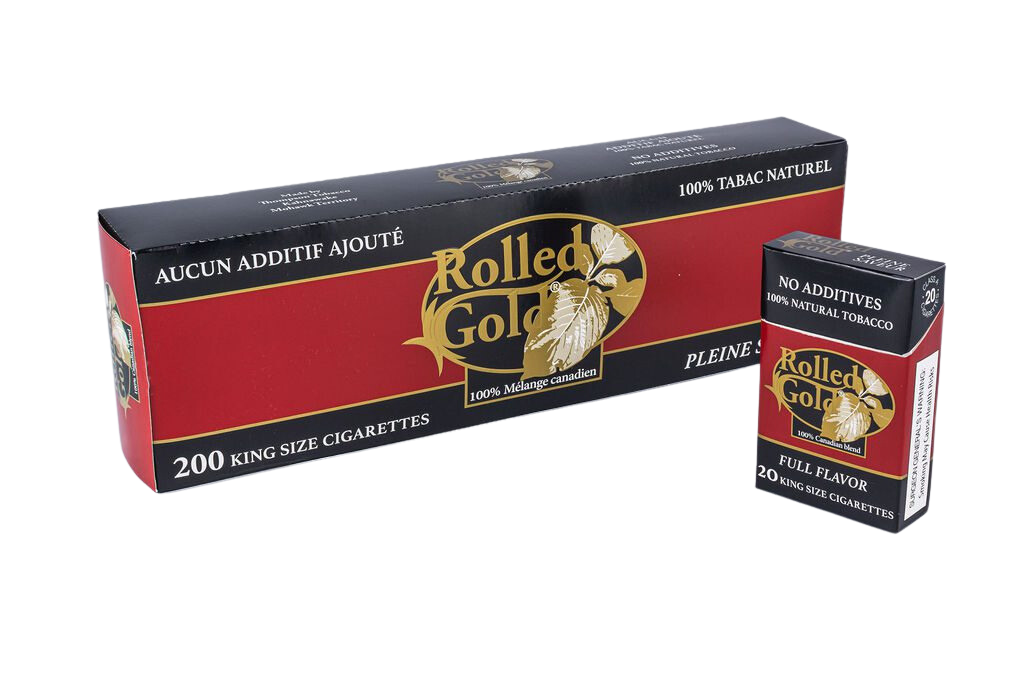
⭐ Excluded: BB light Manitoba, BB full Manitoba, Chanel Blueberry, Chanel ice. See all 29+ native brands at Cigstore.ca.
🚚 Delivery Across Canada – $29 Flat Rate
We ship to every province and territory using Canada Post, Purolator, FedEx, and UPS. Orders over $290 qualify for FREE shipping. Age verification (19+) required upon delivery.
📦 Same-day dispatch for orders before 2 PM EST. Tracking provided within 24 hours.
📚 You Might Also Enjoy These Articles
Cigarettes in Hollywood’s Golden Age
Glamour, rebellion, and the silver screen.
The Most Famous Cigarette Scenes in Film History
From Casablanca to Pulp Fiction.
Why Modern Movie Characters Rarely Smoke
The MPAA rating shift that changed Hollywood.
Smoking in Canadian Movies
From cool to condemned — the on-screen journey of tobacco.
The Most Famous Smoking Characters in Film & TV
From Bogart to Don Draper.