
How Smoking Causes Foggy Windows
The Chemistry of Tar, Condensation, and the Stubborn Yellow Film
🪟🚬 You’ve seen it: the windows in a smoker’s home are perpetually foggy, covered in a stubborn yellow-brown film that no amount of standard glass cleaner seems to remove. This is not just condensation — it’s a chemical reaction. Cigarette smoke contains thousands of compounds, including tar, nicotine, and volatile organic compounds (VOCs), that fundamentally alter the surface properties of glass. This article explains the physics and chemistry behind smoker’s fog: how cigarette residue makes glass hydrophilic, why the film turns yellow, and how to actually clean it off for good.
💧 Normal Condensation vs. Smoker’s Fog
Normal condensation: Water droplets form on cold glass, evaporate when temperatures equalize.
Smoker’s fog: A persistent, greasy film that water clings to — does not evaporate cleanly.
Normal window condensation occurs when warm, moist indoor air meets a cold glass surface. The water vapor condenses into tiny droplets. When the glass warms up or humidity drops, the water evaporates, leaving the glass clear. In a smoker’s home, this does not happen.
- 💧 Clean glass: Hydrophilic (water-attracting) but smooth. Water droplets form but roll off or evaporate without leaving residue.
- 🟡 Smoker’s glass: Coated with a thin layer of tar and nicotine residue. This layer is also hydrophilic but sticky, trapping water and creating a persistent fog.
- ⏱️ Why it doesn’t clear: The tar residue holds moisture even after the glass warms up. The water doesn’t evaporate — it just sits on the sticky surface.
- 🟤 The yellow-brown colour: The residue itself is yellowish-brown (oxidized tar and nicotine). When water condenses on it, the colour intensifies.
🧪 Tar as a Surfactant: Why Smoke Residue Loves Water
Cigarette tar is not just a stain — it is a surfactant (surface-active agent). Surfactants reduce the surface tension of water, causing it to spread out rather than bead up. This is why smoker’s windows fog in a uniform, greasy layer rather than in distinct droplets.
- 🧴 Surfactant action: Clean glass causes water to bead (high surface tension). Tar-coated glass causes water to spread (low surface tension). This is the same principle as dish soap breaking down grease.
- 🟡 Composition of the film: The residue is a complex mixture of nicotine (hygroscopic — attracts water), tar (viscous and sticky), and volatile organic compounds (VOCs).
- 📉 Hygroscopic effect: Nicotine absorbs moisture directly from the air. Even without condensation, the film is slightly damp — which is why it feels sticky to the touch.
- 🪞 The film thickness: Over time, layers of tar build up. Each cigarette adds microscopic particles that settle on surfaces. After months or years, the film becomes visible to the naked eye.
📖 Key concept: Think of tar as a layer of invisible glue. Water doesn’t bead up and roll off — it spreads out and sticks. That’s why smoker’s windows are always foggy.
🔬 The Chemistry: What’s Actually in That Yellow Film?
• Nicotine (hygroscopic — attracts water)
• Tar (polycyclic aromatic hydrocarbons — PAHs)
• Tobacco-specific nitrosamines (TSNAs — carcinogens)
• Volatile organic compounds (formaldehyde, acrolein, benzene)
• Heavy metals (lead, cadmium, arsenic)
The yellow-brown film on smokers’ windows is not just unsightly — it is a toxic residue containing many of the same carcinogens found in cigarette smoke. A 2010 study published in the Proceedings of the National Academy of Sciences found that thirdhand smoke (the residue left on surfaces) can react with indoor pollutants to form new carcinogens.
- 🔬 Nicotine + nitrous acid (HONO) → TSNAs: When nicotine on surfaces reacts with nitrous acid (from gas appliances or cleaning products), it forms tobacco-specific nitrosamines — potent carcinogens.
- 🧪 Oxidation darkening: Fresh tar is pale yellow. Over time, exposure to air and light causes oxidation, darkening the residue to deep brown.
- 🪞 Glass as a collector: Glass is non-porous, so it doesn’t absorb the residue. Instead, it acts as a collecting surface, allowing layer upon layer to build.
- ⚠️ Health hazard: This residue is not merely cosmetic. When you touch the window, you absorb nicotine through your skin. When the window is cleaned, the residue becomes airborne, potentially inhaled.
🪞 Why Windows Are the Worst-Affected Surface
While smoke residue settles on every surface in a smoker’s home, windows are uniquely vulnerable for several reasons:
- ❄️ Cold surface + warm smoke: When you smoke indoors, warm smoke rises and drifts toward the coldest surfaces — typically windows. The smoke condenses on the cold glass.
- 💧 Condensation adds moisture: Windows naturally collect condensation in cold weather. The water mixes with the tar residue, creating a slurry that spreads evenly across the glass.
- 🪞 Smooth, non-porous surface: Unlike walls (which absorb some residue), glass allows the residue to build in visible layers. What you see on the window is just the tip of the iceberg — there’s more on walls and ceilings that you can’t see.
- 📈 Thermal cycling: As windows heat up and cool down (day/night cycles), the residue is baked on, making it progressively harder to remove.
📊 Real-world impact: A pack-a-day smoker who smokes indoors for one year can deposit up to 1-2 grams of tar per square metre of glass surface. That’s invisible but accumulates.
🧽 How to Actually Clean Cigarette Residue from Windows
Standard glass cleaner (ammonia-based) often fails on smoker’s windows because the residue is oily and water-repellent. You need a degreaser.
- 🧴 Vinegar solution: Mix 1 part white vinegar with 3 parts warm water. The acid cuts through nicotine residue. Wipe with a microfiber cloth, then rinse with clean water.
- 🍋 Lemon juice + baking soda paste: For heavy buildup, make a paste of lemon juice and baking soda. Apply, let sit for 5 minutes, scrub gently, rinse.
- 🧼 Dish soap (degreaser): A few drops of blue Dawn (or any degreasing dish soap) in warm water works surprisingly well on tar residue. Rinse thoroughly with clean water to avoid streaks.
- 🏪 Commercial tar remover: Products like Krud Kutter or Goo Gone (specifically for tar) are effective but test on a small area first.
- ⚠️ Avoid abrasives: Never use steel wool or abrasive scrubbers on glass — they will scratch the surface, creating micro-scratches that will trap future residue even more stubbornly.
💡 Pro tip: After cleaning, apply a glass sealant (Rain-X or similar). This creates a hydrophobic layer that repels water and prevents future residue from sticking as easily.
🚭 Prevention: How to Stop Window Fog Before It Starts
- 🚬 Smoke outside: The only sure way to prevent residue is to smoke outdoors. No indoor smoking = no indoor residue.
- 💨 Improve ventilation: If you must smoke indoors, open windows and use exhaust fans. But note: this reduces, not eliminates, residue.
- 🪟 Clean windows weekly: Wipe down windows with vinegar solution every week to prevent buildup before it becomes visible.
- 🌬️ Use an air purifier: A HEPA air purifier with activated carbon reduces airborne particles, but does not eliminate surface residue.
- 🔄 Switch to native cigarettes: Native cigarettes (Playfare, Canadian, DuMont) contain the same tar and nicotine as commercial brands — they will still cause fog. The only prevention is smoking outside.
📖 Key insight: Many smokers believe that “cracking a window” while smoking indoors prevents residue. This is false. Smoke particles are small enough to drift through the room before they exit. The residue will still settle on surfaces.
⚠️ Health Implications: What That Fog Means for You
The residue on your windows is not just a cleaning problem — it’s a health hazard.
Nicotine on surfaces reacts with indoor pollutants to form carcinogens.
Children are particularly vulnerable (hand-to-mouth contact).
The persistent fog on smokers’ windows is a visible sign of thirdhand smoke — the toxic residue that lingers long after the cigarette is extinguished. Research has shown that this residue:
- 🧬 Forms carcinogens: Nicotine on surfaces can react with nitrous acid (from gas appliances or cleaning products) to form tobacco-specific nitrosamines (TSNAs) — potent carcinogens not present in fresh smoke.
- 👶 Harms children: Infants and toddlers crawl on floors and touch surfaces, then put their hands in their mouths. They are disproportionately exposed to thirdhand smoke residue.
- 🐾 Affects pets: Cats groom themselves, ingesting nicotine residue from their fur. Dogs with long snouts are at higher risk for nasal cancer from inhaled thirdhand smoke.
- 🩺 Long-term risks: Studies have linked thirdhand smoke exposure to impaired wound healing, insulin resistance, and increased cancer risk.
📖 From the Proceedings of the National Academy of Sciences (2010): “Thirdhand smoke (THS) is the residual tobacco smoke contamination that remains after a cigarette is extinguished. THS has been shown to react with indoor nitrous acid to form carcinogenic tobacco-specific nitrosamines.”
📦 Native Cigarettes: Same Fog, Same Residue
Native cigarettes (Playfare, Canadian, DuMont, Nexus, Rolled Gold) cost $29-50 per carton — compared to $140-180 for commercial brands — a savings of 70-80%. However, they contain the same tar, nicotine, and VOCs as commercial cigarettes. They will cause the same foggy windows, the same yellow film, and the same thirdhand smoke hazards.
- 💰 Cost savings: A pack-a-day smoker saves $5,000-7,000 per year by switching to native cigarettes.
- 🚫 No difference in residue: Native cigarettes produce identical tar deposits. Your windows will fog just as badly.
- 📦 Online delivery: Cigstore.ca ships to every province and territory with $29 flat shipping (free over $290).
- 🪟 If you smoke indoors, your windows will fog — regardless of brand. The only solution is to smoke outside.
🇨🇦 Resources for Smokers Who Want to Quit
- 📞 Smokers’ Helpline (1-877-513-5333): Free, confidential telephone coaching.
- 💊 Nicotine replacement therapy (NRT): Patches, gum, lozenges — safe and effective. Some provincial health plans cover NRT.
- 📱 QuitNow (quitnow.ca): Free app with tracking and community support.
- 🩺 Your doctor: Medications like varenicline (Champix/Chantix) and bupropion (Zyban/Wellbutrin) can help.
🔥 Top 5 Native Cigarettes for Canadian Smokers
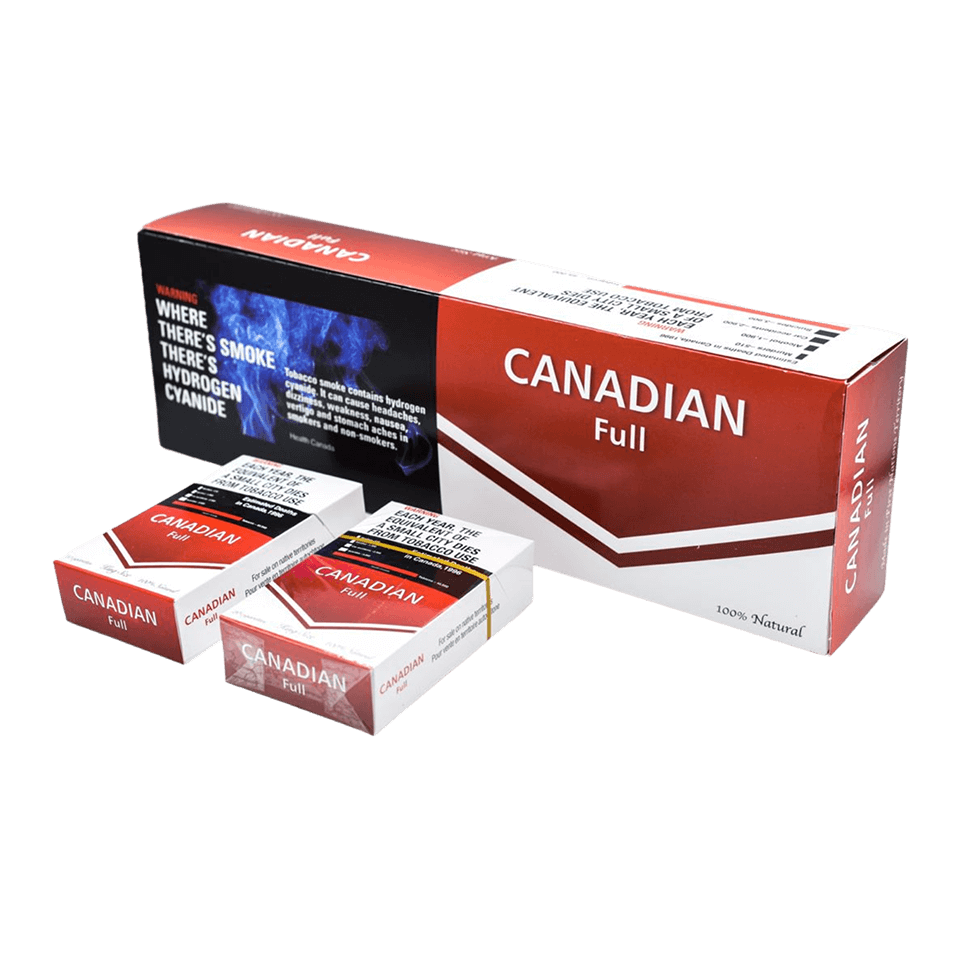
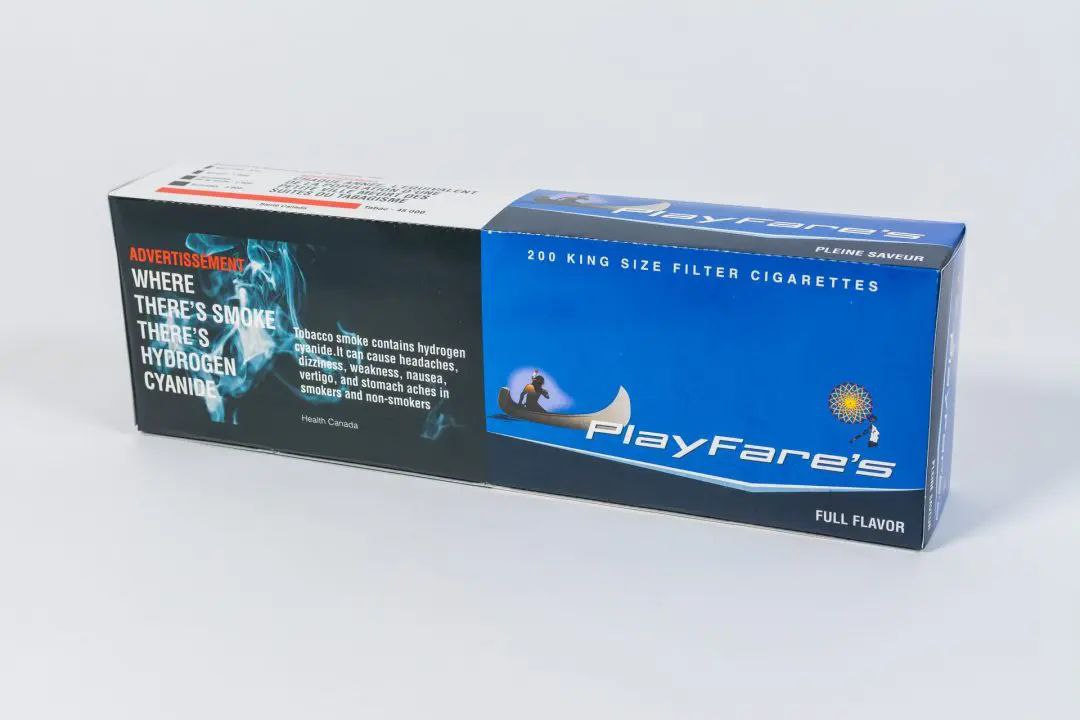
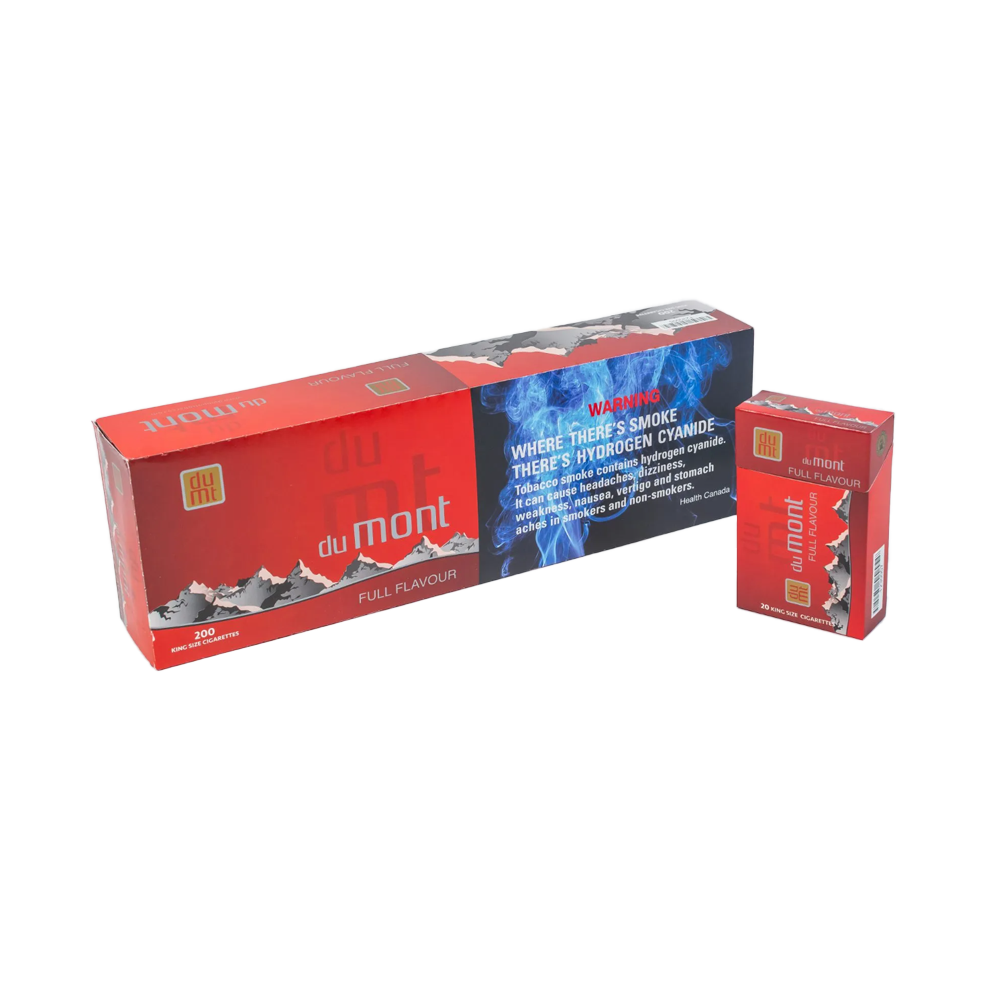
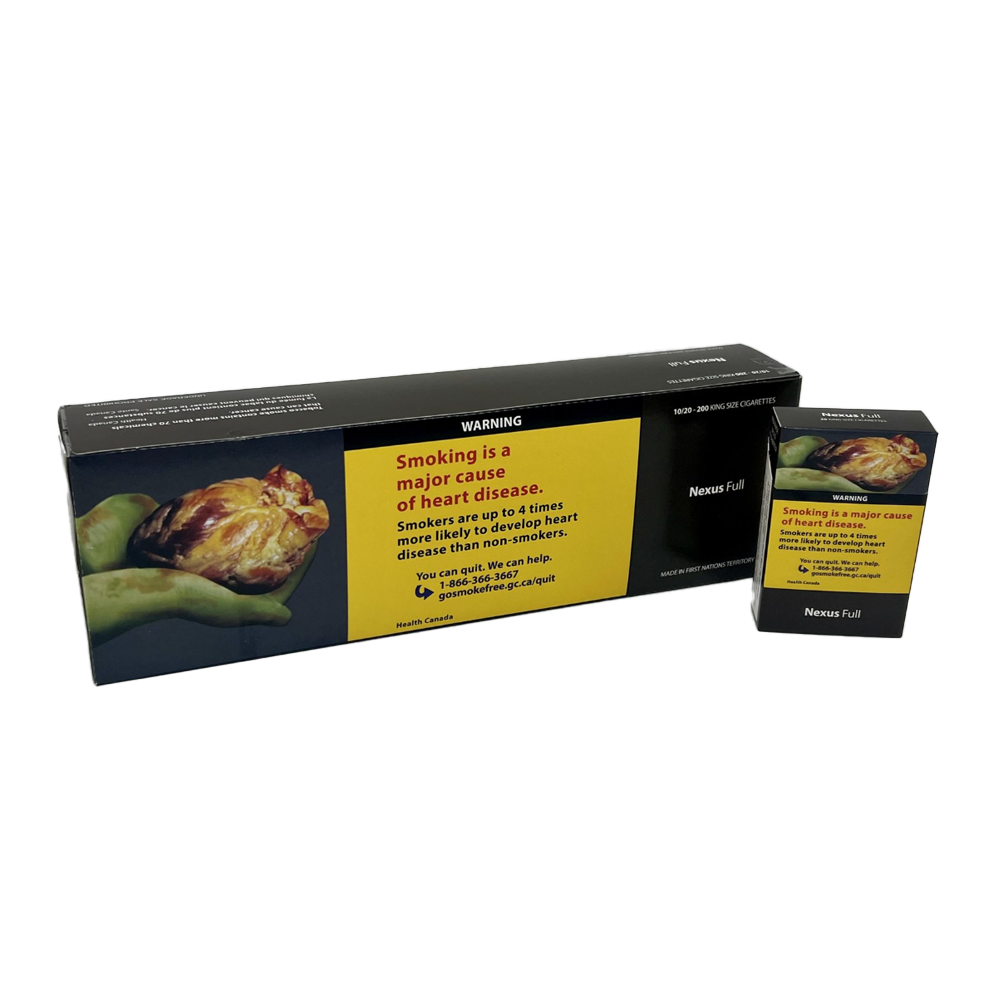
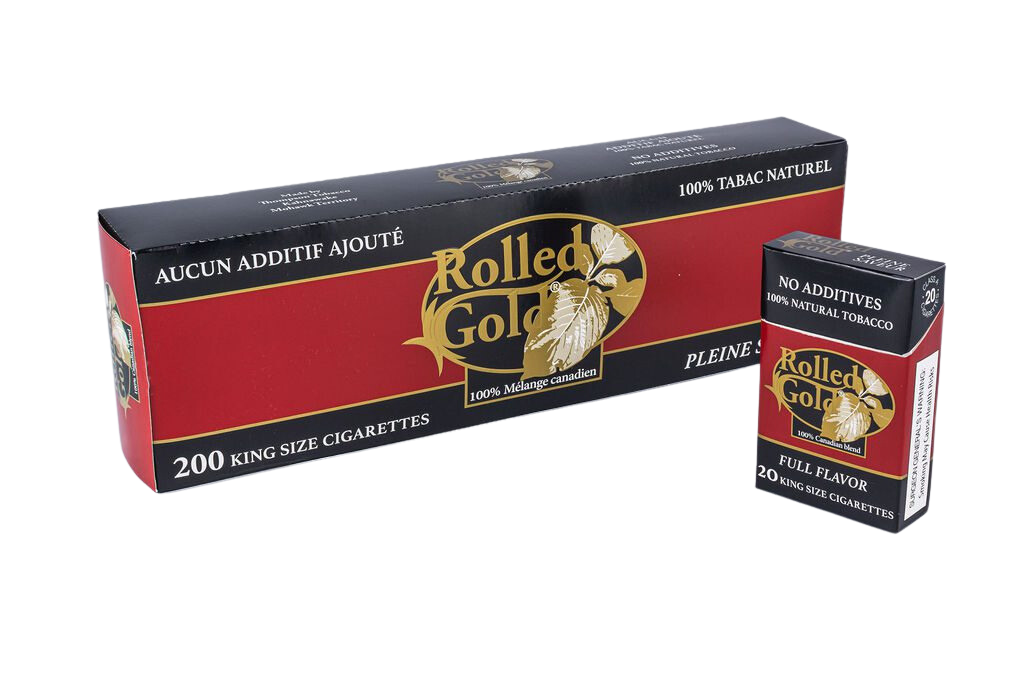
⭐ Excluded: BB light Manitoba, BB full Manitoba, Chanel Blueberry, Chanel ice. See all 29+ native brands at Cigstore.ca.
🚚 Delivery Across Canada – $29 Flat Rate
We ship to every province and territory using Canada Post, Purolator, FedEx, and UPS. Orders over $290 qualify for FREE shipping. Age verification (19+) required upon delivery.
📦 Same-day dispatch for orders before 2 PM EST. Tracking provided within 24 hours.
📚 You Might Also Enjoy These Articles
How to Remove Cigarette Smell from a Room in 5 Minutes
Quick solutions for odor elimination.
How to Remove Yellow Nicotine Stains from Fingers
From kitchen ingredients to commercial products.
The Thirdhand Smoke Nightmare
How nicotine residue lingers in carpets and curtains.
How to Remove Cigarette Smell from Upholstered Furniture Without a Vacuum
Natural methods for fabric surfaces.
How to Remove Cigarette Smell from Your Car Interior in 20 Minutes
Automotive odor elimination.