
Subcultures and Smoking: Hipsters, Metalheads and Others
A Comparison of Habits and Brand Preferences Within Youth Subcultures
🚬 The cigarette is more than a delivery mechanism for nicotine; it’s a symbolic object. For decades, the brand you smoked and how you smoked it have served as a visual shorthand for identity, belonging, and rebellion within youth subcultures. From the punk’s cheap, proletariat fag to the new romantic’s elegant, unfiltered Sobranie, smoking has been a powerful tool for ‘doing’ subcultural identity. This article explores the deep, complex relationship between music and style subcultures and their smoking habits, examining how brand affinity, style, and risk are woven into the fabric of youth culture.
Sociological research has consistently found a strong correlation between subcultural affiliation and substance use. A 2003 study on Dutch teenagers found that those affiliated with counter-cultural groups like Hiphoppers and Gabbers were more frequent substance users than their peers in more mainstream, ‘parent-culture’ oriented groups like Normalos or Skaters [citation:4][citation:5][citation:9]. This suggests that the very act of adopting a counter-cultural identity involves a rejection of dominant norms, which can extend to behaviors like smoking.
This risk profile is so well-established that it has been formalized in public health research. The “Alternative” subculture, defined by a rebellious attitude and a preference for rock, alternative, or indie music, is identified as a high-risk group not just for smoking, but for a range of issues including low self-esteem, depression, and self-harm [citation:2]. The cigarette, in this context, can function as both a symbol of rebellion and a mechanism for managing the psychological distress associated with being an outsider.
- 🧠 Identity as a Shield: Subcultural membership can provide belonging, but it can also be a marker of isolation from the mainstream. Smoking becomes a shared ritual that reinforces the in-group/out-group dynamic.
- 📈 The ‘Authentic’ Act: For many subcultures, smoking is not just a habit but a performance of authenticity. To smoke the ‘wrong’ brand is to risk being seen as a poser or a fake.
Throughout the 1970s, 80s, and 90s, specific cigarette brands became deeply intertwined with the visual and ideological identity of different youth subcultures. Smoking a particular brand was a deliberate choice, a way to signal allegiance to a specific tribe [citation:7][citation:8].
🤘 Punks & Working-Class Rebels
For punks, brand choice was an expression of class solidarity and rebellion against commercialization. Brands like Number Six, B&H, Number Ten, and Sovereign were favored for their cheap, working-class associations [citation:7]. Roll-your-own tobacco was also common, representing a DIY ethos that rejected mass-produced culture.
Number Six B&H Sovereign
🕺 New Romantics & The Pose
In stark contrast to punk’s austerity, the New Romantic scene embraced glamour and artifice. Smoking was less about substance and more about “the pose” [citation:7]. Brands like Sobranie (with its iconic black and colored cigarettes) and Vogue were chosen for their elegant, sometimes androgynous aesthetic. Often, the cigarettes were held in a holder, and many were barely smoked at all [citation:7].
Sobranie Vogue
🏍️ Mods & Teddy Boys
For the sharply dressed mods of the early 60s, sophistication was key. Early modernists, lovers of modern jazz, were said to have smoked Gauloises [citation:7]. Later, more mainstream mods might opt for British brands like Piccadilly, Benson’s, or Peter Stuyvesant [citation:7]. Teddy boys, with their working-class roots, aimed for American brands, finding something exotic and cool in the look and feel of the soft packs [citation:7].
Gauloises Peter Stuyvesant Camel
🌿 Hipsters & Indie Kids
In more recent years, the ‘hipster’ archetype, characterized by a commitment to authenticity and a rejection of the mainstream, has continued this tradition. The archetypal hipster, described as a “hardcore of early-adopter metalheads with gauged ears and box mods,” gravitated toward complex, technical vape devices (or ‘box mods’) [citation:6]. The choice of a specific, often niche, vaping device became a new, technologically-driven form of subcultural distinction.
Box Mods Niche E-Liquids
🔊 Soul Boys & Reggae Fans
Certain scenes also fostered unique smoking cultures. For punks at gigs with reggae bands, the “thing to do” to show you were “down with everything” was to smoke weed, blending the two cultures [citation:7]. For others, brand loyalty was strong and tied to a specific scene.
Weed Various
The rise of vaping has created a new subcultural ecosystem. Early adopters of e-cigarettes were often characterized as a distinct subculture, distinguished by their knowledge of complex hardware and “box mods” [citation:6]. This created a divide between the “authentic” vaper and the mainstream consumer, often identified by gender and class [citation:6].
- ⚙️ The Masculine Aesthetic: The subcultural vape industry built itself around a “masculine aesthetic and a commitment to authenticity and DIY practice,” which risked excluding those without specialist knowledge [citation:6].
- 📉 The Mainstream “Other”: The subcultural industry defined itself in opposition to the “mainstream” industry, often linked to big tobacco. This struggle for symbolic legitimacy is a classic feature of subcultural formation [citation:6].
- 💨 The Price-Focused Market: Despite the subcultural spectacle, the most successful sector of the market has been price-focused, suggesting that for most consumers, vaping is primarily a cheaper alternative to smoking rather than a statement of identity [citation:6].
Subcultural brand preferences are not arbitrary; they are rooted in specific social perceptions. For example, research on young adult smokers reveals how brands like Newport acquire a powerful social meaning [citation:3].
- 🤝 Peer Popularity: Young adults reported that Newport was “the highest smoked cigarette” in their social circles [citation:3].
- 📦 Packaging Appeal: The distinctive, visually appealing box was a key factor in initial brand choice, as one interviewee admitted: “the box was cool, so I was like, ‘Okay, well, let me just go for this one'” [citation:3].
- 💥 The ‘Hard Hit’: Menthol brands like Newport are perceived by some as providing a more satisfying “hit” than non-menthols. As one smoker noted, “if I smoke a plain cigarette, after I’m done, I can smoke another one. It’s like air… I can’t smoke two [Newports] back-to-back” [citation:3]. This perceived strength aligns with the ‘tough’ image of some subcultures.
📊 Subcultural Smoke: A Comparative Guide
| Subculture | Key Brands | Symbolism | Primary Function |
|---|---|---|---|
| Punk | Number Six, B&H, Sovereign | Working-class solidarity, DIY rebellion | Authenticity, defiance |
| New Romantic | Sobranie, Vogue | Glamour, artifice, pose | Visual statement |
| Mod | Gauloises, Peter Stuyvesant | Sophistication, international style | Status, cool |
| Hipster (Vape) | Box Mods, Niche E-Liquids | Authenticity, technical knowledge | Distinction, connoisseurship |
| Teddy Boy | Camel, American brands | Americana, exotic cool | Style, aspiration |
📍 Shipping Across Canada – All Provinces & Territories
We deliver to every province and territory with $29 flat shipping (free over $290) via Canada Post, Purolator, FedEx, or UPS. Age verification (19+) is required upon delivery.
🔥 Top 5 Popular Products for Canadian Smokers
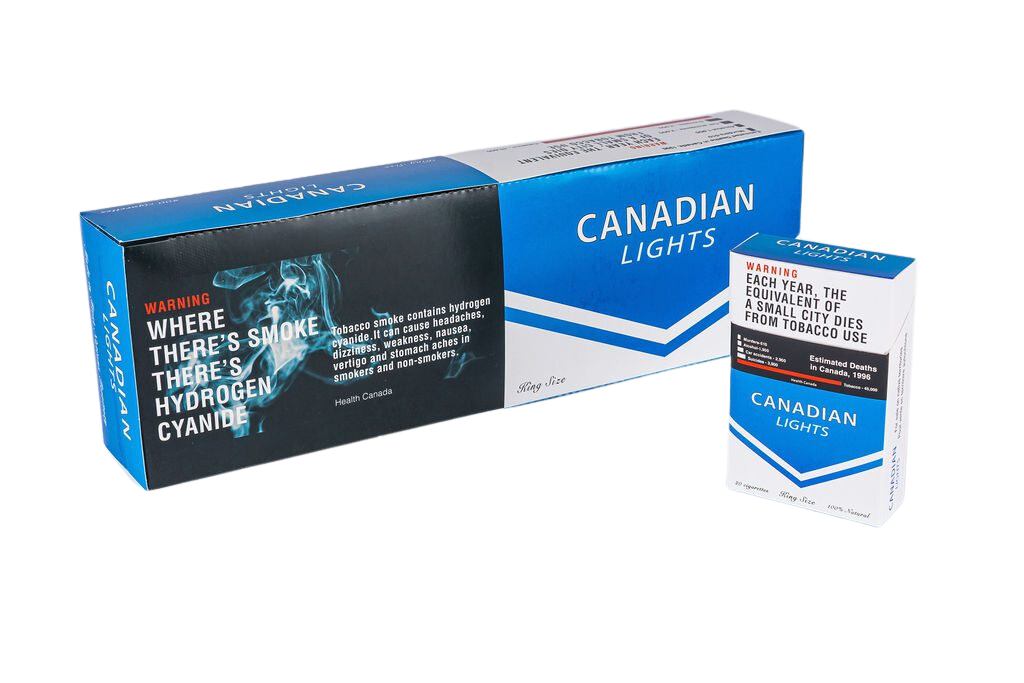
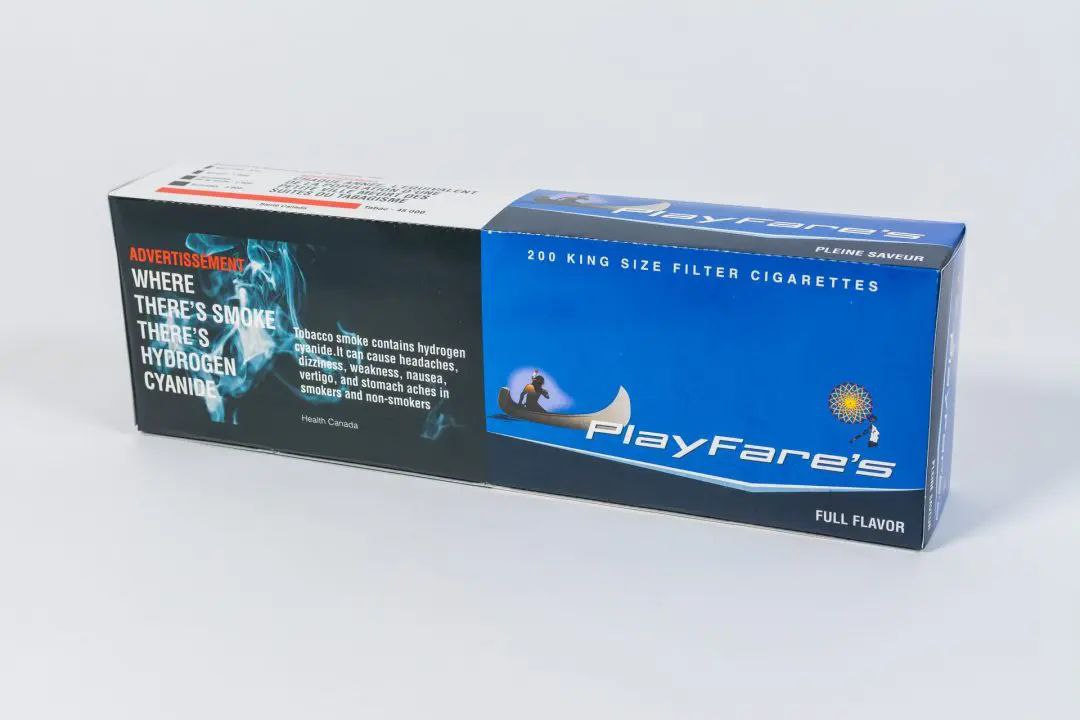
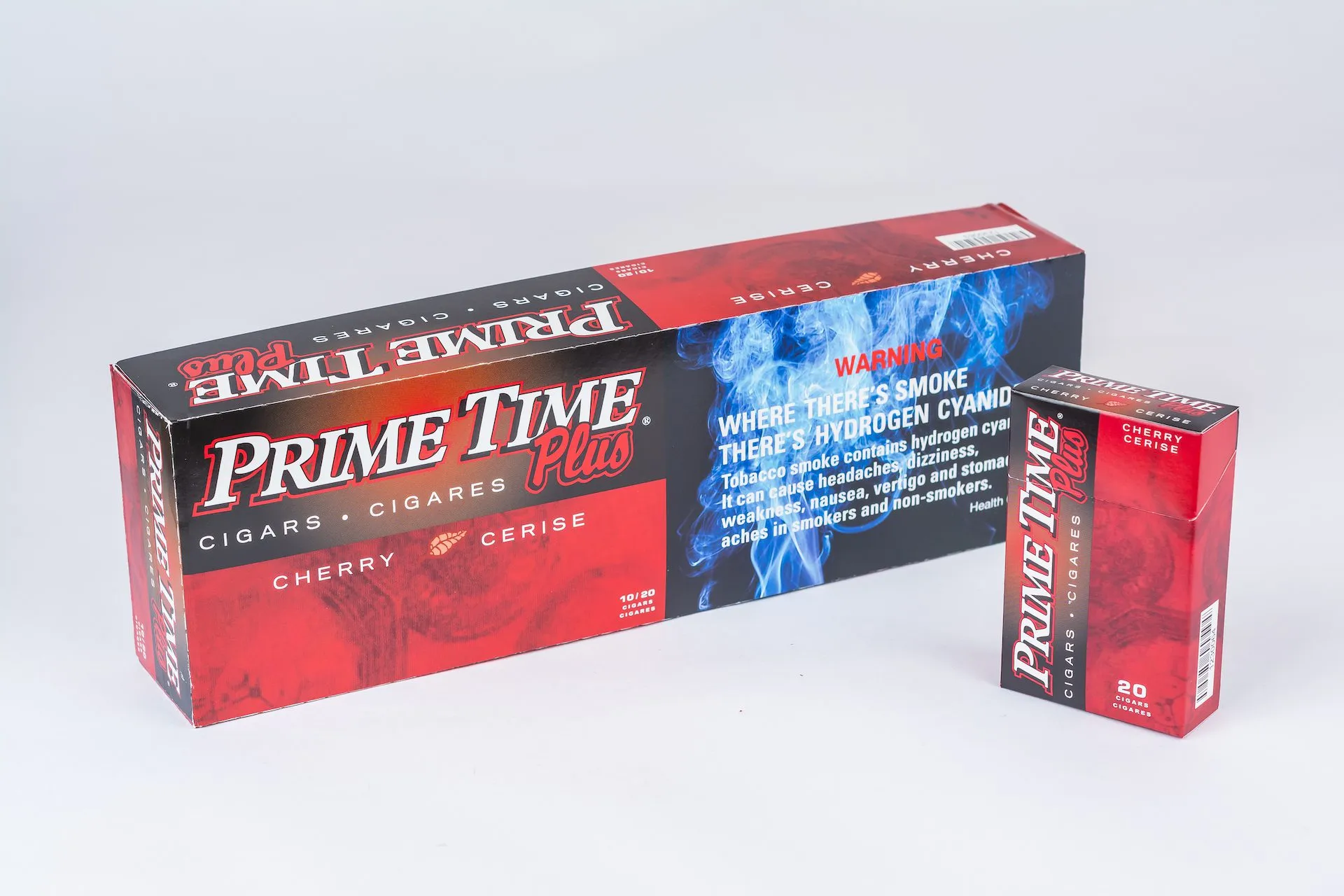
📚 You Might Also Find These Articles Interesting
History of Smoking in Canada
From 1950s ads to plain packaging – a longer timeline.
5 Iconic Ads Banned Today
Campaigns that would never survive modern laws.
1994 Tax Cut Story
How native cigarettes became affordable.
Why Cigarettes Are Expensive
Complete tax breakdown.
Forgotten Canadian Brands
Craven ‘A’, Sweet Caporal, Rothmans.
💨 No gimmicks. Just honest smokes.
We ship anywhere in Canada with $29 flat shipping – free over $290. Age 19+ verification required.
🛒 See Today’s Best Prices →