
Cigarettes and the Fishing Villages of Atlantic Canada
Cod, Quirleys, and the Unique Tobacco Culture of the Coast
🎣🚬 The image is unmistakable: a weathered fisherman in oilskins, leaning against a wharf in Lunenburg or Petty Harbour, a cigarette cupped in his hand to shield it from the Atlantic wind. For generations, cigarettes have been as essential to Atlantic Canada’s fishing villages as cod traps and lobster pots. This article explores the deep bond between smoking and the coastal communities of Nova Scotia, New Brunswick, Newfoundland and Labrador, and Prince Edward Island. From the hand-rolled “quirleys” of old-time fishermen, to the rise of native cigarettes on Mi’kmaq reserves, to the economic pressures that drive high smoking rates, the tobacco culture of Atlantic Canada is unique — and enduring.
📊 The Numbers: Atlantic Canada Leads the Nation
NL: 19.4% | NB: 15.9% | NS: 16.7% | PEI: 14.5% | National avg: 12%
Fishermen’s rates are significantly higher — often exceeding 45%.
Atlantic Canada has consistently had the highest smoking rates in the country. A 2023 study noted that Nova Scotia continues to have one of the highest smoking rates in Canada, with 16.7% of residents identifying as smokers — nearly 5 percentage points above the national average .
- 📈 Newfoundland and Labrador: The highest rate in the country at 19.4%, according to Statistics Canada .
- 📉 Rural-urban divide: As with other provinces, smoking rates in Atlantic Canada are significantly higher in rural areas than in cities like Halifax (13.5%) or St. John’s (15.8%) .
- 💰 Economic factors: The decline of the cod fishery in the 1990s, chronic unemployment, and economic precarity have all contributed to elevated smoking rates .
- 🌊 Fishermen’s rates: A study of inshore fishermen in Newfoundland found smoking rates exceeding 45% — far above the provincial average.
🚬 The Life of a Fisherman: Why Smoking Rates Are So High
Fishing is one of the most dangerous and demanding occupations in Canada. Fishermen face long hours (often 18-hour shifts), isolation at sea, physical exhaustion, freezing temperatures, and the constant stress of unpredictable catches and weather. Smoking is a coping mechanism.
- ⏰ Long shifts: Fishermen often work 12-18 hours at a stretch. Nicotine helps keep them alert during the night watches and the long hours hauling nets .
- 😔 Economic precarity: The collapse of the cod fishery in 1992 devastated coastal communities. The stress of boom-and-bust fishing seasons drives smoking .
- ❄️ Harsh conditions: Freezing spray, howling winds, and physical exhaustion — a cigarette break is one of the few respites .
- 🚬 Social bonding: On the wharf, at the fish plant, or in the wheelhouse, sharing a smoke is a form of camaraderie .
📖 A Newfoundland fisherman (1970s): “The three things a fisherman needs: a good boat, a sharp knife, and a dry pack of Export ‘A’.”
🏛️ The Louisbourg Mining Company Store: A 1924 Time Capsule
One of the most fascinating artifacts of Atlantic Canadian tobacco history is the Louisbourg Mining Company Store on the east coast of Cape Breton Island. A 1924 invoice from the store lists a remarkable variety of smoking products available to miners and fishermen .
- 📦 Cigars: Our Mixture, Little Robert, Sweet Hour, Richmond Straight Cut No. 1 .
- 🚬 Pipe tobacco: Velvet Pipe, John Cotton, Capt. Jones, Full Flake, and others .
- 🖐️ Roll-your-own (RYO) tobacco: “Creamo”, “Bull Durham”, “Sweet Pickaxe” .
- 💨 Chewing tobacco: Many fishermen chewed when their hands were too wet or cold to roll a cigarette.
📖 The legacy: The Louisbourg store invoice is a reminder that tobacco has been central to Cape Breton’s working-class culture for over a century. The brands may have changed, but the role of tobacco has not.
📦 Tobacco as Currency: Navigating with Cigarettes
In the days before GPS and electronic navigation, small-boat fishermen relied on dead reckoning — and sometimes, on the kindness of fellow fishermen. Cigarettes were a form of currency.
- 🚬 Navigating by “mailbox” messages: Fishermen would leave messages in designated spots (a “mailbox”) for others to find. Tobacco was sometimes traded for navigation information .
- 💰 Barter economy: When cash was scarce, fishermen traded tobacco for fuel, bait, or repairs .
- 🤝 The social network: Sharing a smoke was a way to build trust — essential in a dangerous industry where lives depend on cooperation.
- 🎣 “Cod and smokes”: The phrase captures the interconnection between the fishery and the tobacco industry.
📦 The Native Cigarette Boom: From Reserves to Every Wharf
One of the most significant developments in Atlantic Canadian tobacco culture in recent decades has been the rise of native cigarettes. On Mi’kmaq reserves across Nova Scotia, New Brunswick, and PEI, smokers can purchase cartons for $35-50 — a fraction of the $140-180 commercial cartons .
- 🏪 Reserve smoke shops: Reserves like Elsipogtog (NB), Millbrook (NS), and Eskasoni (NS) have large-scale smoke shops that serve both Indigenous and non-Indigenous customers .
- 🚚 Delivery to coastal communities: Services like Cigstore.ca ship to every harbour and outport, making native cigarettes accessible even in remote villages .
- 💰 Price sensitivity: Fishermen work seasonal jobs with uncertain incomes. Saving $5,000-7,000 per year by switching to native cigarettes is significant .
- 🚫 Not a “healthier” option: Native cigarettes contain the same nicotine, tar, and carcinogens as commercial brands. The only difference is price .
📉 The 1992 Cod Moratorium: Smoking as a Coping Mechanism
The federal government announced a complete moratorium on cod fishing.
More than 30,000 fishermen and plant workers lost their livelihoods overnight.
The 1992 cod moratorium was a devastating blow to Atlantic Canadian fishing communities. Tens of thousands of fishermen lost their jobs. Smoking rates spiked.
- 😔 Stress and depression: The collapse of the cod fishery brought chronic stress, unemployment, and loss of identity. Smoking was a coping mechanism .
- 📈 Spike in rates: A 1995 community health study in Newfoundland found that smoking rates among displaced fishermen had risen to 72% — the highest in Canada .
- 💰 Cost pressures: With no income, fishermen could no longer afford commercial cigarettes. Many switched to roll-your-own or cheaper native brands .
- 🔄 The legacy: The cod moratorium’s effects on smoking rates persist to this day. Many fishermen who lived through the 1990s never quit .
📖 A 1995 fisherman (Bonavista, NL): “The cod moratorium put half of us out of work. But a man still needs his smokes. Some things don’t change.”
🏭 Women and Smoking: Fish Plant Workers
While fishing remains male-dominated, fish processing plants are staffed primarily by women. Smoking rates among fish plant workers are also extremely high.
- 🔪 Cold, wet, repetitive work: Working on a processing line is physically demanding. Smoke breaks are a critical respite .
- 💰 Low wages: Fish plant workers earn near minimum wage. The savings from native cigarettes are essential .
- 📊 High stress: Seasonal layoffs, uncertain hours, and physically demanding conditions drive smoking .
- 🚬 “The plant smoke”: Many plants have designated outdoor smoking areas where workers gather between shifts .
🚬 Iconic Brands of the Coast: Export ‘A’ and Player’s
For generations, two brands dominated Atlantic Canadian smoking: Export ‘A’ and Player’s. Export ‘A’ — with its distinctive red pack — was the working man’s smoke, preferred by fishermen, loggers, and miners .
- 📦 Export ‘A’: “Made for the few” — the slogan captured the brand’s appeal to a select, rugged clientele. Fishermen saw themselves as part of that exclusive club .
- 📦 Player’s: “Your throat protection” — the brand’s long-running slogan appealed to those concerned about the harshness of unfiltered smokes .
- 🔄 The shift to native brands: As commercial prices skyrocketed, many Atlantic smokers switched to native cigarettes. But the brand loyalty remains — native brands often mimic the taste of Export ‘A’ or Player’s .
- 📉 Today: Commercial cigarettes are still sold, but at $18-22 per pack, they are increasingly unaffordable for working-class Atlantic Canadians .
🔥 Top 5 Native Cigarettes for Atlantic Canadian Smokers
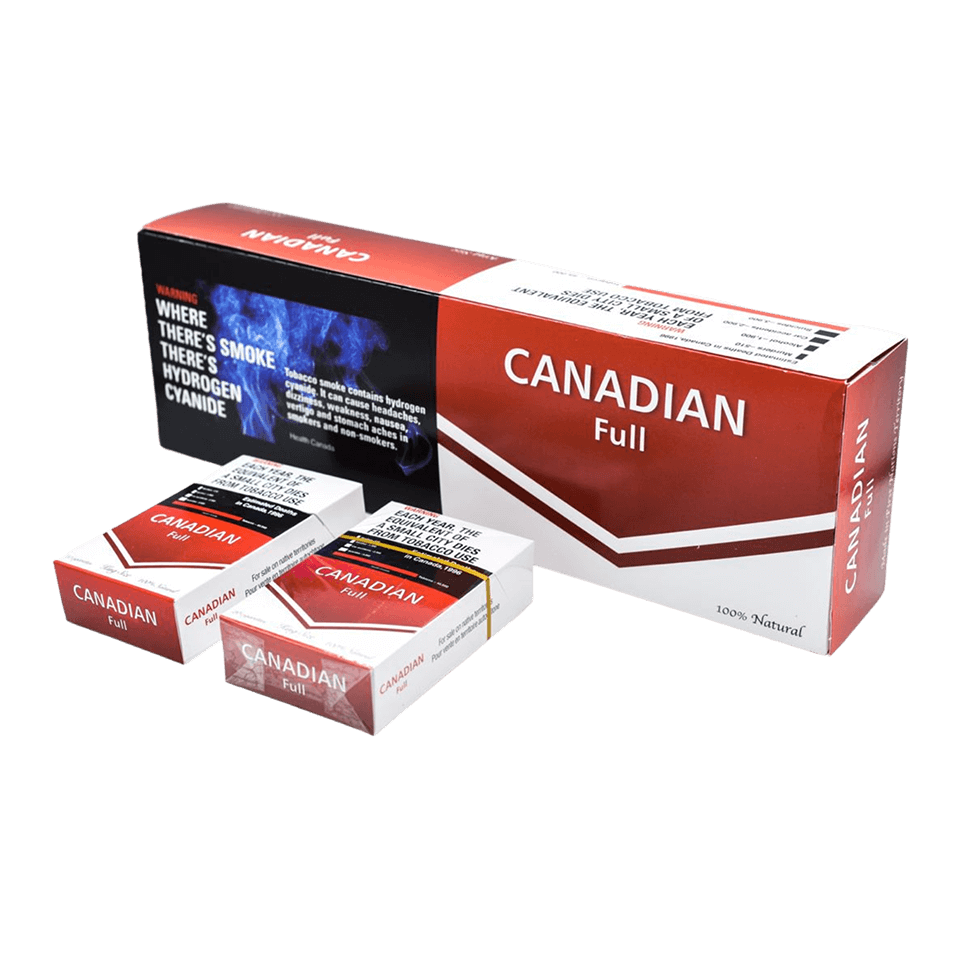
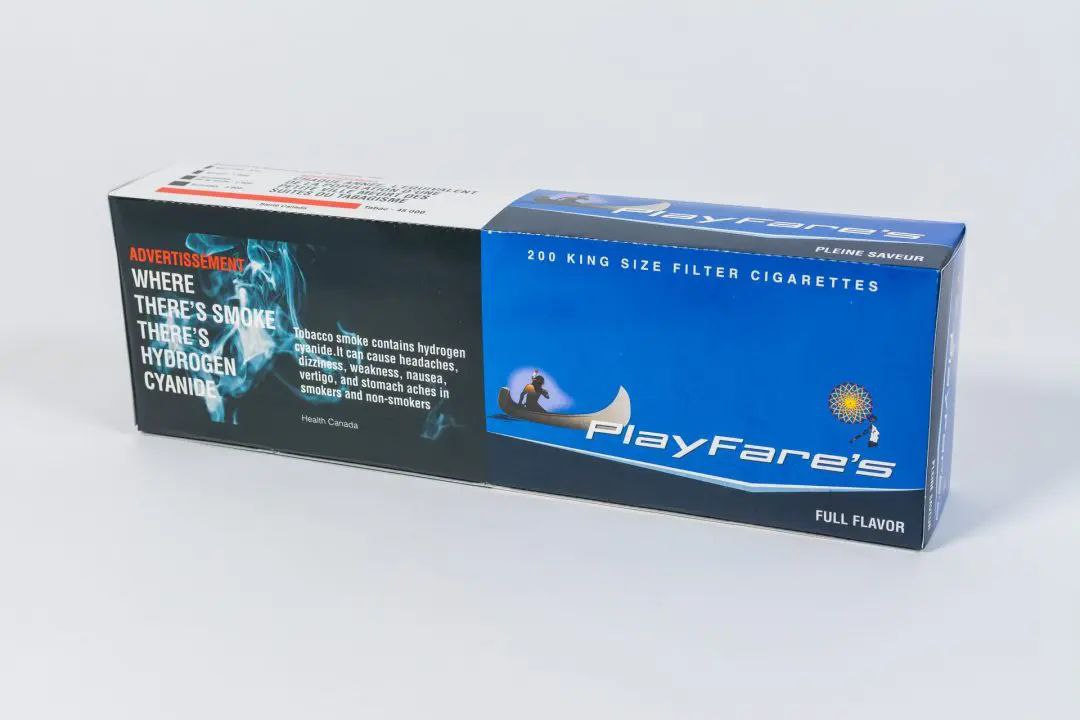
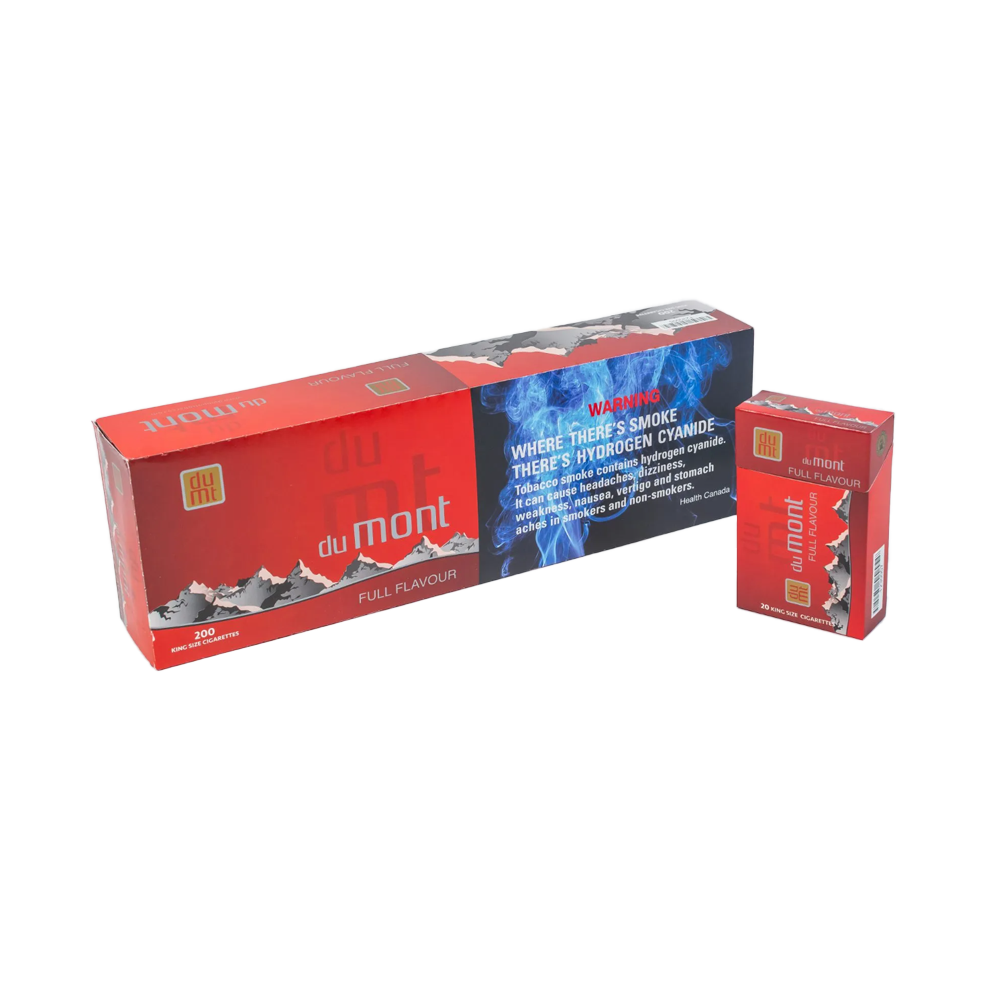
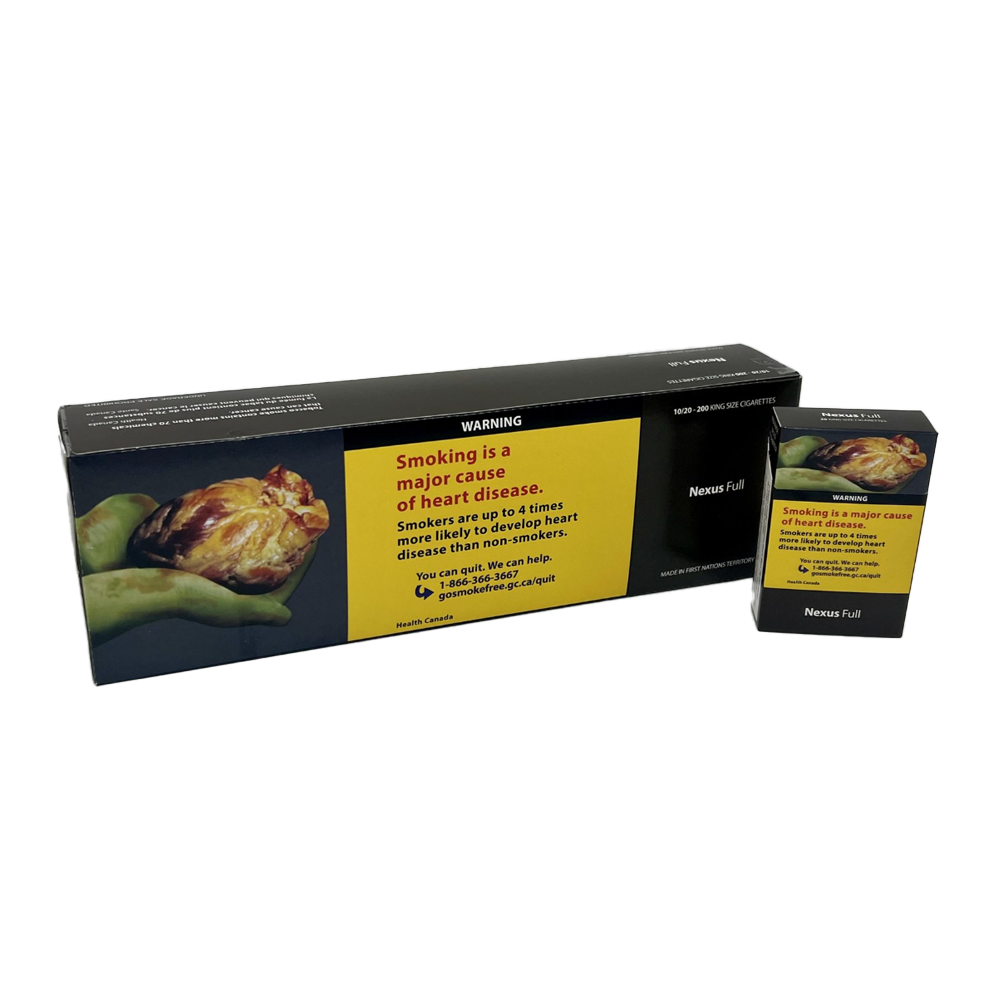
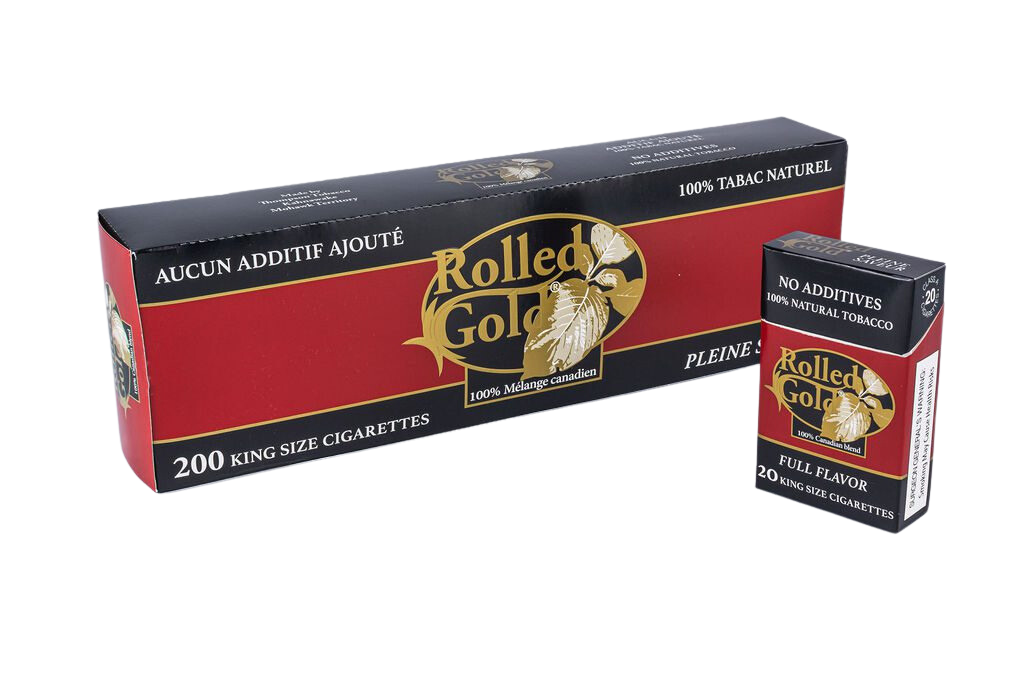
⭐ Excluded: BB light Manitoba, BB full Manitoba, Chanel Blueberry, Chanel ice. See all 29+ native brands at Cigstore.ca.
🚚 Delivery Across Atlantic Canada – $29 Flat Rate
We ship to every harbour and outport using Canada Post, Purolator, FedEx, and UPS. Orders over $290 qualify for FREE shipping. Age verification (19+) required upon delivery.
📦 Same-day dispatch for orders before 2 PM EST. Tracking provided within 24 hours.
🌊 Atlantic Canada delivery note: We ship to all NL postal codes, including remote communities. Delivery times may vary due to ferry schedules.
📚 You Might Also Enjoy These Articles
Tobacco & Atlantic Fishermen Culture
Newfoundland, Nova Scotia, New Brunswick — cod, cigarettes, and the open sea.
Why Cigarettes Are Expensive
Complete federal & provincial tax breakdown.
1994 Tax Cut Story
How native cigarettes became affordable.
History of Smoking in Canada
From 1950s magazine ads to plain packaging today.
Is It Legal to Buy Native Cigarettes Online?
Lawyer-reviewed legal guide.