
How Smoking Affects Tipping and Restaurant Behavior
The Psychology of the Smoke Break — What Research Reveals About Smokers at the Table
🍽️🚬 You’re at a restaurant. The table next to you finishes their meal, and the smoker reaches for a cigarette. But it’s 2026 — smoking indoors is banned. So they step outside. Ten minutes later, they return, pay the bill, and leave. Does that smoke break affect how much they tip? Does it change their ordering behavior? How do servers feel about smokers versus non-smokers? This article explores the fascinating intersection of smoking, psychology, and restaurant economics — from tipping studies to table turnover rates to the hidden costs of the cigarette break.
💰 The Tipping Gap: Do Smokers Tip More or Less?
A 1993 study found that smokers tipped an average of 10.1%, non-smokers 14.1% — a significant difference of 4 percentage points.
More recent research suggests the gap may have narrowed, but smokers still tip less than non-smokers.
The most famous study on this topic was published in the Journal of Applied Social Psychology in 1993. Researchers examined tipping behavior in a restaurant in the southeastern United States. The results were striking: smokers tipped an average of 10.1% compared to 14.1% for non-smokers — a difference of nearly 30% .
- 📊 The methodology: The study included 289 groups of diners. Server-recorded tip percentages were compared with diner smoking status (observed by servers).
- 📉 The interpretation: Researchers suggested that smokers may have lower “guilt” about under-tipping, or that the server’s attention to the smoker (refilling drinks, etc.) may have been perceived as inadequate.
- 📅 Has it changed in 30 years? Smoking rates have dropped dramatically (from ~25% in 1993 to ~12% today). Smokers are a smaller, more stigmatized group. Some researchers hypothesize that the tipping gap may have narrowed as smoking became less common.
- ⚠️ Limitations: The 1993 study did not control for factors like group size, bill amount, or time of day. More research is needed.
📖 From the 1993 study: “Smokers left significantly lower tips than non-smokers, even after controlling for bill size and party size. The effect was consistent across all servers and all dining periods.”
🚬 The Pre-Ban Era (Before 2006): Smoking Sections and Server Perceptions
Before provincial smoking bans (2006), restaurants had “smoking sections.” Servers often dreaded working in these sections. The reasons were practical:
- 😫 Slower turnover: Smokers lingered longer over cigarettes after finishing their meal, reducing table turnover rates and thus server income.
- 🧹 Extra cleaning: Tables in smoking sections required more frequent cleaning (ashtrays, butts, ash residue).
- 😷 Health concerns: Servers assigned to smoking sections faced constant secondhand smoke exposure.
- 💵 Tip differential: Some servers reported that smoking section customers tipped less, though the 1993 study suggested the gap existed regardless of section assignment.
📖 A 2004 server’s reflection: “Working the smoking section was the worst. You’d have tables camped out for an hour after they finished eating, just nursing a cigarette and coffee. Your tips per hour would plummet.”
🔄 The Post-Ban Shift (2006-2026): The Patio Smoker
Smoking indoors is banned in all Canadian provinces.
Smokers must now go outside (often to patios or designated areas).
This has created new dynamics: the “smoke break” in the middle of a meal.
Since the 2006 smoking bans (Ontario and Quebec were the last major holdouts), smokers cannot light up at their tables. Instead, they must leave the restaurant entirely — often stepping outside to a patio or designated smoking area. This has changed the dining experience for smokers and servers alike.
- ⏱️ Extended meal time: Smokers who step out for a cigarette mid-meal extend their total dining time by 5-10 minutes, reducing server turnover.
- 🍽️ Order disruption: A server may bring the main course to an empty table while the smoker is outside, leading to cold food or the server having to wait.
- 📉 Tip impact (server perspective): Servers report that smokers who take mid-meal smoke breaks tend to tip less — perhaps because they feel less connected to the server or because the disruption reduces perceived service quality.
- 🌬️ Patio smoking post-meal: After finishing their meal, many smokers move to the patio for a final cigarette before paying. This extends their time at the restaurant without adding to the server’s tip (since they are no longer at the table).
🍺 Alcohol and Smoking: The Cocktail Effect
Smokers who drink alcohol in restaurants present a special case. Research shows that alcohol and nicotine have a synergistic effect — each increases the craving for the other .
- 📊 Higher alcohol consumption: Studies show that smokers consume more alcohol than non-smokers in restaurant and bar settings .
- 💰 Higher bills, same tip percentage: Because smokers often have higher bar tabs, their tips (as a percentage) may be the same as non-smokers, but the dollar amount is higher.
- 🍸 Post-ban behavior: Smokers who drink often take more frequent smoke breaks, further disrupting the dining experience and potentially reducing service quality perceptions.
👩🍳 The Server Perspective: What Restaurant Workers Report
While formal research is limited, informal surveys and server forums reveal consistent patterns:
- 😤 “Campers” are often smokers: Servers report that tables that linger for an hour after finishing their meal are disproportionately smokers. The cigarette is the “excuse” to stay.
- 💵 Lower tips from solo smokers: Solo diners who smoke tip less than solo non-smokers, according to server reports.
- 😷 Health resentment: Some servers resent being exposed to secondhand smoke on patios (where smoking is still permitted in some provinces).
- 🔄 The “smoke break” resentment: Servers dislike having to delay clearing a table or delivering food because the smoker is outside.
- 👥 Group dynamics: In mixed groups (some smokers, some non-smokers), the non-smokers often feel rushed or annoyed when smokers take breaks — which can affect the overall group’s tipping.
📖 From a 2025 server survey (Reddit r/TalesFromYourServer): “Smokers almost always tip less. And they take forever. They’ll finish their meal, then sit for 20 minutes smoking and chatting. Meanwhile, I could have turned that table twice.”
📋 The Anecdotal Evidence: What the Data Doesn’t Capture
Beyond the numbers, there are qualitative differences between smoker and non-smoker dining behavior:
- 🚬 The “after-dinner cigarette” ritual: For many smokers, the meal is not complete until they’ve had a cigarette. This ritual extends the dining experience significantly.
- 🤝 Bonding over cigarettes: Smokers sometimes bond with servers who also smoke, leading to better rapport and potentially higher tips.
- ❄️ Weather impact: In winter, smokers are less likely to take mid-meal breaks (because it’s cold), so the effect is seasonal.
- 🏪 Patio smoking vs. leaving: Some restaurants have patios where smoking is permitted. Smokers can step out mid-meal without leaving the premises — reducing disruption but still extending meal time.
📦 Native Cigarettes: An Affordable Option for Restaurant-Goers
For smokers who dine out frequently, the cost of cigarettes adds up. Native cigarettes (Playfare, Canadian, DuMont, Nexus, Rolled Gold) cost $29-50 per carton — compared to $140-180 for commercial brands — a savings of 70-80%. That’s money that can be redirected to higher tips or nicer meals.
- 💰 Cost savings: A pack-a-day smoker saves $5,000-7,000 per year by switching to native cigarettes.
- 🍽️ More money for dining out: The savings from native cigarettes could fund an extra restaurant meal every week.
- 📦 Online delivery: Cigstore.ca ships to every province and territory with $29 flat shipping (free over $290).
- 🚬 Restaurant note: No matter what brand you smoke, remember that indoor smoking is banned in Canadian restaurants. Step outside or to designated patios.
🇨🇦 Resources for Smokers (and Servers)
- 📞 Smokers’ Helpline (1-877-513-5333): Free, confidential support for smokers who want to quit.
- ⚖️ Restaurant smoking laws by province: Check your local regulations. In most provinces, indoor smoking is banned, and patio smoking restrictions vary.
- 🩺 Your doctor: If you’re concerned about smoking-related health effects (including secondhand smoke exposure at work), talk to your doctor.
🔥 Top 5 Native Cigarettes for Canadian Smokers
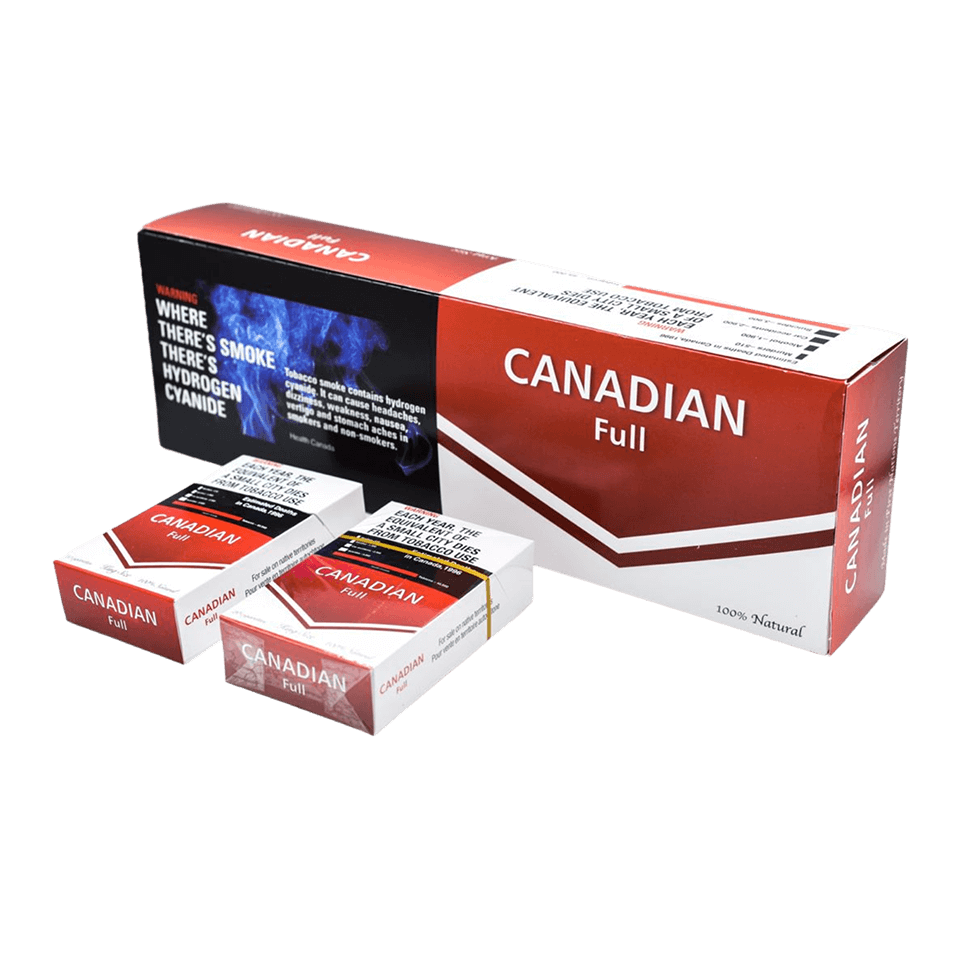
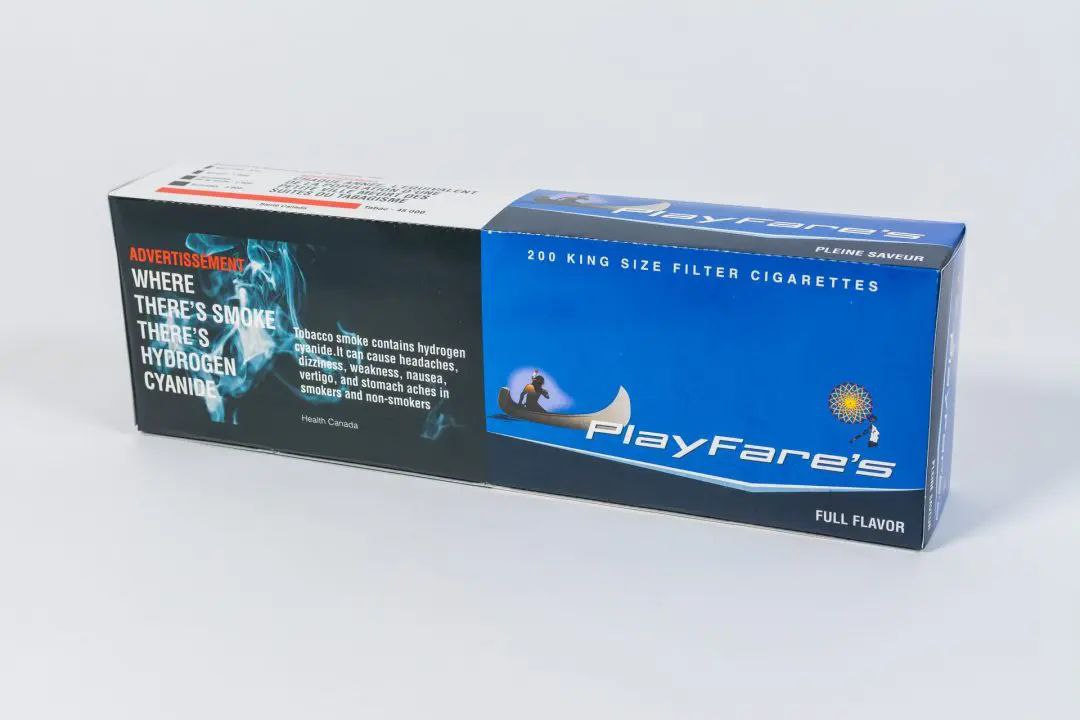
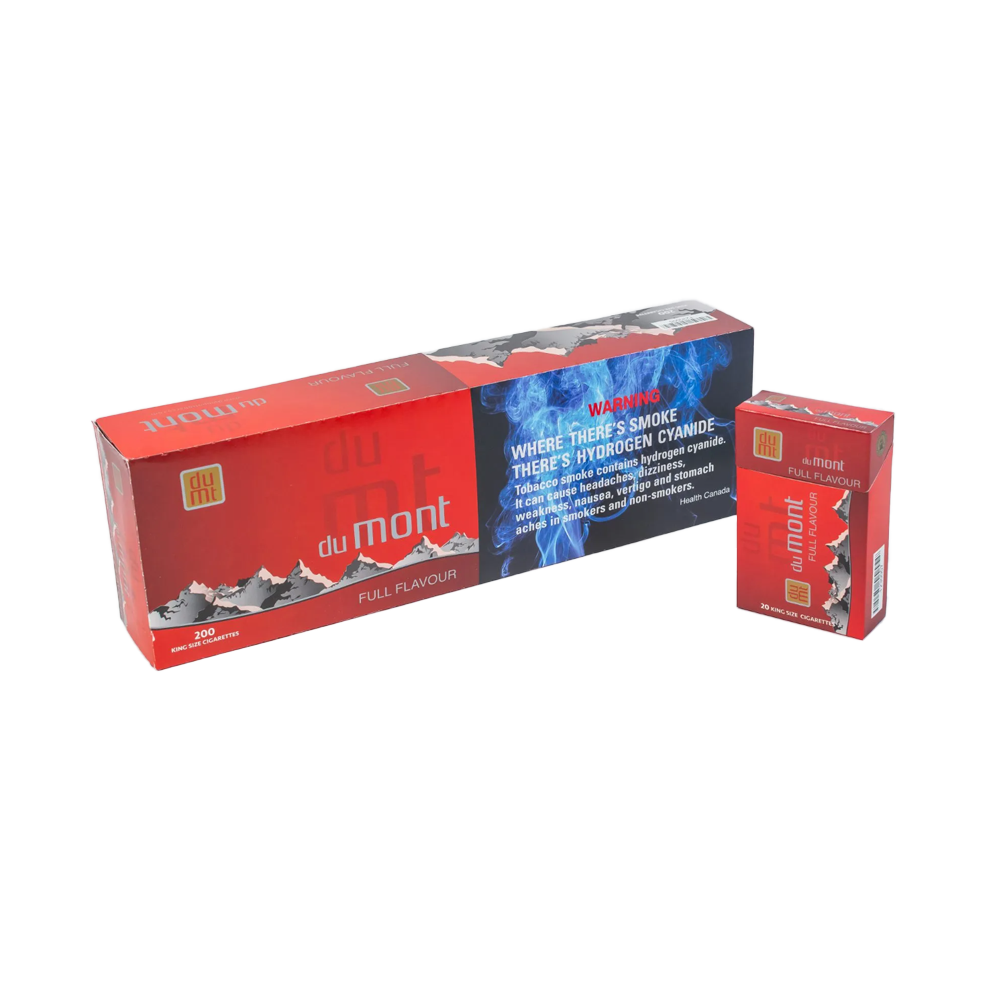
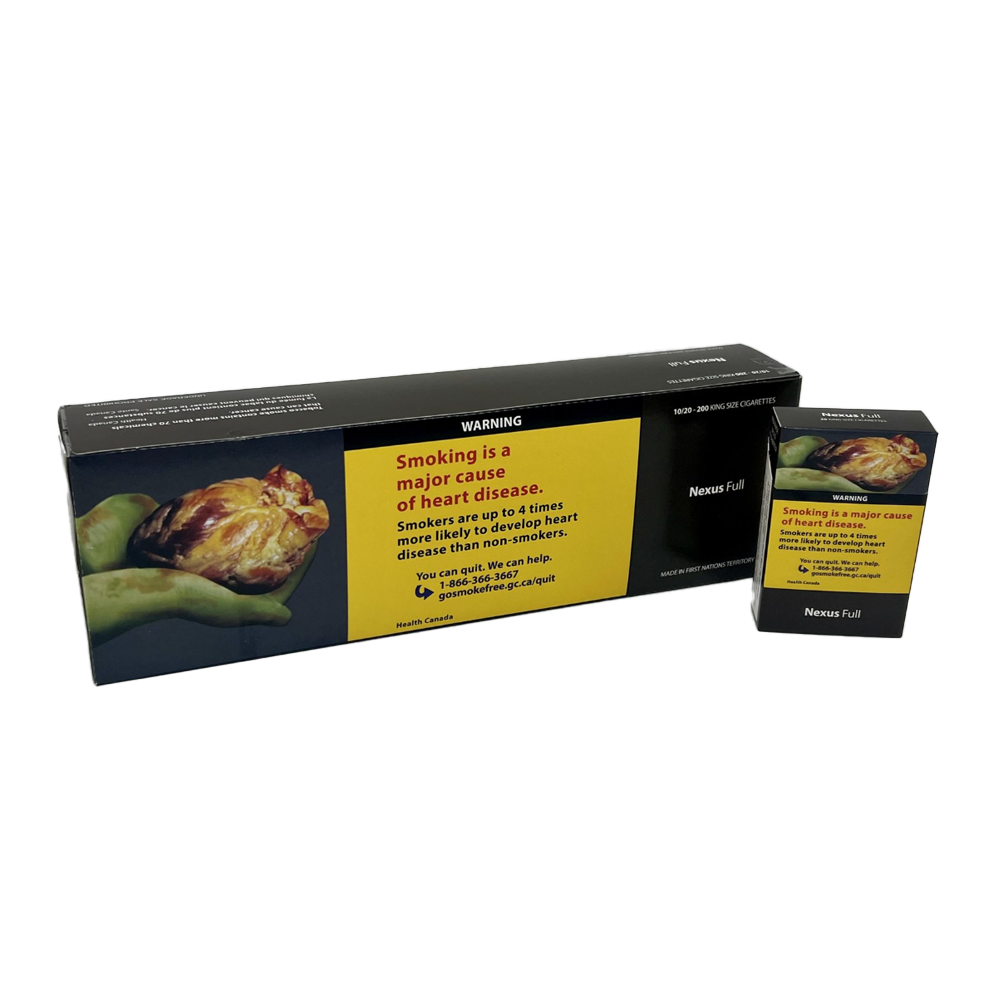
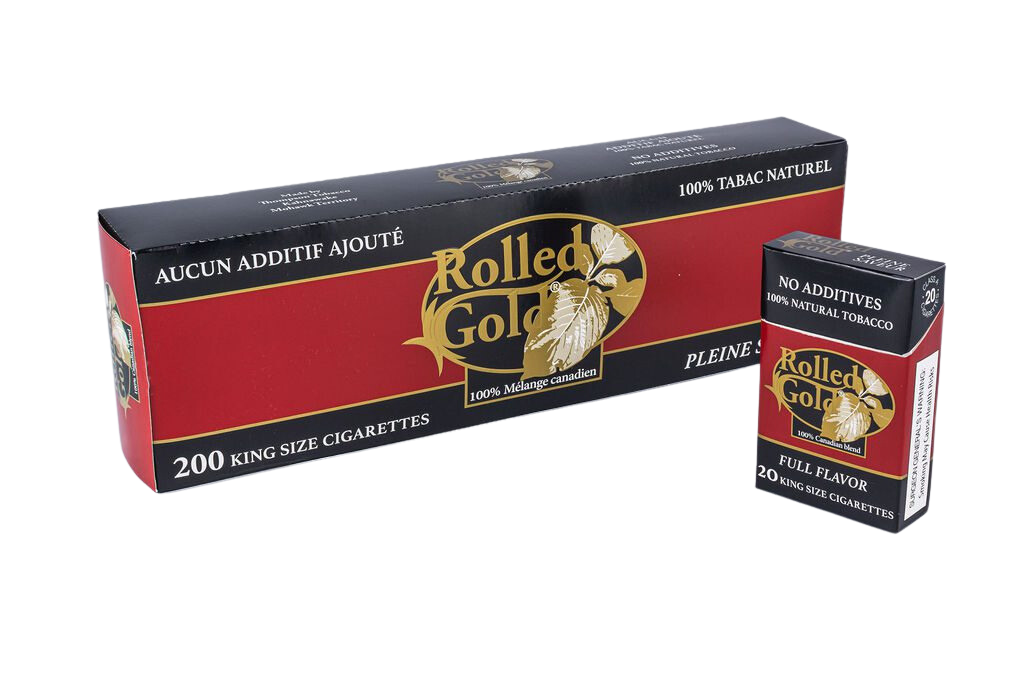
⭐ Excluded: BB light Manitoba, BB full Manitoba, Chanel Blueberry, Chanel ice. See all 29+ native brands at Cigstore.ca.
🚚 Delivery Across Canada – $29 Flat Rate
We ship to every province and territory using Canada Post, Purolator, FedEx, and UPS. Orders over $290 qualify for FREE shipping. Age verification (19+) required upon delivery.
📦 Same-day dispatch for orders before 2 PM EST. Tracking provided within 24 hours.
📚 You Might Also Enjoy These Articles
What Smoking in Canadian Restaurants Looked Like Before the Ban
The golden era of ashtrays.
History of Smoking in Canadian Restaurants
From elegant ashtrays to full bans.
Why Cigarettes Were Part of 20th Century Office Culture
Ashtrays on every desk, free cartons in the supply closet.
History of Smoking in Canadian Bars & Pubs
From smoke-filled taverns to clean air.
How Smoking Affects Financial Habits
Budgeting, saving, and the true cost of addiction.