
Night Shifts and Smoking
Why Fatigue Intensifies Nicotine Cravings — The Neuroscience of Shift Work
🌙🚬 It’s 3 AM. You’re in the middle of a 12-hour night shift. Your eyes are heavy, your body is screaming for sleep, and your next cigarette break is the only thing keeping you going. You’re not imagining it — fatigue genuinely makes you crave nicotine more. This article explores the neurobiological link between sleep deprivation and nicotine cravings, why night shift workers have higher smoking rates than any other demographic, and practical strategies to break the cycle of tiredness and tobacco.
📊 The Statistics: Night Shift Workers Smoke More
Day workers: ~15% | Night shift workers: ~25-35%
Rotating shift workers have 2x higher smoking rates than day workers.
The correlation between shift work and smoking is one of the most consistent findings in occupational health research. Multiple studies across different countries and industries have found that night shift workers and rotating shift workers have significantly higher smoking rates than day workers.
- 📋 Healthcare workers: A 2019 study of hospital nurses found that night shift nurses were 40% more likely to be current smokers than day shift nurses.
- 🏭 Manufacturing & logistics: In factory settings, night shift workers smoke at rates 2-3 times higher than administrative day staff.
- 🚛 Trucking: Long-haul night drivers have some of the highest smoking rates of any profession — often exceeding 60%.
- 🔒 Correctional officers: Night shift correctional officers report smoking rates above 45%.
📖 Key insight: The relationship is not just correlational — there is evidence that shift work causes increased tobacco use through biological and psychological mechanisms.
🧠 Mechanism #1: Sleep Deprivation Lowers Impulse Control
⚡ The Prefrontal Cortex and Fatigue
Sleep deprivation impairs the prefrontal cortex — the brain region responsible for impulse control, decision-making, and delaying gratification. When you’re tired, your ability to resist a cigarette is dramatically reduced.
- 📉 Reduced cognitive control: After a night of poor sleep, the prefrontal cortex shows decreased activity. This makes it harder to say “no” to immediate rewards (like nicotine) and easier to succumb to cravings.
- ⚡ Increased impulsivity: Sleep-deprived individuals score significantly higher on impulsivity scales. They are more likely to act on urges without thinking about long-term consequences.
- 📊 The willpower depletion model: Self-control is a limited resource. Night shifts deplete it rapidly, leaving little reserve to resist tobacco cravings.
🌡️ Mechanism #2: Fatigue Increases Cortisol (The Stress Hormone)
Sleep deprivation raises cortisol levels by 30-50%.
Nicotine temporarily lowers cortisol — creating a powerful negative reinforcement loop.
Sleep deprivation is a potent physiological stressor. When you’re tired, your body releases more cortisol, the primary stress hormone. Elevated cortisol makes you feel anxious, irritable, and on edge — and nicotine provides rapid relief.
- 😟 Cortisol withdrawal: Between cigarettes, cortisol levels rise as withdrawal symptoms intensify. Lighting a cigarette quickly brings cortisol down, creating a powerful sense of relief.
- 🔄 The vicious cycle: Night shift → sleep deprivation → high cortisol → strong nicotine craving → smoking → temporary relief → withdrawal returns → more smoking.
- 📊 The data: A 2016 study of shift workers found that cortisol levels were 35% higher in night shift workers than day workers, and those cortisol levels correlated directly with cigarette consumption.
💤 Mechanism #3: Adenosine Buildup and Caffeine Synergy
⚡ The Adenosine Trap
Adenosine is a neurotransmitter that builds up during wakefulness, causing sleep pressure. Caffeine blocks adenosine receptors. Nicotine and caffeine are strongly synergized — they enhance each other’s effects.
During a night shift, adenosine levels are extremely high. Workers rely heavily on caffeine (coffee, energy drinks) to stay alert. The combination of caffeine and nicotine is more rewarding than either alone.
- ☕ “Coffee and a cigarette”: This ritual is especially potent during night shifts. The caffeine keeps you awake; the nicotine provides focus. Together, they create a powerful conditioned cue.
- 📊 The pairing effect: Studies show that nicotine consumption increases by 30-50% when combined with caffeine, compared to when either is consumed alone.
- 🔄 The trap: To stay awake, night workers consume caffeine. To “take the edge off” the caffeine, they smoke. The two substances lock together.
🎯 Mechanism #4: Fatigue Increases Dopamine Sensitivity
Sleep deprivation causes a state of “reward hypersensitivity.” When you’re tired, your brain’s reward system is more sensitive to dopamine-releasing stimuli — including nicotine.
- 📈 Stronger reward response: A 2019 neuroimaging study found that sleep-deprived participants had significantly stronger dopamine responses to nicotine cues than well-rested participants.
- 🚬 The cigarette feels better when you’re tired: This is not just subjective — it’s neurochemistry. Fatigue actually makes the nicotine “hit” more rewarding.
- 😣 The paradox: The more tired you are, the more rewarding smoking feels — but smoking also disrupts sleep, making you more tired the next shift. It’s a downward spiral.
🤝 Mechanism #5: Social Isolation and Boredom on Night Shifts
Night workers have fewer social interactions and less supervision.
The smoke break becomes a primary social outlet — and an escape from isolation.
Beyond biology, night shifts are socially isolating. Fewer colleagues are around. Supervisors are absent. The work is often monotonous. Cigarette breaks become a crucial source of social connection and mental stimulation.
- 🗣️ The “smoking circle”: In many night shift workplaces, the designated smoking area is where coworkers gather to talk, share stories, and combat isolation.
- ⏱️ Breaking monotony: When work is repetitive, the anticipation of a smoke break provides structure to the night. It becomes a reward for completing a task.
- 📉 Peer pressure: If most of your night shift coworkers smoke, you’re more likely to smoke — even if you didn’t before starting the job.
🔄 The Night Shift Cycle: A Self-Reinforcing Trap
The relationship between night shifts and smoking is bidirectional — each makes the other worse.
- 1. Night shift → sleep deprivation → higher cortisol, lower impulse control → stronger nicotine cravings.
- 2. Smoking increases heart rate and blood pressure, making it harder to fall asleep after a shift.
- 3. Nicotine withdrawal during the day disrupts daytime sleep — you wake up tired, starting the cycle again.
- 🔄 The result: Night shift workers who smoke get less restorative sleep than non-smoking night workers, perpetuating fatigue and cravings.
📖 A vicious cycle: “I need a cigarette to stay awake at night” → “I can’t sleep during the day because of nicotine withdrawal” → “I’m even more tired next night shift” → “I need more cigarettes.”
🛡️ How to Break the Cycle: Strategies for Night Shift Smokers
- 💊 Use nicotine replacement therapy (NRT) during the shift: Instead of smoking, use a nicotine lozenge or gum. NRT provides steady nicotine levels without the harmful smoke.
- 🛌 Prioritize daytime sleep: Blackout curtains, white noise machines, and eye masks can improve sleep quality. Better sleep = lower cortisol = fewer cravings.
- ☕ Reduce caffeine after the first half of your shift: Caffeine has a 5-hour half-life. Evening caffeine disrupts daytime sleep, increasing fatigue the next night.
- 🧘 Replace the “smoke break” with a “stretch break”: Get up, walk around, stretch. The social aspect of the break is important — but you don’t need a cigarette to take it.
- 🚭 Gradually reduce cigarettes per shift: Set a goal to smoke one fewer cigarette each week. Use NRT to manage withdrawal.
- 🩺 Talk to your employer about shift scheduling: Some evidence suggests that forward-rotating shifts (day → evening → night) are less disruptive than backward-rotating shifts.
- 📱 Use a quit app: QuitNow and similar apps track your smoke-free time and money saved — powerful motivators during long night shifts.
- 🌿 Practice mindfulness during cravings: Cravings typically last 5-10 minutes. Take three deep breaths. Drink cold water. The urge will pass.
📦 Native Cigarettes: An Affordable Option for Night Workers
If you’re a night shift worker who isn’t ready to quit, native cigarettes (Playfare, Canadian, DuMont, Nexus, Rolled Gold) offer an affordable alternative. A carton costs $29-50 — compared to $140-180 for commercial brands — a savings of 70-80%.
- 💰 Cost savings: A pack-a-day smoker saves $5,000-7,000 per year by switching to native cigarettes.
- 🚫 Not “healthier”: Native cigarettes contain the same nicotine, tar, and carcinogens as commercial brands. The only difference is price and packaging.
- 📦 Online delivery: Cigstore.ca ships to every province and territory with $29 flat shipping (free over $290).
- 🌙 Remember: No matter what brand you smoke, fatigue will intensify cravings. The best solution is to quit — but if you continue, native cigarettes are the most affordable option.
🇨🇦 Resources for Night Shift Workers Who Smoke
- 📞 Smokers’ Helpline (1-877-513-5333): Free, confidential telephone coaching. Open 24/7 — perfect for night shift workers.
- 💊 Nicotine replacement therapy (NRT): Patches, gum, lozenges — available at pharmacies. Some provincial health plans cover NRT.
- 📱 QuitNow (quitnow.ca): Free app with tracking and community support.
- 🩺 Your doctor: Medications like varenicline (Champix/Chantix) and bupropion (Zyban/Wellbutrin) can help reduce cravings, even on night shifts.
- 🛌 Sleep hygiene resources: The Canadian Sleep Society offers free guides for shift workers.
🔥 Top 5 Native Cigarettes for Canadian Smokers
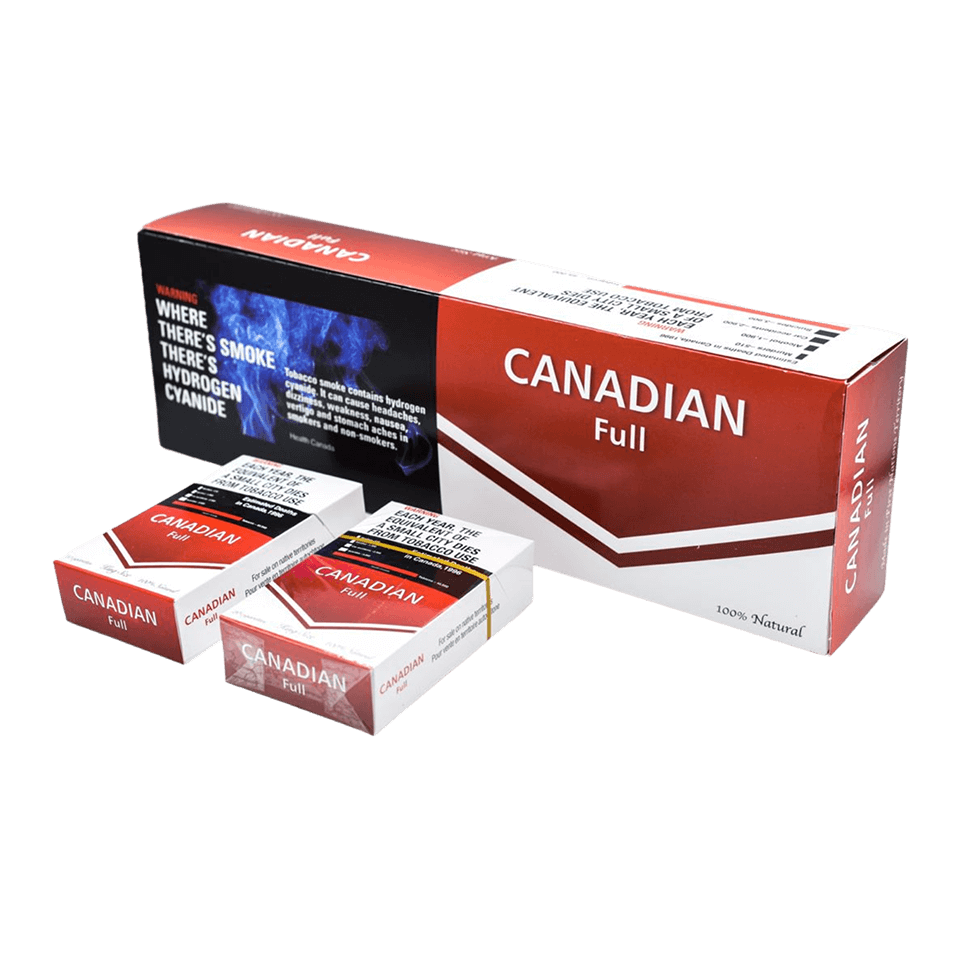
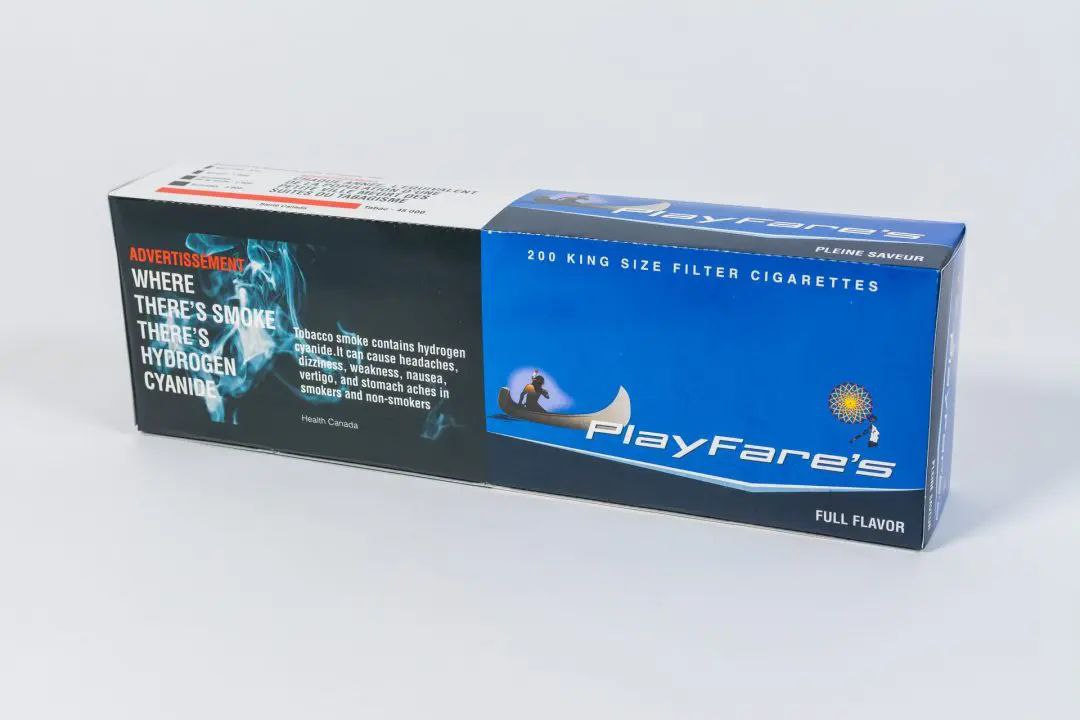
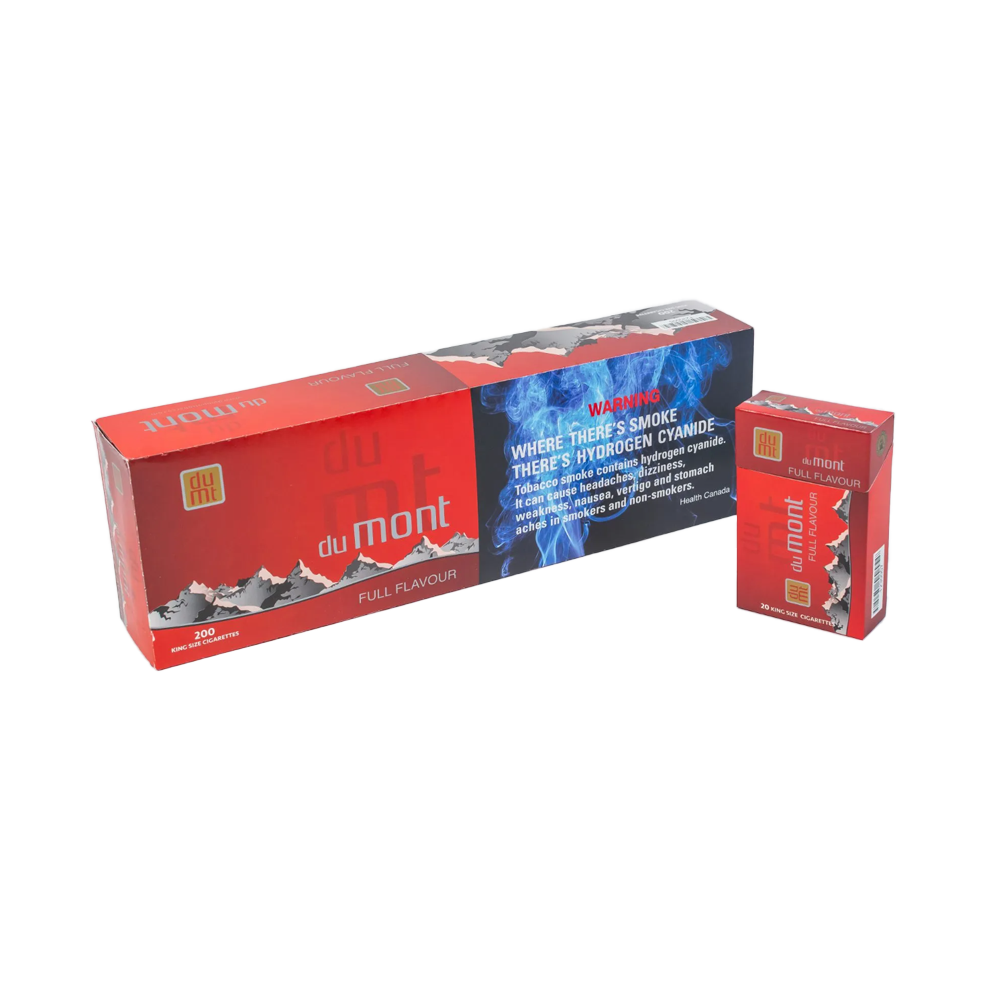
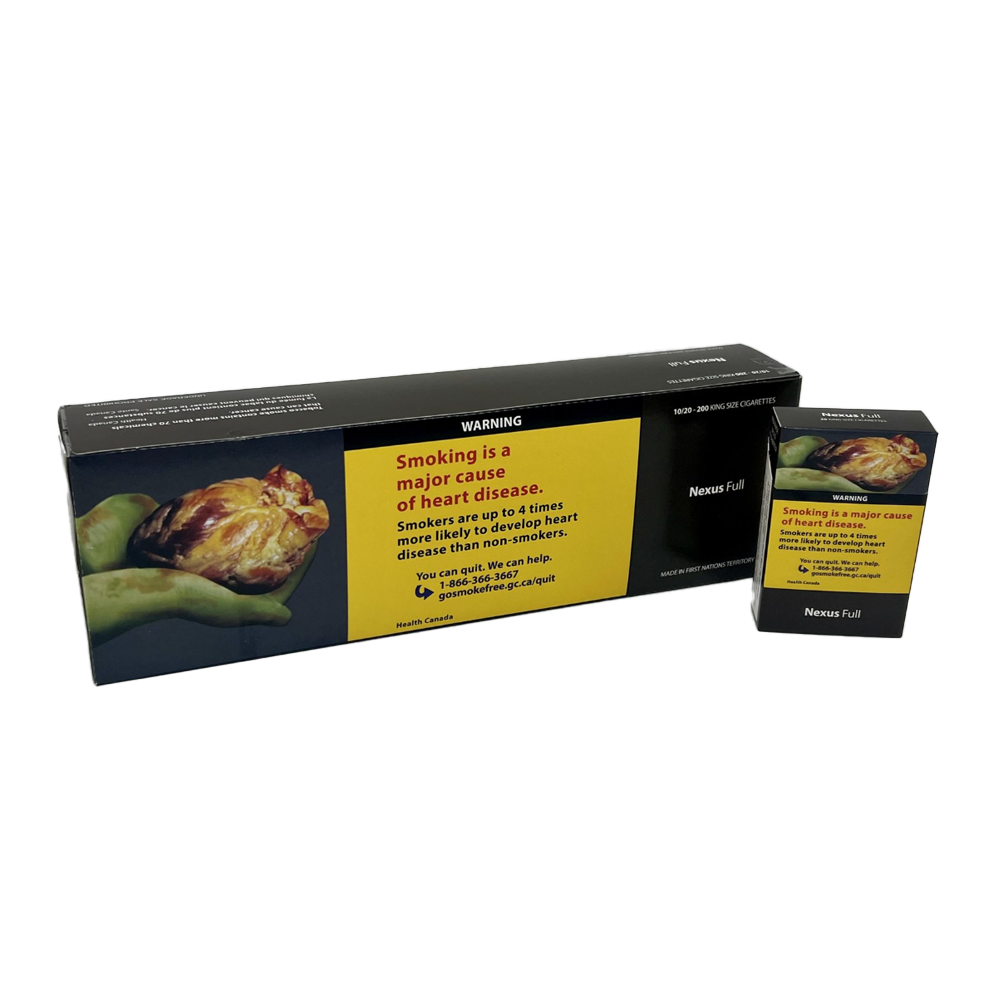
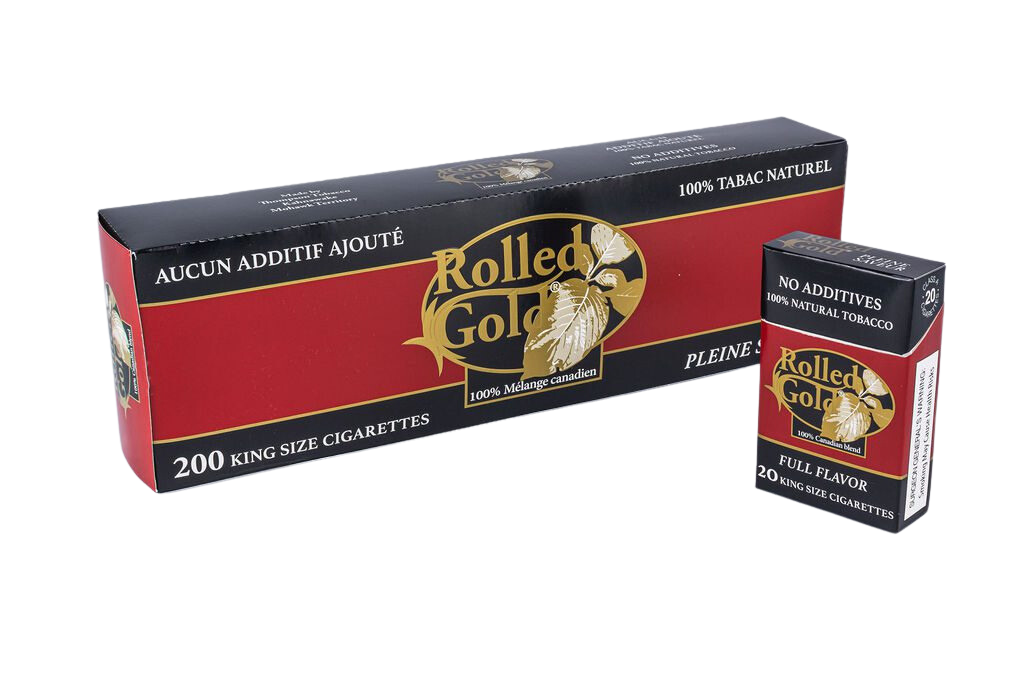
⭐ Excluded: BB light Manitoba, BB full Manitoba, Chanel Blueberry, Chanel ice. See all 29+ native brands at Cigstore.ca.
🚚 Delivery Across Canada – $29 Flat Rate
We ship to every province and territory using Canada Post, Purolator, FedEx, and UPS. Orders over $290 qualify for FREE shipping. Age verification (19+) required upon delivery.
📦 Same-day dispatch for orders before 2 PM EST. Tracking provided within 24 hours.
📚 You Might Also Enjoy These Articles
Smoking and Stress: The Neuroscience
Why nicotine feels calming (and why it’s a trap).
Why Do Smokers Smoke More in Winter?
Seasonal patterns and coping strategies.
Smoking and Chronic Fatigue / Energy Levels
The hidden drain.
How Smoking Changes the Perception of Time
Nicotine, dopamine, and the brain’s internal clock.
Why Smokers Often Interrupt Their Conversation Partner
How nicotine affects impulsivity.