
Why People with Bipolar Disorder Smoke More Often
The Science, Statistics, and Solutions Behind the Mental Health–Tobacco Connection
⚠️ MEDICAL DISCLAIMER: This article is for educational purposes only and is not a substitute for professional medical advice. If you or someone you know has bipolar disorder and smokes, please consult a healthcare provider. Quitting smoking is challenging with bipolar disorder, but support is available — and quitting is possible.
🧠🚬 People with bipolar disorder smoke at rates 2 to 3 times higher than the general population. In Canada, while the national smoking rate hovers around 11-14%, smoking prevalence among individuals with bipolar disorder is estimated at 35-45% — and in some studies, even higher. This is not a coincidence. It’s not a matter of “willpower.” This article explores the neurobiological, psychological, and social reasons behind this staggering disparity: self-medication, nicotine’s effects on mood regulation, genetic links, and the barriers to quitting that people with bipolar face. Understanding why is the first step toward better support and treatment.
General population smoking rate: ~12% | Bipolar population smoking rate: ~38%
People with bipolar are 3x more likely to smoke than the general population.
The numbers are even more striking in clinical studies. Some research suggests that up to 70% of individuals with bipolar disorder smoke at some point in their lives, compared to about 25-30% of the general population. People with bipolar also tend to smoke more heavily — often 1.5 to 2 packs per day — and have lower quit rates. This is one of the largest health disparities in psychiatry.
📊 Smoking Rates: Bipolar Disorder vs. General Population
| Population | Smoking Rate (%) | Heavy Smoking (>1 pack/day) | Quit Rate (%) |
|---|---|---|---|
| General Canadian Population | ~12% | ~22% of smokers | ~55% |
| Bipolar I Disorder | ~38-45% | ~40-50% of smokers | ~25% |
| Bipolar II Disorder | ~32-40% | ~35-45% of smokers | ~28% |
| Schizophrenia (for context) | ~60-80% | >50% of smokers | Very low |
📊 Sources: Statistics Canada, Canadian Journal of Psychiatry, Bipolar Disorders journal (2020-2024).
🧠 Cause #1: Nicotine as Self-Medication
The leading theory for why people with bipolar disorder smoke so heavily is self-medication. Nicotine affects several neurotransmitter systems involved in mood regulation: dopamine, serotonin, norepinephrine, and acetylcholine. For someone with bipolar, nicotine can temporarily alleviate depressive symptoms and reduce manic agitation — but this relief comes at a terrible cost.
- 😔 Depression relief: Nicotine increases dopamine and norepinephrine, which can briefly lift mood. Many people with bipolar report that smoking helps them “get out of bed” during depressive episodes.
- 🌪️ Mania/agitation reduction: For some, nicotine has a paradoxical calming effect during manic or mixed episodes, reducing racing thoughts and restlessness.
- ⚖️ Mood stabilization? Some research suggests that nicotine may help regulate circadian rhythms and sleep-wake cycles — both disrupted in bipolar disorder.
- 🔄 The trap: The relief is temporary and followed by withdrawal symptoms (irritability, anxiety, low mood) that worsen the underlying bipolar symptoms — leading to more smoking.
⚛️ Cause #2: Shared Neurobiology — The Dopamine Connection
Bipolar disorder and nicotine addiction share common neurobiological pathways, particularly involving the dopaminergic system. The same genes that increase susceptibility to bipolar disorder may also increase susceptibility to nicotine dependence. This is not a moral failing — it’s biology.
- 🧬 Genetic overlap: Studies of identical twins have shown that the genetic risk for bipolar disorder and the genetic risk for heavy smoking are correlated. Some of the same gene variants are involved.
- ⚡ Dopamine dysregulation: Bipolar disorder involves abnormal dopamine transmission. Nicotine artificially boosts dopamine — providing temporary “normalization” that the bipolar brain craves.
- 🔁 The reward circuit: The brain’s reward system (nucleus accumbens, ventral tegmental area) is dysfunctional in bipolar disorder. Smoking is a way to force that reward circuit to fire — but it’s a crude and destructive tool.
- 📉 Implication: Because the biological underpinnings are shared, quitting smoking is harder for someone with bipolar — not because of weakness, but because of brain chemistry.
💊 Cause #3: Nicotine Affects Bipolar Medications
Nicotine induces the liver enzyme CYP1A2, which breaks down several psychiatric medications — including clozapine, olanzapine, and some antidepressants. Smokers with bipolar often require significantly higher doses of these medications to achieve the same effect as non-smokers. When they try to quit, medication levels can spike dangerously.
- 📈 Higher doses: Smokers with bipolar may need 30-50% higher doses of certain antipsychotics and mood stabilizers.
- ⚠️ Quitting without medical supervision: When a smoker quits, nicotine levels drop, CYP1A2 activity decreases, and medication levels rise — potentially causing toxicity. This is why people with bipolar should never quit smoking abruptly without consulting their psychiatrist.
- 🔄 Vicious cycle: Because smoking affects medication levels, some psychiatrists hesitate to encourage quitting until mood is stable. But waiting for “perfect stability” may never happen.
- 📋 The solution: Coordinated care — a psychiatrist adjusts medications before, during, and after a quit attempt.
🏚️ Cause #4: Socioeconomic Disparities and Access to Care
People with severe mental illness, including bipolar disorder, face higher rates of unemployment, poverty, and housing instability. These social determinants of health drive smoking in several ways: stress, limited access to cessation programs, and the availability of cheaper native cigarettes.
- 💰 Lower income: Many people with bipolar are on disability or work lower-wage jobs. Native cigarettes ($29-50 per carton) are much more affordable than commercial brands ($150-220).
- 🏥 Poor access to cessation support: Mental health care is already underfunded. Specialized smoking cessation programs for people with bipolar are almost non-existent in Canada outside of major cities.
- 📉 Chronic stress: The stress of managing a chronic mental illness increases smoking rates across all psychiatric populations.
- 🌾 Rural factor: People with bipolar in rural Canada have even higher smoking rates due to isolation and fewer resources.
🔄 Cause #5: The Quitting Paradox — Why Quitting Is Harder with Bipolar
People with bipolar disorder want to quit smoking as much as anyone else. But they face unique barriers:
- 😖 Nicotine withdrawal mimics bipolar relapse: The irritability, insomnia, anxiety, and mood swings of withdrawal look exactly like a bipolar mood episode. Many people with bipolar (and their doctors) mistake withdrawal for relapse — and resume smoking to feel better.
- ⚠️ Fear of triggering mania or depression: Some people with bipolar have tried to quit in the past and experienced severe mood episodes as a result. This creates fear — and understandable reluctance to try again.
- 💊 Medication adjustment required: As discussed, quitting changes medication levels. Many psychiatrists lack experience with this, leaving patients without proper support.
- 📉 Lower quit success rates: In general population studies, 5-7% of unaided quit attempts succeed. Among people with bipolar, success rates are 2-3% without specialized support.
✅ What Works: Evidence-Based Cessation for Bipolar Disorder
Despite the challenges, people with bipolar disorder can quit smoking successfully — with the right support. Generic “quit cold turkey” advice is dangerous. Here’s what actually works:
- 🩺 Coordinated psychiatric care: A psychiatrist who adjusts medications before, during, and after the quit attempt. This is non-negotiable.
- 💊 Nicotine replacement therapy (NRT): Patches, gum, lozenges, or inhalers — used consistently and at adequate doses. People with bipolar often need higher NRT doses than the general population.
- 📅 Gradual reduction: For some, a “cut down to quit” approach is better than abrupt cessation. Reducing by 2-3 cigarettes per week may be more tolerable.
- 🧠 Cognitive Behavioral Therapy (CBT): CBT tailored for smoking cessation in bipolar disorder addresses the specific triggers (depression, mania, stress).
- 📞 Peer support groups: Online or in-person groups for people with mental illness who are quitting. Shared experience reduces isolation.
- 📱 Text-based support: Programs like Smokers’ Helpline (1-877-513-5333) have specialized mental health tracks.
📦 Why People with Bipolar Often Choose Native Cigarettes
Many people with bipolar disorder who smoke have switched to native cigarettes — not because they are “safer” (they are not), but because of cost and availability. On disability income or limited wages, a $35 carton of Playfare or Canadian Full is a necessity, not a choice. Commercial cigarettes at $18-22 per pack would consume an unsustainable portion of a fixed income.
- 💰 Cost savings: A pack-a-day smoker saves $5,000-7,000 per year by switching to native brands.
- 📦 Online delivery: Cigstore.ca ships to any address — essential for people with mobility challenges or who live in rural areas with limited access to stores.
- ⚖️ No judgment: Online ordering removes the potential stigma of buying cigarettes from a convenience store where clerks might know you.
- 💡 Important note: Switching to native cigarettes does not reduce health risks. The same toxins are present. But for those who cannot quit, affordable native cigarettes reduce financial stress — which itself is a mental health risk factor.
🇨🇦 Canadian Resources for People with Bipolar Who Smoke
- 📞 Smokers’ Helpline (1-877-513-5333): Free, confidential telephone coaching. Ask for the “mental health track” — counsellors are trained in psychiatric conditions.
- 🧠 Mood Disorders Association of Canada: Peer support groups and resources for people with bipolar. Some chapters offer smoking cessation workshops.
- 💻 QuitNow (quitnow.ca): Free app with community forums. Search for “mental health” groups.
- 🩺 Your psychiatrist or family doctor: Ask specifically about smoking cessation. Many doctors don’t bring it up — but they should.
- 📚 CAMH (Centre for Addiction and Mental Health): Specialized resources for smoking cessation in mental illness, including online guides.
🔥 Top 5 Popular Products for Canadian Smokers (Including Those with Mental Health Conditions)
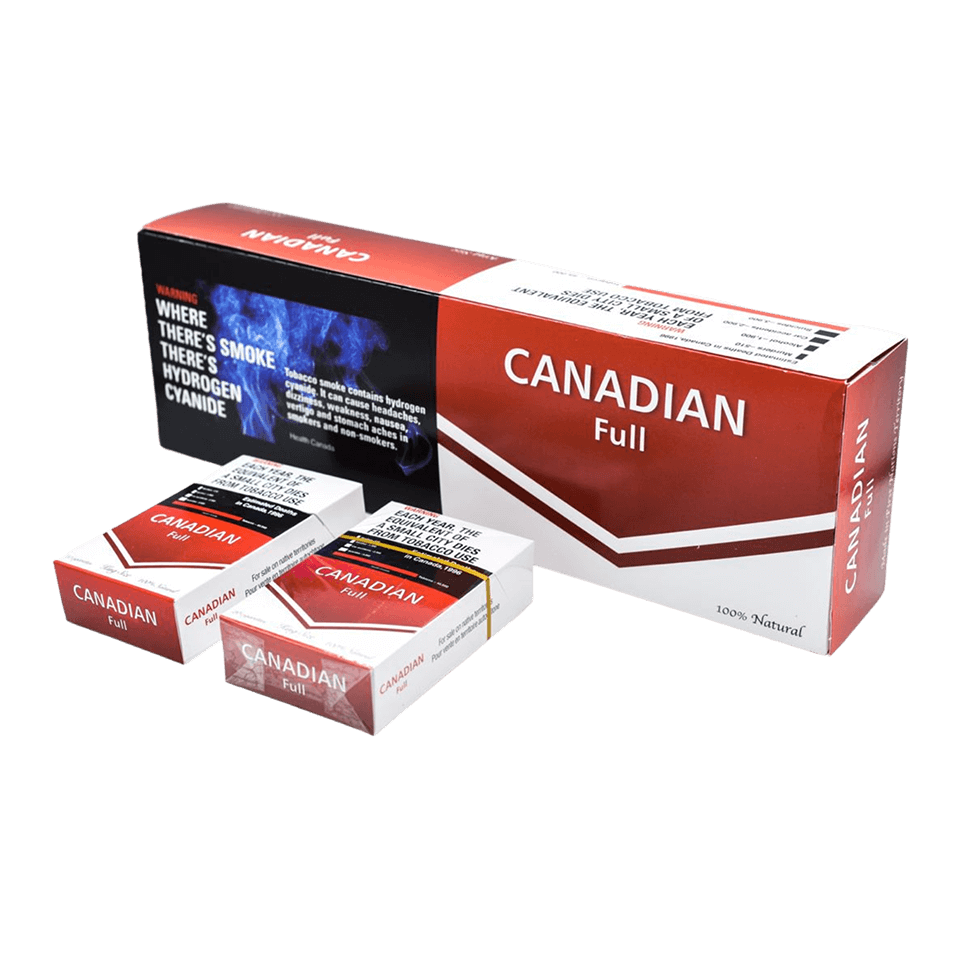

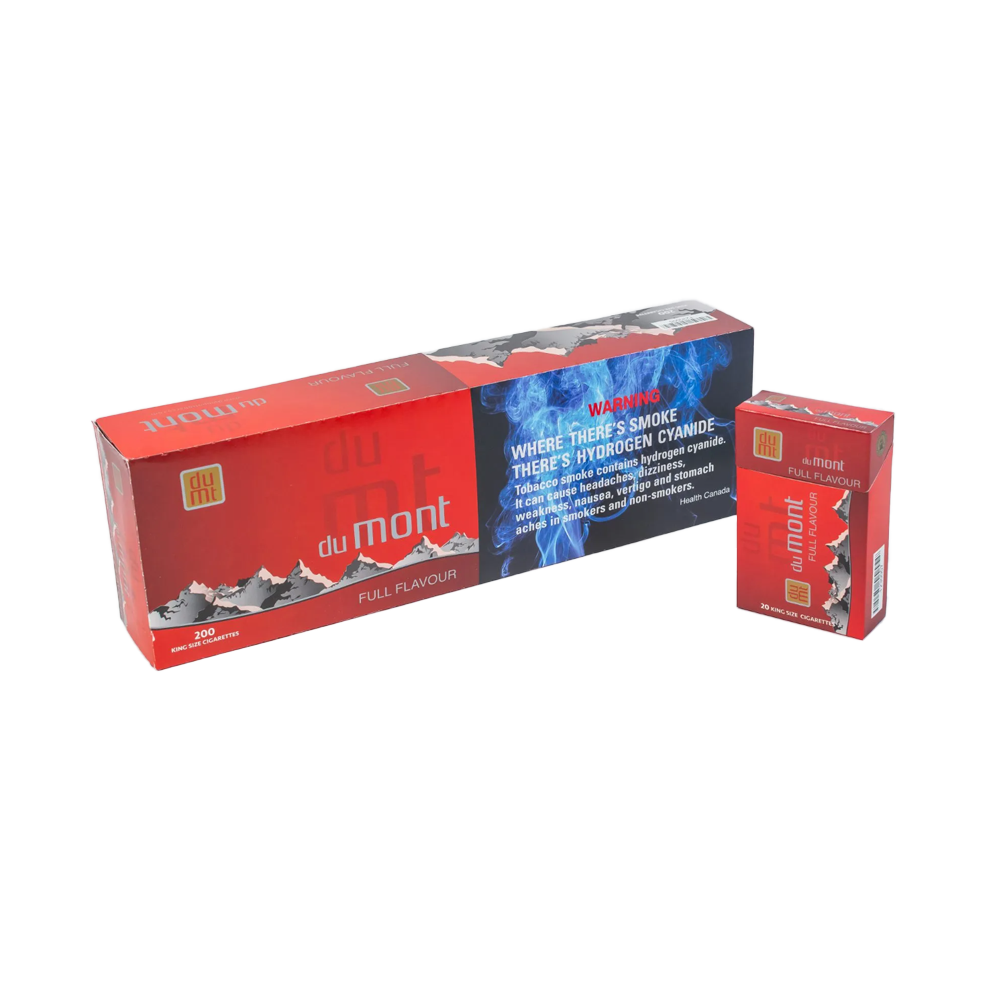
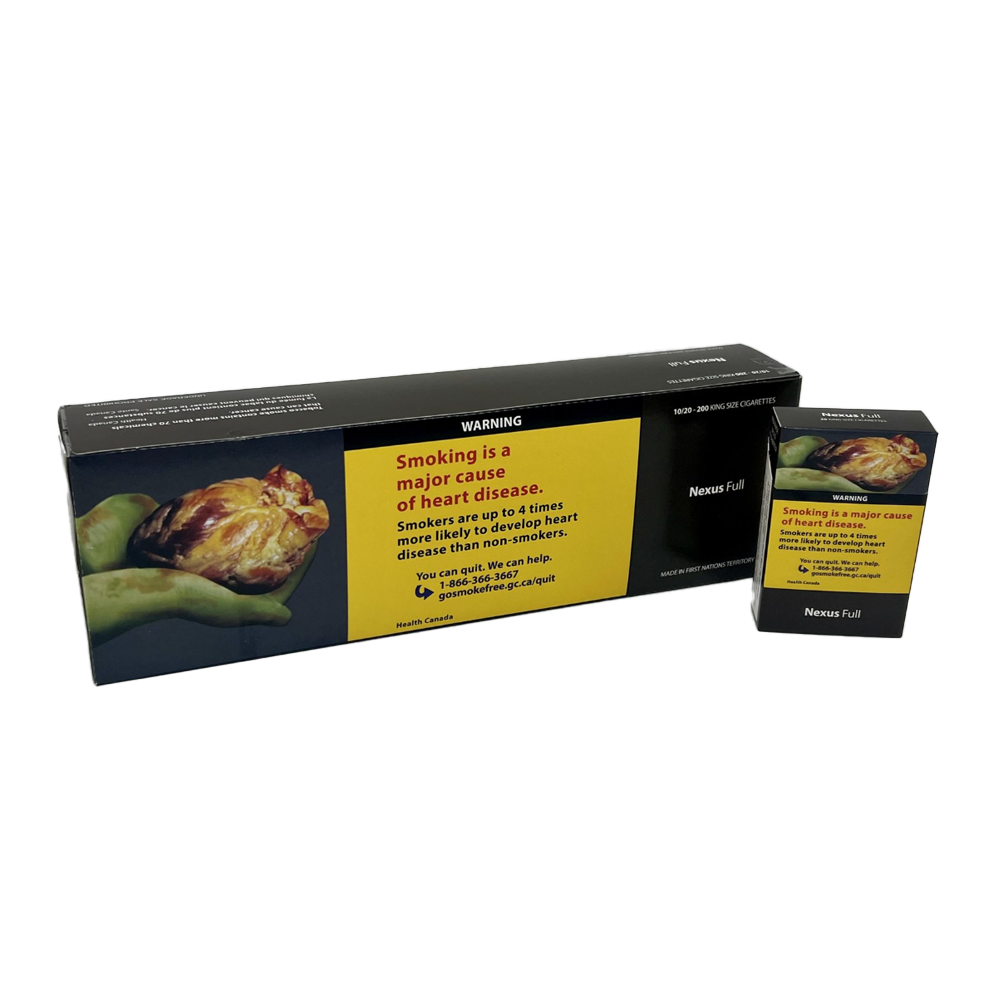
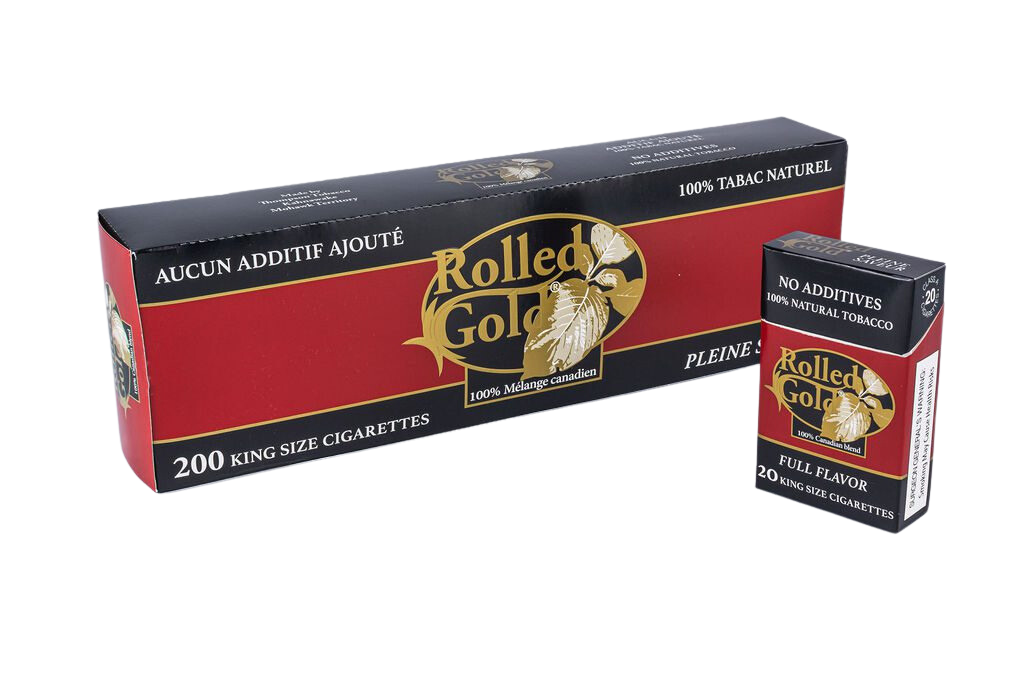
⭐ Excluded: BB light Manitoba, BB full Manitoba, Chanel Blueberry, Chanel ice. See all 29+ native brands at Cigstore.ca.
🚚 Delivery Across Canada – $29 Flat Rate
We ship to every address in Canada, including rural communities and remote areas. Orders over $290 qualify for FREE shipping. Age verification (19+) required upon delivery. We do not collect medical information — we simply provide affordable native cigarettes for adults who smoke.
📦 Same-day dispatch for orders before 2 PM EST. Tracking provided within 24 hours.
📚 You Might Also Find These Articles Helpful
Smoking and Stress: The Neuroscience
Why nicotine feels calming (and why it’s a trap).
How Smoking Affects Your Skin, Hair, and Nails
The visible effects of tobacco on your body.
Why Smokers Snore More
Nicotine’s link to sleep apnea.
Smoking and Testosterone
Effects on men’s health and performance.
Smoking During Pregnancy
Risks to fetus and newborn.