
Smoking and Psoriasis: Is There a Link?
The Science Behind the Connection Between Cigarettes and Skin Health
⚠️ CRITICAL MEDICAL DISCLAIMER: This article is for educational purposes only and is not a substitute for professional medical advice. Psoriasis is a complex autoimmune condition that requires diagnosis and treatment by a qualified dermatologist. If you have skin concerns, please consult a healthcare provider. The information presented here is based on peer-reviewed research but should not replace personalized medical guidance.
🩺🚬 Psoriasis is a chronic, immune-mediated inflammatory skin disease affecting approximately 2–3% of the global population [citation:1]. It is characterized by red, scaly patches on the skin that can be itchy, painful, and emotionally distressing. For decades, researchers have investigated whether lifestyle factors like smoking contribute to the development and severity of psoriasis. The answer is clear: yes, smoking is a significant, modifiable risk factor for psoriasis. This article reviews the latest scientific evidence on the link between smoking and psoriasis, the biological mechanisms involved, and what smokers with psoriasis need to know.
📊 The Statistics: Smokers vs. Non-Smokers
• Current smokers have a 67% higher risk of developing psoriasis [citation:1][citation:9]
• Former smokers have a 38% higher risk (compared to never smokers) [citation:1][citation:9]
• The risk increases with dose-dependent effect: more cigarettes = higher risk [citation:1][citation:9]
A landmark 2026 systematic review and meta-analysis published in Frontiers in Public Health analyzed 30 observational studies involving over 25 million participants. The findings were definitive [citation:1][citation:9].
- 📈 Current smokers: 67% increased risk of developing psoriasis compared to never smokers (summary relative estimate = 1.67, 95% CI: 1.46–1.90) [citation:1][citation:9].
- 📉 Former smokers: 38% increased risk compared to never smokers (summary relative estimate = 1.38, 95% CI: 1.18–1.62) — demonstrating that quitting reduces risk but does not eliminate it entirely [citation:1][citation:9].
- ⚠️ Dose-response relationship: The more you smoke, the higher your risk. An increase in the number of pack-years of smoking increased the risk of developing psoriasis [citation:1].
- 🔬 Comparison with alcohol: The study found that smoking shows a stronger and more consistent association with psoriasis risk than alcohol consumption, which showed a smaller and less consistent effect [citation:1][citation:9].
📖 A 2025 Russian study from the Tambov Regional Dermatology Dispensary summarized: “According to the results of 4 international studies, the likelihood of developing psoriasis in smokers is almost twice as high as in non-smokers. In addition, people who do not currently smoke but have smoked in the past have a 39% higher risk of developing psoriasis.” [citation:3]
⚙️ Biological Mechanisms: How Smoking Triggers Psoriasis
Researchers have identified several mechanisms by which cigarette smoke contributes to the development and exacerbation of psoriasis. A 2011 review in the British Journal of Dermatology outlined the key pathways [citation:6].
🔥 Oxidative Stress
Cigarette smoke contains thousands of chemicals that generate reactive oxygen species (ROS) — free radicals that damage cells. Smoking initiates the formation of free radicals that stimulate cell signalling pathways active in psoriasis, including mitogen-activated protein kinase (MAPK), nuclear factor-κB (NF-κB) and Janus kinase/signal transducers and activators of transcription (JAK-STAT) [citation:6]. Smoking damages the skin by increasing the formation of reactive oxygen species and decreasing the gene expression of antioxidants [citation:6].
🩸 Immune System Activation
Nicotine stimulates innate immune cells integral to the pathogenesis of psoriasis, including dendritic cells, macrophages, and keratinocytes. These cells release cytokines that activate T lymphocytes and perpetuate a cycle of chronic inflammation [citation:6]. A 2024 Stanford-indexed study noted that “psoriasis has a clear and strong connection with smoking in both its pathogenesis and clinical course” [citation:10].
🧬 Genetic Susceptibility
Smoking enhances the expression of genes known to confer an increased risk of psoriasis, including HLA-Cw6, HLA-DQA1*0201 and CYP1A1 [citation:6]. This may explain why some individuals are more susceptible to smoking-induced psoriasis than others.
🔄 The Inflammation Cycle
As illustrated in Figure 5 of a 2024 NIH publication, smoking behaviors may trigger psoriasis by activating inflammatory, oxidative, and genetic mechanisms mediated by free radicals and nicotine [citation:2]. The diagram shows how free radicals and nicotine contribute to the inflammatory cascade that drives psoriatic lesions.
🩺 How Smoking Affects Existing Psoriasis
Smoking doesn’t just increase the risk of developing psoriasis — it also makes existing psoriasis worse and complicates treatment [citation:10].
- 😔 Increased severity: Smoking can cause a serious worsening of both the disease itself and systemic complications such as cardiovascular events, psoriatic arthritis (PsA), cancer, and depression [citation:10].
- 💊 Reduced treatment response (biologics): A 2026 prospective study of 192 patients with psoriasis undergoing biologic treatment found that non-smokers had significantly higher PASI 75 response rates at weeks 4, 8, 12, 24, and 48. The adjusted odds ratios ranged from 2.57 to 2.75, meaning non-smokers were approximately 2.5x more likely to achieve good treatment response [citation:4].
- 📉 Dose-dependent effect: Both tobacco smoking duration and daily cigarette consumption were negatively correlated with the reduction in PASI score at weeks 4 to 48 after treatment (P < .05) [citation:4].
- 🩺 Reduced drug survival: An Australasian study found that on univariable analysis, smokers were 34% more likely to discontinue biologic treatment compared to non-smokers and were 27% less likely to attain PASI90 and 33% less likely to attain PASI100 [citation:8].
⚠️ Clinical takeaway: If you have psoriasis and smoke, you are more likely to have severe disease, less likely to respond to biologic treatments, and more likely to experience treatment failure or discontinuation.
🦴 Smoking and Psoriatic Arthritis (PsA)
Psoriatic arthritis is a form of inflammatory arthritis that affects up to 30% of people with psoriasis. The relationship between smoking and PsA is complex.
- ⚠️ Smoking increases risk of developing PsA: The 2026 meta-analysis specifically examined subtype-specific outcomes including PsA and found that smoking is associated with an increased risk of developing psoriatic arthritis [citation:1].
- 🦿 Progression of joint damage: However, a 2025 study from the University of Toronto investigating 1,736 patients with PsA found that cigarette smoking did not appear to be significantly associated with the progression of joint damage in PsA (estimate -0.18, 95% CI -0.94 to 0.58 for current smokers) [citation:7].
- 📋 The bottom line: Smoking increases your risk of developing PsA, but once you have PsA, smoking may not accelerate joint damage progression. However, given the many other health risks of smoking, cessation remains strongly recommended.
📈 The Dose-Response Relationship: More Smoking, Higher Risk
📊 Each 10 pack-years of smoking increases psoriasis risk by 16% [citation:1]
Pack-years = (packs smoked per day) × (years of smoking)
Example: 1 pack/day for 20 years = 20 pack-years → ~32% increased risk
The 2026 meta-analysis confirmed a positive dose-response relationship between smoking and psoriasis risk [citation:1][citation:9]. This means:
- ✅ The more cigarettes you smoke per day, the higher your risk
- ✅ The longer you smoke, the higher your risk
- ✅ Higher cumulative pack-years = higher risk
- ✅ Light smoking (fewer than 10 cigarettes/day) still increases risk, just not as much as heavy smoking
📖 Important note: Even light smoking is not safe. The dose-response relationship is linear — any smoking increases risk, and risk increases incrementally with exposure.
🏠 Passive Smoking: A Risk to Non-Smokers
Non-smokers are not safe from smoking-related health effects — and psoriasis is no exception. The 2026 meta-analysis included data on passive smoking exposure, though the effect size is smaller than active smoking [citation:1].
- 👨👩👧 Children in smoking households are exposed to the same oxidative stress and immune-activating chemicals as active smokers
- 🏢 Occupational exposure in smoky workplaces may pose cumulative risk
- 🩺 Genetic susceptibility matters: Individuals with a family history of psoriasis may be more vulnerable to passive smoking effects
✅ The Good News: Quitting Reduces Risk
Former smokers have significantly lower risk than current smokers.
The risk-reducing effect is more pronounced in those maintaining a smoke-free status [citation:5].
The evidence is clear: quitting smoking reduces your risk of developing psoriasis and improves outcomes if you already have it [citation:1][citation:5].
- 📉 Risk decreases after quitting: Former smokers have a 38% increased risk (down from 67% for current smokers) [citation:1][citation:9].
- ⏳ The longer you stay quit, the lower your risk: Smoking cessation was associated with a decreased risk of developing psoriasis, and the risk-reducing effect was more pronounced in those maintaining a smoke-free status [citation:5].
- 💊 Better treatment outcomes: Non-smokers with psoriasis have significantly higher response rates to biologic treatments [citation:4][citation:8].
- 🩺 Improved overall health: Quitting smoking reduces your risk of cardiovascular disease — a particularly important benefit since psoriasis itself increases cardiovascular risk.
📖 Alternative coping strategies: For people with psoriasis who smoke to manage stress related to their disease, researchers recommend healthier alternatives including exercise, meditation, balneotherapy, and acupuncture [citation:10].
📦 Native Cigarettes: No Difference in Psoriasis Risk
All tobacco smoke triggers psoriasis — regardless of brand or source. Native cigarettes (Playfare, Canadian, DuMont, Nexus, Rolled Gold) contain the same nicotine, oxidative stressors, and immune-activating chemicals as commercial brands [citation:6].
- 💰 Cost savings: Native cigarettes cost $29-50 per carton — compared to $140-180 for commercial brands — a savings of 70-80%.
- 🚫 Not “healthier” for psoriasis: Native cigarettes cause the same oxidative stress, immune activation, and genetic effects as any other cigarette.
- 📦 Online delivery: Cigstore.ca ships to every province and territory with $29 flat shipping (free over $290).
- 🩺 Medical note: If you have psoriasis or are at risk, no form of smoking is safe — regardless of brand or price. Quitting is the only effective intervention.
🔥 Top 5 Native Cigarettes for Canadian Smokers
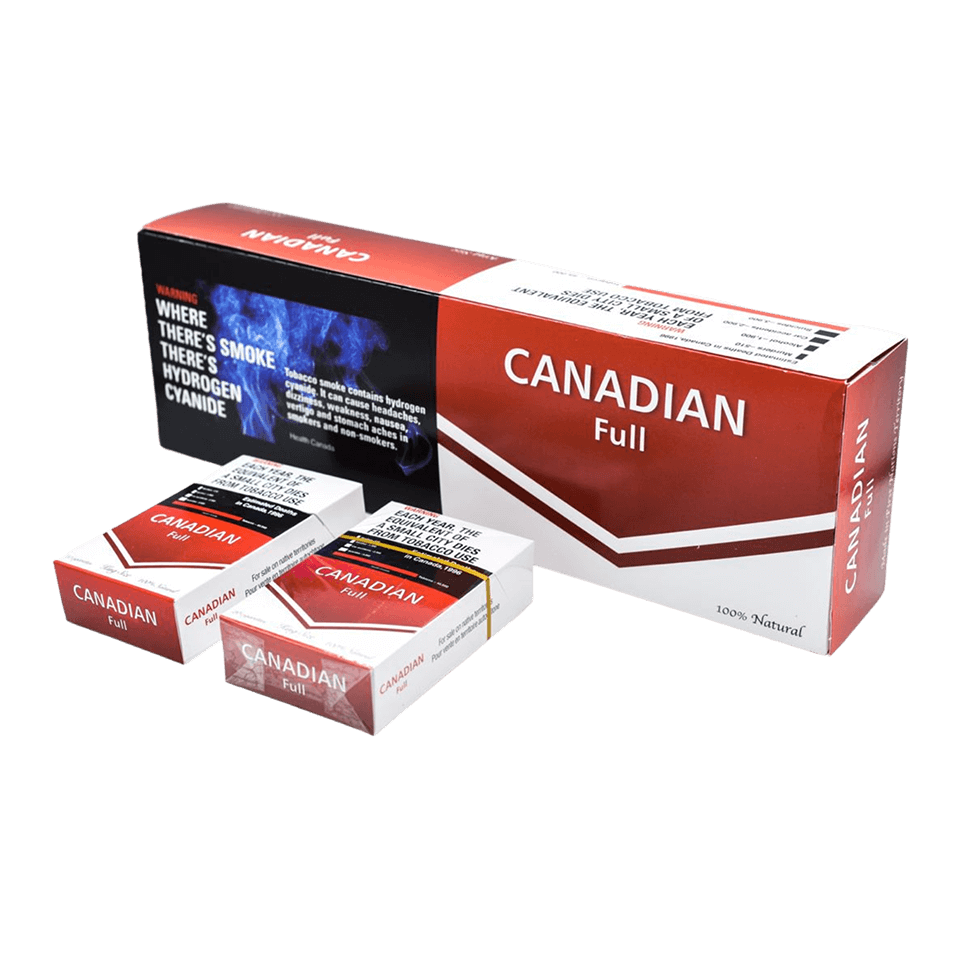
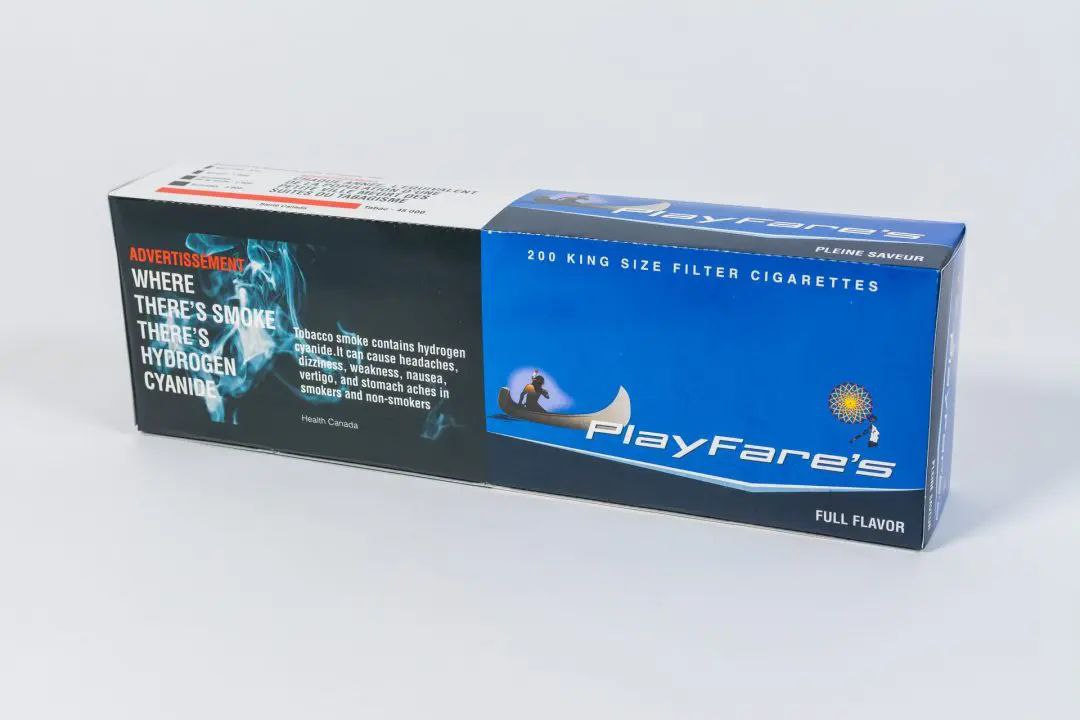
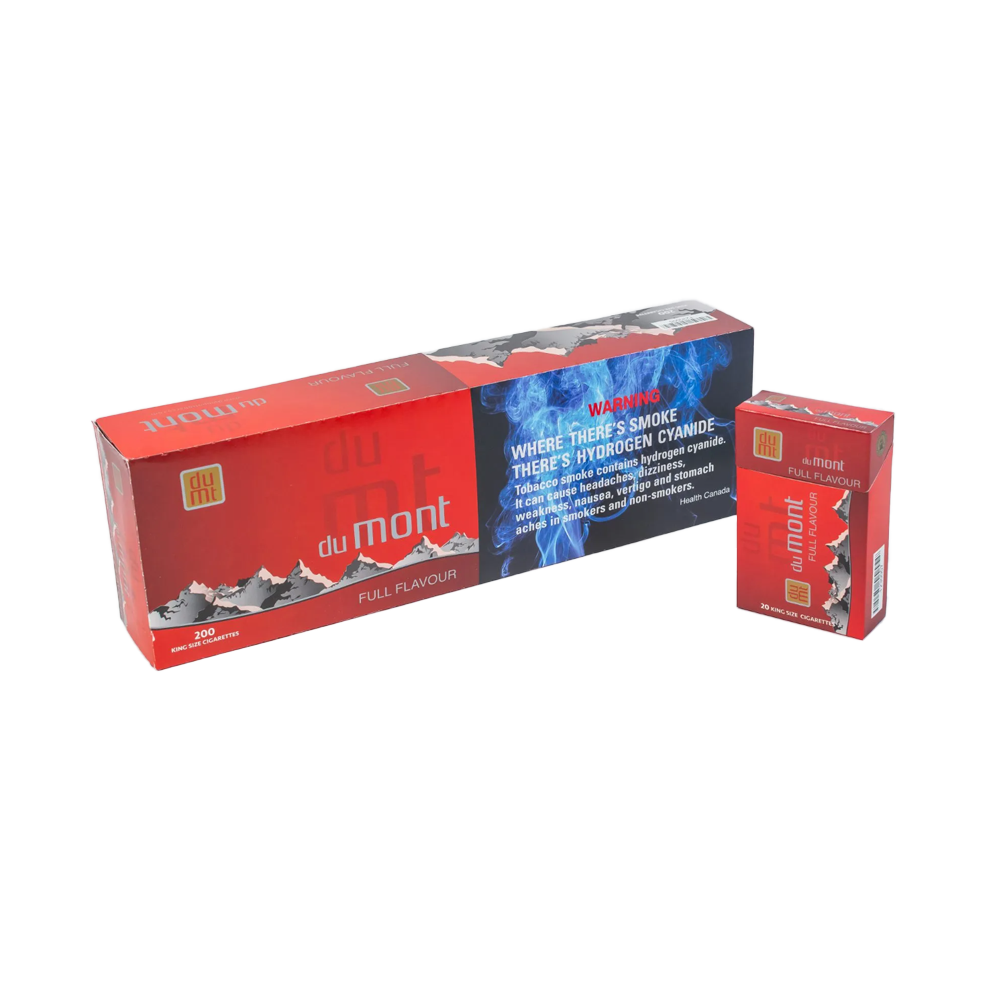
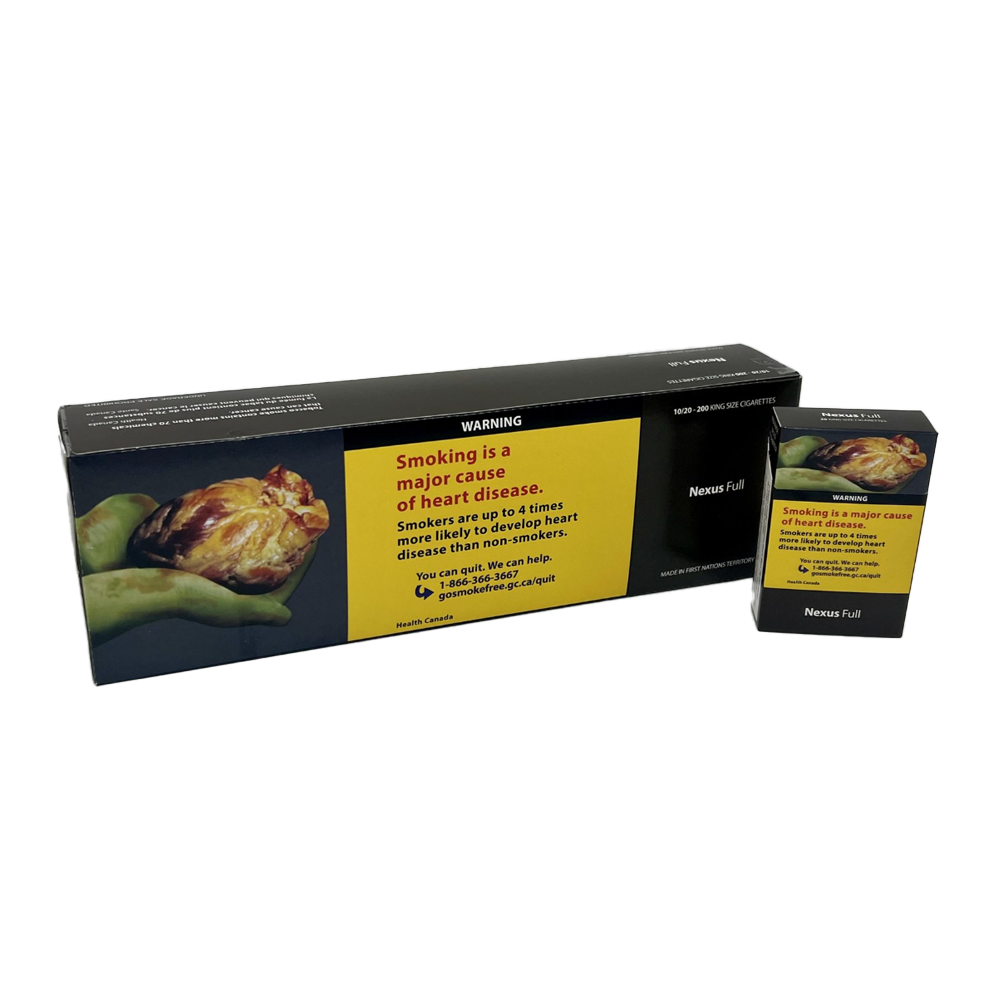
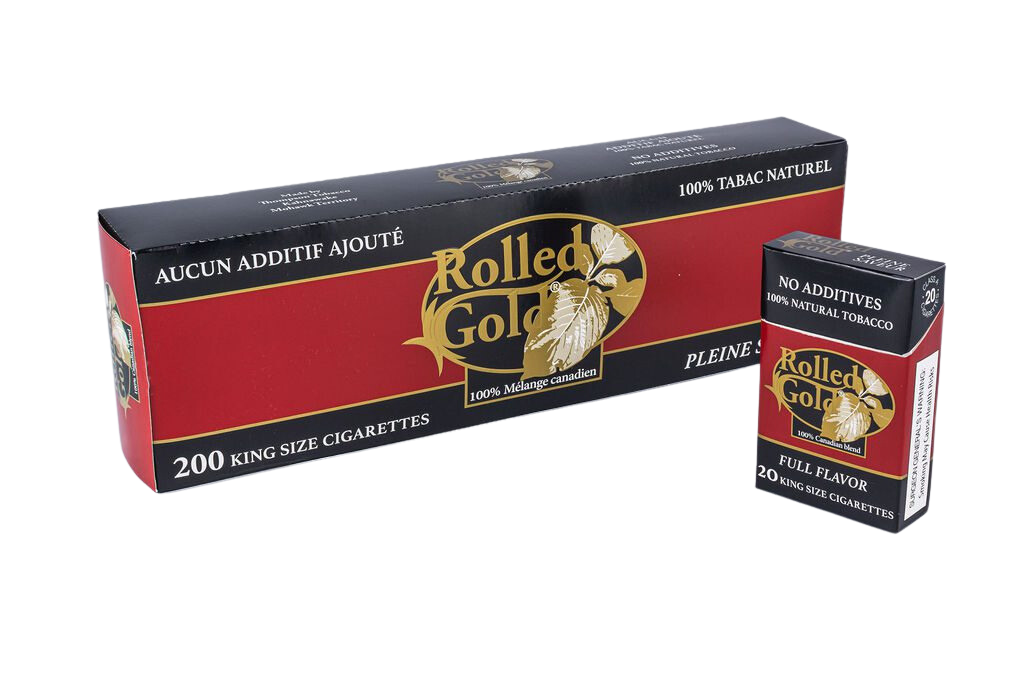
⭐ Excluded: BB light Manitoba, BB full Manitoba, Chanel Blueberry, Chanel ice. See all 29+ native brands at Cigstore.ca.
🚚 Delivery Across Canada – $29 Flat Rate
We ship to every province and territory using Canada Post, Purolator, FedEx, and UPS. Orders over $290 qualify for FREE shipping. Age verification (19+) required upon delivery.
📦 Same-day dispatch for orders before 2 PM EST. Tracking provided within 24 hours.
📚 You Might Also Enjoy These Articles
How Smoking Affects Your Skin, Hair, and Nails
The visible effects of tobacco on your body.
Smoking and Stress: The Neuroscience
Why nicotine feels calming (and why it’s a trap).
Smoking and Testosterone
Effects on men’s health and performance.
Smoking and Dental Health
Stains, gum disease, and implants.
Smoking and Your Pets
How thirdhand smoke affects your pets’ skin and fur.